
Planning a trip to Las Vegas requires more than just booking flights and securing reservations at the finest Resorts World Las Vegas. Whether you are coordinating business meetings, scheduling dinner reservations at Hell’s Kitchen, or trying to catch a show at the Sphere, understanding the local time is essential. Nevada operates within the Pacific Time Zone, a fact that remains consistent throughout the year.
Understanding Pacific Standard Time and Pacific Daylight Time
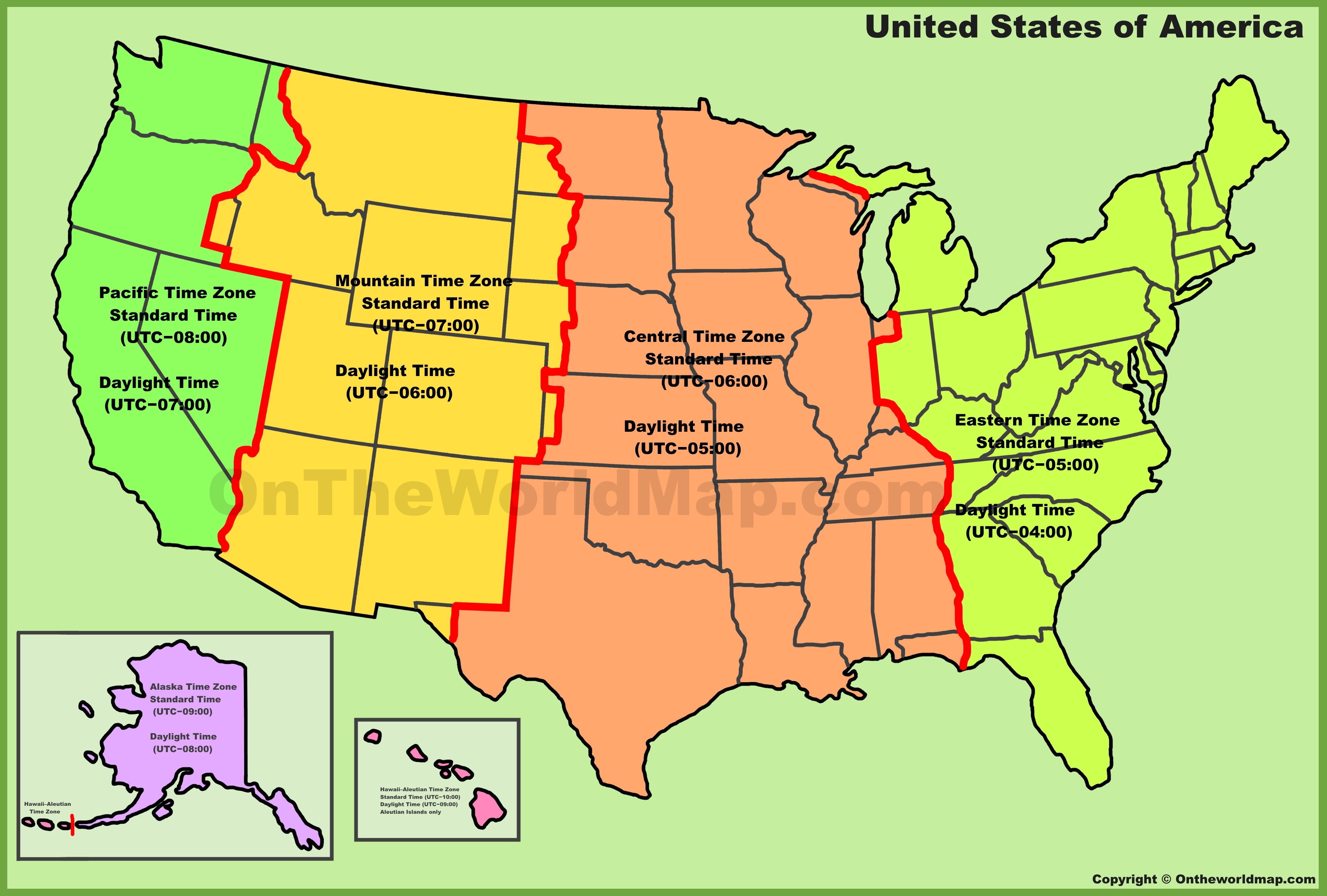
The state of Nevada adheres strictly to the Pacific Time Zone. This geographical designation is shared with neighboring regions, including California, Oregon, and Washington. While the time zone remains the same, the clock shifts based on seasonal adherence to Daylight Saving Time.

Pacific Standard Time (PST)
During the winter months, Las Vegas operates on Pacific Standard Time (PST), which is Coordinated Universal Time minus eight hours (UTC-8). This period typically begins in early November when the clocks “fall back,” providing an extra hour of sleep and earlier sunsets. For travelers visiting during this time, it is vital to remember that the sun sets quite early, often before the bright lights of the Las Vegas Strip fully illuminate the evening skyline.
Pacific Daylight Time (PDT)
From mid-March to early November, the region transitions to Pacific Daylight Time (PDT), which is Coordinated Universal Time minus seven hours (UTC-7). This adjustment is designed to maximize daylight hours, a welcome feature for those planning outdoor excursions to the Red Rock Canyon or taking a day trip to the Hoover Dam. Most modern digital devices, including smartphones and laptops used by travelers staying at The Venetian, will automatically adjust to this shift, but it is always wise to double-check your devices before embarking on time-sensitive activities.
Time Zone Differences for International and Domestic Travelers
Navigating the transition between time zones is one of the most common challenges for visitors. If you are flying in from New York or London, the three-hour or eight-hour difference can significantly impact your circadian rhythm.
Managing Jet Lag in the Desert
When arriving at Harry Reid International Airport, many travelers find themselves disoriented by the unique environment of Las Vegas. The city is famously designed to lose track of time—with no clocks on the casino floors of properties like Caesars Palace—meaning that internal clock management becomes a personal responsibility. To mitigate the effects of the time difference, experts suggest staying hydrated, exposing yourself to natural sunlight as soon as you arrive, and adjusting your meal schedule to the local Pacific Time zone immediately upon landing.
Coordination Across U.S. Time Zones
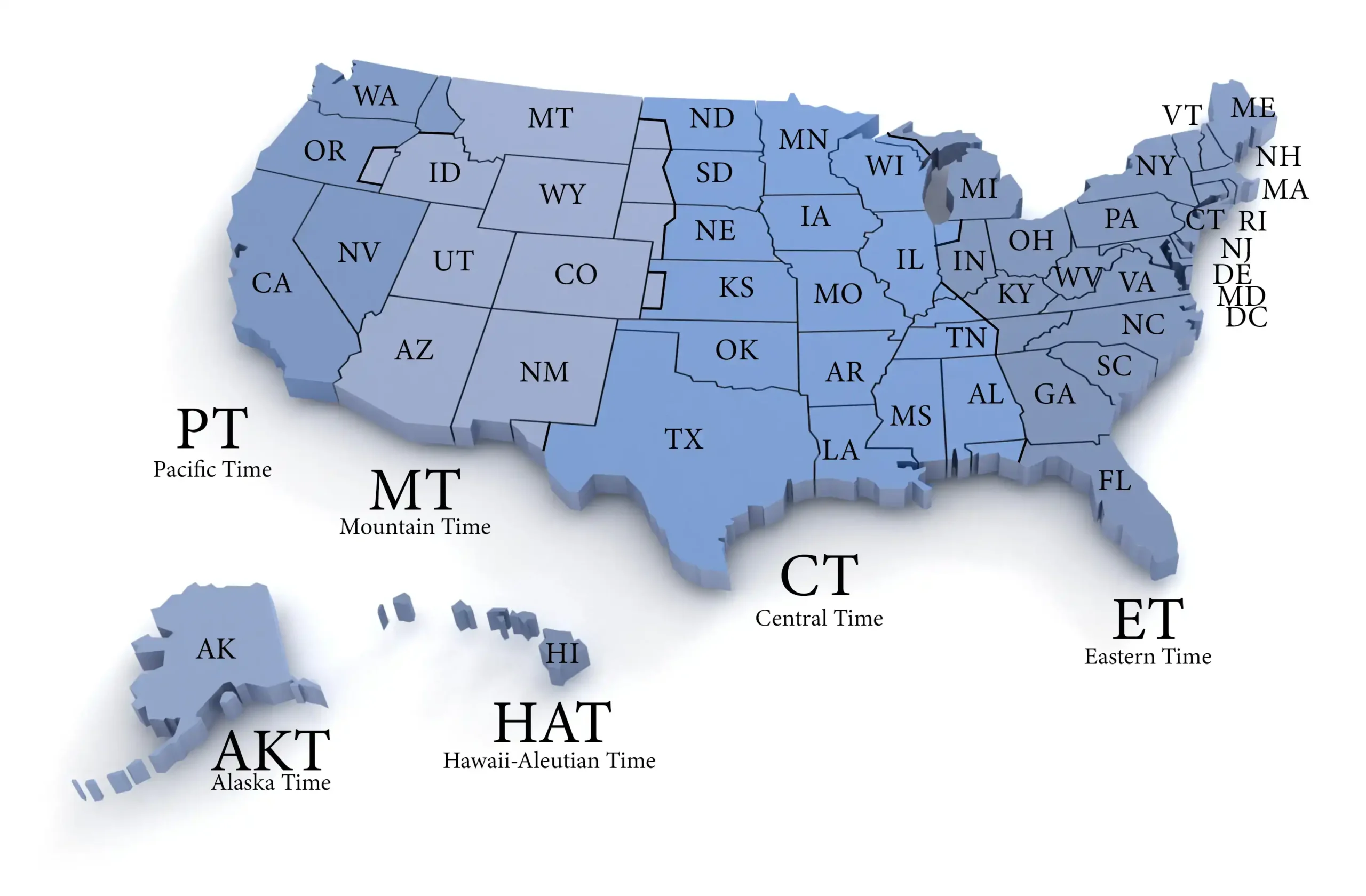
If you are traveling for business or attending a conference at the Las Vegas Convention Center, coordination with colleagues in Chicago (Central Time) or Atlanta (Eastern Time) requires careful attention. Nevada is three hours behind the Eastern Time Zone and two hours behind the Central Time Zone. Keeping this in mind will prevent missed calls, delayed virtual meetings, or accidentally arriving late to a show at the Bellagio.
Why Time Precision Matters in Las Vegas
The “City of Sin” is built on a foundation of constant activity, but that does not mean time is irrelevant. Whether you are aiming to catch the Fountains of Bellagio at night or booking a helicopter tour over the Grand Canyon, precision is key to a seamless vacation.
Planning Daily Itineraries
Many travelers make the mistake of assuming that everything in Las Vegas runs on a 24-hour cycle that renders the actual time meaningless. While the casinos may never close, logistical operations—such as restaurant seating, theater doors, and tour departures—adhere strictly to the Pacific Time Zone. If you have tickets for a specific performance at MGM Grand, arriving even a few minutes late due to a time zone miscalculation can mean missing the opening act.
Seasonal Variations and Sunset Times
The desert climate affects how people perceive the day. In the heat of the summer, the intensity of the sun encourages many visitors to stay indoors or poolside at the Wynn Las Vegas until the sun begins to dip below the horizon. Knowing the specific sunset time in Pacific Daylight Time allows you to plan your outdoor activities during the cooler, more manageable hours of the early morning or the late evening.
Digital Tools and Practical Tips for Visitors
In the age of technology, staying synchronized is easier than ever, but relying solely on digital tools can occasionally backfire.
- Smartphone Settings: Ensure that your device is set to “Automatic Time Zone” so that it detects the local network signal as you arrive in Nevada.
- Dual-Clock Displays: If you are managing family logistics back home in Europe or Asia, consider adding a world clock widget to your home screen to see the time difference at a glance.
- Hotel Wake-Up Calls: Even with a smartphone, utilizing the wake-up call service at premium properties like The Cosmopolitan provides a reliable safety net for early morning excursions.
- Check Before You Book: When booking tours that take you outside of Las Vegas, such as those heading into Arizona, be aware that Arizona does not observe Daylight Saving Time (with the exception of the Navajo Nation). This can lead to significant confusion during the summer months when the time difference changes.
Ultimately, while the neon lights of the Fremont Street Experience might make you feel as though time has stood still, the city operates on a very specific, standardized schedule. By respecting the Pacific Time Zone, you can ensure that your visit is defined by effortless enjoyment rather than frantic rescheduling. Whether you are here for the high-stakes thrills of a luxury casino or the natural beauty surrounding the region, staying on time is the first step toward a perfect Nevada getaway.
LifeOutOfTheBox is a participant in the Amazon Services LLC Associates Program, an affiliate advertising program designed to provide a means for sites to earn advertising fees by advertising and linking to Amazon.com. Amazon, the Amazon logo, AmazonSupply, and the AmazonSupply logo are trademarks of Amazon.com, Inc. or its affiliates. As an Amazon Associate we earn affiliate commissions from qualifying purchases.