
New Orleans, the vibrant heart of Louisiana and one of the United States’ most unique cities, operates on Central Standard Time (CST) for much of the year, shifting to Central Daylight Time (CDT) during the warmer months. This places the Crescent City in the UTC-6 time zone during standard time and UTC-5 during daylight saving time. For travelers planning a visit to this iconic destination, understanding the local time is crucial for seamless itinerary planning, hotel bookings, and making the most of every moment exploring its rich culture, history, and legendary nightlife. From coordinating flight arrivals at Louis Armstrong New Orleans International Airport to ensuring you don’t miss a jazz set on Frenchmen Street or a reservation at a renowned Creole restaurant, knowing the exact time zone is your first step towards an unforgettable New Orleans experience.
Unraveling New Orleans’ Time Zone: CST and CDT Explained
Understanding New Orleans’ time zone goes beyond simply knowing the current hour. It involves appreciating the historical context of timekeeping in the United States and how it impacts daily life and travel. The nation is divided into several standard time zones, primarily to standardize railway schedules in the 19th century, and this system continues to serve modern travel and commerce.
Central Standard Time (CST) Explained
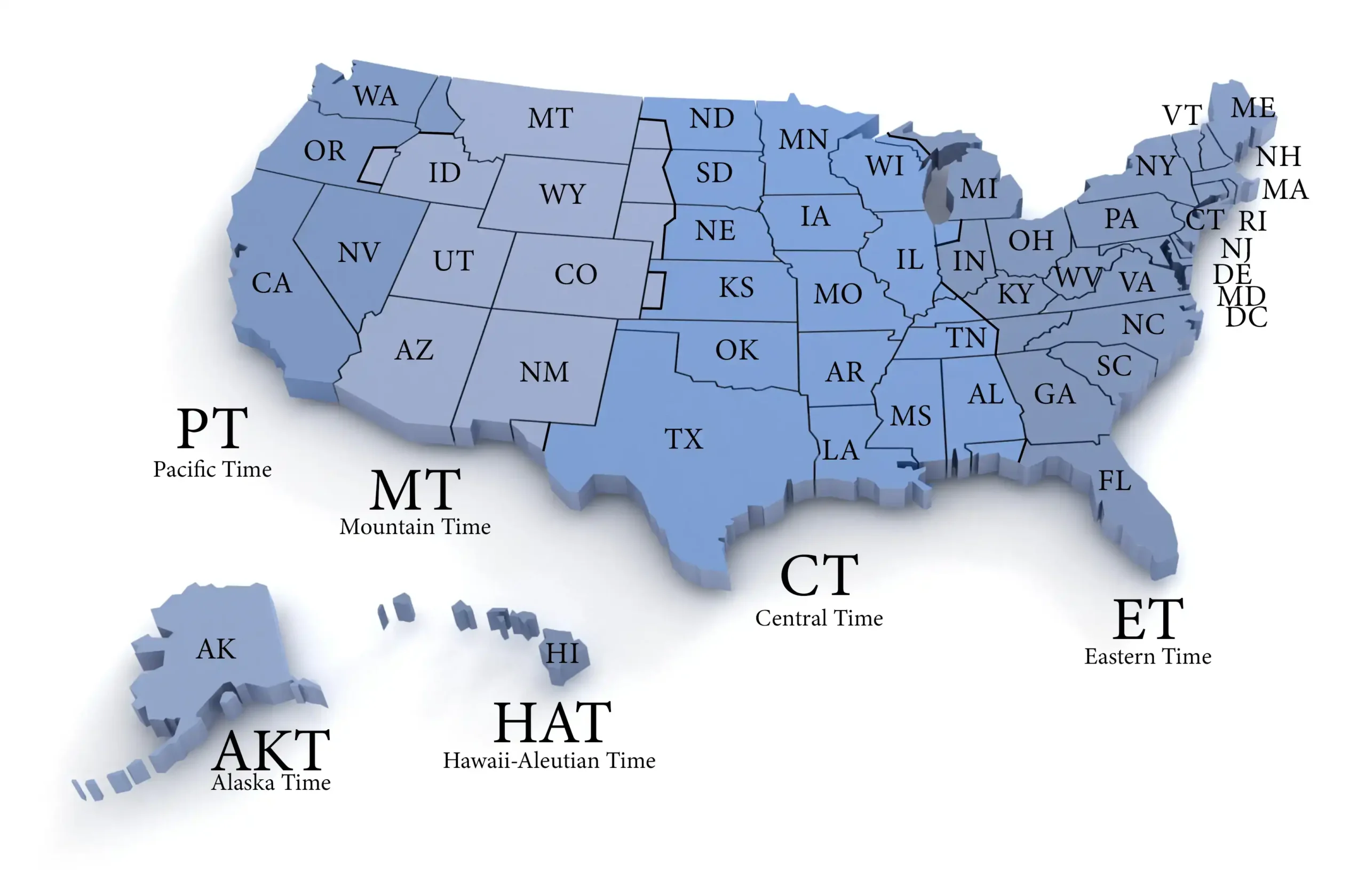
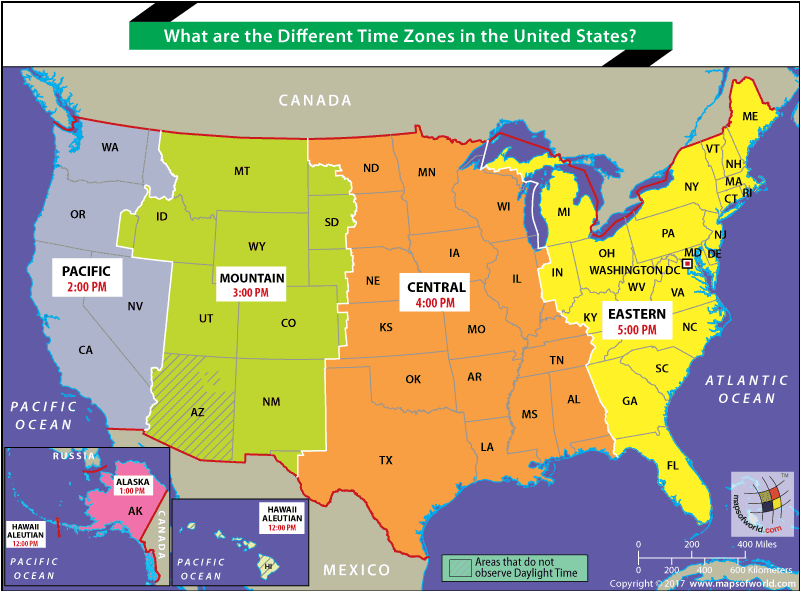
For approximately five months of the year, from early November to mid-March, New Orleans observes Central Standard Time (CST). This time zone is six hours behind Coordinated Universal Time (UTC-6), which is the international standard for timekeeping. To put it simply, if it’s 12:00 PM UTC, it would be 6:00 AM in New Orleans. This consistent time provides a stable framework for planning during the peak fall and winter tourist seasons, which include major events like holidays and early Mardi Gras preparations. Travelers arriving from the Eastern Time Zone (EST, UTC-5) will turn their clocks back one hour, while those from the Mountain Time Zone (MST, UTC-7) will move them forward one hour, and those from the Pacific Time Zone (PST, UTC-8) will adjust two hours forward. For international visitors, particularly from Europe or Asia, the time difference can be substantial, requiring careful consideration for communication and arrival schedules.
Daylight Saving Time (DST) Considerations
The vast majority of the United States, including Louisiana and New Orleans, observes Daylight Saving Time (DST). This annual tradition typically begins on the second Sunday in March and ends on the first Sunday in November. During this period, clocks “spring forward” one hour, and New Orleans switches to Central Daylight Time (CDT), which is five hours behind Coordinated Universal Time (UTC-5). The purpose of DST is to make better use of daylight, shifting an hour of daylight from the morning to the evening. For tourists, this means longer evenings to enjoy outdoor activities, stroll through the French Quarter, or dine al fresco. However, it also means a change in the time difference with other regions, which is especially important for those managing business stays or connecting flights. Visitors should always confirm whether their travel dates fall within CST or CDT to avoid any confusion with bookings, tour schedules, or event timings. The shift can subtly impact jet lag as well, making the “spring forward” particularly noticeable for those already fighting fatigue from long-haul travel.
Navigating Travel to the Crescent City
Travel to New Orleans is an experience in itself, but the time zone difference can add an unexpected layer of complexity, particularly for those arriving from distant locations. Understanding how time affects your journey and stay is crucial for a smooth and enjoyable trip.
Overcoming Jet Lag and Time Differences
For travelers crossing multiple time zones, especially international visitors or those from the Pacific Coast, jet lag can significantly impact the initial days of a trip. The symptoms, including fatigue, disturbed sleep, and disorientation, can detract from the vibrant experience New Orleans offers. To mitigate jet lag when arriving in New Orleans:
- Adjust gradually: Before your trip, try to slowly shift your sleep schedule closer to New Orleans’ time.
- Hydrate: Drink plenty of water before, during, and after your flight to combat dehydration.
- Embrace local time immediately: As soon as you land, set your watch to CST/CDT and try to stick to the local schedule for meals and sleep.
- Seek daylight: Exposure to natural light during the day helps reset your body clock. Stroll through Jackson Square or enjoy a Mississippi River cruise.
- Avoid heavy meals and excessive alcohol: These can exacerbate jet lag symptoms.
- Plan light activities for your first day: Instead of diving into a packed itinerary, allow yourself time to settle in and gently explore your surroundings.
Considering the time difference is also vital for communication with friends, family, or business contacts back home. Planning calls during their waking hours while respecting your own need for rest in New Orleans can make all the difference.
Planning Your Arrival and Departure
When booking flights to Louis Armstrong New Orleans International Airport (MSY), always pay close attention to arrival and departure times, which will be listed in local New Orleans time. Factor in potential delays, customs processing for international flights, and travel time from the airport to your chosen accommodation. Most hotels, whether luxury resorts or budget-friendly stays, adhere strictly to a 3:00 PM or 4:00 PM check-in and 11:00 AM or 12:00 PM check-out time. If your flight arrives significantly earlier than check-in, consider requesting an early check-in in advance or plan to store your luggage at the hotel and begin exploring immediately. Similarly, for late departures, inquire about late check-out options or luggage storage, allowing you to enjoy a few more hours in the city without being burdened by your bags. Coordinating airport transfers or ride-shares also requires precise timing, especially during peak hours or major festivals like Mardi Gras or Jazz Fest, when traffic can be heavier than usual.
Experiencing New Orleans Beyond the Clock
While understanding the time zone is practical, the true essence of New Orleans lies in its timeless appeal and vibrant experiences. The city encourages visitors to slow down, savor the moment, and immerse themselves in its unique rhythm, regardless of the clock.
Iconic Landmarks and Attractions
New Orleans boasts an incredible array of landmarks and attractions that are integral to its identity. The historic French Quarter, with its distinctive Creole architecture and wrought-iron balconies, is a must-visit. Wander down Bourbon Street to soak in the lively atmosphere, but don’t miss the quieter charm of streets like Royal Street with its art galleries and antique shops. Jackson Square, presided over by the majestic St. Louis Cathedral, is a hub for artists, street performers, and fortune tellers. Grab a beignet and café au lait at the iconic Café Du Monde any time of day or night – it’s open 24/7, making time irrelevant to its delicious offerings.
Beyond the French Quarter, the elegant Garden District offers a glimpse into grand Southern mansions and lush gardens, best explored by taking a historic Streetcar ride. Other notable attractions include the interactive exhibits at The National WWII Museum, the diverse wildlife at Audubon Zoo, and the tranquil expanses of Audubon Park. Each of these landmarks has specific operating hours, which, while based on CST/CDT, often extend into the long, beautiful evenings, especially during DST, allowing visitors ample time to explore. Planning your visits efficiently means grouping nearby attractions together and utilizing online ticketing services to maximize your time.
Culinary Delights and Vibrant Nightlife
New Orleans’ culinary scene is as legendary as its music. From classic Creole cuisine and spicy Cajun dishes to fresh seafood and global flavors, the city is a paradise for foodies. Make reservations well in advance for renowned establishments like Commander’s Palace, Brennan’s, Antoine’s Restaurant, or Galatoire’s to savor traditional dishes like gumbo, jambalaya, and étouffée. Don’t forget to try local favorites like po’boys and muffulettas at casual eateries. The time zone impacts dining in subtle ways; early bird dinners might start around 5 PM, while late-night supper clubs can serve well past midnight.
As the sun sets, New Orleans truly comes alive. The city’s nightlife is synonymous with live jazz music, blues, and brass bands. While Bourbon Street offers an electrifying party atmosphere with countless bars and clubs, Frenchmen Street in the Faubourg Marigny neighborhood is celebrated for its authentic live music venues and more local vibe. Enjoy a classic Sazerac at the historic Carousel Bar in the Hotel Monteleone or a potent Hurricane at Pat O’Brien’s. The beauty of New Orleans nightlife is its timelessness; music spills from clubs and onto the streets, often continuing until the early hours of the morning, making it easy to lose track of time in the best possible way.
Where to Stay: Accommodation Options for Every Traveler
Selecting the right accommodation is paramount to a successful trip, and New Orleans offers an impressive range of options, catering to every taste, budget, and travel style. Proximity to attractions and an understanding of hotel policies (which are naturally tied to the local time zone) are key considerations.
Luxury Hotels and Boutique Stays
For those seeking an indulgent experience, New Orleans is home to several exquisite luxury hotels and charming boutique stays. These establishments often reside in beautifully restored historic buildings, offering opulent amenities, exceptional service, and prime locations.
- The Roosevelt New Orleans, A Waldorf Astoria Hotel: A grand, iconic hotel known for its lavish lobby and famous Sazerac Bar.
- Hotel Monteleone: Located in the heart of the French Quarter, this historic hotel is famous for its Carousel Bar and literary heritage.
- Windsor Court Hotel: Offering sophisticated elegance, impeccable service, and stunning views of the city or Mississippi River.
- Pontchartrain Hotel: A beautifully renovated historic hotel in the Garden District, blending classic charm with modern amenities and a fantastic rooftop bar.
- Ace Hotel New Orleans: For a more modern, trendy boutique experience, this hotel in the Warehouse District offers a vibrant social scene, great dining, and a rooftop pool.
These hotels often provide concierge services that can assist with time-sensitive bookings, from dinner reservations to private tours, ensuring your itinerary flows smoothly with the local time. Early booking is always recommended, especially during peak seasons like Mardi Gras or Jazz Fest, when prices soar and availability dwindles.
Budget-Friendly and Unique Accommodations
New Orleans also caters to budget-conscious travelers and those seeking more unconventional lodging.
- Boutique Guesthouses and B&Bs: Found often in the Marigny, Bywater, or Garden District, these offer a personal touch and a glimpse into local life, complete with Southern hospitality. Many provide charming courtyards and homemade breakfasts.
- Hostels: Several hostels offer dormitory-style or private rooms, ideal for solo travelers or groups looking to save money while still being centrally located.
- Vacation Rentals: Platforms like Airbnb offer a variety of options, from historic apartments in the French Quarter to quaint cottages in residential neighborhoods, providing a more authentic local experience and often kitchen facilities. When renting, be sure to confirm key pick-up or check-in times in advance, as these are often less flexible than hotel front desks.
Regardless of your choice, confirm check-in and check-out times, and any specific policies related to late arrivals or early departures, all of which are anchored to New Orleans’ CST/CDT schedule.
Making the Most of Your New Orleans Lifestyle Experience
To truly embrace the spirit of New Orleans, it’s not just about what you do, but how you align yourself with the city’s unique rhythm. By thoughtfully planning around its time zone, you can enhance your entire experience.
Optimizing Your Itinerary
A well-planned itinerary is essential for any trip, but especially so in a city as rich in offerings as New Orleans. Consider the time of day for different activities:
- Mornings: Best for quiet strolls through the French Quarter before the crowds, or visiting museums like The National WWII Museum when they first open. Brunch is a beloved New Orleans institution, often starting around 10 AM or 11 AM.
- Afternoons: Ideal for swamp tours (check tour times which align with daylight hours), exploring the Garden District, or shopping at the Riverwalk Marketplace.
- Evenings: Dedicated to culinary adventures, live music, and ghost tours that thrive under the cloak of night. The vibrant nightlife often means dinner reservations might be later than usual, around 8 PM or 9 PM, allowing for pre-dinner drinks.
Always check the local time and day when booking tours, purchasing tickets for shows, or making reservations, especially if coordinating with operators in different time zones. Online booking platforms usually default to the local time of the attraction, but it’s always wise to double-check.
Seasonal Events and Festivals
New Orleans is a city of perpetual celebration, hosting numerous festivals and events throughout the year. Your visit might coincide with:
- Mardi Gras: The world-famous carnival celebration, occurring annually between January and March (depending on Easter), involves weeks of parades and revelry. Event times are meticulously scheduled in CST, and punctuality is key to securing good viewing spots.
- New Orleans Jazz & Heritage Festival (Jazz Fest): Held over two weekends in late April and early May, this festival showcases hundreds of local and international musicians, delicious food, and crafts. The festival hours fully embrace CDT, taking advantage of the extended daylight.
- French Quarter Festival: A free, local music and food festival in April, spread across various stages in the historic French Quarter.
- Voodoo Music + Arts Experience: An annual multi-day music festival around Halloween at City Park, falling within either CDT or the transition to CST, depending on the exact dates.
Each of these festivals operates on New Orleans’ local time, and their schedules are often packed from morning until late evening. For major events, hotels and attractions will be at their busiest, so booking well in advance is essential. Keeping track of the time and allowing for extra travel time between venues will ensure you don’t miss a beat of the Crescent City’s dynamic calendar.
In conclusion, while “What Time Zone Is New Orleans?” might seem like a simple question, its answer – Central Standard Time (CST) and Central Daylight Time (CDT) – is foundational to planning a truly immersive and stress-free travel experience. From managing jet lag and coordinating accommodations to savoring its iconic landmarks and vibrant lifestyle, understanding New Orleans’ position on the clock ensures you’re perfectly aligned with the heartbeat of this enchanting city.
LifeOutOfTheBox is a participant in the Amazon Services LLC Associates Program, an affiliate advertising program designed to provide a means for sites to earn advertising fees by advertising and linking to Amazon.com. Amazon, the Amazon logo, AmazonSupply, and the AmazonSupply logo are trademarks of Amazon.com, Inc. or its affiliates. As an Amazon Associate we earn affiliate commissions from qualifying purchases.