
When planning a journey to the “City That Never Sleeps,” understanding the temporal landscape is just as crucial as knowing which subway line to take or which Broadway show to book. For international travelers, the primary point of reference for time is often Greenwich Mean Time, or GMT. To navigate your trip to New York effectively—whether you are grabbing a bagel in Manhattan or meeting for a business dinner in Brooklyn—you must understand the shifting nature of the local time zone.
Understanding Eastern Standard Time and Daylight Saving
New York operates primarily on Eastern Standard Time (EST) during the winter months. In terms of GMT, EST is consistently five hours behind. This means when the clock strikes noon in London, it is precisely 7:00 AM in the Big Apple.
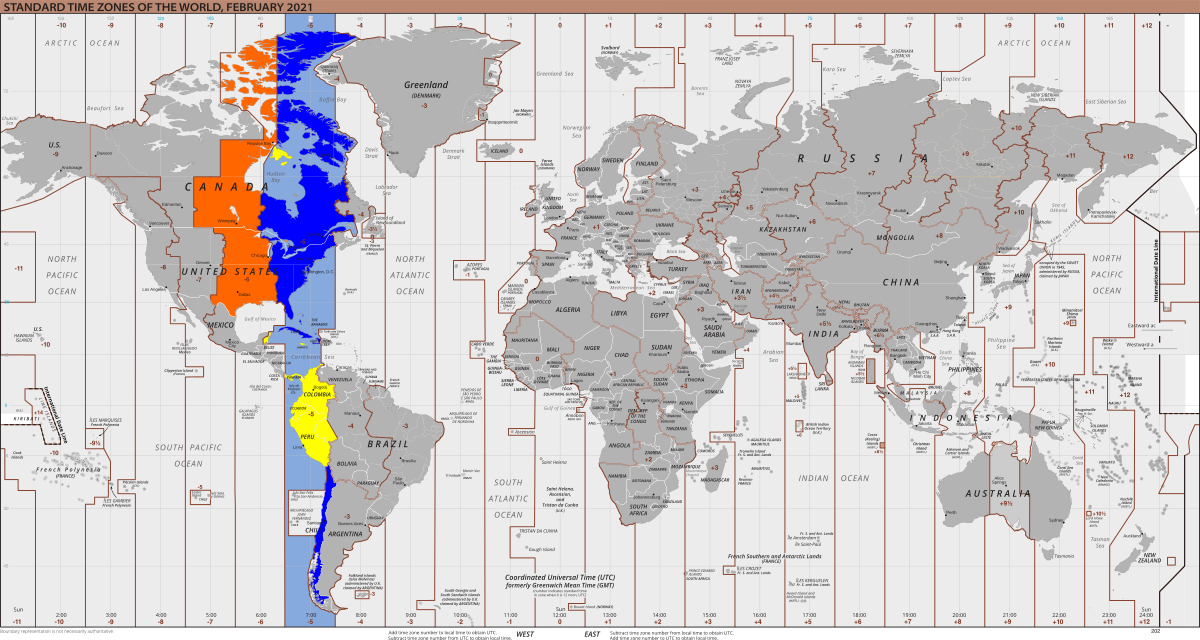
However, New York is a region that strictly observes Daylight Saving Time. This transition dictates how the city interacts with the rest of the world for the majority of the spring, summer, and early autumn months.
The Shift to Eastern Daylight Time
From the second Sunday in March until the first Sunday in November, New York transitions to Eastern Daylight Time (EDT). During this period, the city “springs forward,” moving the local clock one hour ahead. Consequently, the gap between local time and GMT narrows to four hours.
For travelers flying in from Europe or connecting through global hubs, this shift is critical. If you are scheduling a check-in at a hotel near Times Square or trying to catch a flight at JFK International Airport, verifying whether the city is in EDT or EST will prevent unnecessary scheduling mishaps.
Navigating Travel Logistics Across Time Zones
For the global traveler, New York serves as a major gateway. Whether you are arriving from Tokyo, Paris, or Sydney, you will likely be reconciling your internal clock with the rhythm of North America.
Managing Jet Lag in the Concrete Jungle
The moment you land, the city demands high energy. From walking through Central Park to exploring the heights of the Empire State Building, physical endurance is key. Jet lag can significantly impede your ability to enjoy the sensory overload of New York.

To mitigate the effects of the time difference, experts often suggest aligning your sleep schedule with the local New York time starting a day or two before departure. Since New York is behind most of Europe and ahead of much of Asia, your body will need to adjust to a significant shift. Staying hydrated and spending your first afternoon in the natural light of The High Line can help anchor your circadian rhythm to the local time zone.
Scheduling International Connections
If your travel itinerary includes meetings or virtual check-ins with colleagues back home, remember that while GMT acts as a stable constant, New York is a moving target due to seasonal adjustments. Always double-check your calendar apps to ensure they have automatically adjusted for the specific dates of your travel. Relying on outdated time converters can lead to missed reservations at top-tier establishments like Le Bernardin or lost opportunities to catch a sunset view at the Top of the Rock.
The Cultural Pulse of New York Time
In a city defined by its frantic pace and ambitious lifestyle, time is a commodity. Unlike more relaxed destinations, New York moves with a sense of urgency that permeates every district, from the financial corridors of Wall Street to the art galleries of Chelsea.
Morning Rituals and Peak Hours
Understanding the time zone is also about understanding the local flow of traffic and public transport. The morning rush—typically between 7:00 AM and 9:00 AM EST—transforms the New York City Subway system into a hive of activity. If you are an international traveler, it is worth noting that the city’s peak hours are synchronized with local business opening times.
If you prefer to avoid the crowds, planning your visits to landmarks like the Statue of Liberty during off-peak hours—often early morning or late afternoon—will yield a more pleasant experience. Knowing the local time allows you to optimize your itinerary, ensuring you aren’t stuck in a crosstown traffic jam on Fifth Avenue when you could be exploring the halls of the Metropolitan Museum of Art.
Late Nights and Endless Opportunities
New York is famous for its late-night culture. When it is already the next day in London, the city is often still vibrant. Whether you are finding a late-night bite in the East Village or catching a jazz set in Greenwich Village, the time difference often works in the favor of the jet-lagged traveler. You might find yourself naturally awake at hours when the city is at its most authentic and atmospheric.

Practical Tips for the Global Traveler
For those visiting from regions that do not observe Daylight Saving Time, such as parts of South America or certain Asian nations, the four-to-five hour swing can be confusing. Here are a few simple strategies to keep your trip on track:
- Digital Syncing: Keep your smartphone set to “Automatic Time Zone” so that as soon as you land at LaGuardia Airport or Newark Liberty International Airport, your devices update to the local New York time without manual intervention.
- Double-Check Business Hours: Before heading out to visit a landmark like Grand Central Terminal or a museum, verify their operating hours online. These venues strictly follow local time, and seasonal changes might slightly impact their opening or closing rituals.
- Respect the Pace: New York culture values efficiency. Being on time for appointments or tours is considered a sign of respect. When setting up meetings, always clarify if you are referring to EST or EDT to avoid confusion for local partners.
- Use GMT as a Constant: When planning your trip from a home base in a different continent, use GMT as your baseline. It is a reliable way to calculate the exact duration of your flight and the local arrival time, regardless of seasonal variations in New York.
By keeping these factors in mind, your trip to this iconic destination will be seamless. While the clock might jump forward or backward depending on the time of year, the allure of the city remains constant. Whether you are gazing at the skyline from Brooklyn Bridge or finding solace in the New York Public Library, knowing your relationship with GMT ensures that you spend less time worrying about the hour and more time soaking in the unparalleled energy of the United States.
LifeOutOfTheBox is a participant in the Amazon Services LLC Associates Program, an affiliate advertising program designed to provide a means for sites to earn advertising fees by advertising and linking to Amazon.com. Amazon, the Amazon logo, AmazonSupply, and the AmazonSupply logo are trademarks of Amazon.com, Inc. or its affiliates. As an Amazon Associate we earn affiliate commissions from qualifying purchases.