
For travelers planning an adventure through the vast prairies and badlands of the United States heartland, understanding the nuances of local time zones is often a critical, yet overlooked, detail. When it comes to the state of North Dakota, this understanding becomes particularly important, as the state uniquely spans two distinct time zones: the Central Time Zone and the Mountain Time Zone. This bisection presents an intriguing logistical challenge and an interesting aspect of the state’s geography, influencing everything from travel itineraries and accommodation bookings to daily routines and business operations.
For those venturing into North Dakota, whether for a relaxing family trip, an exploration of its rich history, or a rugged outdoor experience, being aware of which time zone you’re in (and when you might cross into another) is essential for seamless planning. Imagine booking a hotel in Medora but forgetting to adjust your internal clock from a morning spent in Fargo — you could easily miss a critical tour, a check-in window, or an evening performance. This comprehensive guide will delve into the specifics of North Dakota’s time zones, offering insights and practical advice to ensure your visit is as smooth and enjoyable as possible, aligning with the core principles of informed travel, tourism, and hassle-free accommodation planning.
Navigating North Dakota’s Dual Time Zones
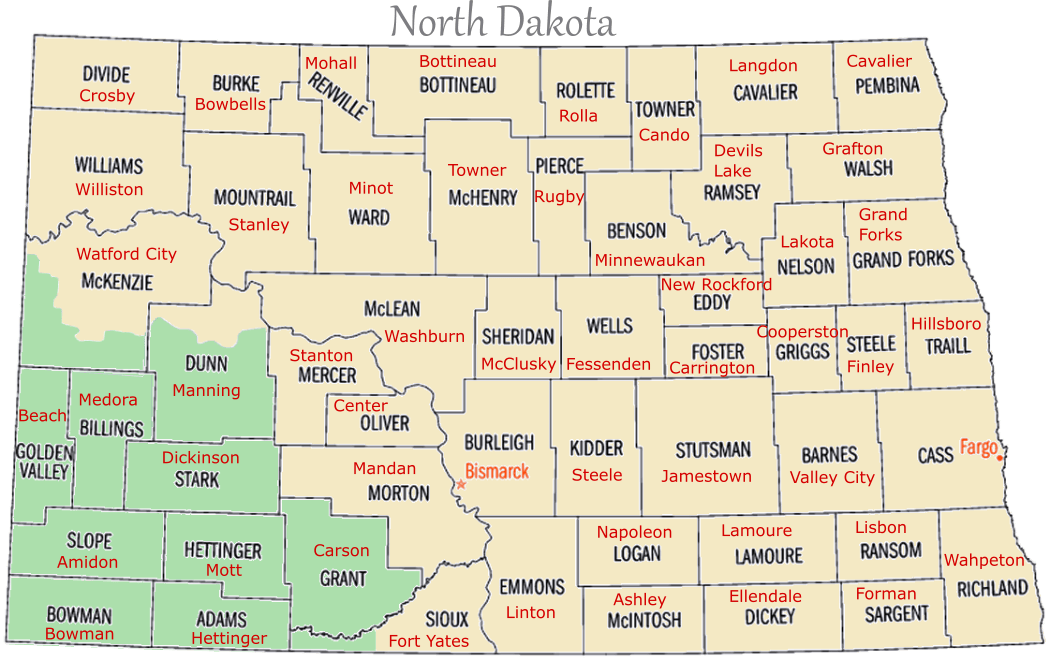
The geographical spread of North Dakota means that it doesn’t fit neatly into a single time zone. This dual-zone characteristic is not uncommon in larger states across the United States, but its specific demarcation within North Dakota is particularly noteworthy for travelers. The vast majority of the state adheres to Central Time, but a significant portion of its western expanse observes Mountain Time, creating a fascinating invisible line that visitors often cross without even realizing it.
Central Time Zone Dominance
The eastern two-thirds of North Dakota falls squarely within the Central Time Zone (CT). This means that during standard time, it is observed as UTC-6, and during Daylight Saving Time (CDT), it shifts to UTC-5. This zone encompasses all of the state’s major population centers and bustling urban hubs, making it the most common time reference for residents and visitors alike.
Cities like Fargo, the state’s largest city and a vibrant hub for culture and commerce, operate on Central Time. Travelers flying into Hector International Airport in Fargo will find themselves instantly on Central Time, ready to explore attractions such as the Plains Art Museum or enjoy the thriving local food scene. Similarly, the state capital, Bismarck, centrally located along the scenic Missouri River, observes Central Time. Here, visitors can delve into the state’s past at the North Dakota Heritage Center & State Museum or enjoy a serene ride on the Lewis & Clark Riverboat, all operating on a Central Time schedule. Further north, the city of Grand Forks, home to the University of North Dakota and the impressive Ralph Engelstad Arena, also follows Central Time.
The adherence of these key cities to Central Time is largely due to their historical and economic ties to the eastern and central United States, aligning them with larger markets and transportation networks. When planning a trip that primarily focuses on these eastern and central regions, travelers can typically rely on Central Time for all their arrangements.
The Western Edge: Mountain Time Zone
Venturing westward in North Dakota, the landscape transforms into rugged badlands and vast stretches of open country, and so does the time zone. The western counties of North Dakota observe the Mountain Time Zone (MT), which is UTC-7 during standard time and shifts to UTC-6 for Daylight Saving Time (MDT). This shift means that cities and towns in this region are one hour behind their counterparts in Central Time.
The demarcation line is somewhat irregular, but generally, counties west of the Missouri River observe Mountain Time. This includes popular tourist destinations and bustling energy hubs like Medora and Williston. Medora, the charming gateway to the South Unit of Theodore Roosevelt National Park, is firmly in Mountain Time. Visitors here planning to catch the famed Medora Musical or explore the historic Chateau de Mores State Historic Site must remember to set their watches back an hour if they’ve traveled from Bismarck or Fargo.
Further north in the western part of the state, Williston, a city that has experienced significant growth due to the oil industry, also operates on Mountain Time. This puts it in sync with other western states that share its geographical characteristics, often bordering the Rocky Mountains or having strong economic ties to them. This time zone alignment ensures that residents and businesses in these areas maintain consistent schedules with neighboring states like Montana and parts of South Dakota, which also observe Mountain Time. For those looking to visit the nearby Fort Union Trading Post National Historic Site, understanding the Mountain Time schedule is crucial for planning.
The rationale behind this split is primarily geographical and historical. The western parts of North Dakota are physically closer to the mountain states and historically shared more connections with the westward expansion and resource extraction industries that aligned with the Mountain Time Zone.
Practical Considerations for Travelers and Residents
The dual time zone system in North Dakota has significant implications, not just for residents but particularly for visitors. Ignoring this geographical quirk can lead to missed appointments, delayed departures, or simply unnecessary confusion. As a premier destination for travel and tourism information, understanding these practical considerations is key to a stress-free experience.

Planning Your North Dakota Itinerary
When crafting your North Dakota adventure, meticulous planning regarding time zones is paramount. This applies to various aspects of your trip:
- Flight and Accommodation Bookings: Always double-check the time zone specified for flight arrivals and departures, especially if your journey involves a layover or destination change within North Dakota. Similarly, when reserving hotels, resorts, or other lodging options, confirm whether the check-in and check-out times are quoted in Central or Mountain Time, particularly if you’re booking accommodations near the time zone boundary. For example, a boutique hotel in Bismarck will operate on Central Time, while a cozy cabin rental near Theodore Roosevelt National Park will be on Mountain Time.
- Attraction and Tour Schedules: Many popular landmarks and attractions, such as guided tours of Theodore Roosevelt National Park or performances at the Medora Musical, operate on strict schedules. Always verify the time zone when checking opening hours or booking tickets. A one-hour miscalculation could mean missing out on a once-in-a-lifetime experience.
- Dining Reservations: If you plan to enjoy North Dakota’s local cuisine, especially at popular restaurants, making reservations is a good idea. Confirm the time zone for your booking to avoid showing up an hour early or late.
- Road Trips and Border Crossings: For travelers embarking on a road trip across the state, pay close attention to roadside signs indicating a time zone change. While most modern smartphones and GPS devices automatically update time zones, it’s wise to be manually aware, especially in areas with spotty signal. A driving tour from Fargo to Medora will involve a significant time shift, which could affect your arrival estimates and scheduled activities.
- Communication: If you’re coordinating with friends, family, or business contacts across the state, always specify the time zone when discussing meeting times or calls. For instance, “Let’s meet at 10 AM CT” or “The call is at 11 AM MT” helps prevent confusion.
Impact on Daily Life and Business
Beyond individual travel plans, the time zone split impacts daily life and business operations within North Dakota.
- Business Operations: Companies operating statewide, particularly those with offices or clients in both eastern and western North Dakota, must account for the time difference in their scheduling, supply chains, and customer service. This often means businesses in Fargo might open and close an hour later relative to those in Williston when comparing local times.
- Remote Work and Meetings: With the rise of remote work and virtual meetings, the time zone distinction becomes crucial. A team meeting scheduled for 9 AM Central Time will be 8 AM Mountain Time for colleagues in the west, requiring careful coordination to ensure everyone is present. This is a common aspect of lifestyle management for residents.
- Educational Institutions: Universities and schools with branches or students across the state also navigate this challenge, often standardizing schedules or clearly communicating time differences for online courses and events.
- Media and Broadcasting: Local news and radio stations must also consider the time zone split, sometimes airing different schedules or providing time zone disclaimers for statewide broadcasts.
Understanding these implications fosters a smoother experience for everyone involved, whether you’re a tourist, a business traveler, or a resident navigating your daily life in this diverse state.
Exploring North Dakota: Attractions Across Time Zones
North Dakota offers a wealth of unique attractions and experiences, from vibrant city life to rugged natural beauty. The time zone division effectively segments these experiences, providing a logical framework for exploring the state’s diverse offerings. Each region, influenced by its time zone, presents distinct cultural, historical, and recreational opportunities.
Eastern North Dakota Highlights (Central Time)
The eastern and central parts of North Dakota, operating on Central Time, are characterized by fertile farmlands, growing urban centers, and a rich historical tapestry. These areas provide a blend of cultural experiences, educational opportunities, and lively entertainment options.
- Fargo: As the state’s largest city, Fargo is a hub of activity. Visitors can explore the contemporary and traditional art collections at the Plains Art Museum, a prominent landmark in the city. Aviation enthusiasts will appreciate the Fargo Air Museum, showcasing historical aircraft. The city also boasts a vibrant downtown with numerous dining options and boutique hotels for various lifestyle preferences, from luxury travel to budget-friendly stays.
- Bismarck: The state capital, Bismarck, offers deep dives into North Dakota’s past. The North Dakota Heritage Center & State Museum is a must-visit, offering extensive exhibits on natural history, Native American culture, and pioneer life. For a relaxing experience, take a ride on the Lewis & Clark Riverboat along the Missouri River, enjoying scenic views and learning about the famous expedition. Accommodation options range from well-known hotel chains to charming local inns.
- Grand Forks: Home to the University of North Dakota, Grand Forks has a youthful energy. Sports fans can catch a hockey game at the iconic Ralph Engelstad Arena, known for its state-of-the-art facilities. The city also offers beautiful parks and a quaint downtown area, perfect for a leisurely stroll.
Western North Dakota Wonders (Mountain Time)
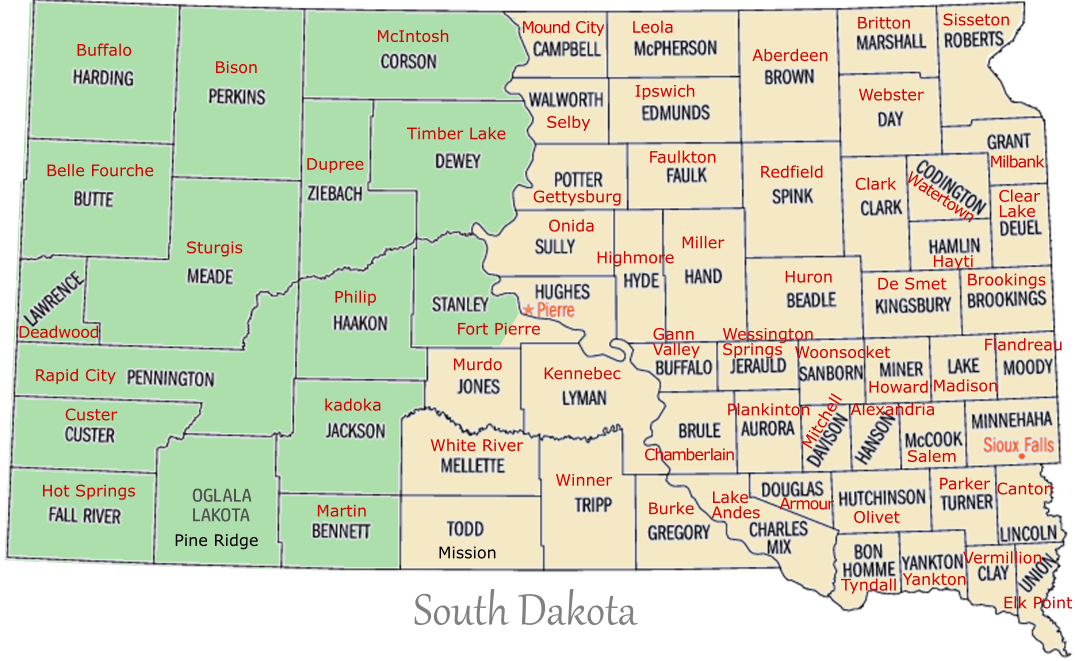
The western expanse of North Dakota, set in Mountain Time, is characterized by its dramatic badlands, historic frontier towns, and unparalleled natural beauty. This region is a paradise for outdoor enthusiasts and those seeking a glimpse into the rugged American West.
- Theodore Roosevelt National Park: This crown jewel of North Dakota is split into three units, with the most popular, the South Unit, being near Medora. Visitors can hike amidst colorful geological formations, spot bison and wild horses, and trace the footsteps of President Theodore Roosevelt. The less-visited North Unit near Watford City offers a more secluded wilderness experience. All park activities and visitor center operations run on Mountain Time, so proper time adjustment is essential for park entry and guided tours.
- Medora: This charming Old West town is the gateway to the South Unit of Theodore Roosevelt National Park and a destination in itself. Beyond the park, Medora is famous for the outdoor Medora Musical, a high-energy performance celebrating the legacy of Theodore Roosevelt and the Spirit of the Badlands. History buffs will enjoy the Chateau de Mores State Historic Site, offering a glimpse into frontier luxury. Given the popularity of the musical, ensuring your time is correctly set for showtimes is critical. Accommodation in Medora often includes rustic lodges and family-friendly resorts.
- Williston: Located in the heart of the Bakken oil region, Williston serves as a modern frontier town. While known for its economic activity, it also offers historical attractions like the nearby Fort Union Trading Post National Historic Site, a reconstructed fur trading post offering insights into 19th-century commerce and Native American relations. Williston operates on Mountain Time, aligning with its neighbors to the west.
In conclusion, North Dakota’s unique position spanning both the Central Time Zone and the Mountain Time Zone adds an interesting layer of complexity and charm to exploring the state. While it might require a bit more attention to detail in your planning, this geographical quirk ultimately contributes to the distinct character of the regions within. By being mindful of the time differences, especially when crossing the invisible boundary, travelers can ensure a seamless and enriching journey through this incredible state, experiencing its history, natural beauty, and vibrant culture without missing a beat. From the bustling streets of Fargo to the majestic badlands of Theodore Roosevelt National Park, North Dakota promises an unforgettable adventure, perfectly timed for every visitor.
LifeOutOfTheBox is a participant in the Amazon Services LLC Associates Program, an affiliate advertising program designed to provide a means for sites to earn advertising fees by advertising and linking to Amazon.com. Amazon, the Amazon logo, AmazonSupply, and the AmazonSupply logo are trademarks of Amazon.com, Inc. or its affiliates. As an Amazon Associate we earn affiliate commissions from qualifying purchases.