
Planning a trip to the magical city of Orlando, Florida? Whether you’re dreaming of thrilling theme park adventures, seeking luxurious resort stays, or immersing yourself in the vibrant local culture, getting the details right is crucial for a seamless experience. One fundamental, yet often overlooked, aspect of travel planning is understanding time zones. This guide will not only answer the direct question of “What time zone is Orlando, Fl?” but also delve into why this information is vital for travelers, explore the implications for your itinerary, and offer practical tips to help you navigate Orlando‘s temporal landscape.
Understanding Orlando’s Time Zone
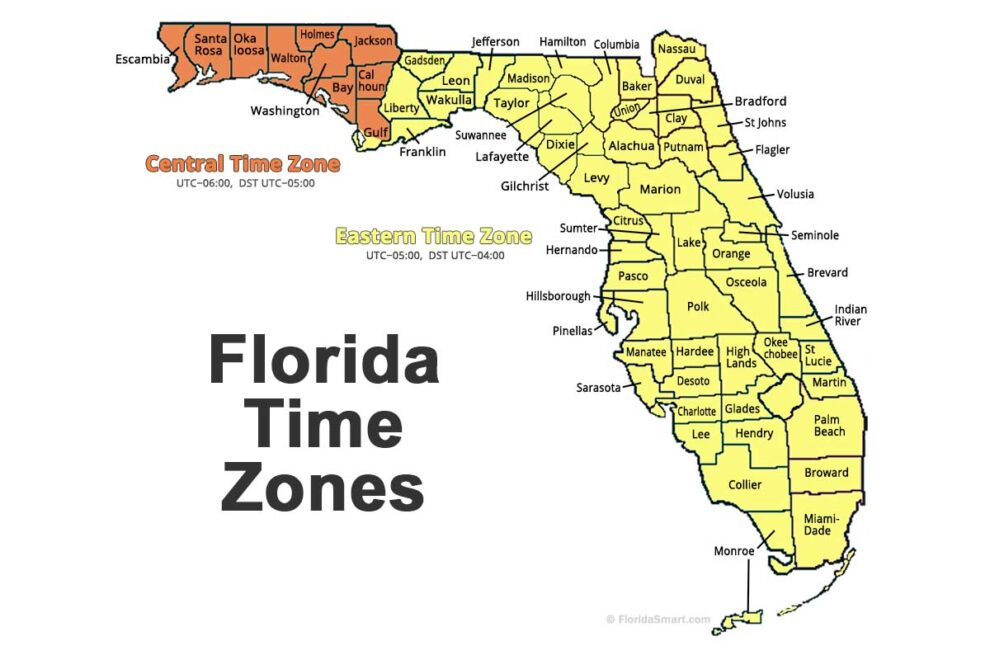
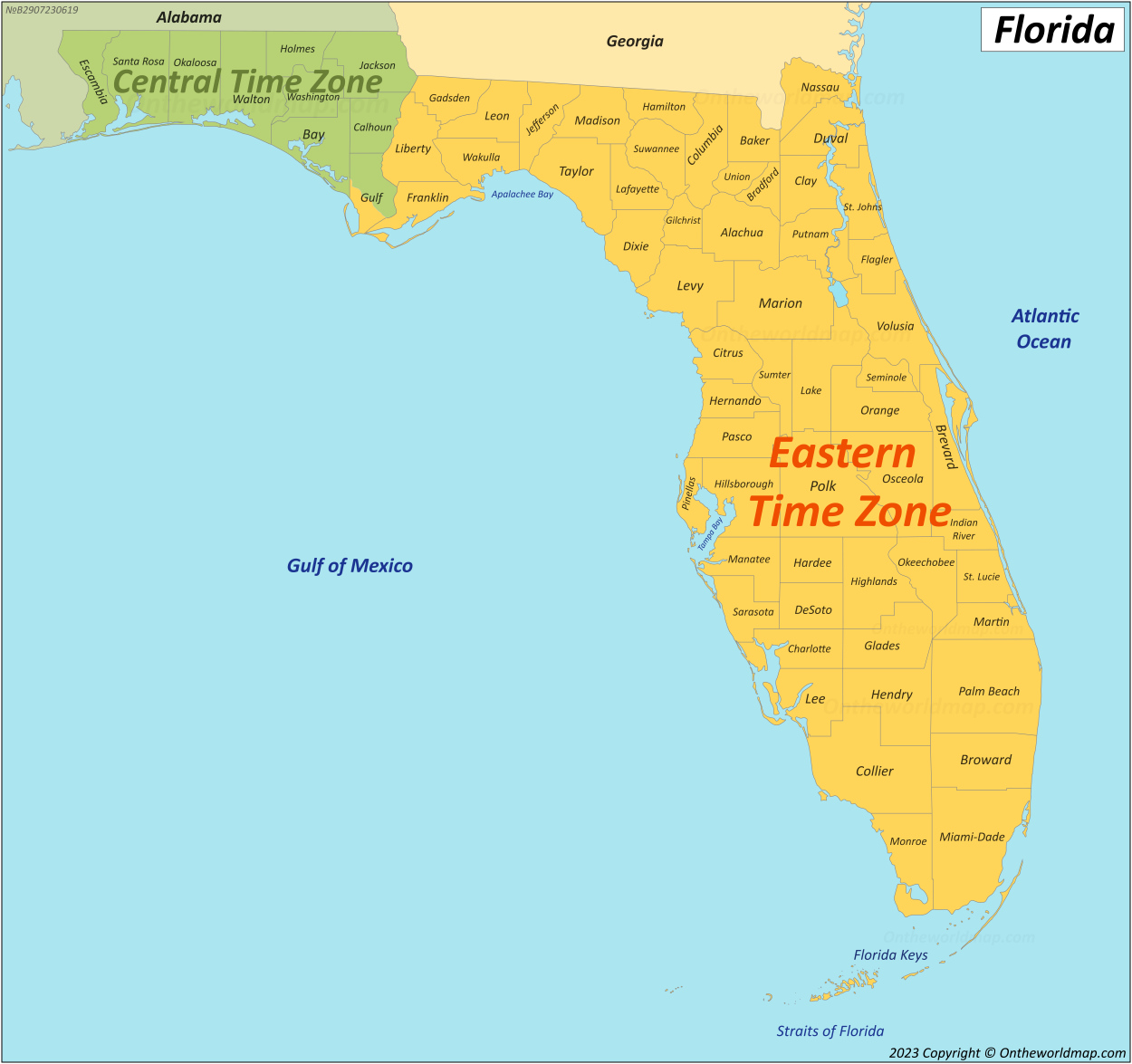
At its core, Orlando, Florida observes Eastern Standard Time (EST) during the winter months and transitions to Eastern Daylight Time (EDT) during the warmer months. This falls under the umbrella of the Eastern Time Zone (ET), which spans a significant portion of the eastern half of the United States. For travelers, this means that Orlando operates on the same clock as major cities like New York City, Washington D.C., and Atlanta.
The Eastern Time Zone is one of the most widely observed time zones in the United States, encompassing Florida, along with 16 other states and parts of two others. Its geographical reach makes it a significant reference point for national and international communication and commerce.
The Rationale Behind Time Zones
The concept of standardized time zones emerged to address the growing complexities of a rapidly industrializing and interconnected world. Before the widespread adoption of time zones, each town or city would often operate on its own local solar time. This created significant logistical challenges, especially with the advent of railroads, where scheduling trains across different locales became a chaotic endeavor.
The establishment of time zones, formalized in the early 20th century, brought order to this temporal anarchy. By dividing the globe into 24 zones, each roughly 15 degrees of longitude wide, the United States and other countries adopted a system that synchronized clocks across regions with similar solar times. This standardization is fundamental to modern life, enabling predictable scheduling for transportation, communication, business, and, of course, travel.
Eastern Standard Time (EST) vs. Eastern Daylight Time (EDT)
Orlando, like most of the United States, observes Daylight Saving Time (DST). This means that the clocks are typically set forward by one hour on the second Sunday in March and set back by one hour on the first Sunday in November.
- Eastern Standard Time (EST) is UTC-5. This is the time observed in Orlando during the fall and winter months, generally from November through March.
- Eastern Daylight Time (EDT) is UTC-4. This is the time observed in Orlando during the spring and summer months, generally from March through November.
This transition, while seemingly simple, can sometimes lead to confusion for travelers, particularly if they are arriving from or departing to regions that do not observe DST or that have different DST schedules. It’s always a good practice to double-check the current time and date relative to your departure and arrival points when planning international or cross-country travel.
Why Time Zone Matters for Your Orlando Trip
Understanding Orlando‘s time zone is far more than just a trivia point; it’s a critical component of successful travel planning. It directly impacts your itinerary, your ability to connect with others, and your overall enjoyment of your vacation.
Coordinating Your Itinerary
Imagine this: you’ve meticulously planned your visit to Walt Disney World Resort, with reservations for a character breakfast at Cinderella’s Royal Table at 8:00 AM. If you’re traveling from the Pacific Time Zone (which is three hours behind EST/EDT), a quick glance at your watch might lead you to believe you have ample time to enjoy a leisurely morning. However, without accounting for the time difference, you could find yourself rushing or even missing your coveted dining experience.
Similarly, booking flights, rental cars, and even dinner reservations requires precise temporal awareness. A flight departing Orlando at 3:00 PM EST/EDT might seem like an afternoon journey, but its arrival time at your destination will be significantly different if that destination is in a different time zone.
Staying Connected
For those traveling for business or needing to stay in touch with family and colleagues back home, knowing the time in Orlando relative to their location is essential. It helps avoid awkward middle-of-the-night calls or missed urgent messages. Whether you’re coordinating with a hotel concierge, a tour operator, or a loved one, being mindful of the time difference ensures smooth communication.
Maximizing Your Experiences
Orlando is renowned for its abundance of attractions that are best enjoyed during specific hours. The theme parks, such as Universal Studios Florida and SeaWorld Orlando, often have early morning openings and late-night shows. Knowing the local time helps you plan your arrival to take advantage of these peak periods and avoid the disappointment of missing out due to temporal miscalculation.
Furthermore, many restaurants in Orlando offer early bird specials or have specific dining hours. Understanding EST/EDT allows you to book tables that align with your preferred dining times and take advantage of any special offers. For those seeking a more relaxed lifestyle, perhaps at a tranquil villa or an upscale resort, knowing the local time ensures you can fully embrace the pace of Florida life without the stress of temporal confusion.
Business Travel Considerations
For business travelers, adherence to schedules is paramount. Meetings, conference calls, and flights must be coordinated precisely. Orlando hosts numerous conventions and business events throughout the year, and for international visitors or those from across the United States, understanding the Eastern Time Zone is a fundamental aspect of business etiquette and operational efficiency.
Navigating Time in Orlando: Practical Tips
Now that we’ve established the importance of Orlando‘s time zone, here are some practical tips to help you navigate it effectively:
Update Your Devices
The simplest and most effective way to stay on track is to ensure your smartphones, smartwatches, and other electronic devices are set to automatically update their time and time zone. Most modern devices do this by default when connected to a cellular network or Wi-Fi. Before you depart, make sure this feature is enabled. If you’re traveling internationally, be aware that your device might revert to the local time of your arrival airport, so it’s wise to manually check and set it to Orlando’s time zone (or your home time zone for reference) as needed.
Set Alarms for Key Events
Don’t rely solely on your device’s automatic timekeeping. For critical appointments like flight departures, theme park reservations, or hotel check-ins, set multiple alarms on your phone or watch. This provides an extra layer of security against oversleeping or missing an important event. Consider setting one alarm for the time you need to leave for your appointment, and another for the actual appointment time.
Familiarize Yourself with Common Time Zone Differences
If you’re traveling from a different time zone within the United States, familiarize yourself with the difference. For instance:
- Pacific Time Zone (PT) is 3 hours behind Eastern Time (ET).
- Mountain Time Zone (MT) is 2 hours behind ET.
- Central Time Zone (CT) is 1 hour behind ET.
If you’re traveling internationally, research the time difference between Orlando and your home country. Many online tools and apps can help you convert times easily.
Communicate Your Time Zone to Others
When coordinating with people back home or with local Orlando contacts, make it a habit to specify the time zone you are using. For example, instead of saying “Let’s talk at 2 PM,” say “Let’s talk at 2 PM EST” or “2 PM EDT.” This eliminates any ambiguity and ensures everyone is on the same page. This is especially important when discussing meeting times for tours or activities booked with local tourism operators.
Consider Jet Lag Management
If you are traveling from a significantly different time zone, you may experience jet lag. To mitigate this, try to adjust your sleep schedule gradually in the days leading up to your trip. Upon arrival in Orlando, expose yourself to natural sunlight during the day and try to stick to the local meal and sleep schedules as much as possible. This will help your body adjust to EST/EDT more quickly, allowing you to fully enjoy your vacation, whether it’s exploring iconic landmarks like ICON Park or enjoying the family-friendly atmosphere of Universal’s Islands of Adventure.
Book Accommodations with Awareness
When booking your accommodation, whether it’s a suite at the Grand Hyatt Hotel, an apartment for a longer stay, or a private villa, be aware of the check-in and check-out times, which will be based on Orlando‘s local time. Early check-in or late check-out requests should also be made with this in mind. This applies to all types of stays, from budget travel to luxury travel.

The Enduring Appeal of Orlando
Beyond the practicalities of time zones, Orlando, Florida remains a premier destination for a multitude of reasons. Its unparalleled concentration of world-class theme parks, including Walt Disney World Resort (encompassing Magic Kingdom, Epcot, Disney’s Hollywood Studios, and Disney’s Animal Kingdom), Universal Orlando Resort (Universal Studios Florida, Universal’s Islands of Adventure, and Volcano Bay), and SeaWorld Orlando, draws millions of visitors each year. The magic and excitement offered by these attractions are truly timeless.
But Orlando is more than just theme parks. The city boasts a rich tapestry of local culture, with diverse culinary scenes offering everything from authentic Florida cuisine to international delights. Shopping opportunities abound, from the high-end boutiques at The Mall at Millenia to the unique finds at Disney Springs. For nature enthusiasts, the surrounding areas offer opportunities for kayaking, airboat tours through the Everglades, and exploring the natural beauty of Central Florida.
The range of accommodation options caters to every taste and budget. From sprawling resorts with every amenity imaginable to cozy boutique hotels, family-friendly apartments, and secluded villas, finding the perfect place to stay is part of the Orlando experience. Reviews and comparison tools make booking straightforward, whether you’re planning a spontaneous weekend getaway or a meticulously organized family trip.
Landmarks in and around Orlando also contribute to its allure. While the theme parks are prominent, the city also offers historical sites, beautiful natural springs, and unique architectural marvels. The vibrant lifestyle scene, encompassing everything from thrilling experiences to relaxing getaways, ensures that Orlando has something to offer every traveler.
By understanding and accounting for its time zone, you can ensure that your journey to this dynamic city is as smooth and enjoyable as possible, allowing you to fully immerse yourself in all the wonders that Orlando, Florida has to offer. From the thrill of a roller coaster ride at Busch Gardens Tampa Bay (a popular day trip from Orlando) to the tranquility of a sunset stroll, the temporal rhythm of Orlando will be a subtle but essential part of your adventure.
LifeOutOfTheBox is a participant in the Amazon Services LLC Associates Program, an affiliate advertising program designed to provide a means for sites to earn advertising fees by advertising and linking to Amazon.com. Amazon, the Amazon logo, AmazonSupply, and the AmazonSupply logo are trademarks of Amazon.com, Inc. or its affiliates. As an Amazon Associate we earn affiliate commissions from qualifying purchases.