
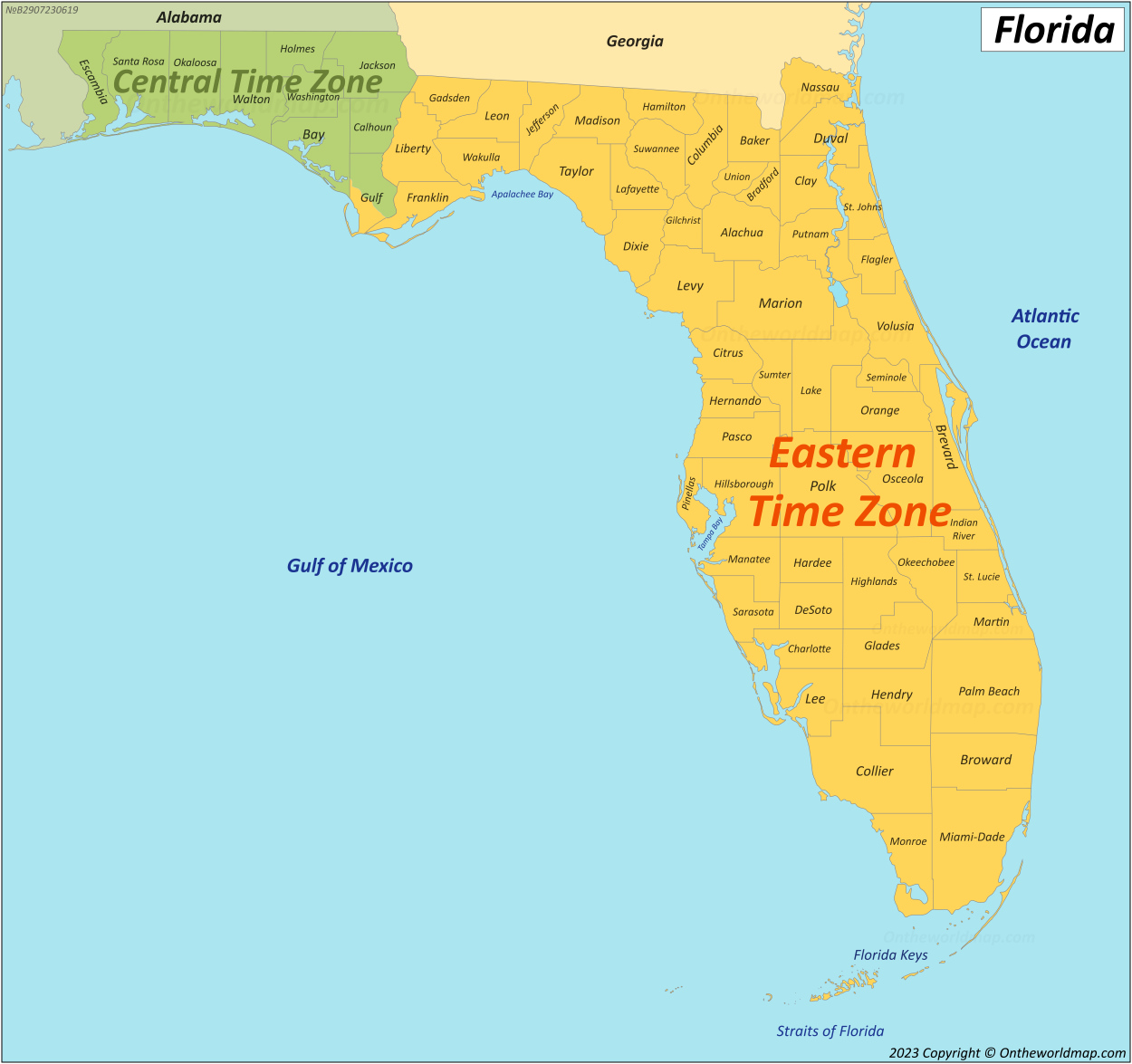
Orlando, Florida, a vibrant hub of tourism and entertainment in the USA, operates on Eastern Time (ET). This seemingly simple fact is a crucial detail for anyone planning a visit, considering a relocation, or conducting business with this dynamic city. Understanding Orlando’s time zone goes beyond mere curiosity; it’s a foundational piece of information that influences everything from flight schedules and hotel check-in times to theme park strategies and dining reservations. For travelers arriving from different parts of the world or even across the USA, grasping this concept is essential for a smooth and enjoyable experience, minimizing potential disruptions like jet lag and ensuring every precious moment of their trip is maximized.
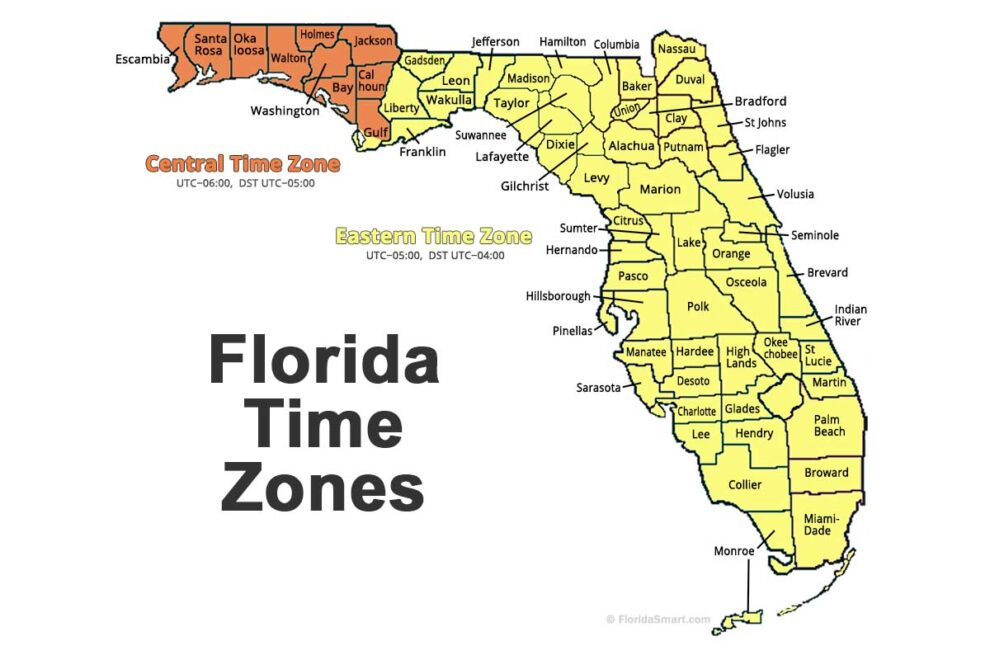
In the realm of travel, hotels, and tourism, time is not just a dimension; it’s a currency. Missed connections, late arrivals, or simply misjudging the timing of a show can significantly impact the quality of a vacation or business trip. This comprehensive guide will delve into the intricacies of Orlando’s time zone, exploring how it directly affects your travel plans, accommodation bookings, sightseeing adventures, and overall lifestyle considerations in the “Theme Park Capital of the World.”
Understanding Orlando’s Time Zone: EST and EDT
To fully appreciate the implications of Orlando’s time zone, it’s important to understand the two facets of Eastern Time: Eastern Standard Time (EST) and Eastern Daylight Time (EDT). Like much of the USA, Florida observes Daylight Saving Time, meaning the local time shifts twice a year.
The Basics of Eastern Time
Eastern Standard Time (EST) is observed during the fall and winter months. It is five hours behind Coordinated Universal Time (UTC-5). This means that when it’s noon UTC, it’s 7:00 AM in Orlando. Geographically, Eastern Time covers the easternmost states of the USA and Canada, as well as some Caribbean nations. Its position along the Atlantic Ocean coast naturally places it among the earliest time zones in North America.
Daylight Saving Time in Florida
From spring through early fall, Orlando switches to Eastern Daylight Time (EDT), which is four hours behind Coordinated Universal Time (UTC-4). This shift occurs typically on the second Sunday in March, when clocks “spring forward” one hour, and reverts on the first Sunday in November, when clocks “fall back” one hour. The primary purpose of Daylight Saving Time is to make better use of daylight, providing more evening daylight during warmer months. For tourists, this means that those long summer evenings at Walt Disney World Resort or Universal Orlando Resort are even longer, allowing for more time to enjoy attractions and outdoor activities before sunset. It’s crucial for travelers to be aware of these transitions, especially if their trip overlaps with the changeover dates, to avoid missing flights or appointments. Always double-check local times, particularly when booking travel or making reservations months in advance.
Navigating Travel and Logistics in Orlando
The time zone directly impacts every logistical aspect of your journey to and within Orlando. From the moment you search for flights to the daily rhythm of your stay, awareness of ET is paramount.
Flights, Arrivals, and Departures
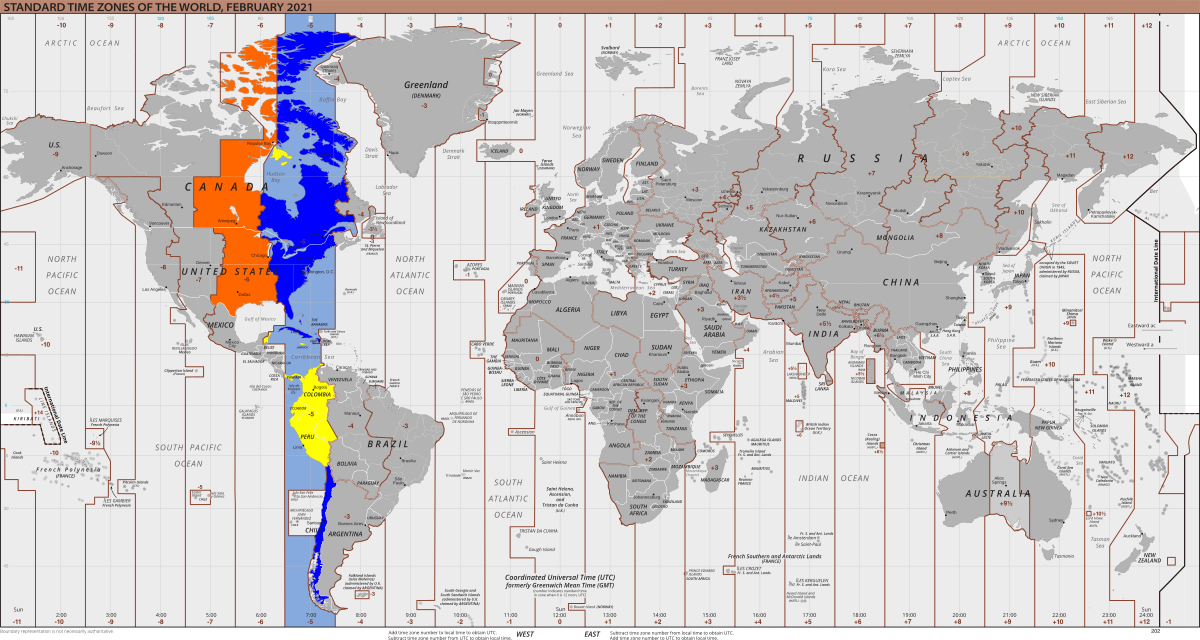
For travelers arriving at Orlando International Airport (MCO) or Sanford International Airport, understanding time differences is the first step in avoiding travel headaches. If you’re flying from Los Angeles (on Pacific Time, 3 hours behind ET), a 9 AM flight departure might mean landing in Orlando in the late afternoon or early evening local time, effectively “losing” several hours of your day. Conversely, flying west means “gaining” hours.
Jet lag is a significant consideration, especially for those crossing multiple time zones from places like Europe or Asia. Arriving from London (which observes Greenwich Mean Time/British Summer Time, 5-6 hours ahead of ET), can mean feeling disoriented for a day or two. Strategies to combat jet lag, such as adjusting sleep schedules gradually before departure, hydrating well on the flight, and exposing yourself to natural daylight upon arrival, become more critical. For those on business trips, especially, managing jet lag effectively ensures productivity from day one.
When planning departures, factor in not just the flight time but also the time difference at your destination. Confirming check-in times for your return flight in Orlando’s local time ensures you arrive at the airport with ample time.
Hotel Stays and Accommodation Planning
The time zone plays a direct role in your accommodation experience, whether you’re staying in a luxury resort, a budget-friendly suite, an apartment rental, or a spacious villa in areas like Kissimmee or Lake Buena Vista. Most hotels enforce a strict check-in time, typically in the afternoon (e.g., 3 PM or 4 PM ET), and a check-out time in the morning (e.g., 10 AM or 11 AM ET). If your flight lands early in the morning, you might face a wait before your room is ready, which can be challenging after a long journey. Conversely, a late afternoon flight might mean a few hours to kill after checking out.
Many resorts offer amenities like early check-in or late check-out options, sometimes for a fee, which can be invaluable for aligning your stay with your travel schedule. When booking, always confirm these times in Orlando’s local time. If using online travel agencies, ensure their booking interfaces correctly display local times to avoid miscalculations. For long-term stays in self-catering apartments or villas, coordinating arrival and key pickup times with property managers becomes critical, especially if they operate on a different schedule. Comparing various accommodation options, looking at reviews, and understanding their flexibility regarding check-in/check-out can significantly enhance your trip.
Maximizing Your Orlando Tourism Experience
Orlando is globally renowned for its tourism, with iconic landmarks that define family vacations and thrilling adventures. The time zone dictates the rhythm of these experiences, from the opening of park gates to the final fireworks display.
Theme Park Strategies and Show Times
The world-famous theme parks, including Walt Disney World Resort (Magic Kingdom, Epcot, Disney’s Hollywood Studios, Disney’s Animal Kingdom), Universal Orlando Resort (Universal Studios Florida, Universal’s Islands of Adventure, Volcano Bay), and SeaWorld Orlando, all operate strictly on Eastern Time. Park opening hours, show schedules, parade times, and firework displays are all listed in ET. Missing a critical show like the “Happily Ever After” fireworks at Magic Kingdom because of a time zone miscalculation would be a significant disappointment.
Smart travelers leverage this knowledge. Early park entry perks, often available to resort guests, mean utilizing the first hour or two when crowds are thinner. Knowing the exact opening time in ET allows you to be at the gates, ready to queue. Similarly, booking advance dining reservations (ADRs) at Disney or priority seating at Universal requires careful adherence to the local time slots. Many popular restaurants book up months in advance, so being ready to book exactly when your reservation window opens (e.g., 60 days out at 7 AM ET for Walt Disney World Resort) is crucial.
Beyond the major theme parks, other attractions like LEGOLAND Florida Resort or the Kennedy Space Center Visitor Complex also adhere to Eastern Time. Always check their official websites for the most up-to-date operating hours, remembering to account for seasonal changes and Daylight Saving Time adjustments.
Dining and Entertainment Schedules
Orlando’s diverse culinary scene and vibrant nightlife also follow the Eastern Time schedule. Whether you’re planning a fine dining experience along International Drive, a casual meal in downtown Orlando, or a character breakfast at a resort, all reservation times are local. For visitors from time zones far to the west, an 8 PM dinner reservation might feel like 5 PM or 6 PM their home time, which could be an advantage for early diners. Conversely, those from Europe might find themselves eating dinner later than their usual schedule.
Local culture and food experiences are heavily time-dependent. Farmer’s markets, festivals, and special events all have specific start and end times. Nightlife, including live music venues, bars, and clubs, generally operate later into the evening according to ET. Planning your activities means not just knowing what you want to do, but when you can do it within the local timeframe. Tipping practices, local etiquette, and even the pace of life in Orlando are intertwined with the rhythm of the Eastern Time zone.
Lifestyle and Business Considerations
Beyond the tourist bubble, Orlando’s time zone has broader implications for lifestyle, particularly for those considering a long-term stay, remote work, or business ventures.
Adjusting to the Local Rhythm
For new residents or long-term visitors, fully adjusting to Eastern Time is part of immersing oneself in the Orlando lifestyle. Daily routines, from morning commutes to evening social engagements, are dictated by the local clock. Groceries stores, banks, government offices, and local businesses all operate on ET. This is especially important for families with children, whose sleep and eating schedules might need careful adjustment to align with school or daycare hours.
Even for leisure, understanding the local rhythm enhances the experience. Waking up with the Orlando sun, enjoying breakfast at a local café, and planning your day around the natural light cycles and local operating hours can make your trip feel more authentic. Florida’s position in Eastern Time means relatively early sunrises and sunsets compared to locations further west, which can influence outdoor activities like golf, beach trips to nearby St. Petersburg or Tampa, or enjoying the numerous natural parks.
Business Travel and Remote Work
For business travelers or those working remotely from Orlando, the time zone presents both opportunities and challenges. While it aligns well with major business hubs on the East Coast like New York City and Miami, it can create a significant time difference with colleagues on Central Time (Chicago, Houston), Mountain Time, or Pacific Time (Los Angeles). Scheduling calls and meetings requires careful coordination. A 9 AM meeting in Orlando is a 6 AM start for a colleague in Los Angeles, or a 3 PM meeting for someone in London.
For digital nomads or those considering an extended stay, Orlando’s time zone offers a good balance for communicating with both North American and European markets. However, the time difference with Asia can be substantial, often requiring late-night or early-morning calls. When planning a business stay, factoring in these time zone implications for client meetings, team collaborations, and general communication is crucial for maintaining productivity and work-life balance. Access to reliable internet and comfortable co-working spaces or hotel business centers also plays a role in facilitating a seamless work experience.
Essential Tips for a Seamless Orlando Trip
To ensure your Orlando vacation or business trip is as smooth and enjoyable as possible, keep these time-zone-related tips in mind:
- Set Your Devices to Local Time Immediately: As soon as you land, update your phone, watch, and other devices to Orlando’s Eastern Time. Most smartphones do this automatically, but a manual check can prevent confusion.
- Confirm All Bookings in ET: Double-check flight times, hotel check-in/out, car rental pickups, restaurant reservations, and attraction entry times, ensuring they are all understood in Eastern Time. Print out or save digital copies of your itinerary with local times clearly marked.
- Factor in Jet Lag: Allow yourself a buffer day if traveling from a significantly different time zone, especially for family trips or those on a strict schedule. Plan lighter activities for your first day to aid adjustment.
- Stay Hydrated and Adjust Sleep: Drink plenty of water and try to expose yourself to natural light during the day to help reset your internal clock. Avoid heavy meals and excessive caffeine close to bedtime.
- Be Aware of Daylight Saving Time Shifts: If your trip falls in March or November, confirm whether the time has changed. Websites and apps usually update automatically, but it’s wise to be vigilant.
- Communicate Clearly for Remote Work/Business: When collaborating across time zones, always specify the time zone for meetings (e.g., “3 PM ET”) to avoid any ambiguity. Use online scheduling tools that automatically convert times.
In conclusion, while “What Time Zone Is Orlando?” might seem like a straightforward question, its answer – Eastern Time, alternating between EST and EDT – holds a wealth of implications for travelers, residents, and businesses alike. By understanding and planning around this fundamental aspect, visitors can navigate the magical world of Orlando with ease, ensuring every moment of their journey is enjoyed to the fullest, free from the stress of temporal confusion.
LifeOutOfTheBox is a participant in the Amazon Services LLC Associates Program, an affiliate advertising program designed to provide a means for sites to earn advertising fees by advertising and linking to Amazon.com. Amazon, the Amazon logo, AmazonSupply, and the AmazonSupply logo are trademarks of Amazon.com, Inc. or its affiliates. As an Amazon Associate we earn affiliate commissions from qualifying purchases.