
Planning a trip to the sun-drenched shores of Panama City, Florida? Whether you’re dreaming of pristine beaches, vibrant nightlife, or family-friendly attractions, understanding the local time zone is a foundational piece of your travel puzzle. It’s not just about knowing what time to set your watch; it impacts everything from flight schedules and hotel check-ins to dining reservations and daily activity planning. For a destination like Panama City, Florida, which sits in a unique geographical position within the state, this knowledge becomes even more crucial.
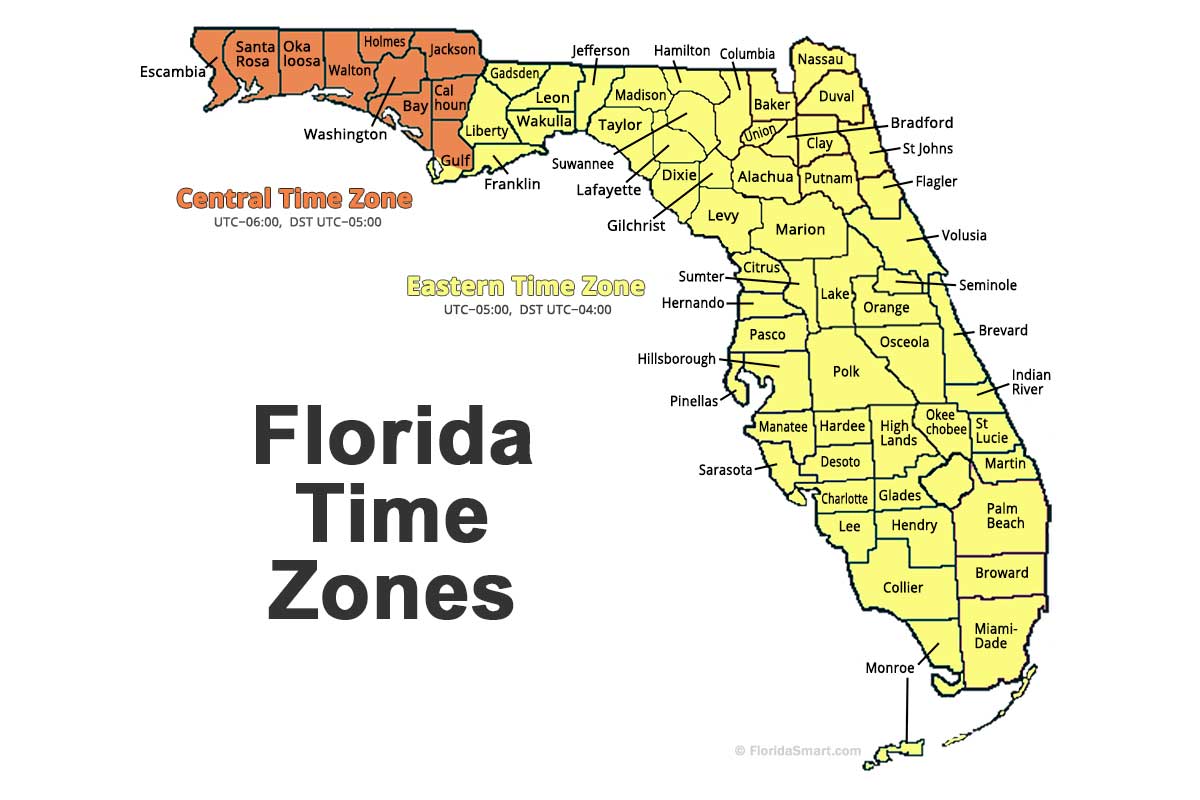
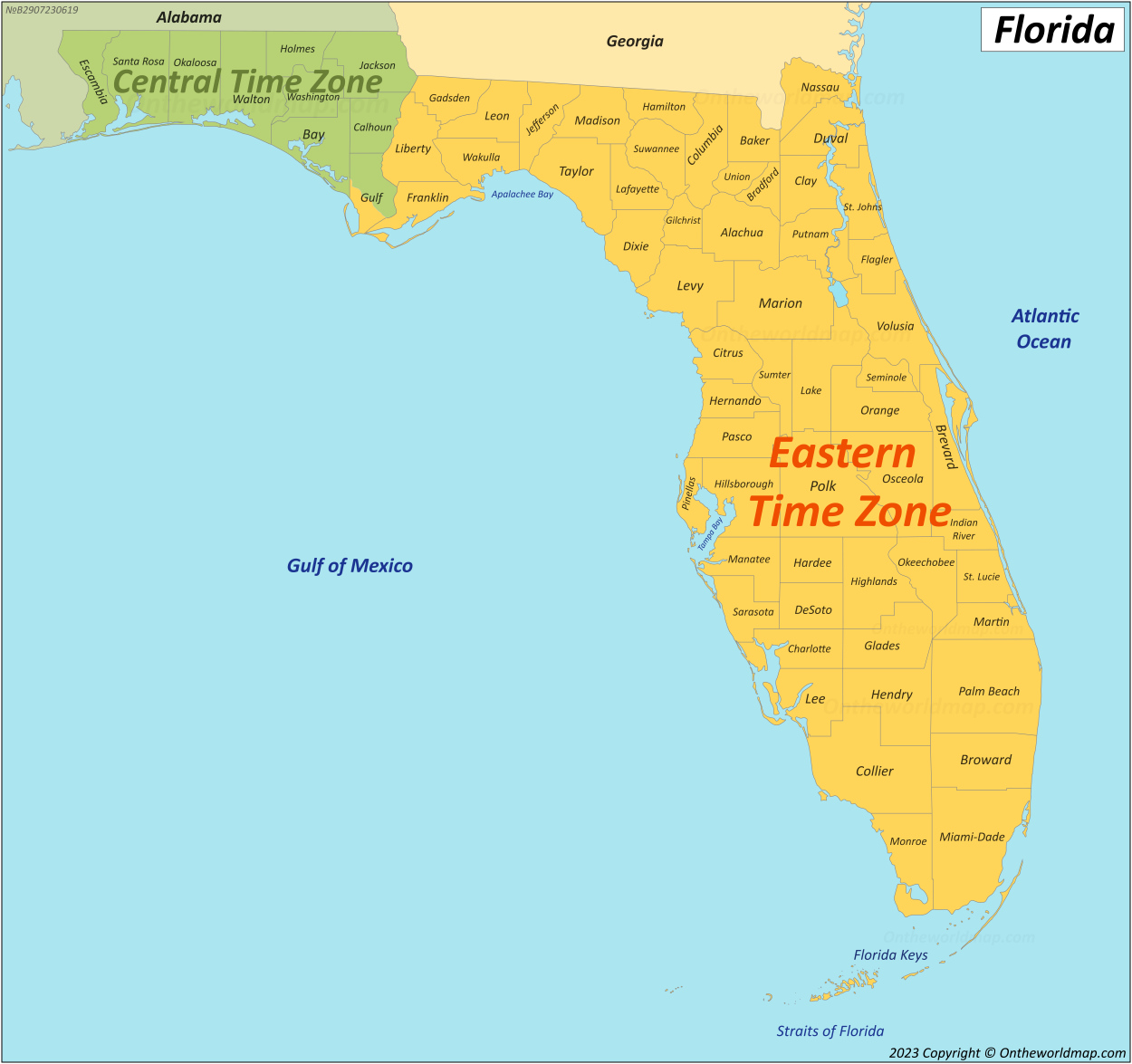
To answer directly: Panama City, Florida observes the Central Time Zone. This means during standard time, it operates on Central Standard Time (CST), which is UTC-6. When Daylight Saving Time is in effect, it switches to Central Daylight Time (CDT), which is UTC-5. This distinction is vital because much of the rest of Florida operates on the Eastern Time Zone, making Panama City, Florida one of the few exceptions in the state that adheres to the central clock.
This often surprises visitors who assume the entire state of Florida is on Eastern Time. While the majority of Florida, including popular destinations like Orlando and Miami, follows Eastern Standard Time (EST) or Eastern Daylight Time (EDT), the panhandle region where Panama City, Florida is located, aligns with the Central Time Zone. This unique geographical and chronological split necessitates careful attention when planning your visit, especially if you’re traveling across state lines or within Florida itself.
Understanding Time Zones: A Traveler’s Essential Guide
Navigating the complexities of time zones is more than just a minor detail; it’s a fundamental aspect of efficient and enjoyable travel. For visitors heading to Panama City, Florida, understanding its specific time zone is paramount to a stress-free experience, affecting everything from your initial booking to your daily itinerary.
Panama City, Florida’s Place on the Map
Panama City, Florida is nestled along the stunning Gulf Coast in the northwestern part of the state, an area often referred to as the Florida Panhandle. This region’s proximity to neighboring states like Alabama and Georgia, which predominantly operate on the Central Time Zone, logically influences its own time designation. The time zone boundary within Florida generally follows the Apalahicola River, with areas west of the river, including Panama City, Florida and Pensacola, observing Central Time, while areas to the east, such as the state capital Tallahassee, are on Eastern Time.
This geographical alignment means that when you cross the time zone line, you literally “lose” or “gain” an hour, depending on your direction of travel. For instance, if you’re driving from Jacksonville (EST) to Panama City, Florida (CST), you’ll need to turn your clock back an hour as you enter the Central Time Zone. This seemingly small detail can have significant implications for meeting appointment times, catching flights, or simply enjoying the sunset. The consistency with the Central Time Zone also aligns Panama City, Florida with a vast swathe of the United States that spans from Texas to Illinois, and extends into parts of Canada and Mexico. This can simplify communication for travelers whose home base is also in the Central Time Zone.
The Dynamics of Daylight Saving Time
The observance of Daylight Saving Time adds another layer of complexity to time management in Panama City, Florida. Like most of the United States, Florida participates in DST, meaning clocks are adjusted forward by one hour in the spring and back by one hour in the fall.
- Spring Forward: On the second Sunday in March, Panama City, Florida switches from Central Standard Time (CST, UTC-6) to Central Daylight Time (CDT, UTC-5). This change provides an extra hour of daylight in the evenings, perfect for enjoying the beaches and outdoor activities.
- Fall Back: On the first Sunday in November, the clocks move back, returning to Central Standard Time (CST). This marks the end of Daylight Saving Time and brings earlier sunrises.
For travelers, being aware of these shifts is vital. A flight booked for “noon” could be an hour earlier or later depending on whether DST is in effect and whether your originating city also observes it. Similarly, attraction opening hours or sunset dolphin cruise departures will reflect these changes. Always confirm times in “local time” for your destination, especially when booking anything weeks or months in advance, as the DST transition dates might fall within your travel window. Missing this detail could lead to missed connections, late arrivals, or simply unnecessary stress during what should be a relaxing getaway.
Why Time Zones Matter for Your Panama City, Florida Trip
The seemingly simple concept of a time zone takes on profound importance when planning a trip. For a vibrant travel destination like Panama City, Florida, its Central Time Zone status influences numerous aspects of a visitor’s experience, from the moment they book their flight to the last souvenir they purchase. Understanding these implications is key to unlocking a seamless and memorable vacation or productive business stay.
Seamless Travel Planning and Logistics
Effective time zone management begins long before you even set foot on the white sands of Panama City, Florida. It’s integral to the entire logistics chain of travel.
- Flights and Transportation: When booking flights into Northwest Florida Beaches International Airport (ECP), all arrival and departure times will be listed in local Central Time. If you’re flying from an Eastern Time Zone city like Atlanta or Charlotte, your actual flight duration will feel an hour longer than the elapsed time displayed on your ticket, as you “gain” an hour upon arrival. Conversely, leaving Panama City, Florida for an Eastern Time Zone destination will make your flight seem an hour shorter. This also applies to ground transportation like shuttle services or rental car pickups and drop-offs. Being an hour off can mean missing a connection or incurring late fees.
- Accommodation Check-ins and Check-outs: Hotels, resorts, apartments, and villas in Panama City, Florida will operate strictly on Central Time. Arriving an hour late for your check-in, or worse, leaving an hour early for your check-out, can lead to unnecessary complications. This is especially true for long-term stays or specific arrangements like early check-in or late check-out. Confirming all booking times in local Panama City, Florida time is a simple yet crucial step.
- Connecting with Loved Ones: For family trips or business stays, communicating with people back home or in different locations is essential. If your family lives in the Eastern Time Zone, remember that Panama City, Florida is an hour behind. A “good morning” call at 9 AM in Panama City, Florida is already 10 AM for them. This seemingly minor detail can affect coordination, especially for urgent matters or simply scheduling a video call with the kids.
- Business Stays: For business travelers, precision is paramount. Meetings, conference calls, and deadlines are all governed by specific time zones. Failing to account for the Central Time Zone in Panama City, Florida could lead to missed appointments or delays in critical tasks, impacting the success of your business objectives.
Maximizing Your Tourism and Local Experiences
The heart of any trip lies in experiencing the destination. In Panama City, Florida, accurate timekeeping is fundamental to enjoying its rich local culture, diverse activities, and stunning landmarks.
- Attraction Opening Hours: Whether you’re planning a visit to the natural beauty of St. Andrews State Park, exploring the shops and entertainment at Pier Park, or delving into marine life at Gulf World Marine Park, all opening and closing times are listed in local Central Time. Arriving an hour too early or too late can disrupt your plans, especially if you have a packed itinerary. This is particularly important for timed entry attractions or seasonal operating hours.
- Restaurant Reservations and Dining: Panama City, Florida boasts a fantastic culinary scene. If you’ve made a reservation at a popular restaurant for a specific time, ensure your internal clock and all your devices reflect the correct local time to avoid missing your table, especially during peak season when bookings are competitive.
- Activities and Excursions: From deep-sea fishing charters and dolphin tours to jet ski rentals and parasailing, most of Panama City, Florida’s exciting activities operate on strict schedules. Missing your departure time means missing out on the experience and potentially losing your booking fee. Always confirm the meeting time and location in local Central Time.
- Special Events and Festivals: Panama City, Florida hosts numerous events throughout the year, from live concerts to seafood festivals. All advertised start and end times for these local happenings will be in Central Time. Being in sync with the local clock ensures you don’t miss any of the fun or unique cultural experiences the city has to offer. This applies to various travel styles too; whether on a luxury trip enjoying exclusive events or a budget travel adventure seeking free entertainment, timing is everything.
Health and Well-being: Battling Jet Lag
Even within the United States, crossing time zones can induce a mild form of jet lag, especially for those accustomed to the Eastern Time Zone. While not as severe as international jet lag, the one-hour difference can still affect your sleep patterns, energy levels, and overall health and well-being during the initial days of your trip.
- Adjustment Period: Your body’s internal clock (circadian rhythm) might need a day or two to fully adjust to the one-hour shift. This can manifest as feeling tired earlier in the evening or waking up an hour before you intended.
- Mitigation Strategies: To minimize the impact, try to adjust your sleep schedule gradually a few days before your trip. Once you arrive, embrace the local time immediately: eat meals at local times, expose yourself to natural light during the day, and try to go to bed at a reasonable local hour. Staying hydrated and avoiding excessive caffeine or alcohol can also help your body adapt more smoothly. For family trips, ensuring children adjust well can be key to a harmonious vacation.
Practical Tips for Managing Time Zones in Panama City, Florida
To ensure your visit to Panama City, Florida is as smooth and enjoyable as possible, here are some practical tips for managing time zone differences:
- Set Your Devices to Automatic Time: Modern smartphones, laptops, and smartwatches are usually set to automatically update their time zone based on your location. Ensure this feature is enabled before you travel. This is the simplest way to keep your personal devices in sync with local Central Time.
- Double-Check All Bookings in Local Time: When making reservations for flights, hotels, activities, or dining, always confirm the scheduled times are in “local Panama City, Florida time” or Central Time. Don’t assume. Print out confirmations that clearly state the time zone.
- Use a World Clock or Time Zone Converter: Before and during your trip, utilize online world clock tools or time zone converter apps. These can be incredibly helpful for visualizing time differences, especially if you’re coordinating with people in multiple time zones.
- Communicate Clearly: When discussing plans with tour operators, hotel staff, or travel companions, explicitly state “Central Time” or “local time” to avoid any ambiguity. This is particularly important for business stays where precision is critical.
- Adjust Gradually: If you’re sensitive to time changes, try to shift your schedule by 15-30 minutes each day leading up to your trip. Upon arrival, immerse yourself in the local rhythm: eat meals and go to bed at times that align with Central Time.
- Be Aware of Daylight Saving Time: Always know whether Daylight Saving Time is in effect during your travel dates. This annual shift can catch travelers off guard if they aren’t expecting it.
In conclusion, while the question “What Time Zone Is Panama City, Florida In?” has a straightforward answer – the Central Time Zone – its implications for your travel experience are far-reaching. From the moment you begin planning your trip and booking your accommodation, to exploring the diverse attractions and enjoying the local lifestyle, understanding and respecting the local time is a cornerstone of a successful and stress-free visit. By being mindful of this crucial detail, you can ensure your Panama City, Florida adventure unfolds exactly as you envisioned, allowing you to fully immerse yourself in the beauty and excitement of this incredible Gulf Coast destination. Happy travels, and enjoy every moment of your journey, perfectly timed!
LifeOutOfTheBox is a participant in the Amazon Services LLC Associates Program, an affiliate advertising program designed to provide a means for sites to earn advertising fees by advertising and linking to Amazon.com. Amazon, the Amazon logo, AmazonSupply, and the AmazonSupply logo are trademarks of Amazon.com, Inc. or its affiliates. As an Amazon Associate we earn affiliate commissions from qualifying purchases.