
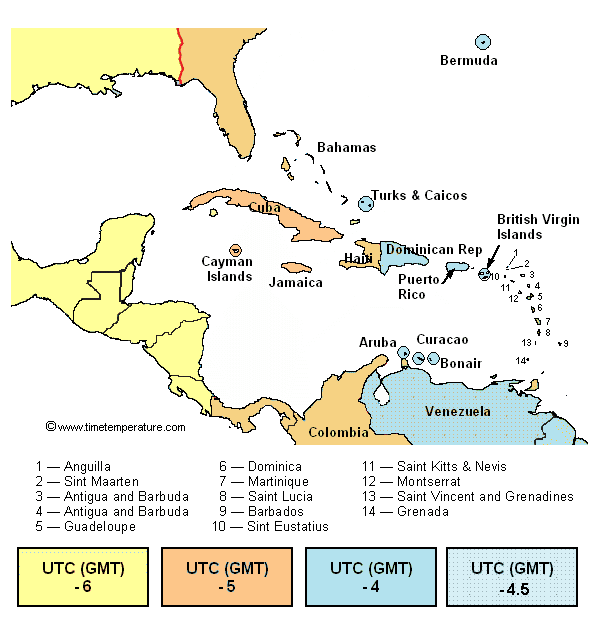
For travelers embarking on an adventure to the vibrant shores of Puerto Rico, one of the initial logistical questions that often arises pertains to the local time. Understanding the time zone is not just a matter of setting your watch; it’s crucial for seamless travel planning, from booking flights and accommodation to coordinating tours and immersing yourself in the local rhythm. Puerto Rico, a stunning Caribbean gem, operates year-round on Atlantic Standard Time (AST), which is UTC-4. This consistent time zone means that, unlike many other destinations, Puerto Rico does not observe Daylight Saving Time (DST). For visitors from the United States mainland, particularly those accustomed to adjusting clocks twice a year, this fixed schedule offers a refreshing simplicity that aids in travel preparation and helps mitigate the disruptive effects of jet lag.
Whether you’re planning a luxurious escape to a beachfront resort, a family-friendly trip exploring historical landmarks, or a budget-conscious adventure savoring local cuisine, knowing Puerto Rico’s time zone is your first step towards an organized and enjoyable experience. This guide will delve into the specifics of AST, its implications for various aspects of your journey, and offer practical tips to ensure your time in Puerto Rico is as smooth and enriching as possible, aligning perfectly with the diverse travel, hotel, tourism, accommodation, landmarks, and lifestyle offerings detailed across this platform.
Understanding Atlantic Standard Time (AST)
The heart of understanding Puerto Rico’s time zone lies in grasping the fundamentals of Atlantic Standard Time (AST) and how it compares to other commonly used time zones, especially within the context of United States travel.
What is AST?
Atlantic Standard Time (AST) is defined as four hours behind Coordinated Universal Time (UTC-4). This designation places it ahead of Eastern Standard Time (EST) by one hour. For travelers from the Eastern Time Zone, this means a relatively minor shift upon arrival. However, the key distinction for AST, and specifically for Puerto Rico, is its steadfast non-observance of Daylight Saving Time. This means that while many parts of the United States and other countries spring forward in March and fall back in November, Puerto Rico’s clocks remain constant.
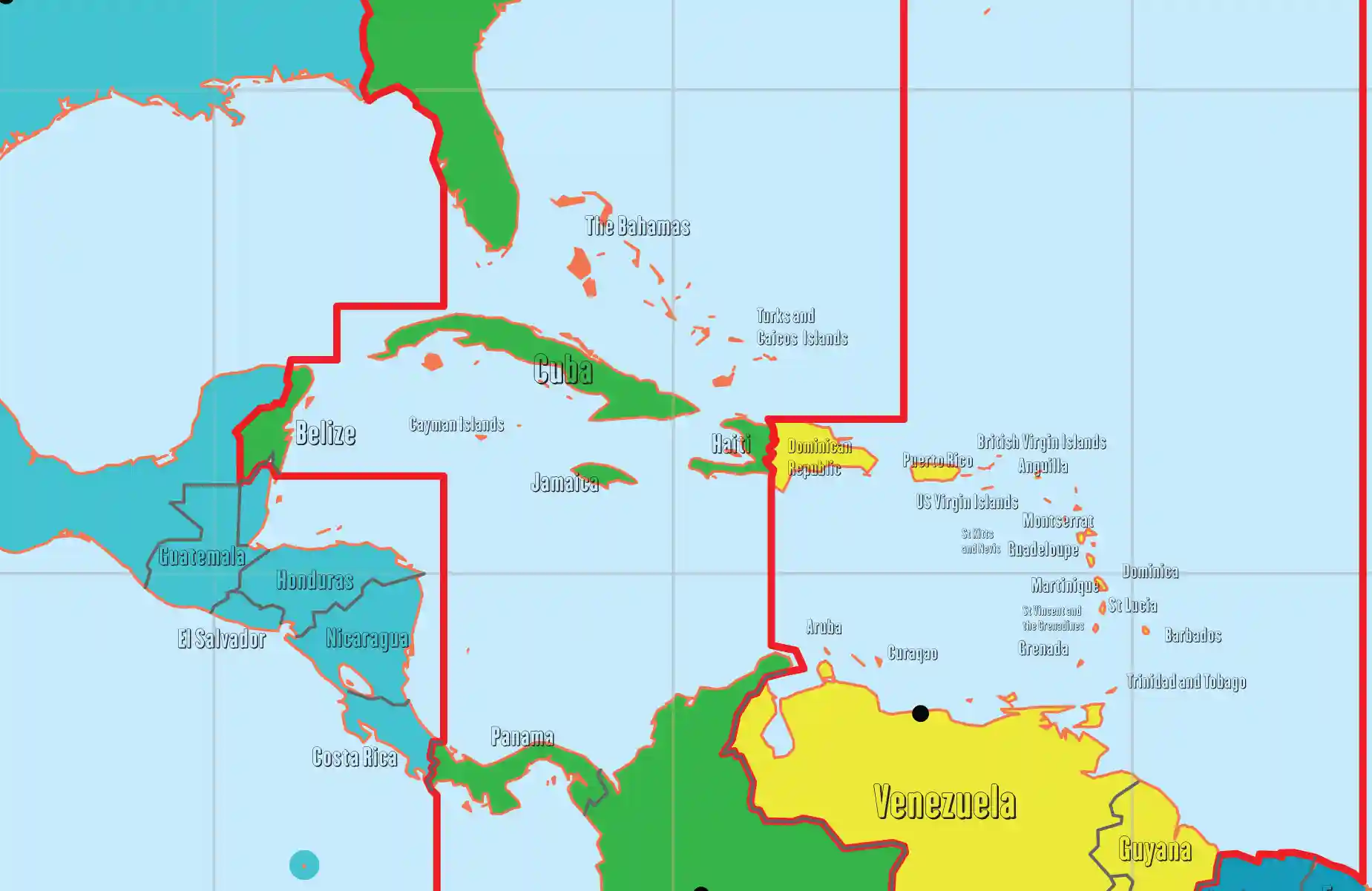
During the periods when Eastern Standard Time (EST) is in effect (roughly November to March), Puerto Rico is one hour ahead of EST. For example, if it’s 10:00 AM EST, it’s 11:00 AM AST in Puerto Rico. However, when Eastern Daylight Time (EDT) is observed (roughly March to November), both Puerto Rico and the Eastern Time Zone are aligned. This is because EDT is also UTC-4, effectively matching AST. So, if it’s 10:00 AM EDT, it’s also 10:00 AM AST in Puerto Rico. This seasonal synchronization with a major segment of the US mainland simplifies travel planning during the warmer months, which coincide with peak tourism season. This consistent approach to time makes planning your travel itinerary, from arrival to departure, straightforward, minimizing potential confusion that often accompanies time zone changes.
Geographical Context and Implications for Travelers
Puerto Rico’s geographical position in the northeastern Caribbean Sea dictates its time zone. Located between the United States Virgin Islands and the Dominican Republic, the island experiences earlier sunrises and sunsets compared to locations further west. For visitors, especially those on extended vacations, adapting to this rhythm can be an enjoyable part of the cultural experience. The early morning light invites exploration, while the early evenings offer spectacular sunsets and the perfect ambiance for evening dining or enjoying the vibrant nightlife.
The implications for travelers primarily revolve around adjusting to this one-hour difference for most of the year (during EST) and the convenience of no change during EDT. For those arriving from the Central, Mountain, or Pacific Time Zones, the time difference will be more significant (2, 3, or 4 hours ahead of their home time, respectively, during the non-DST period for EST). This requires a bit more foresight to manage potential jet lag, which can impact your initial days on the island. Practical tips for mitigating jet lag include adjusting your sleep schedule gradually before departure, staying hydrated during your flight, and seeking natural light upon arrival to help reset your body’s internal clock. Planning less strenuous activities for your arrival day can also help you ease into the local time and vibrant atmosphere.
Planning Your Trip: Time Zones and Travel Logistics
Successfully navigating your Puerto Rico getaway involves more than just selecting a destination; it’s about meticulous planning that considers every detail, including the local time. From the moment you book your flight to the last farewell, the AST time zone will play a subtle yet significant role.
Flights and Connections
Booking flights to Puerto Rico requires careful attention to arrival and departure times, particularly if you have connecting flights. Most international and mainland United States flights arrive at Luis Muñoz Marín International Airport (SJU) in San Juan. When reviewing your itinerary, always confirm whether the times listed are in local time or your originating time zone to avoid any missed connections or unnecessary airport waits. Airlines typically provide times in local zones for each segment of your journey, but a double-check is always prudent.
For those traveling through multiple time zones, especially from the western United States, the cumulative effect of time differences can make arrival feel disorienting. For instance, a flight departing from Los Angeles (Pacific Time) arriving in San Juan would experience a four-hour time jump when EDT is not in effect, or a three-hour jump when EDT is active. Ensuring your travel documents, especially e-tickets and boarding passes, clearly state the local times for each leg will prevent confusion. Additionally, consider how early morning flights might impact your sleep schedule and plan for appropriate rest upon arrival.

Accommodation Check-in/Check-out Times
The fixed AST schedule simplifies check-in and check-out procedures for hotels and other accommodation options across Puerto Rico. Whether you’re staying at a luxurious beachfront resort like the Condado Vanderbilt Hotel in San Juan, an elegant suite in a boutique hotel, or a family-friendly apartment in Ponce like the Hilton Ponce Golf & Casino Resort, all operations adhere strictly to AST. Standard check-in times are usually in the afternoon (e.g., 3:00 PM or 4:00 PM AST), and check-out times in the late morning (e.g., 11:00 AM or 12:00 PM AST).
It’s always advisable to confirm these times directly with your chosen establishment, especially if you anticipate an early arrival or a late departure. Many hotels offer amenities like luggage storage for guests arriving before check-in or departing after check-out, allowing you to maximize your time exploring without the burden of your bags. For those seeking long-term stays or villas, understanding the time zone for coordination with property managers or cleaning services is equally important. Being mindful of these timings ensures a smooth transition from your journey to relaxation and helps you make the most of your booked nights.
Synchronizing Activities and Tours
Puerto Rico offers an incredible array of attractions and experiences, from exhilarating outdoor activities to enriching cultural tours. From exploring the ancient walls of El Morro to venturing into the lush El Yunque National Forest or a mesmerizing bioluminescent bay tour, all scheduled events operate on AST. When booking excursions or making reservations at acclaimed restaurants like Marmalade Restaurant & Wine Bar in Old San Juan, remember that all listed times will be local.
It’s crucial to factor in travel time to and from your scheduled activities. Puerto Rico’s roadways can experience traffic, especially around urban centers like San Juan or during peak hours. Arriving a few minutes early for tours or reservations is always a good practice, demonstrating respect for local guides and ensuring you don’t miss out on any part of your adventure. For independent exploration, such as visiting museums or historical sites, double-check their operating hours, which will also be in AST. Synchronizing your watch and electronic devices to AST upon arrival will prevent any missteps and help you maintain a relaxed pace throughout your vacation.
Embracing the Puerto Rican Rhythm: Lifestyle and Local Culture
Beyond the logistical considerations, Puerto Rico’s time zone subtly shapes the island’s daily life and cultural cadence. Understanding this rhythm allows you to more fully immerse yourself in the local lifestyle and appreciate the unique charm of this Caribbean paradise.
Daily Life in AST
The absence of Daylight Saving Time means that sunrise and sunset times remain relatively consistent throughout the year, with only minor shifts due to the earth’s orbit. This fixed schedule influences local routines from business hours to mealtimes. Generally, businesses operate on a typical 9-to-5 or 8-to-4 AST schedule. However, the “Caribbean pace” often means a slightly more relaxed approach to time compared to fast-paced urban centers. While punctuality is still valued, particularly for formal appointments and scheduled tours, there’s a general understanding of a more leisurely flow to daily life.
Meal times often follow a similar pattern to other Western cultures, with lunch typically between 12:00 PM and 2:00 PM AST, and dinner usually starting around 6:00 PM or 7:00 PM AST, extending later into the evening. The earlier sunsets, especially during winter months when Puerto Rico is an hour ahead of EST, create a beautiful evening atmosphere earlier in the day, inviting locals and tourists alike to enjoy the cooler air and vibrant street life sooner. Embrace this rhythm; it’s part of the island’s allure and provides a fantastic opportunity to unwind and disconnect from the hustle of your daily routine.
Festivals, Events, and Nightlife
Puerto Rico is renowned for its lively festivals, cultural events, and dynamic nightlife, all of which thrive on the AST schedule. From the historic San Sebastian Street Festival in Old San Juan to regional celebrations in towns like Ponce or Arecibo, event schedules will always be listed in local time. When planning your trip around specific cultural happenings, confirm start and end times to ensure you don’t miss any of the vibrant parades, live music, or traditional performances.
The island’s nightlife truly comes alive as the sun sets over the Caribbean horizon. Bars, clubs, and live music venues, particularly in San Juan’s Condado and Old San Juan districts, operate late into the night. Salsa dancing, reggaeton beats, and vibrant social gatherings are a staple of the Puerto Rican evening. Knowing the fixed AST ensures you can perfectly time your dinner reservations with an evening out, allowing for a seamless transition from a gourmet meal at a top restaurant to dancing the night away. Whether you prefer a quiet drink at a beach bar or an energetic club experience, the island’s consistent time zone allows for predictable planning and maximum enjoyment of Puerto Rico’s spirited evening scene.
Maximizing Your Puerto Rico Experience
Beyond the specific time zone details, preparing for your Puerto Rico adventure involves a few essential considerations to ensure your trip is both memorable and hassle-free.
Essential Tips for Time Zone Adjustment
While the time difference for many travelers to Puerto Rico is minimal, particularly during EDT, a few simple tips can help ensure a smooth adjustment:
- Adjust Devices: Before you land, ensure your smartphone, smartwatch, and other electronic devices are set to AST. Most smartphones will do this automatically, but a manual check is always wise.
- Stay Hydrated: Dehydration can exacerbate jet lag symptoms. Drink plenty of water before, during, and after your flight.
- Embrace Natural Light: Upon arrival, expose yourself to natural light, especially in the mornings. This helps signal to your body that it’s daytime and aids in resetting your circadian rhythm.
- Plan for Rest: Don’t overschedule your first day. Allow yourself time to relax, unpack, and gently acclimate to the island’s pace. A leisurely walk on the beach or a quiet meal can be more beneficial than rushing into intense activities.
- Minor Adjustments Pre-Trip: If you anticipate a significant time difference (e.g., from the Pacific Time Zone), try shifting your sleep schedule by an hour or two each night in the days leading up to your departure.
These proactive measures can significantly reduce any potential fatigue or disorientation, allowing you to hit the ground running and fully enjoy your Puerto Rico experience.
Beyond the Time Zone: Other Travel Essentials
While understanding the time zone is a critical logistical piece, there are other practicalities to consider for your Puerto Rico journey:
- Currency: The official currency of Puerto Rico is the United States Dollar (USD). This eliminates the need for currency exchange for travelers from the mainland US, simplifying financial transactions.
- Language: Both Spanish and English are official languages. While Spanish is the primary language, English is widely spoken, especially in tourist areas, hotels, and major cities, making communication relatively easy for English-speaking visitors.
- What to Pack: Given Puerto Rico’s tropical climate, pack light, breathable clothing, swimwear, comfortable walking shoes, and sun protection (hat, sunglasses, reef-safe sunscreen). Evenings can be slightly cooler, so a light jacket or shawl might be useful. For dining at finer restaurants or enjoying nightlife, a smart-casual outfit is appropriate.
- Transportation: Renting a car offers the most flexibility for exploring the island beyond San Juan. Taxis, ride-sharing services, and public buses are available in urban areas.
- Safety Tips: Puerto Rico is generally safe for tourists. As with any travel destination, it’s wise to be aware of your surroundings, protect your valuables, and avoid walking alone in poorly lit areas at night. Research specific areas if you plan to venture off the main tourist routes.
By considering these travel essentials alongside your time zone planning, you can ensure a well-rounded and worry-free trip to this enchanting Caribbean island.
In conclusion, Puerto Rico operates on Atlantic Standard Time (AST), which is UTC-4, and does not observe Daylight Saving Time. This consistent time zone simplifies travel planning for many, especially during the months when it aligns with Eastern Daylight Time. By keeping this in mind for flights, accommodation bookings, and activities, you can seamlessly integrate into the island’s rhythm. From exploring historical landmarks and indulging in local cuisine to lounging on pristine beaches, your understanding of Puerto Rico’s time zone is a small but significant step toward a perfectly executed and unforgettable travel experience. Embrace the unique pace of this vibrant destination, and let your journey unfold with ease and delight.
LifeOutOfTheBox is a participant in the Amazon Services LLC Associates Program, an affiliate advertising program designed to provide a means for sites to earn advertising fees by advertising and linking to Amazon.com. Amazon, the Amazon logo, AmazonSupply, and the AmazonSupply logo are trademarks of Amazon.com, Inc. or its affiliates. As an Amazon Associate we earn affiliate commissions from qualifying purchases.