
Seattle, Washington, nestled on the picturesque Puget Sound, is a city renowned for its vibrant tech scene, iconic coffee culture, and breathtaking natural beauty. For travelers planning a visit, understanding the local time zone is a fundamental aspect of seamless planning, ensuring accurate arrival times, well-coordinated activities, and a stress-free experience. Seattle observes a standard time zone that aligns with a significant portion of the western United States, a fact crucial for any itinerary, whether you’re flying in for a business conference or embarking on a scenic exploration of the Pacific Northwest.
Understanding Pacific Standard Time
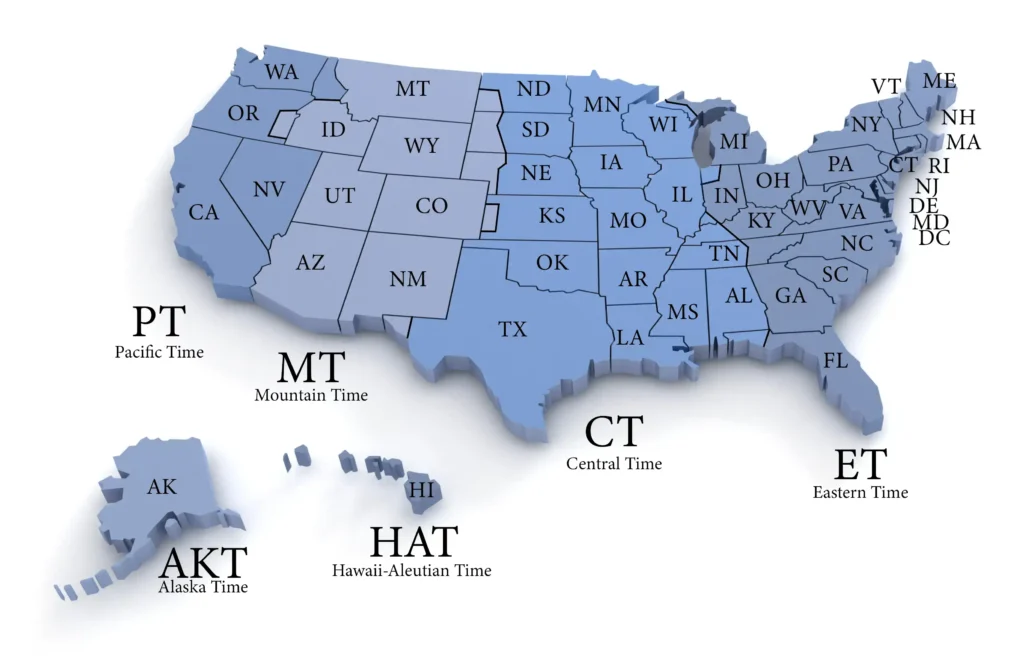
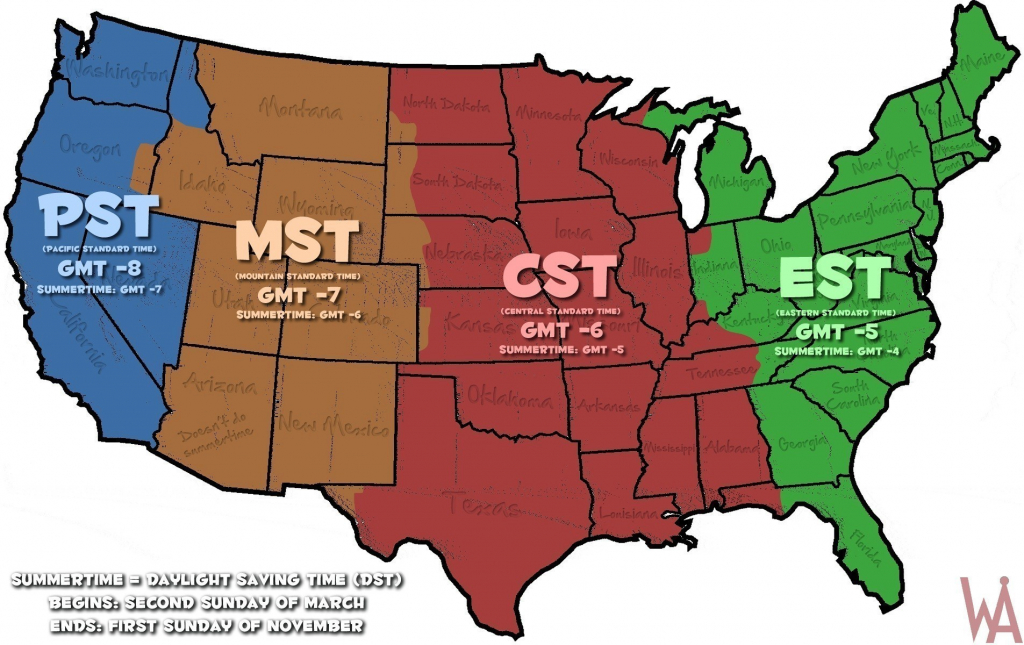
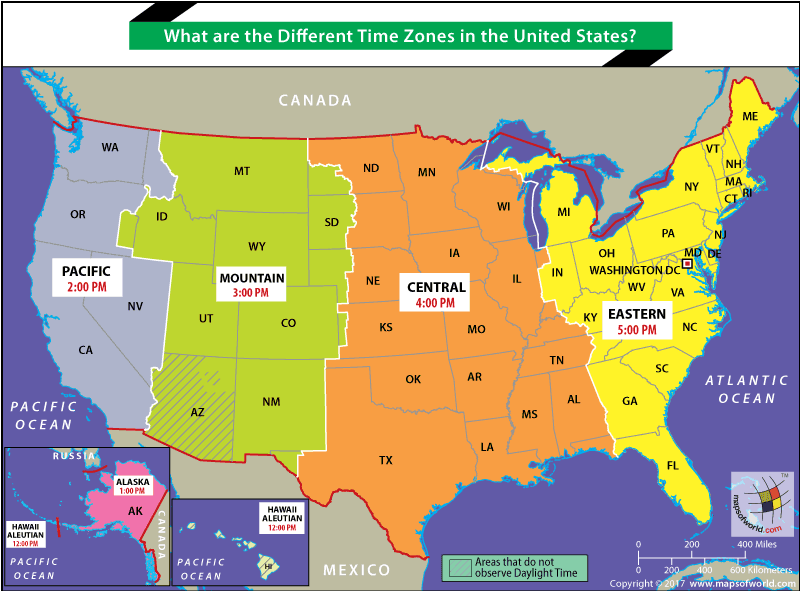
Seattle, Washington, officially operates within the Pacific Standard Time (PST) zone during the colder months. PST is historically defined as UTC-8, meaning it is eight hours behind Coordinated Universal Time (UTC). This designation is not unique to Seattle; it encompasses a vast swathe of the western United States, including states like California, Oregon, and parts of Idaho and Nevada. This broad alignment simplifies travel across many popular tourist destinations on the West Coast, allowing for a degree of temporal consistency.
The Role of Daylight Saving Time
However, the temporal landscape of Seattle, like much of the United States, is dynamically influenced by Daylight Saving Time (DST). For a significant portion of the year, typically from the second Sunday in March to the first Sunday in November, Seattle transitions to Pacific Daylight Time (PDT). PDT is UTC-7, meaning it shifts forward by one hour from PST. This shift is observed to maximize natural daylight hours during warmer months, a practice adopted for energy conservation and to extend daylight for recreational activities. Therefore, when planning your travel to Seattle, it’s imperative to note the time of year. A trip in December will place you firmly in PST, while a visit in July will have you operating under PDT. This seemingly minor detail can have a substantial impact on flight schedules, meeting arrangements, and even the timing of sunrise and sunset for your explorations.
Navigating Time Zone Changes
For international travelers, understanding the difference between PST and PDT, and their relation to UTC, is paramount. For example, a business meeting scheduled for 9:00 AM PST in Seattle would be 5:00 PM in London, UK (during GMT), and 1:00 PM in New York, NY (during EST). However, during PDT, the same 9:00 AM meeting in Seattle would be 4:00 PM in London (during BST) and 12:00 PM in New York (during EDT). This constant flux necessitates careful cross-referencing of time zones, especially when coordinating with individuals or businesses in different parts of the world. Many online tools and smartphone applications automatically adjust for these changes, but a foundational understanding remains a valuable asset for any seasoned traveler.
Seattle’s Time Zone in Context
The adoption of a standardized time zone system, and the subsequent implementation of Daylight Saving Time, has been a significant development in modern history, profoundly impacting commerce, transportation, and daily life. For Seattle, its position within the Pacific Time Zone is not merely a geographical descriptor but a fundamental element of its connection to the broader North American continent and the global stage.
Historical Roots of Time Zones
The concept of standardized time zones emerged in the late 19th century, driven by the burgeoning railway industry. Before this, each town and city kept its own local solar time, leading to chaotic scheduling and significant delays for trains. The establishment of the Intercolonial Railway in Canada and later the Northern Pacific Railway in the United States necessitated a unified system. By 1883, American railroads had adopted a system of four standard time zones, dividing the country roughly north to south. Seattle, like much of the Pacific coast, fell under the westernmost zone. While the federal government didn’t mandate time zones until the Standard Time Act of 1918, the railroad system’s adoption had already cemented the temporal boundaries.
The Impact on Travel and Commerce
Being in the Pacific Time Zone has both advantages and disadvantages for Seattle. On the one hand, it aligns the city with a significant portion of the North American economic and population centers, facilitating business operations and travel within the contiguous United States. However, it also means that Seattle is several hours behind the East Coast, a factor that can influence business dealings and international communications. For travelers arriving from the East Coast or Europe, the significant time difference often leads to jet lag, a common challenge that requires careful management.
Daily Rhythms and Activities
The time zone influences the daily rhythms of Seattle life. With a later sunrise during winter months compared to Eastern time zones, mornings might feel a bit more subdued. Conversely, the extended daylight hours during summer PDT can lead to a more active evening culture, with locals and tourists alike enjoying the outdoors well into the evening. Whether it’s a stroll along the waterfront, attending an outdoor concert at Woodland Park Zoo, or enjoying a sunset view from Kerry Park, the extended daylight under PDT significantly enhances the potential for evening activities.
Planning Your Seattle Itinerary with Time Zones in Mind
Accurate time zone awareness is not just about knowing the number of hours difference; it’s about integrating that knowledge into practical travel planning to maximize your enjoyment and minimize potential disruptions. For Seattle, understanding PST and PDT is the first step.
Booking Flights and Accommodation
When booking flights to Seattle-Tacoma International Airport (SEA), always double-check the arrival and departure times in your local time zone and then convert them to Seattle’s current time zone (PST or PDT). This is particularly crucial for long-haul flights where crossing multiple time zones can be disorienting. Similarly, when booking hotels or other accommodation, confirm check-in and check-out times in local Seattle time. Websites like the Four Seasons Hotel Seattle or The Edgewater Hotel will typically display times in the local zone, but it’s always wise to be diligent. If you are arriving late at night due to the time difference, ensure your accommodation offers 24-hour check-in or has made prior arrangements for your arrival.
Scheduling Tours and Activities
Seattle offers a wealth of attractions, from the iconic Space Needle to the bustling Pike Place Market. When booking tours, harbor cruises, or reservations at popular restaurants like Canlis, confirm the start times in local Seattle time. A tour departing at 10:00 AM PST is different from a tour departing at 10:00 AM EST. For example, if you are in New York and book a 10:00 AM PST tour in Seattle, it would be a 1:00 PM EST tour for you, meaning you need to account for the three-hour difference when planning your day’s activities before the tour. This meticulous attention to detail ensures you don’t miss out on scheduled events due to temporal confusion.
Connecting with Local Businesses and People
If your visit to Seattle involves business meetings or connecting with locals, clearly communicate the time zone when proposing meeting times. It is good practice to state the time and the corresponding time zone (e.g., “Let’s meet at 2:00 PM PST on Tuesday”). This avoids ambiguity, especially when dealing with individuals or companies in different states or countries. Many business interactions in Seattle, particularly within the thriving tech industry, involve global collaboration, making precise time zone communication a professional necessity.
Embracing Seattle’s Unique Temporal Landscape
Seattle’s position within the Pacific Time Zone, with its observance of Daylight Saving Time, is an integral part of its identity. It shapes the daily lives of its residents, influences its connectivity with the rest of the world, and requires a degree of temporal mindfulness from its visitors.
The Rhythms of the City
The city’s renowned coffee culture, for instance, often begins early, even with the later sunrises of PST. This reflects a dynamic community that is both connected to its natural environment and driven by its industrious spirit. The evenings, particularly during PDT, come alive with a vibrant cultural scene, from live music venues to the city’s many parks, offering ample opportunities for exploration and enjoyment as the sun sets.
Experiencing Seattle’s Attractions
When planning to visit iconic landmarks like the Museum of Pop Culture (MoPOP) or to explore the natural wonders surrounding the city, such as Mount Rainier National Park, understanding the time zone allows for better planning of travel time and maximum enjoyment of daylight hours. For instance, a hike in the mountains will require an early start, and knowing the exact sunrise and sunset times in Seattle’s current time zone is crucial for safety and enjoyment. Similarly, securing tickets for popular performances at venues like the Paramount Theatre is easier when you are aware of the precise local showtimes.
A Seamless Travel Experience
Ultimately, knowing “What Time Zone Is Seattle, Wa In?” is more than just trivia; it’s a key component of a well-executed travel plan. By acknowledging and incorporating the nuances of Pacific Standard Time and Pacific Daylight Time into your preparations, you set the stage for a smoother, more enjoyable, and more enriching experience in this dynamic Pacific Northwest gem. Whether you are attending a conference at the Washington State Convention Center or enjoying a leisurely vacation exploring the city’s many islands and waterfront, temporal accuracy will be your silent, yet invaluable, travel companion.
LifeOutOfTheBox is a participant in the Amazon Services LLC Associates Program, an affiliate advertising program designed to provide a means for sites to earn advertising fees by advertising and linking to Amazon.com. Amazon, the Amazon logo, AmazonSupply, and the AmazonSupply logo are trademarks of Amazon.com, Inc. or its affiliates. As an Amazon Associate we earn affiliate commissions from qualifying purchases.