
Embarking on a journey to the Emerald City, whether for business or leisure, often involves meticulous planning. Among the crucial details to consider, understanding the local time zone in your destination is paramount. For travelers heading to the vibrant Seattle, the question “What time zone is Seattle?” is a common and essential starting point. Nestled in the picturesque Pacific Northwest of the United States, Seattle operates within a time zone that dictates everything from flight schedules and hotel check-ins to the timing of your crucial business calls or the opening hours of beloved attractions like Pike Place Market and the Space Needle. This guide will not only answer that fundamental question but also delve into how Seattle’s time zone impacts your travel experience, offering practical tips to ensure a smooth and enjoyable visit to this dynamic city.
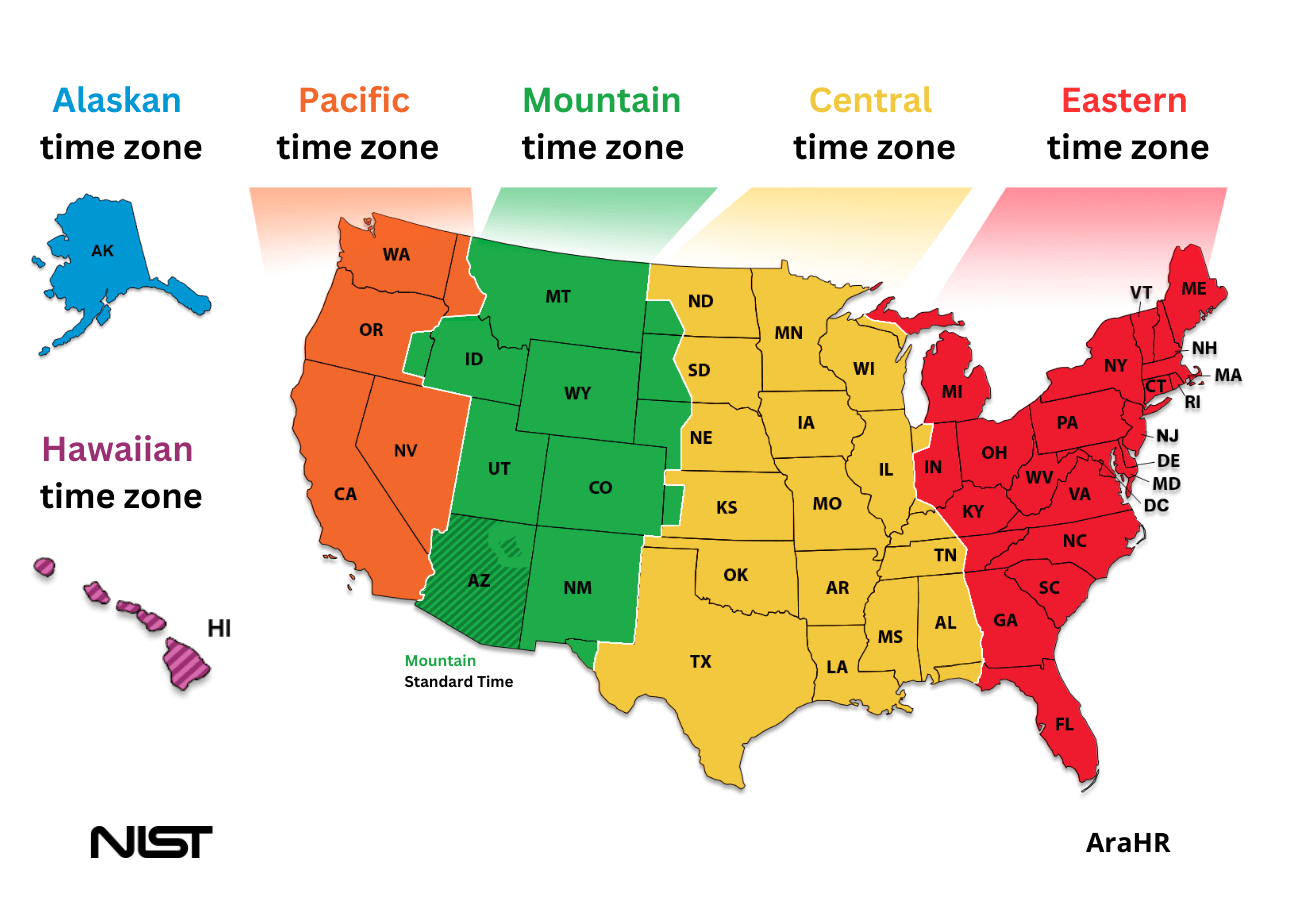
Understanding Seattle’s Time Zone: Pacific Standard Time (PST)
Seattle, like much of the Pacific Coast of the United States and Canada, primarily observes the Pacific Time Zone. This designation, however, comes with a seasonal distinction: Pacific Standard Time (PST) and Pacific Daylight Time (PDT). Being aware of these shifts is key to navigating your trip without confusion.
The Basics of PST/PDT
During the winter months, from early November to mid-March, Seattle adheres to Pacific Standard Time (PST). This time zone is designated as UTC-8, meaning it is eight hours behind Coordinated Universal Time. When spring arrives, specifically on the second Sunday of March, Seattle, along with most regions observing Daylight Saving Time, “springs forward” by one hour, transitioning to Pacific Daylight Time (PDT). PDT is UTC-7, placing it seven hours behind Coordinated Universal Time. This shift occurs to maximize daylight hours during the longer days of spring, summer, and early fall, benefiting everything from tourism to outdoor activities and energy conservation. The “fall back” transition, when the clocks revert to PST, happens on the first Sunday of November, marking the end of Daylight Saving Time for the year. For travelers, understanding whether Seattle is currently observing PST or PDT is vital for coordinating arrival times, booking tours, and scheduling meetings. Most modern devices, like smartphones and computers, automatically adjust to the correct time zone, but a quick manual check upon arrival is always a good practice.
Geographical Context and Neighboring Zones
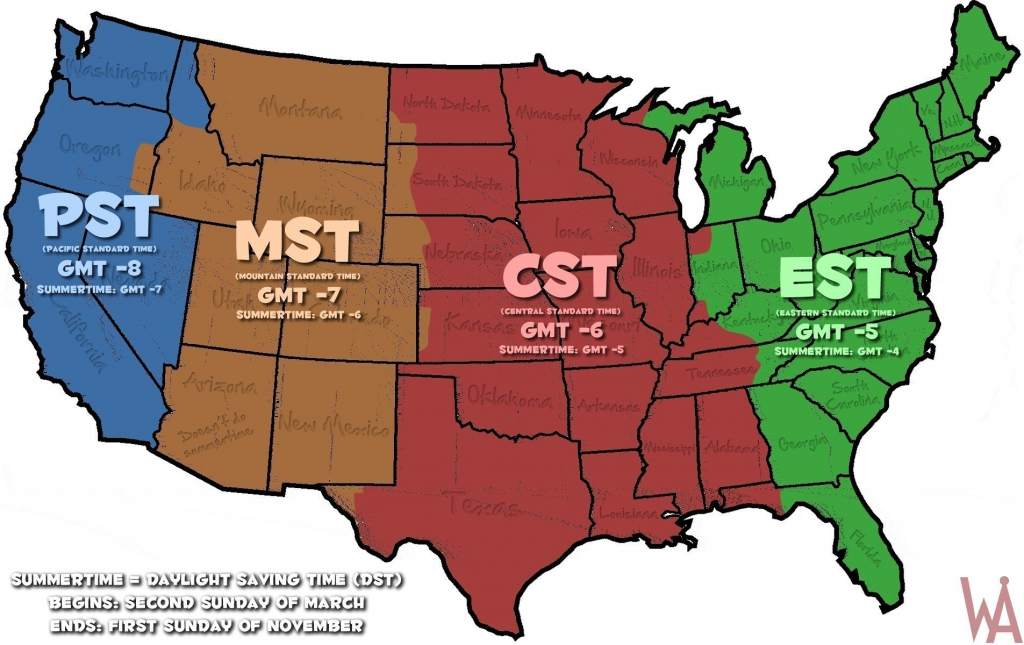
Seattle’s location in Washington state, on the western edge of the North American continent, inherently places it within the Pacific Time Zone. This geographical alignment means that other major cities along the Pacific Coast of the United States, such as Los Angeles and San Francisco in California, and Portland in Oregon, share the same time zone. Moving eastward, the next major time zone is the Mountain Time Zone (MST/MDT), which is one hour ahead of Pacific Time. Further east, you encounter the Central Time Zone and the Eastern Time Zone, making for progressively larger time differences. To the north, Canada also observes various time zones, with Vancouver, British Columbia, being in the same Pacific Time Zone as Seattle, which is convenient for cross-border travel. To the west, the Alaska Time Zone is one hour behind Pacific Time, and further west, Hawaii operates on Hawaii Standard Time, which is two or three hours behind Seattle depending on Daylight Saving Time. Understanding these geographical relationships helps put Seattle’s time zone into a broader context and is particularly useful for those planning multi-city itineraries across different regions.
Navigating Time Differences: Tips for Travelers to Seattle
For many visitors, particularly those arriving from distant time zones, the most significant challenge related to Seattle’s time is adapting to the shift. Jet lag can dampen the initial enthusiasm of any trip, and poorly planned schedules can lead to missed opportunities. However, with a few strategic approaches, you can mitigate the effects of time differences and ensure a vibrant start to your Seattle adventure.
Beating Jet Lag
Jet lag, a temporary sleep disorder caused by rapid travel across multiple time zones, can manifest as fatigue, disorientation, and difficulty concentrating. To combat its effects when traveling to Seattle:
- Adjust Gradually Before Departure: If possible, begin shifting your sleep schedule by an hour or two each day in the direction of Seattle’s time zone a few days before your flight. For example, if coming from the East Coast of the United States (three hours ahead), try going to bed and waking up earlier.
- Stay Hydrated: Dehydration can exacerbate jet lag symptoms. Drink plenty of water before, during, and after your flight, and limit alcohol and caffeine intake.
- Adjust to Local Time Immediately: As soon as you board your flight to Seattle, set your watch to Pacific Time. Upon arrival, try to stay awake until Seattle bedtime, even if you feel tired. Exposure to natural light during the day helps reset your body clock.
- Strategic Napping: If you must nap, keep it short (20-30 minutes) and early in the afternoon to avoid interfering with nighttime sleep.
- Light Exposure: Seek out natural light during Seattle’s daytime hours. If you arrive when it’s dark in Seattle but daytime at your origin, try to avoid bright light until morning. Conversely, if you arrive during Seattle’s daytime, get outside!
- Mindful Eating: Eat meals according to Seattle’s meal times, even if you’re not hungry. This further helps to regulate your internal clock.
Planning Your Itinerary
Considering the time zone is crucial for the practical aspects of your trip.
- Flight Arrivals and Departures: Double-check all flight times are in local time. An early morning arrival in Seattle might mean you’ve already experienced a full day at your origin. Plan for a relaxed first day.
- Hotel Check-ins: Most hotels have a standard check-in time, often in the mid-afternoon. If you arrive significantly earlier due to time differences, inquire about early check-in options or luggage storage so you can explore immediately.
- Tour Bookings and Reservations: When booking tours, restaurant reservations, or activity slots, always confirm the timing in Pacific Time. What might seem like a late dinner reservation in your home time zone could be perfectly timed for Seattle.
- Business Meetings: For those on business trips, clearly communicate meeting times in Seattle’s local time to avoid confusion with colleagues in other zones.
Communication Across Time Zones
Staying connected with loved ones or managing remote work while in Seattle requires a little forethought:
- Use World Clocks: Most smartphones and computers have world clock features that allow you to track multiple time zones simultaneously, making it easy to know when friends and family are awake.
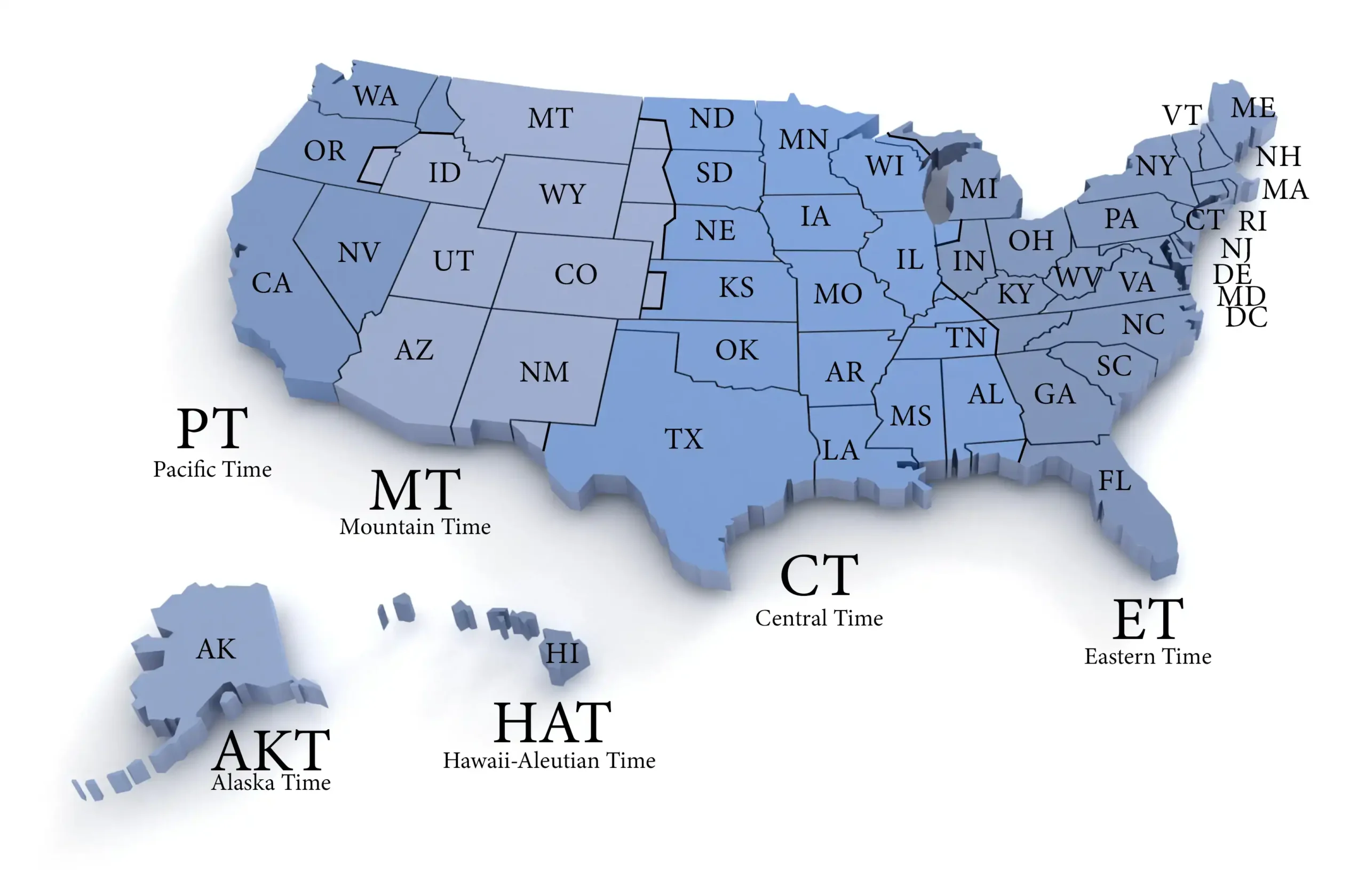
- Schedule Calls Mindfully: For calls to the East Coast (Eastern Time Zone is three hours ahead), an 8 AM Seattle call is 11 AM East Coast. For Europe, the difference can be 8 to 9 hours or more, making early evening in Seattle the best time to connect with European mornings. When contacting Asia, expect large differences that might require late night or early morning calls.
- Set Expectations: Let contacts know you’re traveling and might be on a different schedule. This helps manage expectations for response times.
Seattle Beyond the Clock: Maximizing Your Visit
While understanding Seattle’s time zone is foundational, your visit truly comes alive when you immerse yourself in the city’s rich culture, iconic landmarks, and unique lifestyle. Seattle offers a diverse array of experiences, from bustling markets to serene natural escapes, ensuring every moment of your trip is well spent.
Iconic Landmarks and Must-See Attractions
Seattle boasts a remarkable collection of attractions that appeal to every interest. A visit wouldn’t be complete without experiencing:
- Space Needle: An enduring symbol of Seattle, offering breathtaking panoramic views of the city skyline, Puget Sound, and surrounding mountains like Mount Rainier. Located in the Seattle Center, it’s often combined with other attractions.
- Pike Place Market: A historic and vibrant public market, famous for its fish throwing, fresh produce, artisan crafts, and an array of unique shops and eateries. It’s a feast for the senses and a true Seattle institution.
- Chihuly Garden and Glass: Located adjacent to the Space Needle, this exhibition showcases the stunning glass art of native Pacific Northwest artist Dale Chihuly. The vibrant colors and intricate designs are mesmerizing.
- Museum of Pop Culture (MoPOP): Also within the Seattle Center, MoPOP is an immersive museum dedicated to contemporary popular culture, featuring exhibits on music, science fiction, and video games.
- Ferry System: Taking a Washington State Ferry across Puget Sound is an essential Seattle experience. A popular short trip is to Bainbridge Island, offering stunning views of the Seattle skyline and a charming small town to explore. Longer trips can take you to Victoria, Canada, for an international adventure.
- Woodland Park Zoo: A nationally recognized zoo known for its naturalistic exhibits and conservation efforts.
- Museum of Flight: Perfect for aviation enthusiasts, showcasing a vast collection of aircraft and artifacts, including the first Air Force One jet.
Culinary Delights and Local Culture
Seattle’s culinary scene is as diverse as its population.
- Coffee Culture: The city is synonymous with coffee, being the birthplace of Starbucks. Visit the original Starbucks store at Pike Place Market and explore numerous independent coffee shops throughout neighborhoods like Capitol Hill and Fremont.
- Seafood: Given its coastal location, Seattle excels in fresh seafood. Indulge in oysters, salmon, and Dungeness crab at waterfront restaurants or Pike Place Market eateries.
- Diverse Cuisine: From upscale dining in Belltown to international flavors in the International District and craft breweries in Ballard, Seattle offers a gastronomic adventure for every palate. Don’t forget to explore Pioneer Square for its historic charm and vibrant nightlife.
Accommodation Options for Every Traveler
Seattle caters to a wide range of accommodation needs, ensuring comfort whether you’re seeking luxury or budgeting your trip.
- Luxury Stays: For an opulent experience, consider hotels like the Four Seasons Hotel Seattle or the historic Fairmont Olympic Hotel, both offering exceptional service and prime locations.
- Boutique Hotels: Seattle has numerous stylish boutique hotels, often reflecting the unique character of their neighborhoods.
- Budget-Friendly Options: Many reputable hotel chains offer more affordable rates, and vacation rentals through platforms like Airbnb provide excellent value, especially for families or longer stays.
- Location Matters: Consider staying near downtown for easy access to major attractions, or in neighborhoods like South Lake Union if you’re on a business trip near tech hubs, or Capitol Hill for a vibrant, youthful atmosphere.
Day Trips and Outdoor Adventures
Beyond the city limits, the Pacific Northwest beckons with stunning natural beauty.
- Mount Rainier National Park: A majestic dormant volcano, offering incredible hiking trails, alpine meadows, and stunning views, approximately a 2-hour drive from Seattle.
- Olympic National Park: Home to diverse ecosystems, from temperate rainforests to rugged coastline and glacier-capped mountains. A ferry ride and drive away, it makes for a longer day trip or overnight stay.
- San Juan Islands: Accessible by ferry, these islands are perfect for whale watching, kayaking, and enjoying a slower pace of life.
- Gas Works Park: Closer to home, this unique urban park offers fantastic views of the Seattle skyline and Lake Union.
Planning Your Perfect Seattle Trip: Essential Tips
A well-planned trip to Seattle enhances every aspect of your experience, ensuring that your time, no matter what hour, is maximized.
Best Time to Visit
- Summer (June-August): Generally considered the best time to visit Seattle due to warm, dry weather and long daylight hours. Ideal for outdoor activities and enjoying the city’s vibrant festivals. However, it’s also peak tourist season, so expect larger crowds and higher prices.
- Spring (April-May) and Fall (September-October): These shoulder seasons offer pleasant weather, fewer crowds, and often better deals on accommodations. Spring brings blooming flowers, while fall showcases beautiful foliage. Rain is more common, but it’s often light.
- Winter (November-March): Cooler temperatures and more rain characterize Seattle’s winter. However, it’s a great time for indoor attractions, cozy coffee shops, and potentially snow-capped mountain views on clearer days. Prices are typically at their lowest.
Transportation in Seattle
Navigating Seattle is relatively straightforward, with various options:
- Link Light Rail: Connects Seattle-Tacoma International Airport (SEA) to downtown, Capitol Hill, and the University District, offering a convenient and affordable way to get around.
- Buses: A comprehensive bus network covers the entire city.
- Ride-Shares and Taxis: Readily available throughout Seattle.
- Walking: Many downtown attractions are within walking distance of each other. Comfortable shoes are a must for exploring the city’s hills.
- Seattle Streetcar: Two streetcar lines serve different parts of the city, including South Lake Union and the International District.
Budgeting and Lifestyle Choices
Whether you’re planning a luxurious escape or a budget-conscious adventure, Seattle can accommodate. Factor in costs for accommodation, dining, attractions, and transportation. For families, consider attractions like the Seattle Aquarium or the Pacific Science Center. Business travelers will find excellent hotels with amenities tailored to their needs, often concentrated around downtown and South Lake Union. For those seeking to integrate into the local lifestyle, explore neighborhoods, visit local markets, and embrace the city’s love for the outdoors.
In conclusion, Seattle operates on Pacific Standard Time (PST) during winter (UTC-8) and Pacific Daylight Time (PDT) during the warmer months (UTC-7). Understanding this fundamental aspect of your visit is the first step towards a seamless journey. With thoughtful planning, an awareness of time differences, and a keen eye for the myriad experiences the Emerald City has to offer, your trip to Seattle is bound to be an unforgettable adventure, perfectly synchronized to the rhythm of the Pacific Northwest.
LifeOutOfTheBox is a participant in the Amazon Services LLC Associates Program, an affiliate advertising program designed to provide a means for sites to earn advertising fees by advertising and linking to Amazon.com. Amazon, the Amazon logo, AmazonSupply, and the AmazonSupply logo are trademarks of Amazon.com, Inc. or its affiliates. As an Amazon Associate we earn affiliate commissions from qualifying purchases.