
Texas, the second-largest state in the United States by both area and population, presents a fascinating case study for travelers and residents alike when it comes to time zones. Given its immense geographical expanse, it’s perhaps unsurprising that Texas doesn’t entirely conform to a single time standard. While the vast majority of the state operates on one primary time zone, a notable western sliver observes another, a detail that can significantly impact travel planning, business operations, and the daily rhythm of life. For anyone venturing into the Lone Star State, understanding this temporal dichotomy is crucial for a seamless and enjoyable experience, ensuring you’re always on schedule for your next adventure, booking, or local culinary delight.
Understanding Texas’s Dual Time Zones
The allocation of time zones across the United States is rooted in historical railway scheduling and has since been standardized for broader societal and economic coherence. For Texas, its strategic location and considerable width mean that it naturally falls under the influence of two distinct zones.
The Dominant Central Time Zone (CT)
The overwhelming majority of Texas operates within the Central Time Zone, often abbreviated as CT. This zone is six hours behind Coordinated Universal Time (UTC-6) during standard time and five hours behind (UTC-5) during Daylight Saving Time. All the state’s major metropolitan areas, economic hubs, and popular tourist destinations fall within this expansive zone.
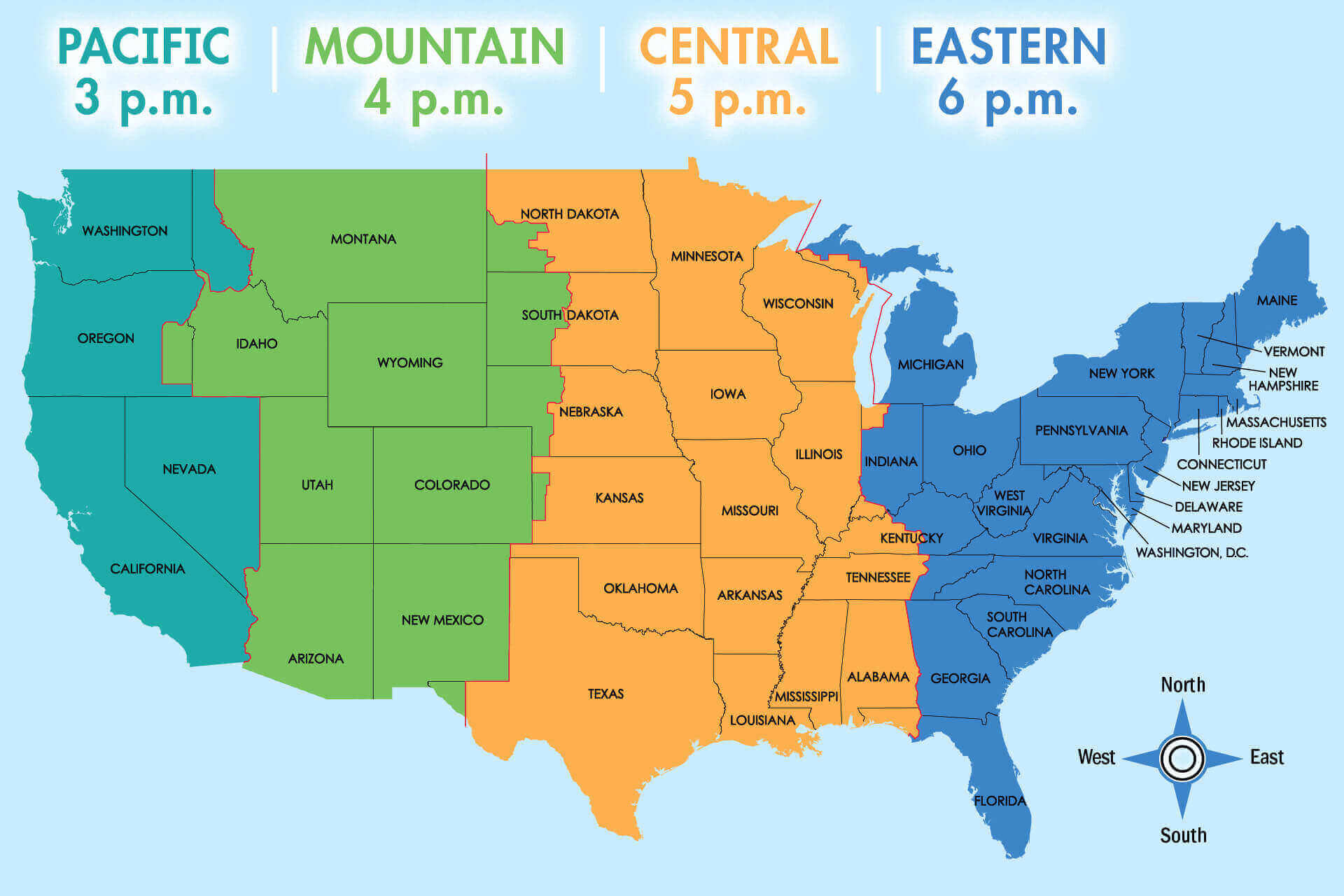
Cities such as Dallas, Houston, Austin, and San Antonio – vibrant centers of culture, business, and entertainment – all observe Central Time. This uniformity across the most populated parts of the state simplifies travel and communication for the vast majority of visitors. When you book a flight to George Bush Intercontinental Airport in Houston or plan to explore the historic streets of San Antonio, you’ll be operating on Central Time. The consistency across these major cities makes planning multi-city itineraries relatively straightforward, allowing travelers to focus on the diverse attractions rather than grappling with hourly shifts. The Central Time Zone in Texas stretches from the eastern border it shares with Louisiana, Arkansas, and Oklahoma all the way west, almost to the border with New Mexico.
The Mountain Time Zone (MT) Exception
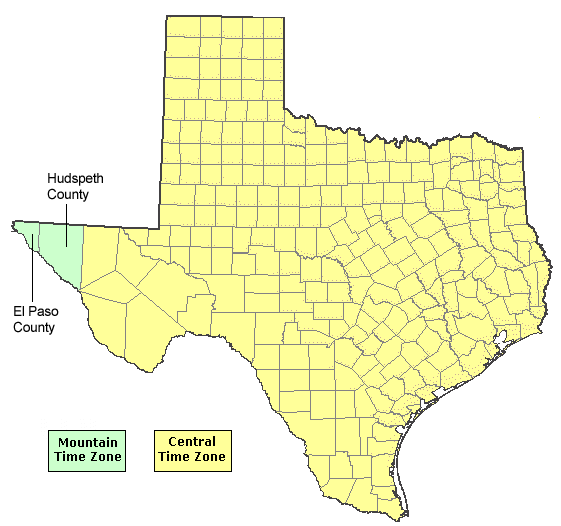
The exception to Texas’s Central Time rule lies in its far western reaches. A small, but significant, portion of the state observes the Mountain Time Zone, also known as MT. This zone is seven hours behind Coordinated Universal Time (UTC-7) during standard time and six hours behind (UTC-6) during Daylight Saving Time. The most prominent city in this zone is El Paso, situated on the western tip of Texas right on the border with New Mexico and Mexico.
The change from Central Time to Mountain Time primarily occurs as you travel west of the 100th meridian, though the official demarcation roughly follows county lines. The entire El Paso County and parts of Hudspeth County and Culberson County are in the Mountain Time Zone. This includes iconic natural landmarks like Guadalupe Mountains National Park and the western sections of Big Bend National Park. For travelers embarking on a cross-state road trip or those planning to explore the rugged beauty of West Texas, this one-hour time difference is a critical detail to remember. Failing to account for it could mean missing a flight, arriving late for a tour, or simply being out of sync with local schedules.

Navigating Time Zones for Texas Travelers
For globetrotters and adventurers, the time zone differences within Texas aren’t merely a geographical quirk; they’re a practical consideration that influences various aspects of travel, from booking flights to enjoying local hospitality.
Planning Your Itinerary and Bookings
Effective trip planning is paramount when traversing a state like Texas with dual time zones. When arranging flights, particularly those with connections or involving travel between El Paso and other major Texas cities, always confirm the local departure and arrival times. A flight from Houston (CT) to El Paso (MT) will effectively gain an hour, while the reverse journey will lose an hour. This impacts not just flight times but also ground transportation, car rental pickups, and any pre-booked activities.
Consider a multi-day itinerary that starts with exploring the urban attractions of Dallas or Austin and concludes with an adventurous trek through Big Bend National Park in West Texas. Your internal clock, attuned to Central Time, will need a manual adjustment as you approach El Paso or the national parks. This shift is crucial for reserving slots for guided tours, confirming park entry times, or simply knowing when local businesses close. For business travelers, scheduling virtual meetings or phone calls between colleagues in Houston and clients in El Paso requires careful synchronization to avoid missed appointments.
Hotel Stays and Local Experiences
Accommodation providers, from luxury resorts to budget-friendly apartments, operate strictly on their local time. When checking into a hotel in El Paso, your reservation and check-in/check-out times will be based on Mountain Time, even if you just drove in from a Central Time Zone city. It’s always a good practice to double-check confirmation emails and hotel apps for specific times, which are typically presented in the local time of the property.
Beyond hotels, local experiences are intrinsically tied to the local time zone. A dinner reservation at a acclaimed restaurant in San Antonio will be in CT, while a sunrise hike through Franklin Mountains State Park near El Paso will adhere to MT. Understanding this allows travelers to fully immerse themselves in the local culture without the disruption of time-related mishaps. Whether you’re planning a visit to a museum, a concert, or a guided historical tour, verifying the time against your current location’s time zone ensures you arrive punctually and make the most of every moment. Many travel guides and online booking platforms automatically adjust for time zones based on your search location, but manual verification, especially for a multi-zone journey, is always recommended.
Iconic Destinations Across the Texas Time Zones
Texas is a land of diverse landscapes and vibrant cities, each offering unique attractions and experiences. The time zones play a subtle yet important role in how these destinations are enjoyed.
Central Time Zone Highlights
The Central Time Zone encompasses the very heart of Texas’s tourism and lifestyle offerings.
- Dallas & Fort Worth: These twin cities offer a blend of modern sophistication and classic Western heritage. In Dallas, visitors can explore world-class museums, upscale shopping, and a thriving culinary scene. Fort Worth beckons with its historic Stockyards National Historic District, where daily cattle drives transport visitors back to the Old West. Accommodation options range from luxurious downtown hotels to charming boutique stays.
- Houston: As the state’s largest city, Houston is a global hub for energy, space exploration, and diverse cultures. A visit to Space Center Houston is a must, offering an immersive look into NASA’s missions. The city also boasts incredible dining, a vibrant arts scene, and extensive green spaces. Hotels here cater to every budget, from opulent resorts to extended-stay apartments.
- Austin: The state capital, Austin, is renowned for its live music scene, quirky culture, and outdoor activities. Exploring the Texas State Capitol, kayaking on Lady Bird Lake, or enjoying the nightlife on Sixth Street are quintessential Austin experiences. Accommodation in Austin often includes trendy hotels and vacation rentals that reflect its unique character.
- San Antonio: Rich in history and charm, San Antonio is home to the iconic Alamo and the picturesque San Antonio River Walk. Visitors can delve into Texas history, savor Tex-Mex cuisine, and enjoy boat tours along the river. The city’s hotels range from historic establishments to modern suites, often with stunning views of the River Walk.
- Other CT Cities: Smaller but equally charming cities like Corpus Christi (coastal attractions), Amarillo (Panhandle culture), and Lubbock (wine country and Buddy Holly history) all operate on Central Time, making them easy to integrate into broader state-wide itineraries.
Exploring the Mountain Time Zone Frontier
The western part of Texas, primarily in the Mountain Time Zone, offers a stark contrast with its dramatic desert landscapes, rugged mountains, and unique blend of American and Mexican influences.
- El Paso: As the largest city in the Texas Mountain Time Zone, El Paso provides a vibrant experience on the border with Mexico. Visitors can explore its rich history at sites like the El Paso Mission Trail, enjoy hiking in Franklin Mountains State Park, or delve into its thriving arts and food scene. Hotels in El Paso often cater to both leisure and business travelers, offering convenient access to both sides of the border.
- Big Bend National Park: This remote and magnificent park, primarily located in the Mountain Time Zone, is a wilderness paradise. It offers incredible hiking, stargazing, and opportunities to explore the Chihuahuan Desert and the majestic Rio Grande. The park’s vastness and ruggedness mean that careful planning, including time zone awareness, is essential for a safe and rewarding visit. Nearby accommodations, though sparse, include lodges within the park and small hotels in gateway towns like Terlingua.
- Guadalupe Mountains National Park: Also in the Mountain Time Zone, this park is home to the four highest peaks in Texas, including Guadalupe Peak. It’s a haven for hikers and backpackers seeking challenging trails and stunning desert-mountain vistas. Being aware of the local time is crucial for planning day hikes and ensuring you return before nightfall.
- Big Bend Ranch State Park: Often called the “other Big Bend,” this state park is even more remote and rugged than its national park counterpart. It offers backcountry adventures, river trips, and a profound sense of solitude, all governed by Mountain Time.
Practical Tips for a Seamless Texas Trip
Traveling across a large state like Texas, especially with its dual time zones, requires a few practical considerations to ensure your journey is as smooth and enjoyable as possible.
Daylight Saving Time in Texas
Like most of the United States, Texas observes Daylight Saving Time. This means that on the second Sunday in March, clocks “spring forward” one hour, and on the first Sunday in November, they “fall back” one hour. Both the Central Time Zone and the Mountain Time Zone in Texas adhere to this practice.
For travelers, this means an additional layer of temporal awareness twice a year. If your trip coincides with these changes, be sure to confirm how it impacts your bookings, especially for flights, hotel check-ins, or scheduled tours. Most modern smartphones and digital devices automatically adjust, but it’s always wise to double-check, particularly for crucial appointments. For instance, if you’re flying from a non-Daylight Saving Time region, the adjustment upon arrival in Texas will be compounded.
Staying Connected and On Schedule
Staying organized is key to navigating the time differences.
- Set Devices to Automatic Time: Ensure your smartphone, tablet, and laptop are set to automatically update their time zone. This is usually the most reliable way to stay current with local time.
- Physical Watch Adjustment: If you wear a traditional watch, remember to manually adjust it when crossing into or out of the Mountain Time Zone in West Texas.
- Confirm All Bookings: Prior to any activity, flight, or hotel stay, double-check the scheduled time, especially if you’ve crossed a time zone boundary recently. Many digital tickets and confirmations will specify the local time.
- Communicate Clearly: If you’re coordinating with others who are in a different time zone within Texas (e.g., a friend in Dallas while you’re in El Paso), always state the time and the relevant time zone to avoid confusion (e.g., “Let’s meet at 9 AM Mountain Time”).
- Factor in Jet Lag (Even if Minor): Even a one-hour time difference can subtly affect some individuals, especially those sensitive to routine changes. Build a small buffer into your itinerary when making the transition, particularly if you have an early morning activity planned. This allows you to settle into your accommodation and adjust to the new local time.
- Utilize Travel Apps: Many travel planning apps and navigation tools offer robust time zone support, allowing you to see current times in multiple locations simultaneously or providing alerts for upcoming time zone changes.
In conclusion, while the answer to “What time zone is Texas?” is predominantly the Central Time Zone, the presence of the Mountain Time Zone in its far western reaches adds an intriguing layer of complexity for travelers. By understanding this geographical nuance and applying a few simple planning tips, visitors can effortlessly navigate the temporal shifts and fully immerse themselves in the rich tapestry of experiences that the Lone Star State has to offer, from the bustling cities to the serene desert landscapes. Your journey through Texas promises to be nothing short of extraordinary, no matter what time it is.
LifeOutOfTheBox is a participant in the Amazon Services LLC Associates Program, an affiliate advertising program designed to provide a means for sites to earn advertising fees by advertising and linking to Amazon.com. Amazon, the Amazon logo, AmazonSupply, and the AmazonSupply logo are trademarks of Amazon.com, Inc. or its affiliates. As an Amazon Associate we earn affiliate commissions from qualifying purchases.