
For travelers embarking on a journey to the Sunshine State, understanding the intricate details of local time zones is far more than a mere formality; it’s a crucial component of seamless trip planning and an enjoyable experience. Florida, a vibrant hub for tourism, boasts pristine beaches, world-renowned theme parks, and diverse cultural experiences, but it also presents a unique geographical quirk: it spans two primary time zones. This characteristic can sometimes catch unprepared visitors off guard, impacting everything from flight connections and hotel check-ins to scheduled tours and dining reservations. As a premier destination for travel, hotels, and tourism, Florida’s temporal landscape warrants a closer look, ensuring your accommodation, landmark visits, and overall lifestyle experience unfold without a hitch.
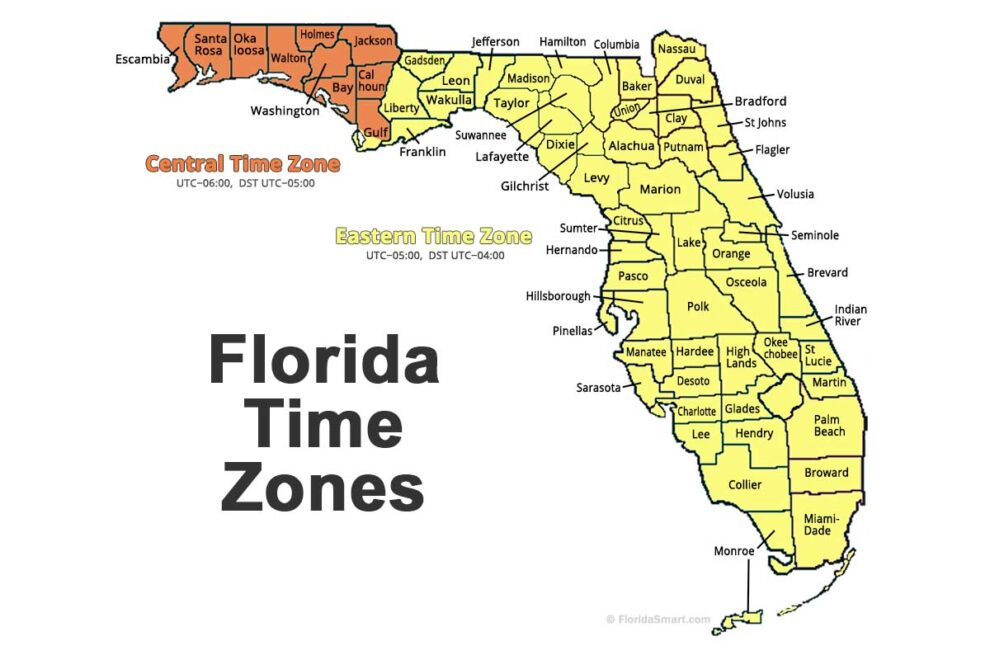
The vast majority of Florida operates on the Eastern Time Zone (ET), observing Eastern Standard Time (EST) during the cooler months and Eastern Daylight Time (EDT) when Daylight Saving Time is in effect. However, a significant portion of the western Panhandle region falls within the Central Time Zone (CT), adhering to Central Standard Time (CST) and Central Daylight Time (CDT) respectively. This subtle yet significant distinction demands attention from anyone planning to explore the diverse landscapes and attractions that make Florida such a popular destination.
Understanding Florida’s Primary Time Zones
To fully appreciate the scope of Florida’s temporal divisions, it’s essential to delve into the specifics of each zone and their respective geographical boundaries. This foundational knowledge is paramount for travelers aiming to maximize their vacation time, avoid missed appointments, and ensure their stay, whether short or long-term, is as stress-free as possible.
The Dominant Eastern Time Zone (ET)
The overwhelming majority of Florida’s landmass and population, including its most famous tourist destinations, falls squarely within the Eastern Time Zone. This zone encompasses the entire peninsula, stretching from the northern border with Georgia down to the southernmost tip of Key West in the Florida Keys, and along the eastern coast that kisses the Atlantic Ocean.
Major cities and regions operating on Eastern Time include the sprawling entertainment capital of Orlando, home to the enchanting Walt Disney World Resort and the thrilling Universal Orlando Resort. Further south, the vibrant metropolis of Miami, with its iconic South Beach and Art Deco architecture, also observes ET. Other significant destinations in this time zone include Fort Lauderdale, renowned for its canals and beaches; Tampa, a cultural and business hub on the Gulf Coast; and Jacksonville, the largest city by land area in the United States, situated in the northeastern corner of the state. Historical gems like St. Augustine, the nation’s oldest continuously inhabited European-established settlement, and luxurious locales such as Palm Beach, known for its opulent resorts and shopping, also operate on ET.
For travelers, this means that virtually all flights arriving at major international airports like Orlando International Airport, Miami International Airport, or Tampa International Airport will adhere to Eastern Time. When booking accommodation, whether a family suite at a resort near Lake Okeechobee, a boutique hotel in Sarasota, or a villa in Fort Myers, check-in and check-out times will be specified in ET. Planning visits to landmarks like the Kennedy Space Center at Cape Canaveral or exploring the unique ecosystem of Everglades National Park will also involve aligning with Eastern Time schedules. The rhythm of daily life in these areas, from restaurant opening hours in Gainesville to sunset cruises off Daytona Beach or St. Petersburg, follows the ET clock.
The Panhandle’s Central Time Zone (CT)
While the peninsula embraces ET, the Florida Panhandle presents a distinct temporal boundary. Specifically, the westernmost counties of the Panhandle observe the Central Time Zone, placing them one hour behind the rest of the state. This region is geographically closer to Alabama and Mississippi, which are predominantly in CT, explaining the natural alignment.
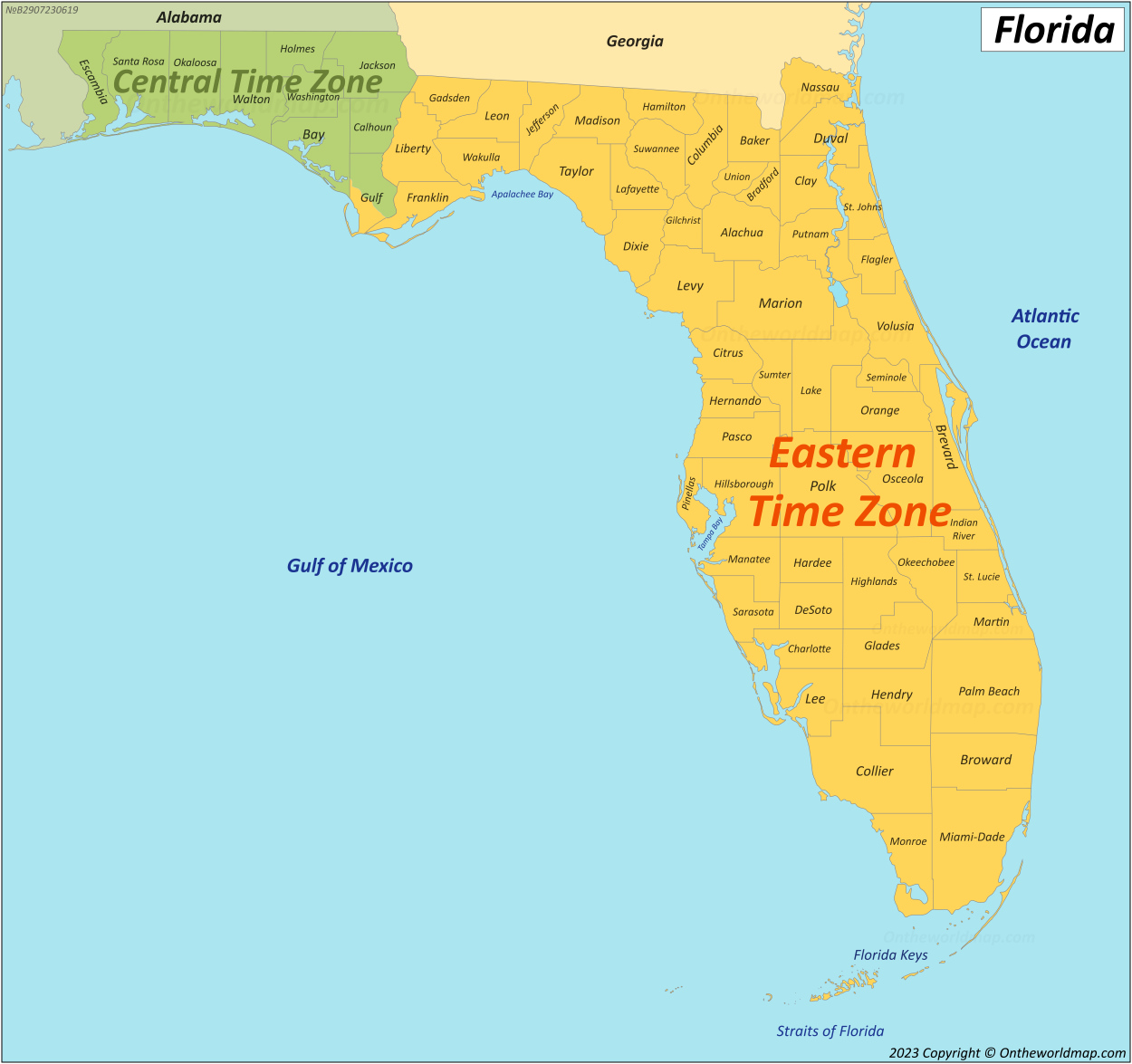
The counties fully or partially observing Central Time include Escambia County (home to Pensacola), Santa Rosa County, Okaloosa County (which includes Destin), Walton County (known for Seaside and the scenic 30A corridor), and Bay County (featuring Panama City Beach). Further east, Holmes County, Washington County, Calhoun County, Gulf County, and Liberty County are also primarily in CT. The state capital, Tallahassee, and Leon County where it resides, however, observe Eastern Time, creating a fascinating and sometimes confusing transition point. The Apalachicola River often serves as a informal dividing line, with areas to its west (e.g., Apalachicola, Port St. Joe, Mexico Beach) generally falling into CT, and those to its east in ET, though this can vary by county.
Travelers planning beach vacations to Destin, Miramar Beach, or Panama City Beach, or exploring historic sites in Pensacola, will need to remember they are operating on Central Time. This means that a 3:00 PM hotel check-in in Panama City Beach will occur an hour later than the equivalent 3:00 PM check-in in Orlando. Visitors arriving at Pensacola International Airport will find the airport operating on CT. Similarly, excursions to natural attractions like the Gulf Islands National Seashore or state parks in the western Panhandle will follow CT schedules. Understanding this distinction is vital, especially when coordinating activities or communicating with parties in the ET portion of Florida or even further east in the United States.
Navigating Daylight Saving Time in Florida
Beyond the two distinct time zones, Florida, like most of the United States and North America, observes Daylight Saving Time (DST). This annual adjustment, where clocks “spring forward” one hour in early March and “fall back” one hour in early November, adds another layer of consideration for travelers.
When Daylight Saving Time is in effect, Eastern Time Zone shifts from Eastern Standard Time (EST) to Eastern Daylight Time (EDT), meaning it is GMT-4. Correspondingly, the Central Time Zone transitions from Central Standard Time (CST) to Central Daylight Time (CDT), operating at GMT-5. The one-hour difference between the two Florida time zones remains constant regardless of DST.
The impact of DST on travel plans is significant. A flight scheduled to depart Miami at 9:00 AM in early March could be affected if the time change occurs on the day of travel, potentially leading to confusion if not accounted for. Hotel check-in times, pre-booked tours to attractions such as Busch Gardens Tampa Bay or deep-sea fishing excursions from Destin, and even restaurant reservations must be meticulously checked against the correct time. For business travelers, coordinating meetings across the country, or even between Tallahassee and Pensacola within Florida, requires careful attention to whether DST is active.

It’s worth noting that Florida has expressed a strong desire to adopt permanent Daylight Saving Time, passing the Sunshine Protection Act in 2018. However, this change requires congressional approval at the federal level to take effect, meaning for now, the state continues to “spring forward” and “fall back” with the rest of the country. This ongoing legislative discussion highlights the state’s interest in maximizing daylight hours for tourism and lifestyle, but until federal action is taken, travelers must remain aware of the annual clock changes.
Practical Implications for Travelers and Tourists
Understanding Florida’s time zones and the observance of Daylight Saving Time is not just theoretical knowledge; it has concrete, practical implications for every aspect of your trip. From the moment you begin planning to your final departure, time plays a pivotal role in ensuring a smooth and enjoyable travel experience.
Planning Your Itinerary and Bookings
Accurate time zone awareness is critical when constructing your travel itinerary and making bookings.
- Flights: Always double-check flight departure and arrival times, especially if you have connecting flights or if you’re flying into or out of the Panhandle region. A flight landing at Pensacola International Airport (CT) might feel like an hour earlier than expected if you’re accustomed to Eastern Time.
- Hotels and Accommodation: Hotel check-in and check-out times are strictly enforced. Confirm the local time zone of your booked resort, apartment, or villa to avoid arriving too early or too late, which could incur additional charges or lead to missed access. Communication with private hosts for Airbnb or other rental properties is also essential to ensure synchronized arrival plans. For instance, a luxurious stay in a Naples resort will follow ET, while a charming beach house in Seaside will operate on CT.
- Attractions and Tours: Florida’s theme parks, historical sites, museums, and natural attractions often have timed entry or strict operating hours. Missing a pre-booked slot for Universal’s Islands of Adventure or a guided airboat tour of the Everglades due to a time zone mix-up can be disappointing and costly. Verify the local time for all tours, show schedules, and landmark opening hours.
- Transportation: When renting a car, picking up a cruise, or catching a bus or train, be mindful of the local time. Public transportation schedules and rental car agency operating hours will be based on the local time zone, which can impact your ability to get to your next destination.
- Communication: If you’re coordinating with family and friends back home, or dealing with business matters, remember the time difference. An important business call scheduled for 9:00 AM PST (Pacific Standard Time) would be 12:00 PM EST in most of Florida and 11:00 AM CST in the Panhandle.
Avoiding Common Time Zone Pitfalls
Preventing time-related mishaps requires a few simple, proactive steps:
- Set Your Devices to Automatic: Most smartphones, tablets, and smartwatches will automatically update to the correct local time zone when you travel. Ensure this setting is enabled. However, it’s always wise to manually confirm by checking a reliable local clock or asking hotel staff, especially when crossing the ET/CT boundary within Florida.
- Double-Check All Schedules: Every booking confirmation, ticket, and itinerary detail should be scrutinized for the stated time zone. If it’s not explicitly mentioned, assume it’s local time but verify with the provider if in doubt.
- Cross-State Travel: If driving into Florida from Alabama or Georgia, be aware of potential time changes at the state border. Driving from Alabama into Florida’s Panhandle will likely keep you in Central Time, but continuing east could lead to a sudden time jump.
- The Panhandle’s Nuance: When traversing the Florida Panhandle, pay close attention to county lines, as these often dictate the time zone shift. A drive from Pensacola (CT) to Tallahassee (ET) will involve gaining an hour, which is crucial for arriving on time for any appointments in the state capital.
Florida’s Time Zones and the Lifestyle Experience
Beyond the logistical challenges, time zones can subtly influence the overall lifestyle experience of a trip to Florida. From the pace of daily activities to the rhythm of local culture, understanding these temporal nuances can enhance your vacation, long-term stay, or business trip.
Maximizing Your Florida Vacation
For many, a Florida vacation is about relaxation and making the most of every sunny moment.
- Adapting to Local Rhythms: Whether you’re an early bird keen on catching the sunrise over the Atlantic in Cocoa Beach or a night owl enjoying the vibrant nightlife of Miami, understanding the local time ensures you can seamlessly blend into the daily rhythm. Dining times, entertainment schedules, and shopping hours will all align with the local clock.
- Seamless Experience for Most: The good news is that for the vast majority of tourists who stick to the main peninsula (ET), the time zone issue is largely negligible. Once adjusted, their entire trip will operate on a single time. It’s only when venturing into the Panhandle or coordinating with people in different zones that awareness becomes critical.
- Long-term and Business Stays: For those enjoying long-term stays in places like Anna Maria Island or Siesta Key, or for business travelers managing projects across different regions, a clear understanding of the time zones facilitates efficient planning and communication, supporting both luxury travel and budget travel itineraries.
Seamless Travel Between Zones
While most visitors will spend their entire trip in one time zone, some adventurous or geographically diverse itineraries might involve crossing the ET/CT boundary.
- Tips for Intra-state Travelers: If your travel plans include moving between Eastern Time and Central Time within Florida, consider it an opportunity for an interesting temporal shift. For example, if you fly into Pensacola (CT) and plan to drive to Jacksonville (ET), be prepared to “lose” an hour as you travel east, or “gain” an hour if moving west.
- Communication is Key: Always clearly state the time zone when discussing meeting points, flight arrivals, or tour start times with local operators, hotel staff, or travel companions. This eliminates ambiguity and reduces the chance of miscommunication.
- Example Scenarios: Imagine you’re flying into Pensacola International Airport (CT) for a business meeting in Tallahassee (ET). If your flight lands at 10:00 AM CT, you effectively have less time to travel to your 1:00 PM ET meeting than it might initially appear. A three-hour drive would mean you’d arrive at 2:00 PM ET, missing your meeting. Conversely, a leisurely drive from Jacksonville (ET) to Amelia Island would not involve a time zone change, simplifying local coordination. Even smaller towns like Marianna, which operates on Central Time, can be significant points of reference for this transition.
In conclusion, while the dual time zones of Florida might seem like a minor detail, they are a fundamental aspect of planning any visit to the state. Whether you’re chasing the thrills of theme parks in Orlando, soaking up the sun on the Gulf of Mexico beaches of Destin, or exploring the vibrant culture of Miami, a clear understanding of Eastern Time Zone and Central Time Zone, coupled with awareness of Daylight Saving Time, will ensure your Florida adventure is as smooth and enjoyable as possible. Always check your itinerary, set your devices, and embrace the temporal nuances that make the Sunshine State truly unique.
LifeOutOfTheBox is a participant in the Amazon Services LLC Associates Program, an affiliate advertising program designed to provide a means for sites to earn advertising fees by advertising and linking to Amazon.com. Amazon, the Amazon logo, AmazonSupply, and the AmazonSupply logo are trademarks of Amazon.com, Inc. or its affiliates. As an Amazon Associate we earn affiliate commissions from qualifying purchases.