
When planning a journey to the world’s most famous oasis of entertainment, one of the most fundamental questions a traveler can ask is: “What time is it in Las Vegas?” While the answer might seem like a simple numerical value, understanding the time zone of Las Vegas is crucial for everything from booking dinner reservations at the Bellagio to coordinating international flights at Harry Reid International Airport. Because Nevada operates on a specific temporal rhythm that influences its culture, nightlife, and even its neighboring excursions, mastering the clock is the first step toward a seamless vacation in the United States.
The Fundamentals of Pacific Time in Nevada
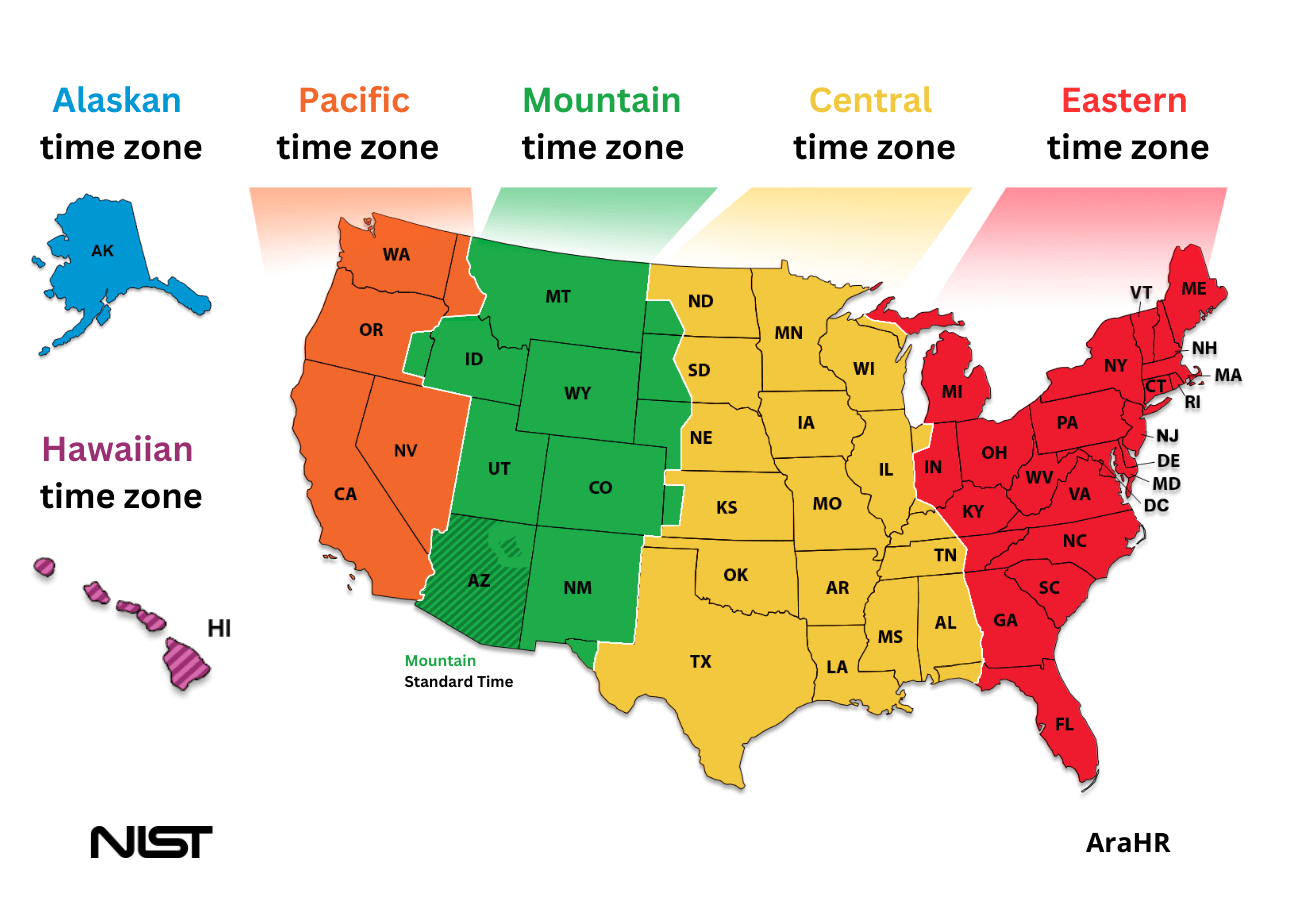
Las Vegas is located within the Pacific Time Zone, the same longitudinal slice of the United States that governs major hubs like Los Angeles, San Francisco, and Seattle. For most of the year, this means the city is eight hours behind Coordinated Universal Time (UTC-8). However, like much of North America, the city adheres to seasonal shifts that can catch international tourists off guard.
Pacific Standard Time vs. Pacific Daylight Time
The distinction between Pacific Standard Time (PST) and Pacific Daylight Time (PDT) is vital for seasonal travelers. From the second Sunday in March until the first Sunday in November, Las Vegas observes Daylight Saving Time. During this period, the clocks “spring forward” one hour, moving the city to UTC-7. This shift is designed to maximize evening sunlight, which is particularly pleasant for those enjoying the outdoor pools at the MGM Grand or walking the Las Vegas Strip as the sun sets over the desert horizon.
When November arrives, the city “falls back” to Pacific Standard Time (UTC-8). While the change only accounts for sixty minutes, it significantly impacts the “golden hour” for photographers visiting landmarks like the Welcome to Fabulous Las Vegas Sign. If you are visiting from London or Paris, your jet lag recovery will be dictated by this eight or nine-hour difference, making hydration and sunlight exposure essential components of your arrival strategy.
Coordination with the Rest of the Country
For domestic travelers from the United States, the time difference is a standard logistical consideration. Las Vegas is three hours behind New York and Miami (Eastern Time), two hours behind Chicago (Central Time), and one hour behind Denver (Mountain Time). Business travelers staying at the Wynn Las Vegas must remain particularly vigilant of these gaps when scheduling conference calls with East Coast headquarters, as a 9:00 AM meeting in Manhattan translates to a 6:00 AM wake-up call in the Mojave Desert.
The “24-Hour City” Culture and Temporal Perception
One of the most fascinating aspects of Las Vegas is how the city interacts with the concept of time. Unlike Boston or Washington DC, where many businesses close at midnight, Las Vegas is a 24-hour ecosystem. This “timelessness” is a deliberate cultural hallmark of the city’s tourism industry.
The Psychology of Timelessness in Casinos
If you walk into a major resort like Caesars Palace or The Venetian, you will notice a lack of windows and clocks on the gaming floors. This is an intentional design choice aimed at creating an immersive environment where the external Pacific Time Zone ceases to matter. Whether it is 3:00 PM or 3:00 AM, the lighting remains consistent, and the energy remains high.
For the savvy tourist, this means self-regulation is key. It is easy to lose track of hours while enjoying the world-class entertainment or trying your luck at the tables. Experienced visitors often set “time alarms” on their phones to ensure they don’t miss showtimes for Cirque du Soleil or dinner bookings at Gordon Ramsay Hell’s Kitchen.
Dining and Late-Night Life
The time zone also influences the local culinary culture. While many cities see their kitchens close by 10:00 PM, the Las Vegas food scene thrives well into the early morning. From late-night dim sum in Chinatown Las Vegas to 24-hour diners at The STRAT Hotel Casino and Tower, the city accommodates every biological clock. If you are arriving from a different time zone and find yourself hungry at an “odd” hour, Downtown Las Vegas and the Fremont Street Experience offer a plethora of options that ignore the traditional constraints of breakfast, lunch, and dinner.

Planning Excursions: The Arizona Time Trap
One of the most common mistakes travelers make when staying in Las Vegas involves planning day trips to neighboring states. Nevada shares a border with Arizona, Utah, and California, and the time zone lines can be confusing.
The Grand Canyon and Hoover Dam Paradox
If you are booking a helicopter tour to the Grand Canyon, you must be aware of the Arizona time difference. Unlike Nevada, the state of Arizona does not observe Daylight Saving Time (with the exception of the Navajo Nation).
This creates a unique situation:
- During the Summer (March to November): Las Vegas (PDT) and Arizona (MST) are on the same time.
- During the Winter (November to March): Arizona is one hour ahead of Las Vegas.
When visiting the Hoover Dam, which sits directly on the border of Nevada and Arizona, you can literally walk across the bridge and change time zones during the winter months. For tourists, this is a fun photo opportunity, but for those with strict tour departures, it can lead to missed connections. Always confirm whether your tour operator is using “Vegas time” or “Local time” for your itinerary.
Traveling North to Utah
If your desert adventure takes you toward Zion National Park or Bryce Canyon National Park in Utah, you will definitely cross into the Mountain Time Zone. Utah is always one hour ahead of Las Vegas. This is particularly important for hikers who need to track daylight hours to ensure they return from trails like Angels Landing before sunset. Losing an hour of daylight upon entry into Utah can catch many Las Vegas vacationers by surprise.
Practical Tips for Managing Time Shifts in Las Vegas
To make the most of your trip, managing your internal clock is just as important as managing your bankroll. The high-energy environment of Nevada can be taxing, and the dry desert air compounds the effects of jet lag.
Strategic Arrival and Sunlight Exposure
If you are flying into Harry Reid International Airport from a significantly different time zone, such as Tokyo or Sydney, try to stay awake until at least 9:00 PM local time. One of the best ways to reset your circadian rhythm is to spend your first afternoon outdoors. Consider a visit to Red Rock Canyon or the Valley of Fire State Park. The natural sunlight and physical activity will help your body register the Pacific Time Zone more effectively than sitting in a dimly lit theater at Planet Hollywood Resort and Casino.
Leveraging Digital Tools
Most modern smartphones will automatically update to the local time the moment you take your phone out of “Airplane Mode” upon landing in Las Vegas. However, if you are driving from California or Arizona, keep an eye on your device’s clock near the borders. Digital devices sometimes toggle between towers in different states, causing the time to jump back and forth. For those staying at Resorts World Las Vegas or Encore at Wynn Las Vegas, using the hotel’s smart room tablets can provide a stable reference for the local time and scheduled events.

Scheduling Your High-Value Activities
When you understand the flow of time in the city, you can better schedule activities to avoid crowds. The Pacific Time Zone means that early morning in Las Vegas is often the quietest time. If you want to see the Fountains of Bellagio or the High Roller Observation Wheel with fewer people around, consider doing your sightseeing between 8:00 AM and 11:00 AM. While the “night owls” are still sleeping off their adventures at Omnia Nightclub, you can enjoy the city’s architectural beauty in a more serene light.
In conclusion, while “What time zone is Las Vegas?” has a simple answer—Pacific Time Zone—the implications of that answer are vast. From the way the sun hits the Luxor Hotel and Casino pyramid to the complex scheduling of multi-state road trips, time is a central character in your Las Vegas story. By respecting the clock and understanding the city’s unique 24-hour pulse, you can ensure that every minute of your stay in the Silver State is spent exactly how you envisioned it. Whether you are there for the high-stakes poker, the Michelin-starred dining, or the natural beauty of the American Southwest, timing truly is everything.
LifeOutOfTheBox is a participant in the Amazon Services LLC Associates Program, an affiliate advertising program designed to provide a means for sites to earn advertising fees by advertising and linking to Amazon.com. Amazon, the Amazon logo, AmazonSupply, and the AmazonSupply logo are trademarks of Amazon.com, Inc. or its affiliates. As an Amazon Associate we earn affiliate commissions from qualifying purchases.