
Understanding the time zone of San Francisco is a fundamental piece of information for anyone planning a trip, a business visit, or even just trying to connect with someone in this iconic Californian city. As a major hub for technology, culture, and tourism, San Francisco operates on a specific time that impacts everything from flight arrivals and hotel bookings to scheduling meetings and enjoying local attractions at the right moments. This guide will delve into the intricacies of San Francisco‘s time zone, its implications for travelers, and how it fits into the broader context of California and the United States.
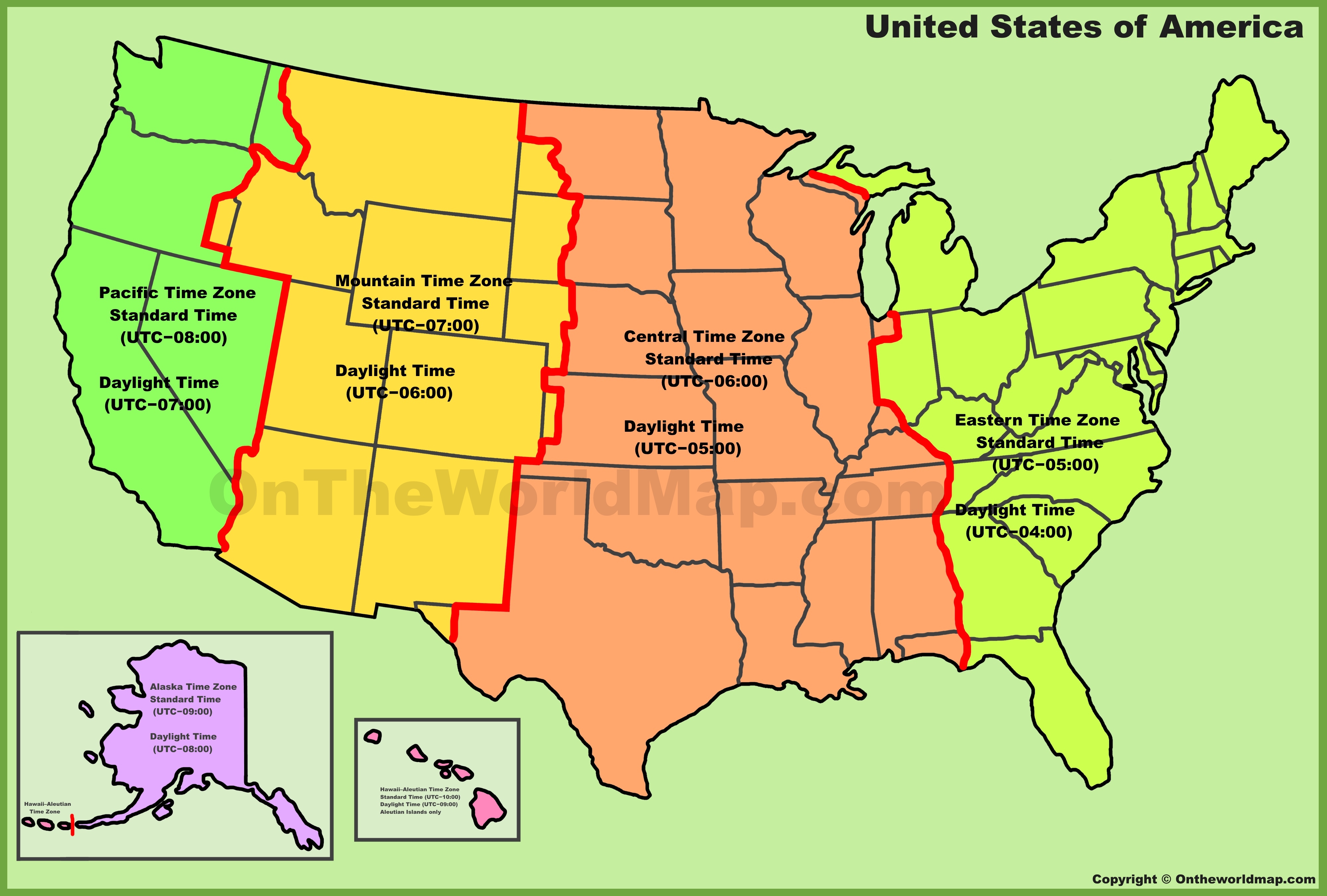
Navigating Time Zones on the West Coast: Pacific Standard Time and Daylight Saving
San Francisco observes Pacific Time, which is part of the North American Time Zone system. This time zone is characterized by its significant offset from Coordinated Universal Time (UTC). For most of the year, San Francisco operates on Pacific Standard Time (PST), which is UTC-8. However, a significant portion of the year sees the adoption of Pacific Daylight Time (PDT), which is UTC-7. This shift is dictated by Daylight Saving Time (DST), a practice observed in much of North America and other parts of the world.
The transition to and from Daylight Saving Time is a crucial factor to consider. In the United States, DST typically begins on the second Sunday in March and ends on the first Sunday in November. This means that for roughly eight months of the year, San Francisco is on PDT, and for the remaining four months, it reverts to PST. This annual shift can be a source of confusion for international travelers and even for those accustomed to the system, as the exact dates can sometimes be a subject of minor adjustments or regional variations.
Understanding this duality of PST and PDT is essential for several reasons. Firstly, it affects the perceived time of day for activities and events. When planning a visit to a landmark like the Golden Gate Bridge or a cultural experience like exploring the vibrant neighborhoods of San Francisco, knowing the current time zone ensures you arrive on schedule. Secondly, for business travelers, adhering to the correct time is paramount for maintaining professional relationships and meeting deadlines.
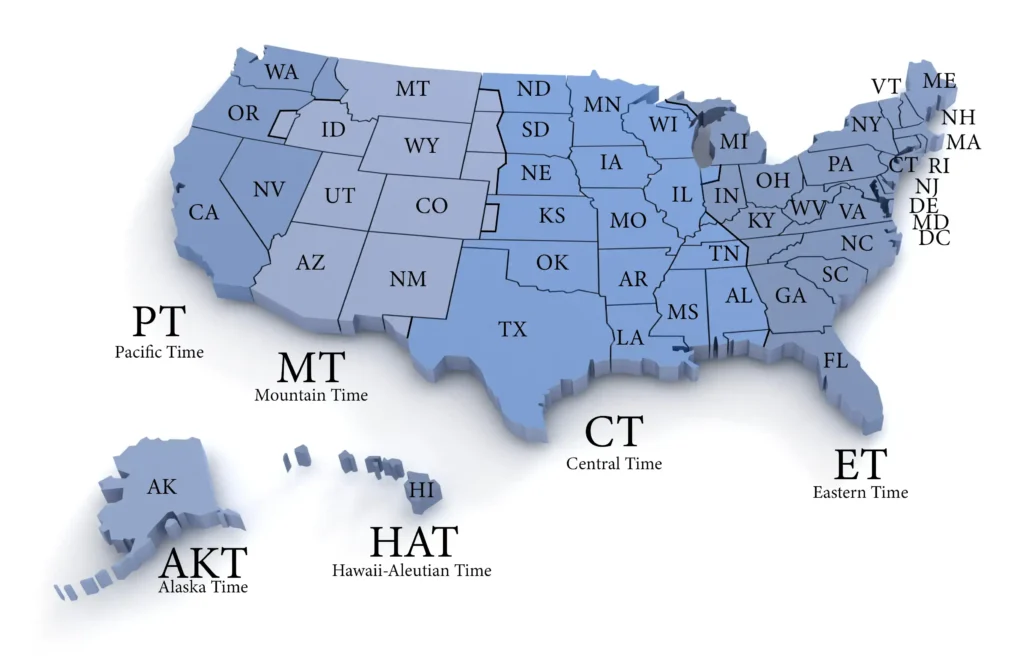
The geographical location of San Francisco on the western edge of the United States places it in one of the last time zones to experience sunrise and sunset within the contiguous United States. This westernmost positioning is a defining characteristic of Pacific Time. When it’s noon in New York City, it’s 9 AM in San Francisco. This three-hour difference is a significant consideration for flight planning, especially for eastbound travel, as it can feel like losing time due to the clock. Conversely, westbound travel can feel like gaining time.
Understanding the Impact on Travel and Accommodation
The time zone in San Francisco directly influences how travelers plan their itineraries and book accommodations. When searching for flights into San Francisco International Airport (SFO), understanding the arrival time in Pacific Time is critical, especially when factoring in potential jet lag and the time difference from your departure point. For instance, a flight departing New York at 6 PM EST will arrive in San Francisco around 9 PM PST. This means that while only three hours have passed on the clock in San Francisco, you’ve experienced a longer duration of travel, and your body clock may feel as though it’s much later.
Booking hotels also requires careful attention to time zones. When checking into a hotel, whether it’s a luxurious suite at the Fairmont San Francisco or a cozy apartment in the Mission District, the check-in and check-out times are invariably listed in Pacific Time. This is particularly important for last-minute bookings or early check-ins, as confirming the exact local time is essential to avoid any discrepancies or potential fees. Websites that facilitate accommodation bookings, like those offering comparison and reviews, will typically display all times in the local zone of the property, which in this case, is San Francisco‘s Pacific Time.
Furthermore, tour operators and activity providers in San Francisco schedule their excursions based on Pacific Time. Whether you’re embarking on a guided tour of Alcatraz Island, exploring the charming streets of North Beach, or visiting the Palace of Fine Arts, knowing the local time is crucial for meeting departure times and maximizing your experience. Many attractions also have specific operating hours that are subject to Pacific Time, and understanding this helps in planning your day to catch the best light for photography or to enjoy activities before closing.
The concept of long-term stay accommodations also necessitates awareness of San Francisco‘s time zone. For individuals relocating to San Francisco for extended business engagements or personal reasons, understanding local time impacts daily routines, from commuting to work to social engagements. The availability of apartments or villas for longer durations will be advertised with local timings for viewings and lease agreements, all aligned with Pacific Time.
Implications for Tourism, Culture, and Lifestyle
San Francisco‘s vibrant tourism scene thrives on visitors experiencing its diverse attractions and local culture. From the bustling markets of the Ferry Building Marketplace to the artistic expressions found in its numerous galleries and museums, timing is key to an enriching visit. For instance, enjoying the sunset from Twin Peaks offers a spectacular view, and knowing the precise time of sunset in Pacific Time is essential for planning this memorable experience.
The local food scene is another area where understanding San Francisco‘s time zone comes into play. Reservations at world-renowned restaurants, sampling delicious sourdough bread, or experiencing the diverse culinary offerings in neighborhoods like Chinatown are all time-sensitive. Brunch on a weekend, dinner reservations, and the opening hours of food markets are all communicated in Pacific Time. Planning to catch a Giants baseball game at Oracle Park or a performance at the San Francisco Opera requires strict adherence to scheduled start times, which are firmly rooted in Pacific Time.
Lifestyle choices in San Francisco are also influenced by its time zone. Whether it’s a luxury travel experience involving exclusive events or a budget travel itinerary focused on free attractions and public transport, awareness of Pacific Time ensures seamless execution. Family trips require careful scheduling to accommodate children’s needs, and understanding the time difference helps in managing travel fatigue and adjusting routines. Business stays necessitate precise coordination for meetings and conferences, where punctuality is often dictated by the local Pacific Time.
The rich history and architectural marvels of San Francisco also offer opportunities that are best experienced at specific times. Visiting landmarks like the Transamerica Pyramid or walking across the Golden Gate Bridge during daylight hours, or exploring the historic streets of San Francisco‘s various districts, all depend on the local clock. Even understanding the natural beauty, such as the fog patterns that often roll in from the Pacific Ocean, can be indirectly linked to the time of day and the resulting weather conditions.
Ultimately, knowing that San Francisco is in the Pacific Time Zone (either PST or PDT depending on the time of year) is more than just a geographical detail; it’s a practical necessity for anyone engaging with this dynamic city. It ensures that your travel plans are smooth, your accommodations are booked correctly, your cultural experiences are timely, and your overall lifestyle in or when visiting San Francisco is optimized for enjoyment and efficiency. The constant interplay between Pacific Standard Time and Pacific Daylight Time is a subtle yet significant element that shapes the rhythm of life on the West Coast.
LifeOutOfTheBox is a participant in the Amazon Services LLC Associates Program, an affiliate advertising program designed to provide a means for sites to earn advertising fees by advertising and linking to Amazon.com. Amazon, the Amazon logo, AmazonSupply, and the AmazonSupply logo are trademarks of Amazon.com, Inc. or its affiliates. As an Amazon Associate we earn affiliate commissions from qualifying purchases.