
Understanding the time in California is far more than a simple matter of checking a clock; it’s the gateway to unlocking the full potential of your Golden State experience. Whether you’re planning a thrilling adventure to world-renowned theme parks in Southern California, a sophisticated wine-tasting tour in Napa Valley, or a rugged escape into the majestic wilderness of Yosemite National Park, knowing the local time zone and how it impacts your schedule is paramount. California, a state synonymous with innovation, glamour, natural beauty, and a laid-back lifestyle, operates on its own distinct rhythm, which savvy travelers and residents alike learn to navigate.
From the bustling streets of Los Angeles and the iconic landmarks of San Francisco to the serene beaches of San Diego and the tranquil vineyards stretching across the California Central Coast, the precise timing of events, bookings, and even daily routines can significantly shape your visit. This comprehensive guide delves into the specifics of California’s time zone, offering essential insights for travelers, business professionals, and anyone seeking to harmonize their schedule with the pace of life in this diverse state. We’ll explore how to mitigate the effects of jet lag, strategically plan your itinerary to maximize sightseeing and relaxation, and even delve into how local time influences the unique culture and lifestyle that defines California. Prepare to set your watch, not just literally, but metaphorically, to California time, ensuring a seamless and enriching journey.
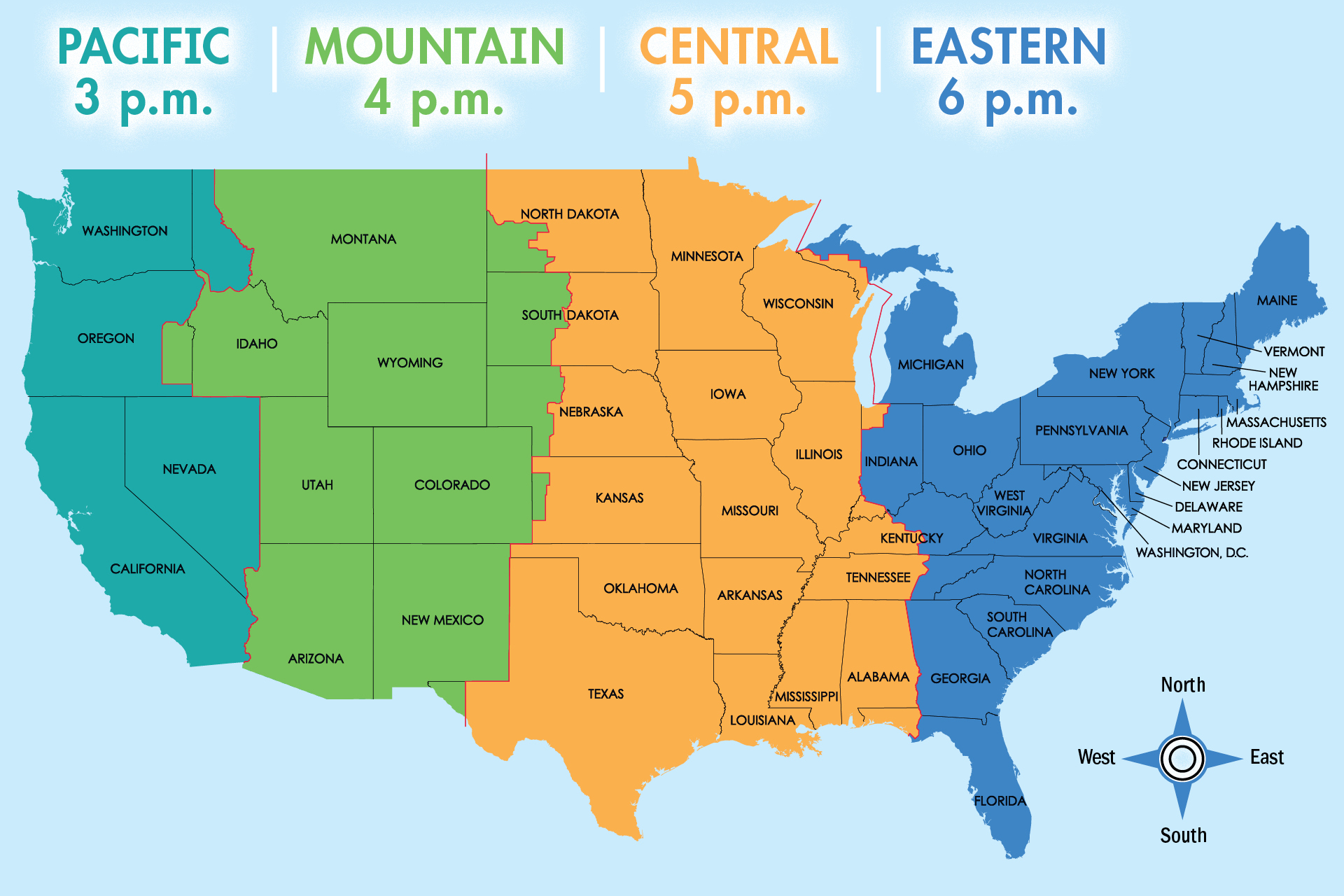
Understanding California’s Time Zone: PST/PDT
At its core, understanding time in California revolves around its position within the Pacific Time Zone. This zone, covering the westernmost states of the United States and parts of Canada and Mexico, dictates the official clock for all of California. However, it’s not a static entity; it shifts seasonally, introducing the concept of Daylight Saving Time.
The Basics of Pacific Standard and Daylight Time
Throughout approximately eight months of the year, from early March to early November, California observes Pacific Daylight Time (PDT). During this period, the local time is UTC-7, meaning it is seven hours behind Coordinated Universal Time. This shift effectively “adds” an hour of daylight to the evening, a practice designed to conserve energy and provide more daylight during waking hours. The onset of Daylight Saving Time sees clocks “spring forward” by one hour, usually on the second Sunday in March.
Conversely, for the remaining four months, typically from early November to early March, California reverts to Pacific Standard Time (PST). In this phase, the local time is UTC-8, aligning eight hours behind Coordinated Universal Time. Clocks “fall back” by one hour on the first Sunday in November, marking the end of Daylight Saving Time and returning to Standard Time. The consistency of this cycle across the entire state simplifies planning, as there are no internal time zone changes within California itself. This uniformity ensures that whether you’re stargazing near Joshua Tree National Park or exploring the urban landscape of Sacramento, your clock will remain synchronized with the rest of the state.
Practicalities for Travelers: Beating Jet Lag and Synchronizing Your Schedule
For visitors journeying to California from different parts of the globe, understanding and adapting to the time zone difference is crucial for a smooth trip. International travelers, especially those arriving from Europe or Asia, will experience significant time shifts, often leading to jet lag. Even domestic travelers from the East Coast or Midwest will need to adjust by three or two hours respectively.
Tips for Adjusting to California Time:
- Pre-adjust: If possible, try to shift your sleep schedule by an hour or two in the days leading up to your trip. This gradual adjustment can make the transition less jarring.
- Hydrate and Avoid Alcohol: Dehydration can exacerbate jet lag symptoms. Drink plenty of water before, during, and after your flight, and limit alcohol and caffeine intake.
- Embrace Natural Light: Upon arrival, expose yourself to natural sunlight as much as possible, particularly in the morning. This helps reset your body’s internal clock, known as the circadian rhythm. Take a walk along the Santa Monica Pier or explore Golden Gate Park to soak in the California sun.
- Stay Active: Gentle exercise can help combat fatigue. A morning jog or a leisurely stroll can do wonders.
- Adjust to Local Meal Times: Eating meals at the local California times, even if you’re not hungry, can aid in quicker adjustment.
- Prioritize Sleep: Try to go to bed at a reasonable local time, even if you’re not tired. Use earplugs or an eye mask if needed, especially if your accommodation in a bustling city like Los Angeles is prone to noise.
Beyond jet lag, synchronizing your schedule involves practical considerations for bookings and reservations. Always double-check flight times, hotel check-in/check-out deadlines, and tour start times using the local California time. Many online booking platforms automatically convert times, but a quick verification can prevent missed connections or unnecessary stress. For business travelers, being mindful of time differences is crucial for scheduling virtual meetings with colleagues in different time zones, ensuring smooth communication and productivity. Whether you’re staying in a luxury hotel in Beverly Hills or a charming boutique resort in Carmel-by-the-Sea, punctuality according to PST or PDT will enhance every aspect of your stay.
Time-Sensitive Travel: Maximizing Your California Experience
The golden rule of travel in California is that timing is everything. From avoiding crowds at popular attractions to securing coveted dining reservations, a keen awareness of the clock can elevate your journey from good to unforgettable. The diverse landscape and rich cultural tapestry of the state offer myriad experiences, each often best enjoyed at a specific hour.
Planning Your Days: Attractions, Dining, and Events
California’s world-famous attractions operate on schedules that are meticulously planned and influenced by the time of day, season, and local demand. For instance, Disneyland Park in Anaheim and Universal Studios Hollywood in Los Angeles typically open their gates early and close late, with peak crowds often occurring mid-day. Arriving right at opening or visiting in the late afternoon can often mean shorter lines and a more enjoyable experience. Similarly, iconic landmarks like the Golden Gate Bridge offer breathtaking views at sunrise, often shrouded in mystical fog, or during sunset, when the sky explodes in a symphony of colors. Visiting the Griffith Observatory in Los Angeles around dusk provides unparalleled views of the city lights and a chance to gaze at the stars.
Museums, such as The Getty Center or the de Young Museum, usually have consistent opening hours, but special exhibitions or free admission days might draw larger crowds. Historical sites like Alcatraz Island require advance booking, often with specific time slots that fill up weeks or even months in advance. Planning your visit well ahead of time, checking their official websites for exact operating hours, and booking tickets online can save precious hours of your trip.
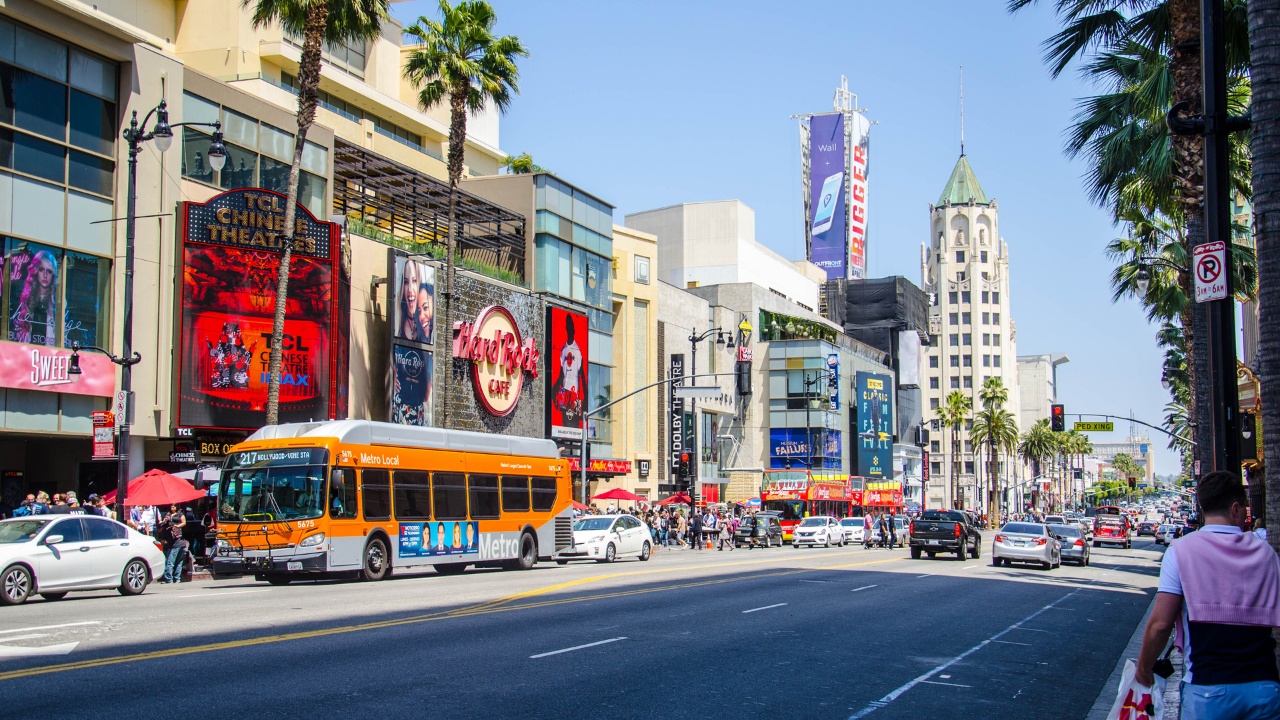
Dining in California, especially in culinary hotspots like San Francisco, Los Angeles, or the Napa Valley wine country, can also be highly time-dependent. Popular restaurants, particularly those with Michelin stars or trending status, often require reservations weeks out, especially for prime dinner slots (typically between 7 PM and 9 PM PST/PDT). Brunch spots on weekends, particularly in areas like Silver Lake or Mission District, can have notoriously long wait times, making early arrival or a well-timed reservation crucial.
Beyond daily attractions and meals, California is a hub for festivals, concerts, and sporting events. From the Coachella Valley Music and Arts Festival near Palm Springs to professional sports games in San Francisco or Los Angeles, these events adhere strictly to their published schedules. Arriving early for concerts or games is often advisable to find parking, navigate crowds, and settle in before the main event begins.
Accommodation and Bookings: Why Timing Matters
The smooth operation of your California journey relies heavily on the precise timing of your accommodation and other critical bookings. Standard check-in times for most hotels, resorts, and vacation rentals in California are typically between 3 PM and 4 PM PST/PDT, with check-out usually around 11 AM or 12 PM. Being aware of these times is critical, particularly if you have an early morning arrival or a late departure. Many establishments offer options for early check-in or late check-out, sometimes for an additional fee, which can be invaluable for managing luggage or catching up on sleep. It’s always best to communicate your needs in advance with your chosen hotel or apartment rental provider.
The impact of time zones on flight arrivals and hotel transfers cannot be overstated. A flight arriving at 6 AM PST from the East Coast means it’s 9 AM for your internal clock, potentially making the wait until a 3 PM check-in feel interminable. Planning for activities that don’t require immediate access to your room, such as a casual meal or a visit to a nearby park, can bridge this gap. Conversely, a late afternoon flight departure might leave you with several hours after check-out, prompting the need for luggage storage solutions offered by many hotels or even dedicated luggage storage services in major cities.
Beyond lodging, other bookings, such as rental cars, specific guided tours (e.g., Big Bus Tours in San Francisco or Hollywood Sightseeing Tours in Los Angeles), spa appointments, or even tee times at a golf course in Palm Springs, all operate on strict time slots. Confirming these times in your local California time zone will prevent confusion and ensure you don’t miss out on pre-paid experiences. For those considering a long-term stay or a business trip, establishing a reliable routine based on local time quickly is key to productivity and comfort. Whether you’re booking a luxury suite, a family-friendly resort, or a budget-conscious apartment, precision in scheduling will streamline your travel and enhance the overall experience of California.
Lifestyle and Local Culture: California Through the Clock
California’s unique blend of vibrant urban centers, serene natural landscapes, and innovative industries has fostered a distinct lifestyle, heavily influenced by its sunny climate and, inherently, by the clock. The concept of “California time” often evokes a sense of relaxed pacing, yet beneath that easygoing veneer lies a state where many activities are precisely timed, reflecting the priorities and passions of its diverse population.
The Rhythm of California Cities
Each of California’s cities pulses to its own rhythm, shaped by its dominant industries and cultural leanings. In Southern California, particularly along its iconic coastline, the day often begins early for surfers catching the morning waves. Before the sun fully clears the horizon, beaches from Malibu to San Clemente are dotted with enthusiasts embracing the dawn. This early start extends to many active Californians who opt for morning hikes in the Hollywood Hills or cycling along scenic routes, taking advantage of cooler temperatures and fewer crowds.
As the day progresses, cities like Los Angeles come alive with the buzz of the entertainment industry, tech startups, and a booming culinary scene. Lunch meetings are often a flurry of activity, and the afternoon sees offices and studios working toward deadlines. The evening, especially in vibrant neighborhoods like Hollywood or Downtown Los Angeles, transitions into a late-night vibrancy of upscale dining, live music venues, and rooftop bars that often stay open past midnight. The city’s energy can feel relentless, and knowing peak traffic times is crucial for navigating its vast expanse.
Contrast this with the more measured, yet equally productive, pace in Northern California. San Francisco’s Financial District operates on a tight schedule mirroring global markets, with tech giants in Silicon Valley setting their own fast-paced agenda. Yet, just an hour north, the Napa Valley wine region embraces a more relaxed rhythm. Winery tours and tastings are often scheduled from mid-morning to late afternoon, allowing visitors to savor each experience without rush, concluding with exquisite sunset dinners overlooking the vineyards.
Public events also dictate the flow of the clock. Farmers’ markets across the state typically operate on specific mornings, drawing local crowds seeking fresh produce. Seasonal festivals, such as the Rose Parade in Pasadena on New Year’s Day, demand early arrival for good viewing spots, often requiring overnight camping. Sports games, from Dodgers baseball in Los Angeles to Warriors basketball in San Francisco, are highly anticipated events with fixed start times, influencing everything from local traffic to restaurant reservations. Understanding these temporal rhythms allows visitors to immerse themselves fully in the local culture, whether it’s luxury travel, a budget-friendly adventure, a family trip, or a business stay.
Embracing the Golden State’s Diverse Experiences
The vast geographic diversity of California means that your “time” in the state can vary dramatically based on your chosen activity. Imagine starting your day with a sunrise hike in Yosemite National Park, witnessing Half Dome bathed in golden light, then driving for several hours to experience a sunset cruise on [San Francisco Bay](https://lifeoutofthebox.com/san-francisco-bay], culminating in dinner in the city. Each segment of such an ambitious day is carefully timed.
Road trips along scenic routes like Highway 1 through Big Sur or exploring the stark beauty of Death Valley National Park require diligent time management, especially considering travel distances, potential traffic, and the limited operating hours of certain facilities in remote areas. Even something as simple as a beach day at Laguna Beach is time-dependent, with tides, sun exposure, and parking availability all playing a role.
The prevailing “California time” philosophy often implies a relaxed, outdoor-focused approach to life. It’s about savoring moments, whether it’s a leisurely coffee morning in a San Diego cafe, a long afternoon enjoying the sunshine by Lake Tahoe, or an evening stroll along the Hollywood Walk of Fame. Yet, this relaxed attitude is underpinned by a deep appreciation for optimizing one’s time to fully engage with the state’s offerings. It’s a delicate balance of seizing the day while also allowing for spontaneity. Embracing this duality—being prepared for the practicalities of the clock while also yielding to the unhurried spirit of the Golden State—is key to a truly authentic California experience.
In conclusion, knowing “What time is it in California?” extends beyond a simple numerical answer. It’s about understanding the rhythmic pulse of a dynamic state, a vital piece of knowledge that empowers travelers to plan effectively, adapt seamlessly, and immerse themselves completely in the local culture. From navigating the shift between PST and PDT to strategically scheduling your visits to landmarks and dining experiences, every minute counts in maximizing your California adventure. By harmonizing your personal clock with the heartbeat of California, you’re not just saving time; you’re enriching every precious moment of your journey, ensuring that your memories of the Golden State are as timeless as they are vibrant.
LifeOutOfTheBox is a participant in the Amazon Services LLC Associates Program, an affiliate advertising program designed to provide a means for sites to earn advertising fees by advertising and linking to Amazon.com. Amazon, the Amazon logo, AmazonSupply, and the AmazonSupply logo are trademarks of Amazon.com, Inc. or its affiliates. As an Amazon Associate we earn affiliate commissions from qualifying purchases.