
Navigating the nuances of time zones can be a crucial element of successful travel planning, especially when your destination spans a significant geographical area. For travelers heading to the Sunshine State, understanding “What Time Is It In Florida?” is more than just a trivial detail; it’s a key to unlocking a seamless and enjoyable experience. Florida, with its sprawling coastline and diverse attractions, operates primarily within one time zone, but the presence of a minor exception warrants a closer look. This guide will delve into Florida’s timekeeping, its implications for travelers, and how understanding the clock can enhance your journey, from booking your stay at a luxurious Miami resort to planning your adventure at Walt Disney World.
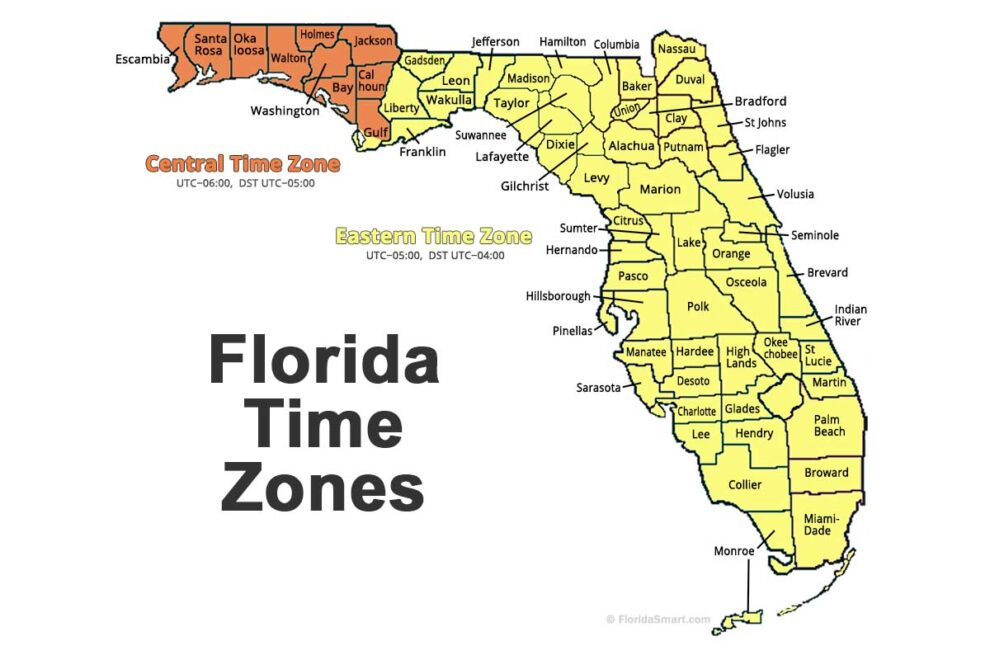
Florida’s primary time zone is Eastern Time, which encompasses the vast majority of the state. This means that when it’s noon in New York City, it’s also noon in Orlando, Tampa, and the vibrant metropolis of Miami. This uniformity simplifies many aspects of travel, from coordinating flights and rental car pick-ups to scheduling excursions to iconic landmarks like the Everglades National Park or the historic streets of St. Augustine.
However, a small, westward slice of the Florida Panhandle observes Central Time. This region, often referred to as the “Florida Panhandle Central Time Zone,” includes cities like Pensacola and parts of Escambia County. While this distinction might seem minor, it can have practical implications for travelers, particularly for those planning journeys that might cross this subtle but significant temporal boundary. Understanding this difference ensures that you don’t miss an important appointment or an early morning tour due to a misunderstanding of the local time.
Understanding Florida’s Time Zones: Eastern vs. Central
Florida’s adherence to two distinct time zones is a legacy of historical divisions and federal regulations. The overwhelming majority of the state falls under the Eastern Time Zone (ET). This zone is further divided into Eastern Standard Time (EST), which is UTC-5, and Eastern Daylight Time (EDT), which is UTC-4, observed during daylight saving periods. This means that for most of the year, Florida observes the same time as much of the eastern United States, including major hubs like Washington D.C. and Atlanta.
The Eastern Time Zone: The Dominant Clock
When you think of Florida time, you’re most likely thinking of Eastern Time. From the theme parks of Orlando to the sun-drenched beaches of Miami and the historic charm of Key West, the rhythm of daily life and tourism is set by this time zone. This includes popular attractions such as Universal Orlando Resort, the scientific marvels of Kennedy Space Center, and the vibrant nightlife of South Beach. For travelers booking accommodations in renowned hotels like the Fontainebleau Miami Beach or planning a family vacation at a resort in Clearwater Beach, Eastern Time will be your constant reference point.
The convenience of a single, dominant time zone simplifies many aspects of a Florida vacation. Flight schedules, train departures, and even the operating hours of attractions are all aligned. This allows for more spontaneous planning and reduces the mental load of constantly adjusting your watch. Whether you’re waking up for an early morning fishing trip off the coast of Fort Lauderdale or enjoying a late-night stroll through the historic French Quarter in New Orleans (for those venturing beyond Florida), knowing the time in Eastern Florida ensures you’re always on schedule.
The Central Time Zone: A Western Exception
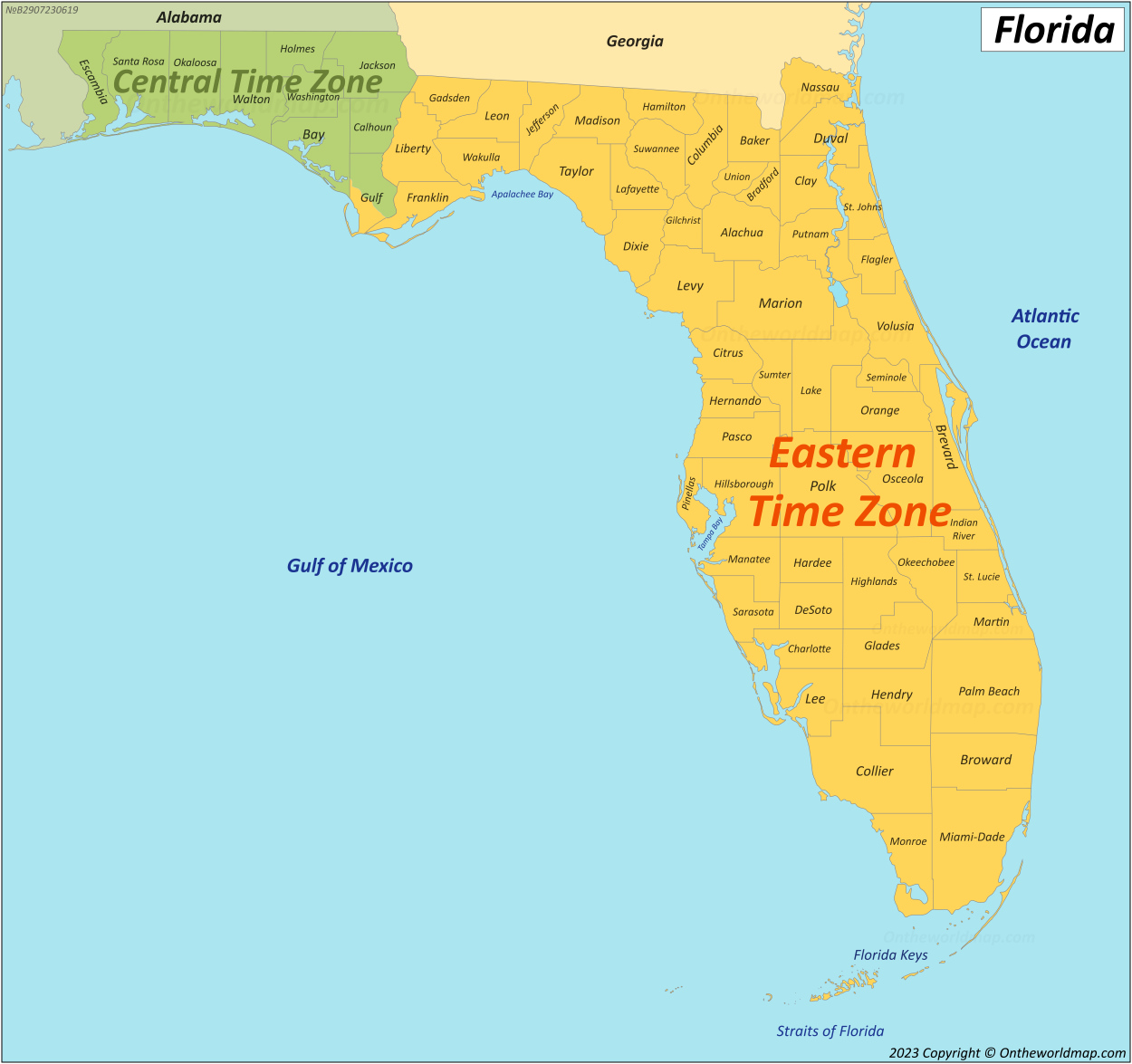
The exception to Florida’s temporal uniformity lies in a portion of the western Panhandle. Here, cities like Pensacola, Panama City, and surrounding areas adhere to the Central Time Zone (CT). This zone observes Central Standard Time (CST), which is UTC-6, and Central Daylight Time (CDT), which is UTC-5, during daylight saving. The boundary between Eastern and Central Time in Florida is roughly near the Calhoun, Liberty, and Gulf counties.
For travelers whose itineraries might include destinations on both sides of this time zone line, awareness is paramount. For instance, if you are enjoying the white sandy beaches of Destin (which is in Central Time) and plan to drive east to explore the natural beauty of the Florida Keys (in Eastern Time), you will need to account for the one-hour difference. This is particularly important when booking flights or accommodations, ensuring that arrival and departure times align correctly. Missed flights or late check-ins can quickly turn a dream vacation into a frustrating ordeal.
Practical Implications for Travelers
Understanding Florida’s time zones is not just an academic exercise; it has tangible impacts on how you plan and experience your trip. From booking your flights and hotels to scheduling activities and even packing, a little temporal awareness goes a long way.
Navigating Flights, Hotels, and Reservations
When booking flights into Florida, always confirm the arrival and departure times are listed in the local time of your destination airport. For example, a flight landing in Jacksonville will be on Eastern Time, while a flight arriving in Pensacola will be on Central Time. Similarly, when booking hotels or making dinner reservations, ensure you are confirming the local time. A reservation at a renowned restaurant in Tampa at 7:00 PM means 7:00 PM Eastern Time. If you are staying in a charming villa near the coast in the western Panhandle, that same 7:00 PM reservation would be Central Time.
For those opting for long-term stays or looking for apartments, understanding the time zone can also impact your local commutes or connections with services based in different parts of the state. If your work or social life involves interactions across the time zone boundary, you’ll need to factor in that daily one-hour shift. This is especially true if you’re considering a lifestyle choice that involves frequent travel between the two zones, perhaps enjoying the Gulf Coast in the morning and the Atlantic coast in the afternoon.
Maximizing Your Florida Experience: Time-Sensitive Activities
Florida offers an abundance of activities, many of which are time-sensitive. Knowing the correct time is crucial for maximizing your enjoyment and avoiding disappointment.

Sunrise and Sunset Experiences
Whether you’re eager to witness a breathtaking sunrise over the Atlantic from a balcony at the Ritz-Carlton, South Beach or catch a spectacular sunset over the Gulf of Mexico from your accommodation in Naples, accurate timekeeping is essential. Sunrise and sunset times vary by location and season, but understanding which time zone you’re in ensures you’re at the perfect vantage point at the opportune moment. For photographers hoping to capture the golden hour at a landmark like the Vizcaya Museum & Gardens in Miami, or nature lovers seeking to observe wildlife in the Corkscrew Swamp Sanctuary, timing is everything.
Theme Park Adventures and Event Schedules
For families planning a trip to Walt Disney World or Universal Studios Florida, park opening and closing times, parade schedules, and fireworks displays are all orchestrated with precise timing. Arriving an hour later than planned in Central Time while your destination is on Eastern Time could mean missing out on a coveted spot for the parade or the start of a spectacular show. Similarly, tours at historical sites like the Castillo de San Marcos National Monument in St. Augustine operate on strict schedules. Confirming the local time for any booked activity is a fundamental step in ensuring a smooth and enjoyable experience.
Dining and Local Culture
Florida’s culinary scene is as diverse as its landscape, from fresh seafood in the Panhandle to Cuban influences in Miami. Restaurants and local markets often have specific opening and closing hours. When planning to dine at a highly-rated establishment in Sarasota or explore the bustling farmers’ markets in the agricultural heartland, be sure to verify their operating hours according to the local time zone. This also applies to experiencing local culture, whether it’s attending a performance at the Adrienne Arsht Center for the Performing Arts in Miami or exploring the art galleries in Winter Park.
Daylight Saving Time Considerations
Like most of the United States, Florida observes Daylight Saving Time (DST). This means that the clocks spring forward by one hour in the spring and fall back by one hour in the autumn.
Spring Forward and Fall Back
During DST, Eastern Standard Time (EST) becomes Eastern Daylight Time (EDT), and Central Standard Time (CST) becomes Central Daylight Time (CDT). This change typically occurs on the second Sunday in March and the first Sunday in November. While this affects the entire state, the one-hour difference between the Eastern and Central time zones in Florida persists regardless of whether DST is in effect. Travelers should be aware of these dates to avoid confusion, especially if their travel dates coincide with the DST change. This is particularly relevant for business travelers on tight schedules or those coordinating international calls.
Embracing the Florida Lifestyle: Time as a Tool
Ultimately, understanding “What Time Is It In Florida?” is about more than just knowing the hour. It’s about leveraging this knowledge to enhance your entire experience, whether you’re seeking luxury accommodations, budget-friendly adventures, or immersive cultural experiences.
Aligning with Your Travel Style
Florida caters to a wide spectrum of lifestyles. For the luxury traveler seeking opulent resorts like the Four Seasons Resort Orlando at Walt Disney World Resort, precise scheduling ensures access to exclusive amenities and fine dining. For the budget traveler exploring the natural beauty of Big Cypress National Preserve or enjoying the vibrant street art in Wynwood, knowing the time helps maximize daylight hours for exploration and take advantage of early bird specials at local eateries. Family trips to theme parks or beach destinations are significantly smoother when everyone is on the same temporal page, reducing stress and maximizing fun.
Planning Your Accommodation and Activities
When searching for hotels, apartments, or villas, consider the location within the state and its corresponding time zone. If you’re planning a multi-city tour, such as exploring the historic sites of St. Augustine and then heading west to enjoy the beaches of Clearwater Beach, factor in the time zone difference when calculating travel time. This proactive approach can prevent missed connections and allow for a more relaxed pace.
The same applies to booking tours and experiences. Whether it’s a dolphin-watching excursion from Clearwater, a guided tour of the Vizcaya Museum & Gardens, or a snorkeling trip in the Florida Keys, confirming the local time of the activity’s starting point is paramount. Many tour operators offer online booking and comparison tools, allowing you to easily check availability and pricing, all while keeping the time zone in mind.
Staying Connected and Informed
In today’s connected world, smartphones and smart devices automatically adjust to local time zones, which is a tremendous convenience for travelers. However, it’s always wise to double-check, especially when dealing with critical appointments or when relying on older technology. Staying informed about local events, weather forecasts, and traffic conditions also benefits from an accurate understanding of the local time. This ensures that your plans remain flexible and responsive to real-time information.
In conclusion, while the question “What Time Is It In Florida?” might seem simple, its answer has practical implications for every traveler. By understanding the dominance of the Eastern Time Zone and the western exception of the Central Time Zone, and by being mindful of Daylight Saving Time, you can plan your journey with greater confidence, maximize your experiences, and truly embrace the diverse and dynamic lifestyle that Florida has to offer. From the moment you book your flight to the final moments of your vacation, let the clock be your ally, not an adversary, in creating unforgettable memories across the Sunshine State.
LifeOutOfTheBox is a participant in the Amazon Services LLC Associates Program, an affiliate advertising program designed to provide a means for sites to earn advertising fees by advertising and linking to Amazon.com. Amazon, the Amazon logo, AmazonSupply, and the AmazonSupply logo are trademarks of Amazon.com, Inc. or its affiliates. As an Amazon Associate we earn affiliate commissions from qualifying purchases.