
Planning a trip to the Grand Canyon State can be an exhilarating experience, filled with visions of majestic landscapes, vibrant desert cities, and unique cultural encounters. However, before you book your flights and finalize your itinerary, there’s a crucial detail that often catches travelers by surprise: Arizona’s distinctive approach to time zones. Unlike most of the United States, the vast majority of Arizona does not observe Daylight Saving Time (DST). This seemingly minor detail can have significant implications for travel planning, accommodation bookings, and the overall enjoyment of your Arizona adventure.
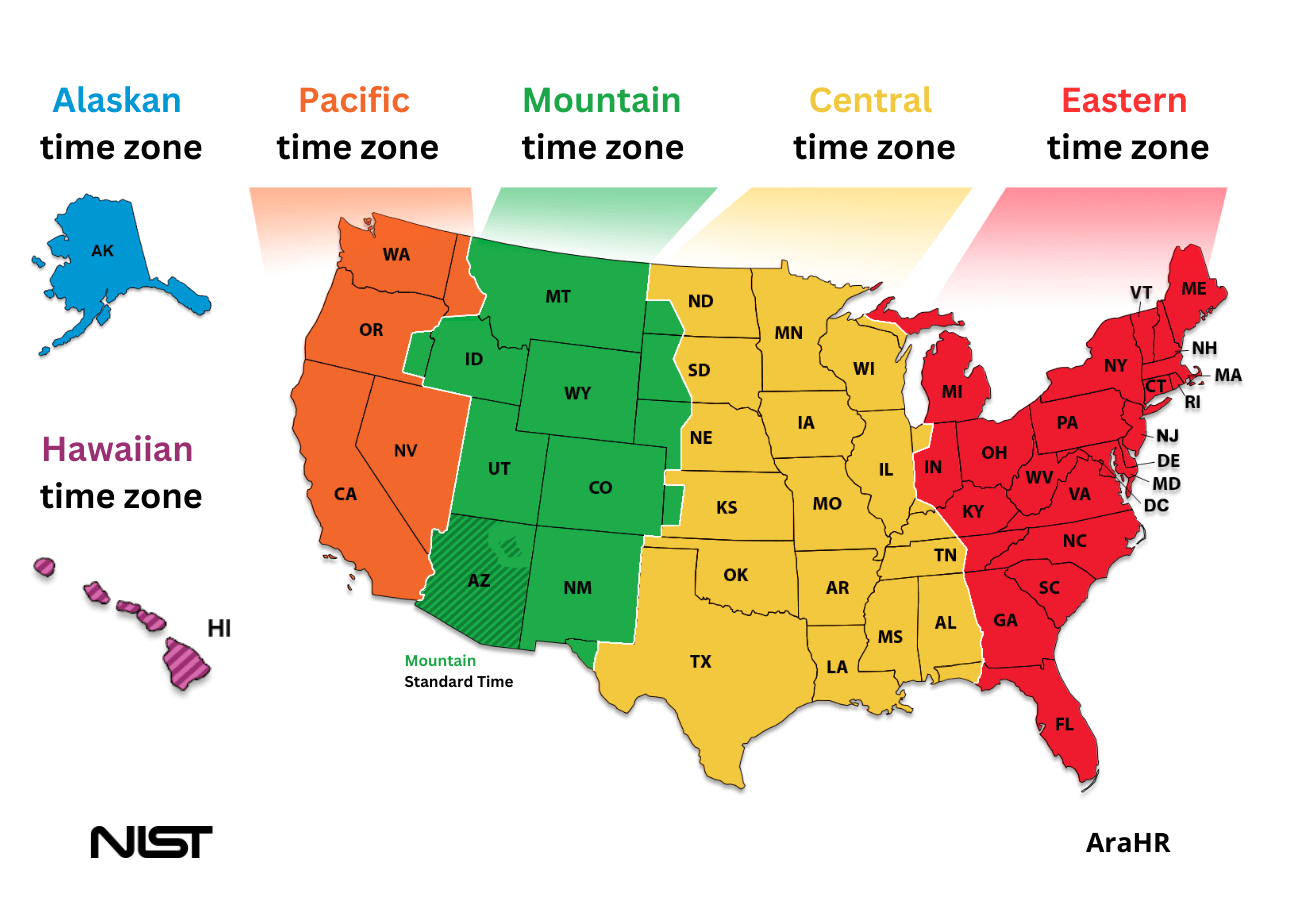
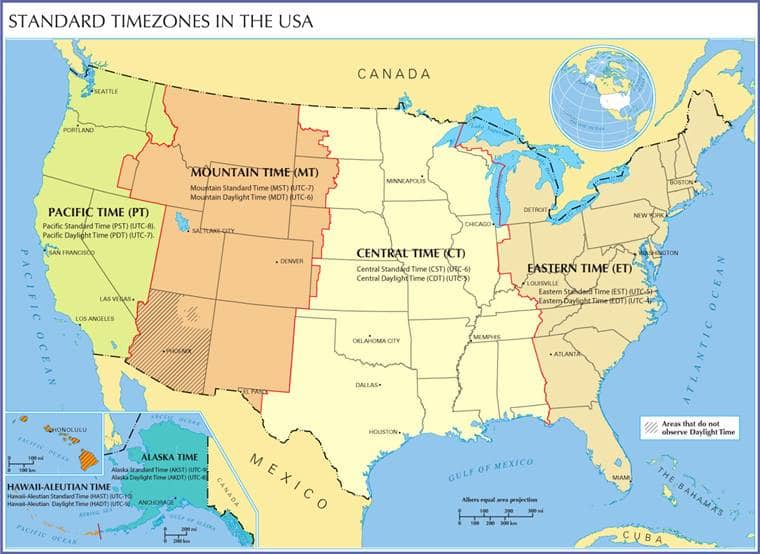
In essence, most of Arizona remains on Mountain Standard Time (MST) year-round. This means it operates at UTC-7 continually. For a good portion of the year, from March to November, when other states in the Mountain Time Zone spring forward to Mountain Daylight Time (MDT), Arizona effectively aligns with Pacific Daylight Time (PDT). This unique temporal dance requires careful consideration, especially for those traveling from different time zones or planning multi-state itineraries. Understanding this local peculiarity is key to a seamless and stress-free journey through one of America’s most stunning destinations.
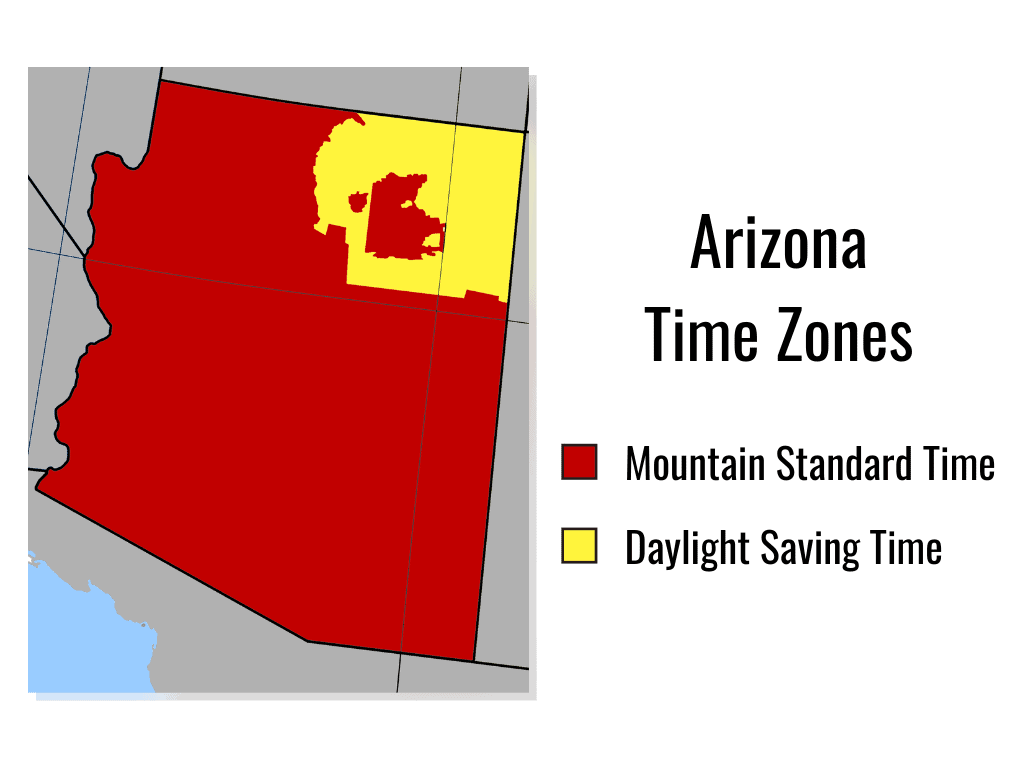
Arizona’s Enduring Time Zone Anomaly
The decision for most of Arizona to opt out of Daylight Saving Time dates back decades and is rooted in practical and historical reasons specific to the desert climate. Unlike regions that benefit from extending daylight hours into the evening, Arizona’s scorching summer heat makes additional daylight a burden rather than a boon. Locals generally prefer to start their days earlier to avoid the intense afternoon sun, and keeping clocks consistent year-round helps maintain this rhythm. The state’s steadfast adherence to Mountain Standard Time offers a unique consistency that, once understood, can be easily navigated by visitors.
This consistent time setting means that from roughly the second Sunday in March to the first Sunday in November, Arizona shares the same local time as California and Nevada (which are on PDT). For the rest of the year, it aligns with Utah, New Mexico, and Colorado (which are on MST). This fluidity in relation to neighboring states is what often leads to confusion, particularly for travelers crossing state lines or connecting flights.
The Navajo Nation’s Unique Time Zone Observance
Adding another layer of complexity to Arizona’s time zone landscape is the distinct practice of the Navajo Nation. As the largest Native American reservation in the United States, the Navajo Nation spans across parts of Arizona, New Mexico, and Utah. Crucially, the Navajo Nation does observe Daylight Saving Time, aligning its clocks with the broader Mountain Time Zone when DST is in effect. This means that for about eight months of the year, the Navajo Nation is one hour ahead of the rest of Arizona.
This can create a particularly intricate situation for travelers exploring landmarks within or near the reservation, such as Monument Valley, Antelope Canyon, and parts of the Grand Canyon National Park. For example, if you’re taking a guided tour of Antelope Canyon, which is located on Navajo Nation land near Page, you must remember that the tour time will be one hour ahead of the time in Phoenix or Sedona during DST.
The Hopi Tribe’s “Time Island”
To further complicate matters, the Hopi Tribe, whose reservation is an enclave entirely surrounded by the Navajo Nation within Arizona, does not observe Daylight Saving Time. This creates a fascinating “time island” effect. During Daylight Saving Time, if you were to travel from Phoenix (MST) to the Hopi Reservation (MST), you’d maintain the same time. However, to reach the Hopi Reservation, you would likely pass through the Navajo Nation, which would be one hour ahead (MDT). This means you could potentially change your clock forward and then back an hour within a relatively short drive. While this level of detail might not impact every traveler, it underscores the importance of verifying local times for specific destinations, especially in the state’s northeastern quadrant.
Navigating Travel and Tourism in Arizona’s Time Zones
For most travelers, the primary concern when visiting Arizona is how its unique time zone affects practical aspects of their trip. From booking flights and accommodations to scheduling tours and dining experiences, a basic understanding of Arizona’s time rules can prevent missed connections, late arrivals, and unnecessary stress. Travel in Arizona is inherently tied to magnificent outdoor attractions and cultural experiences, many of which have strict operating hours or tour departure times.
When arriving by air, whether at Phoenix Sky Harbor International Airport or Tucson International Airport, remember that if you’re flying from a state observing Daylight Saving Time, your flight arrival time will feel earlier than expected. For instance, a flight from Dallas (Central Daylight Time) to Phoenix (MST) during the summer will feel like you gained two hours. Conversely, a flight from Los Angeles (PDT) to Phoenix will arrive at the same local time. Always double-check your arrival and departure times against Arizona’s local time.
Planning Your Itinerary: Flights, Check-ins, and Tours
Successful travel planning hinges on meticulous attention to detail, and time zones are a significant component of that. When booking flights, particularly connecting flights through major hubs like Denver or Chicago, be mindful of the time difference. A layover that looks generous on paper might shrink or expand depending on whether you’re transitioning between a DST-observing state and Arizona. Online booking systems typically display times in the local time of the airport, but it’s always wise to confirm the time difference yourself, especially during the spring and fall time changes.
Accommodation providers, including hotels, resorts, apartments, and villas, will operate strictly on local Arizona time. This impacts check-in and check-out times, spa appointments, dinner reservations, and scheduled resort activities. If you’re staying near the Navajo Nation or planning day trips there, confirm with your hotel or tour operator whether they are operating on [Arizona](https://lifeoutofthebox.com/arizona] time (MST) or Navajo Nation time (MDT during DST). Many tour operators explicitly state which time zone their tours depart from to avoid confusion. For example, tours to Antelope Canyon often mention “Navajo Time.”
Optimizing Your Arizona Adventure
The consistent Mountain Standard Time can actually be an advantage for optimizing your Arizona experience, especially for those who enjoy early mornings or late evenings. With the sun rising and setting at a relatively consistent clock time throughout the year, you can plan your activities with greater predictability. During the summer, for instance, the lack of Daylight Saving Time means the sun sets earlier by the clock, offering spectacular golden hour photo opportunities at popular landmarks like the Grand Canyon or Horseshoe Bend without having to wait until very late in the evening. This is particularly beneficial for family trips, allowing children to enjoy sunset views at a more reasonable hour.
For those interested in local culture and food, understanding the time zone prevents arriving too early or too late for events or dining. Many local festivals, markets, and performances will adhere to Arizona’s non-DST schedule, creating a stable framework for exploring. Consider a leisurely morning exploring the vibrant arts scene in Sedona, followed by an early afternoon hike before the peak heat, and then enjoying an authentic Southwestern dinner as the sun paints the desert sky.
Major Arizona Destinations and Their Time
From the bustling streets of Phoenix and Tucson to the spiritual vortexes of Sedona and the natural wonders of the Grand Canyon, Arizona offers an array of experiences. Knowing the specific time zone status of these key destinations is vital for smooth travel logistics.
The metropolitan areas of Phoenix and Tucson, as well as popular tourist towns like Sedona and Flagstaff, all strictly observe Mountain Standard Time year-round. This consistency makes planning within these regions straightforward. When visiting attractions such as the Desert Botanical Garden in Phoenix, the Pima Air & Space Museum in Tucson, or exploring the vibrant Old Town Scottsdale, you can rely on published operating hours being in MST.
Iconic Landmarks and Their Time Considerations
Many of Arizona’s most famous landmarks require visitors to be punctilious with timing, especially for sunrise and sunset viewings or guided tours.
- Grand Canyon National Park: The South Rim of the Grand Canyon, which is the most visited part, is primarily within Arizona proper and therefore observes Mountain Standard Time year-round. However, if you venture to the East Rim or attractions like Desert View Watchtower, you are getting closer to the Navajo Nation boundary. Always confirm the local time for tour departures, particularly if booking activities originating from within the Navajo Nation (e.g., specific scenic overlooks or cultural experiences). The North Rim, though also in Arizona, is only open seasonally and follows the same MST rule.
- Monument Valley and Antelope Canyon: These breathtaking sites are located within the Navajo Nation and thus adhere to Daylight Saving Time during the appropriate months. This means during DST, they will be one hour ahead of the time in Phoenix or Flagstaff. If you’re driving from Flagstaff to Antelope Canyon for a 10 AM tour in July, you would need to depart Flagstaff well before 9 AM (Arizona Time) to arrive by 10 AM (Navajo Time). Always confirm with your tour operator about the specific time zone they use for booking.
- Petrified Forest National Park: Located in eastern Arizona, this park observes Mountain Standard Time year-round, making its operating hours consistent with the rest of the state.
- Lake Powell / Page: The city of Page observes Mountain Standard Time, as do most businesses and accommodations there. However, the nearby marinas on Lake Powell, especially those managed by concessionaires on the Utah side of the Colorado River, might operate on Mountain Daylight Time during DST. This is critical for boat rentals and tours. Areas around Glen Canyon Dam and Horseshoe Bend are generally on Arizona’s MST.
Lifestyle and Business Impact of Arizona’s Time Zone
Beyond tourism, Arizona’s unique time zone impacts daily life and business operations for residents and frequent visitors alike. For many, the consistency is a welcome aspect of living in the desert, simplifying schedules and providing a predictable rhythm to the day. However, for those conducting business with clients or colleagues in other states, or for families with relatives across state lines, the shifting time differences can require constant vigilance.
From a lifestyle perspective, Arizona’s time zone choice profoundly influences outdoor activities and leisure. The earlier sunset during summer (compared to a state observing DST) means evenings are cooler sooner, making activities like patio dining, evening strolls, or stargazing more comfortable. This contributes to the laid-back, outdoor-centric lifestyle that many Arizona residents cherish. For luxury travelers, this could mean earlier spa appointments to enjoy evening activities, or optimizing golf tee times to beat the heat while still having a full afternoon. Budget travelers might appreciate the earlier availability of evening entertainment or dining specials.
Business Stays and Remote Work Considerations
For business travelers, understanding Arizona’s time zone is paramount. Conference calls, meeting schedules, and deadlines must all account for the state’s non-observance of Daylight Saving Time. During DST, Arizona is three hours behind New York City, two hours behind Chicago, one hour behind Denver, and on the same time as Los Angeles. This can be advantageous for West Coast business interactions but requires adjustments for East Coast dealings.
Remote workers choosing Arizona as their base also face this dynamic. While the consistent time zone within the state is a blessing, coordinating with teams across the United States necessitates a diligent approach to scheduling. Many companies with a presence in Arizona have adopted internal policies to manage these time differences effectively, often emphasizing calendar invites that automatically adjust to the recipient’s local time.
Local Amenities and Everyday Living
Even for those considering a long-term stay or relocation to Arizona, the time zone factors into daily life. School schedules, public transportation (like local bus systems or the Valley Metro Rail in Phoenix), bank hours, and government offices all operate on Mountain Standard Time. This provides a sense of stability, but requires an initial mental adjustment for newcomers from DST-observing regions. Package delivery services, appointment bookings, and even television schedules follow this consistent local time.
Understanding “What Timezone Is Arizona In?” is more than just a trivial fact; it’s a key piece of information that enhances any travel, accommodation, tourism, or lifestyle decision in the state. By being aware of Arizona’s unique stance on Daylight Saving Time and the specific exception of the Navajo Nation, visitors can ensure their experience is as smooth and enjoyable as the legendary Arizona sunsets. So, set your watches, confirm your tour times, and prepare for an unforgettable journey through a truly unique American landscape.
LifeOutOfTheBox is a participant in the Amazon Services LLC Associates Program, an affiliate advertising program designed to provide a means for sites to earn advertising fees by advertising and linking to Amazon.com. Amazon, the Amazon logo, AmazonSupply, and the AmazonSupply logo are trademarks of Amazon.com, Inc. or its affiliates. As an Amazon Associate we earn affiliate commissions from qualifying purchases.