
For any traveler embarking on a journey to the historic and vibrant city of Boston, understanding its timezone is far more than a mere geographical detail; it’s a fundamental aspect of seamless travel planning and a comfortable, productive visit. Situated on the northeastern seaboard of the United States, Boston operates within the Eastern Time Zone, a critical piece of information that influences everything from flight schedules and accommodation check-ins to managing jet lag and coordinating with loved ones back home. This guide delves into the specifics of Boston’s time, offering practical insights for a well-prepared and enjoyable travel experience.

Eastern Time Zone: Boston’s Chronological Anchor
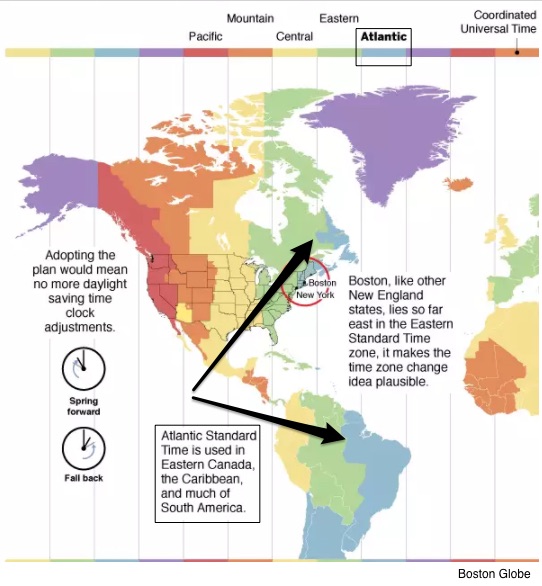
Boston, like much of the East Coast of the United States, adheres to the Eastern Time Zone (ET). This designation places the city at a specific offset from Coordinated Universal Time (UTC), the primary time standard by which the world regulates clocks and time. Understanding this offset and its seasonal variations is the first step in mastering your travel logistics.
Understanding Eastern Standard Time (EST)
During the colder months, roughly from early November to mid-March, Boston observes Eastern Standard Time (EST). This translates to UTC-5, meaning Boston is five hours behind Coordinated Universal Time. For travelers arriving from locations to the east, such as Europe or Africa, this signifies that Boston’s local time will be significantly earlier than their departure point. Conversely, those traveling from the West Coast of the United States or Asia will find Boston’s time to be later than their origin.
The Eastern Time Zone is one of the most populous time zones in the United States, encompassing major cities and economic hubs beyond Boston, including New York City, Washington D.C., and Miami. This consistency across a vast region simplifies domestic travel within the East Coast and streamlines business operations across several states. For international travelers, understanding the UTC-5 offset during EST is crucial for accurately converting flight times, hotel bookings, and scheduled events to local Boston time.
Eastern Daylight Time (EDT) and Seasonal Shifts
As the days lengthen and spring arrives, Boston transitions to Eastern Daylight Time (EDT). This change typically occurs on the second Sunday in March when clocks “spring forward” by one hour. During EDT, the time offset becomes UTC-4, meaning Boston is now four hours behind Coordinated Universal Time. This shift is designed to make better use of daylight hours during the warmer seasons, pushing sunsets later into the evening.
The period of EDT usually extends until the first Sunday in November, when clocks “fall back” by one hour, returning to EST. For travelers, these seasonal adjustments are vital. If your trip spans a daylight saving time change, you’ll need to remember to adjust your watch and electronic devices accordingly. Airlines and other travel service providers will always list times in local time, but being aware of the shift helps avoid any confusion, particularly for flights departing or arriving around the changeover dates. The longer daylight hours under EDT can significantly enhance the travel experience, allowing for more outdoor activities and extended sightseeing opportunities, from enjoying the Boston Common to evening strolls along the Freedom Trail.
Navigating Jet Lag When Traveling to Boston
Crossing multiple time zones can lead to jet lag, a common affliction for travelers that can disrupt sleep patterns, energy levels, and overall well-being. When traveling to Boston, especially from countries to the east or west with significant time differences, understanding and mitigating jet lag is crucial for an enjoyable trip.
Preparing for Your Boston Arrival
Proactive measures taken before you even leave can significantly reduce the impact of jet lag. If you’re traveling eastward to Boston (e.g., from Europe), try gradually shifting your sleep schedule earlier by an hour or two each night in the days leading up to your departure. Conversely, if you’re traveling westward (e.g., from Asia), try staying up later. On the flight itself, hydration is key; avoid excessive caffeine and alcohol, as they can exacerbate dehydration and interfere with sleep. Immediately upon boarding, or at least once airborne, set your watch to Boston’s local time. This psychological adjustment helps prepare your mind for the new schedule. During long flights, try to sleep during what would be nighttime in Boston and stay awake during its daylight hours, even if it feels unnatural.
Strategies for Minimizing Jet Lag on the Ground
Once you arrive in Boston, your primary goal should be to adapt to the local time as quickly as possible. The most effective strategy is strategic exposure to natural light. Upon arrival, try to spend time outdoors during Boston’s daylight hours, especially in the morning, to help reset your circadian rhythm. Take a walk along the Charles River Esplanade or explore the historic streets of Beacon Hill.
While it might be tempting to nap extensively, resist the urge for long naps. If you must nap, keep it short (20-30 minutes) and early in the afternoon. Prioritize going to bed at a reasonable local time, even if you don’t feel tired. Adjust your meal times to match local customs, which also aids in circadian rhythm adjustment. Staying active, even with light exercise, can boost energy levels and promote better sleep at night. Remember, jet lag is temporary, and adhering to these strategies will help you quickly acclimate and make the most of your time exploring Boston’s myriad attractions.
The Practicalities of Boston’s Time Zone for Travelers
Beyond simply knowing the current time, Boston’s timezone has profound practical implications for every aspect of your travel itinerary, from arrival to daily activities and communication.
Coordinating Flights and Schedules
The most immediate impact of Boston’s timezone is on air travel. All flight times – departure, arrival, and connection – are listed in local time. When booking, always double-check the time zone for each leg of your journey, especially for international flights or those with tight connections. A flight departing London at 10 AM local time will arrive in Boston in the early afternoon, despite a flight duration that might span many hours, due to the significant time difference. Missing a connecting flight because of a time zone miscalculation is a common, and avoidable, travel mishap. Confirm airport transfer arrangements with your hotel or chosen service, ensuring they are aware of your arrival time in Boston’s local time.
Planning Activities and Dining
Boston’s vibrant cultural scene and culinary landscape offer countless opportunities, but they all operate on local time. When booking tickets for attractions like the Museum of Fine Arts, the Isabella Stewart Gardner Museum, or a show at the Boston Opera House, ensure your internal clock is aligned. The same applies to dining reservations at renowned establishments like Legal Sea Foods or the historic Union Oyster House. Many popular spots can be fully booked, so arriving late due to confusion about time could mean missing out. Familiarize yourself with typical opening and closing hours for shops, museums, and restaurants, keeping in mind that these will be Boston’s local hours. Planning your daily itinerary with this in mind will allow for smooth transitions between activities and optimize your sightseeing schedule.
Communicating with Home and Business
Maintaining contact with family, friends, or colleagues in different time zones requires careful consideration. If you’re traveling from Europe, for example, a morning call in Boston could mean late afternoon or early evening for your contacts, while a late Boston evening might be the middle of the night for them. Use a world clock app to easily calculate time differences before scheduling video calls, phone conversations, or important virtual meetings. This foresight prevents untimely interruptions and ensures effective communication, whether for personal updates or business responsibilities. For instance, a 9 AM meeting in Boston (EST/EDT) would be 2 PM or 3 PM in London (GMT/BST), and as late as midnight or 1 AM the next day in Tokyo.
Boston Time: A Gateway to New England Exploration
The consistency of the Eastern Time Zone across the entire New England region simplifies travel beyond Boston’s city limits, making day trips and multi-state explorations incredibly straightforward.
Regional Time Zone Consistency
A significant advantage for travelers exploring the wider New England area is that all six states – Massachusetts, Maine, New Hampshire, Vermont, Rhode Island, and Connecticut – observe the same Eastern Time Zone (EST/EDT). This means you can seamlessly travel from Boston to the picturesque coastlines of Maine, the scenic mountains of Vermont or New Hampshire, or the charming towns of Rhode Island and Connecticut without having to adjust your watch. This uniformity greatly simplifies planning road trips, booking accommodations in different states, and adhering to scheduled tours or ferry departures.
Day Trips and Excursions
The consistent time zone facilitates effortless planning for day trips and longer excursions from Boston. Whether you’re heading south to explore the historical reenactments at Plimoth Patuxet Museums in Plymouth, venturing to the beautiful beaches and quaint villages of Cape Cod, or driving north to the charming seaside city of Portsmouth, New Hampshire, your time remains constant. This allows for clear scheduling of travel times, activity bookings, and dining arrangements without the added complexity of time zone changes, enabling you to maximize your exploration of New England’s diverse landscapes and rich history.
Historical Context: Why Time Zones Matter
The concept of standardized time zones is a relatively modern invention, born out of necessity during the industrial revolution and the expansion of railway networks. Before this, each town typically kept its own “local time,” based on the sun’s highest point, leading to a chaotic system where times varied even within short distances.
The Evolution of Standard Time
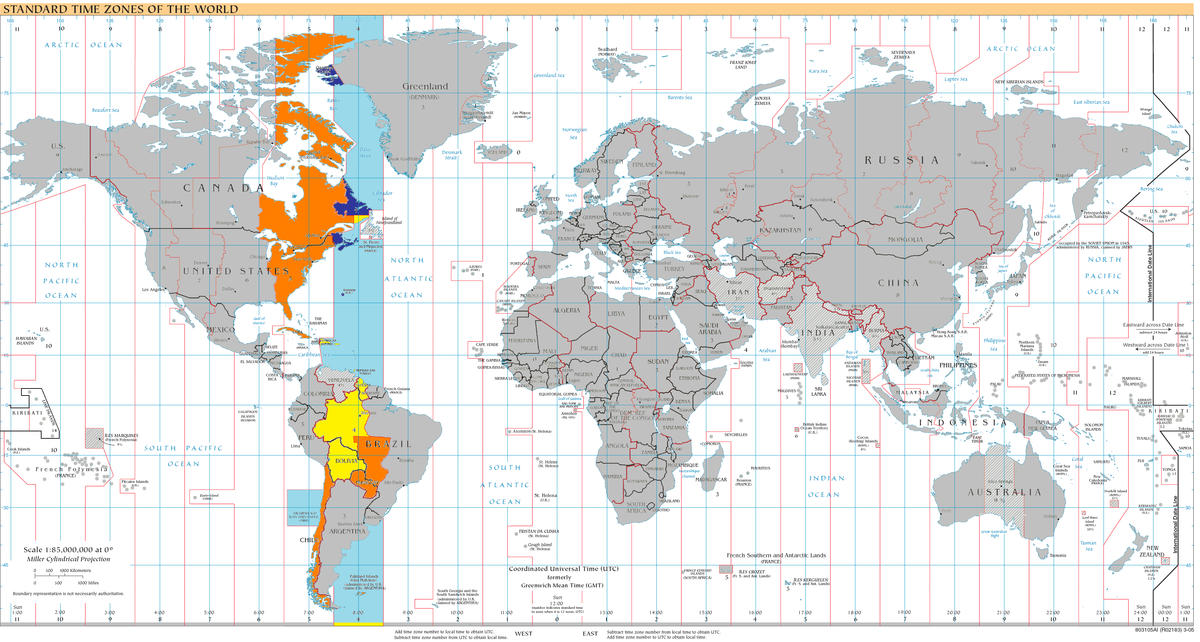
The proliferation of railroads in the 19th century made this lack of standardization unsustainable. Train schedules became a nightmare, causing confusion, delays, and even accidents. The need for a unified system became paramount. In 1884, at the International Meridian Conference in Washington D.C., delegates from 25 nations adopted a global system of standard time zones, based on the prime meridian passing through Greenwich, England. This system divided the world into 24 time zones, each approximately 15 degrees of longitude wide, with an hour difference between adjacent zones. A key figure in advocating for this global system was Sir Sandford Fleming, a Canadian engineer, whose relentless campaigning highlighted the practical benefits of such a scheme.
Boston’s Role in American Time
Like other major American cities, Boston initially observed its own local mean time, based on its specific longitude. However, with its burgeoning port and significant rail connections, Boston quickly adopted the standardized Eastern Time Zone alongside other major cities on the East Coast once the system was implemented in the United States in 1883. This adoption aligned Boston with a broader national framework, facilitating communication and commerce across the expanding country and cementing its place within the crucial Eastern Time Zone.
In conclusion, knowing that Boston is in the Eastern Time Zone (EST/EDT) is more than just a fact; it’s a foundational element for any successful trip. From meticulously planning your arrival and managing the effects of jet lag to coordinating your daily activities and staying connected with your home base, understanding this chronological anchor ensures a smooth, enjoyable, and well-organized travel experience in this historically rich and dynamic city.
LifeOutOfTheBox is a participant in the Amazon Services LLC Associates Program, an affiliate advertising program designed to provide a means for sites to earn advertising fees by advertising and linking to Amazon.com. Amazon, the Amazon logo, AmazonSupply, and the AmazonSupply logo are trademarks of Amazon.com, Inc. or its affiliates. As an Amazon Associate we earn affiliate commissions from qualifying purchases.