
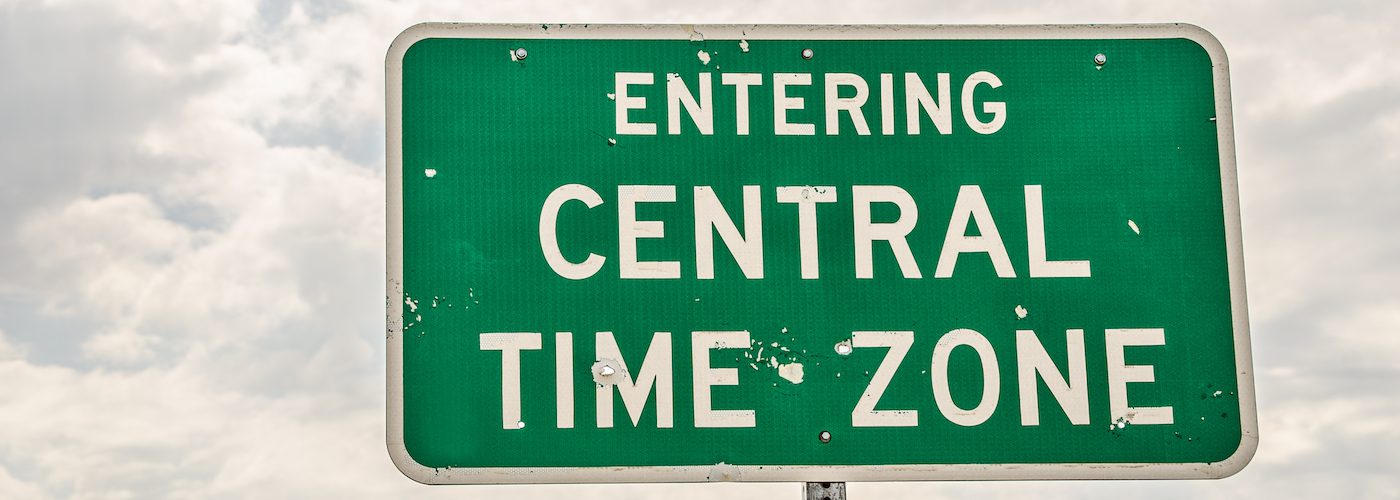
Planning a trip to the bustling metropolis of Chicago, Illinois? Beyond mapping out your must-see landmarks and booking the perfect accommodation, one seemingly small detail can have a significant impact on your travel experience: understanding the local time zone. For any traveler, whether you’re arriving from across the globe or just a few states away, knowing the correct time in your destination is crucial for everything from catching flights and making dinner reservations to adjusting your internal clock and minimizing jet lag. So, let’s cut straight to the chase: Chicago, Illinois, operates on the Central Time Zone (CT). This means it is typically UTC-6 during Central Standard Time (CST) and UTC-5 during Central Daylight Time (CDT). This guide will delve deeper into what that means for your journey, offering insights to ensure your visit to the Windy City is as seamless and enjoyable as possible, touching upon everything from practical travel considerations to maximizing your tourism experiences.
Understanding Time Zones and Chicago’s Place in the Global Clock
Time zones are geographical regions that observe a uniform standard time. They were established to synchronize clocks within regions and facilitate commerce, communication, and travel across vast distances, especially with the advent of railroads in the 19th century. The system is based on dividing the Earth into 24 sections, each ideally 15 degrees of longitude wide, with a reference point at the Prime Meridian (0 degrees longitude), which sets Coordinated Universal Time (UTC).
Central Time Zone (CT) Explained
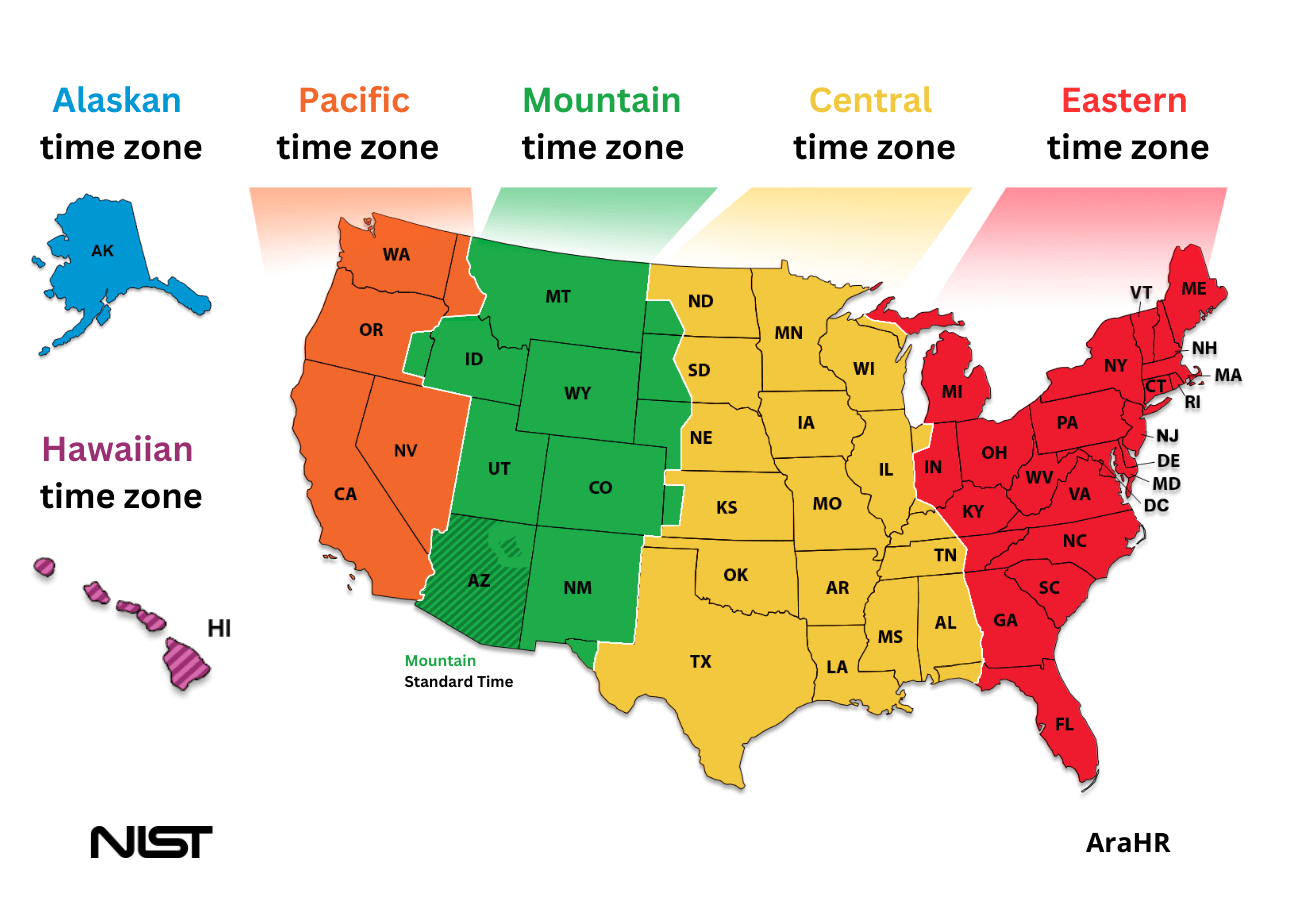
The Central Time Zone (CT) is one of the six standard time zones observed in the United States and Canada, covering much of the Midwest and some southern states. When Daylight Saving Time is not in effect, from early November to mid-March, Chicago observes Central Standard Time (CST), which is 6 hours behind Coordinated Universal Time (UTC-6). However, like most of the United States, Chicago switches to Daylight Saving Time (DST) in mid-March, moving its clocks forward by one hour. During this period, from mid-March to early November, the city observes Central Daylight Time (CDT), which is 5 hours behind Coordinated Universal Time (UTC-5). This shift means an hour less difference from UTC, effectively “moving” it closer to Greenwich Mean Time (GMT) during the longer daylight months. It’s a critical detail for travelers, as it affects local operating hours, event timings, and even your body’s adjustment.
Geographic Context: Why Chicago is in CT
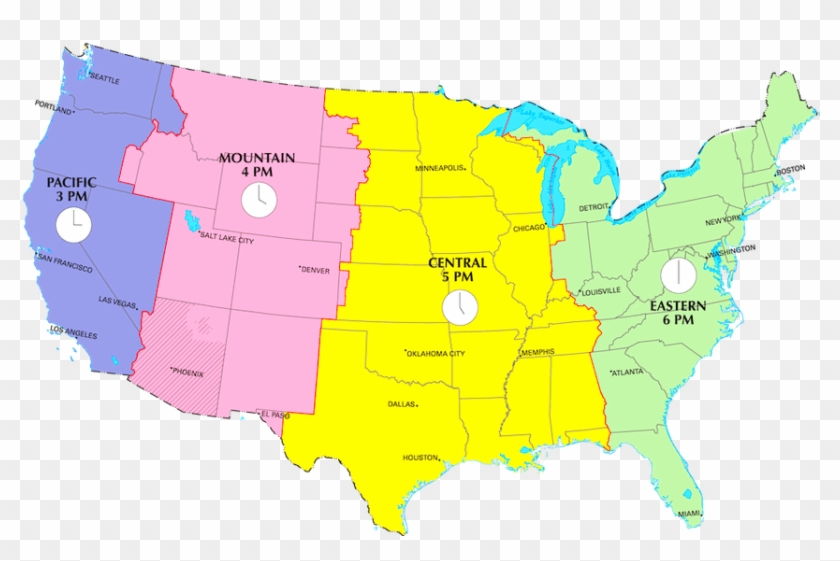
Chicago’s location firmly places it within the Central Time Zone. Geographically, it sits around 87 degrees west longitude, aligning well with the 90-degree meridian that largely defines the center of the Central Time Zone in North America. This zone extends from the Gulf of Mexico north through Canada and includes states such as Texas, Oklahoma, Kansas, Nebraska, Minnesota, Iowa, Missouri, Arkansas, Louisiana, Mississippi, Wisconsin, parts of North Dakota, South Dakota, Michigan, Indiana, Kentucky, and Tennessee. For instance, cities like Houston, Dallas, Kansas City, Minneapolis, and St. Louis share the same time zone as Chicago, making travel between these locations straightforward from a time perspective. However, travelers arriving from the Eastern Time Zone (e.g., New York City, Miami) will need to set their clocks back one hour, while those coming from the Mountain Time Zone (e.g., Denver) will move their clocks forward one hour, and those from the Pacific Time Zone (e.g., Los Angeles, San Francisco, Seattle) two hours forward. International travelers will experience even larger shifts, necessitating careful planning.
Practical Implications for Travelers to Chicago
Understanding Chicago’s time zone goes beyond mere trivia; it’s a fundamental aspect of successful travel planning and enjoyment. From ensuring you don’t miss a flight to optimizing your itinerary, a grasp of time differences is key.
Planning Your Trip: Flights, Accommodation, and Activities
When booking flights to O’Hare International Airport (ORD) or Midway International Airport (MDW), all listed times will be in the local time zone of the respective airport. For example, a flight departing New York City (Eastern Time, ET) at 9:00 AM will arrive in Chicago (Central Time, CT) at what feels like 10:00 AM ET, but locally will be 9:00 AM CT, assuming a 2-hour flight. Always double-check arrival and departure times against your personal clock to avoid confusion.
Hotel check-in and check-out times are strictly adhered to in the local time zone. Most hotels, from luxury resorts to budget-friendly apartments, typically have a 3:00 PM check-in and 11:00 AM or 12:00 PM check-out. If you arrive early from the East Coast, your 10:00 AM arrival might feel like 11:00 AM to you, but it’s still hours before standard check-in. Communicate with your accommodation provider, whether a hotel, suite, or villa, about early check-in options or luggage storage. Similarly, tour departures, attraction opening hours (e.g., for the Willis Tower Skydeck or the Art Institute of Chicago), and restaurant reservations are all scheduled in Central Time. Always confirm your bookings and schedules in advance, especially when transitioning between standard and Daylight Saving Time, as this shift can sometimes cause momentary confusion.
Battling Jet Lag and Maximizing Your Visit
Traveling across time zones can lead to jet lag, a temporary sleep disorder caused by desynchronization of your body’s internal clock (circadian rhythm) with the new time zone. While a one-hour difference from the Eastern Time Zone is usually manageable, traveling from the West Coast (a two-hour difference) or internationally (e.g., from London or Paris with 6-7 hour differences) can be more challenging.
Here are some tips to minimize its effects:
- Adjust Before You Go: A few days before your trip to Chicago, try to shift your sleep schedule by 30-60 minutes each day in the direction of Chicago’s time.
- Hydrate: Drink plenty of water before, during, and after your flight. Avoid excessive caffeine and alcohol, which can disrupt sleep.
- Embrace Local Time: Upon arrival, immediately adjust your watch and mindset to Central Time. Try to eat meals and go to bed according to local schedules, even if you don’t feel hungry or tired.
- Seek Sunlight: Exposure to natural light, especially in the morning, helps reset your body clock. Spend time outdoors exploring Chicago’s attractions like Millennium Park or the Chicago Riverwalk.
- Short Naps: If you must nap, keep it short (20-30 minutes) to avoid falling into deep sleep, which can worsen disorientation.
- Stay Active: Gentle exercise, such as walking around the city, can help alleviate symptoms and improve sleep quality.
By proactively addressing potential jet lag, you can ensure you’re refreshed and ready to experience all that Chicago has to offer from the moment you arrive.
Exploring Chicago: A City for Every Time of Day
Chicago’s dynamic blend of landmarks, culinary delights, and vibrant neighborhoods ensures there’s always something to do, regardless of the hour. Your understanding of the Central Time Zone will directly influence how you plan and experience these aspects of your travel.
Iconic Landmarks and Attractions
Chicago is a treasure trove of iconic sights, many of which have specific operating hours. The Willis Tower (formerly Sears Tower), with its thrilling Skydeck offering panoramic views, typically opens at 9:00 AM or 10:00 AM and closes between 8:00 PM and 10:00 PM, depending on the season. Arriving early can help you beat the crowds, especially if you’re coming from an earlier time zone and are naturally waking up early. The renowned Art Institute of Chicago, home to masterpieces, opens at 10:30 AM. Similarly, museums like the Field Museum, Shedd Aquarium, and Adler Planetarium (all located within the Museum Campus) generally operate from 9:00 AM or 9:30 AM to 5:00 PM or 5:30 PM.
Outdoor attractions, such as the famous Cloud Gate sculpture (affectionately known as “The Bean”) in Millennium Park, Grant Park, and the Chicago Riverwalk, are accessible virtually all day and night. However, organized boat tours or architectural cruises along the Chicago River will have scheduled departure times that strictly adhere to Central Time. Even a leisurely stroll along The Magnificent Mile for shopping is best planned around store opening and closing hours, usually 10:00 AM to 7:00 PM or 8:00 PM. Always check the official websites for the most up-to-date operating hours, as these can vary by season, holiday, or special events.
Culinary Delights and Nightlife
Chicago’s reputation as a foodie paradise is well-deserved, from its iconic deep-dish pizza to Michelin-starred restaurants. Restaurant reservations, especially for popular spots, are essential and, naturally, are made in Central Time. If you’re planning a special evening, consider that dinner service typically begins around 5:00 PM or 6:00 PM and can extend late into the night. Popular brunch spots often open their doors as early as 8:00 AM or 9:00 AM on weekends.
The city’s nightlife is equally vibrant, with bars, live music venues, and clubs scattered across neighborhoods like River North, Wicker Park, and Lincoln Park. Many bars in Illinois are open until 2:00 AM, with some extending to 4:00 AM on Saturdays. Being aware of the local time ensures you don’t miss out on enjoying a post-dinner drink or catching a late-night show. For travelers whose body clocks are still adjusting, the late-night options can be a welcome way to ease into the new schedule.
Accommodation Choices and Their Impact on Your Stay
Chicago boasts an impressive array of hotels, from luxurious 5-star properties to charming boutique hotels and practical budget accommodations. Premier choices like The Peninsula Chicago, Four Seasons Hotel Chicago, and Waldorf Astoria Chicago on The Magnificent Mile offer exceptional amenities, often including 24-hour concierge services that can assist with any time-related queries or last-minute bookings. If you arrive significantly before standard check-in (e.g., a red-eye flight from the West Coast), consider booking the room for the night before or requesting an early check-in. While not always guaranteed, especially during peak seasons, hotels often try to accommodate guests when possible, particularly if you’re part of a loyalty program. Conversely, if you have a late flight, inquire about late check-out options or if the hotel can store your luggage, allowing you to enjoy your final hours in the city without being burdened. These details, though seemingly minor, contribute significantly to a stress-free and enjoyable travel experience.
Making the Most of Your Chicago Experience
Beyond just knowing the time, strategically utilizing your knowledge of Chicago’s time zone can truly enhance your overall lifestyle and travel experience in the city.
Seasonal Considerations and Daylight Hours
The duration of daylight hours in Chicago varies dramatically throughout the year, impacting your outdoor activity planning. In summer (June to August), with Daylight Saving Time in full effect, sunrise can be as early as 5:15 AM CDT, and sunset can be as late as 8:30 PM CDT. This extended daylight is perfect for enjoying lakefront activities, architecture tours, and outdoor dining. Conversely, during winter (December to February), when Central Standard Time is observed, sunrise might not be until after 7:00 AM CST, and sunset can be as early as 4:20 PM CST. This means fewer daylight hours for sightseeing, so planning indoor attractions like museums, shopping on The Magnificent Mile, or attending a show in the Chicago Theater District becomes more crucial. Being aware of these seasonal changes in daylight helps you organize your days effectively, ensuring you don’t miss out on any experiences due to misjudging available light.
Travel Tips for a Seamless Visit
To ensure a smooth transition and fully immerse yourself in Chicago’s vibrant atmosphere, incorporate these travel tips:
- Update All Devices: Ensure your smartphone, tablet, and smartwatches automatically update to the local time. Most modern devices do this automatically when you connect to a local network or via GPS.
- Confirm Booking Times: Before arriving, reconfirm all critical booking times – flights, hotel check-ins, tour departures, and restaurant reservations – explicitly noting they are in Central Time to eliminate any doubt.
- Utilize World Clock Apps: If you’re coordinating with people in different time zones, a world clock app can be invaluable for scheduling calls or virtual meetings without confusion.
- Inform Contacts: Let family and friends know your new time zone so they can adjust their communication with you accordingly.
- Embrace Flexibility: Despite meticulous planning, sometimes things don’t go exactly as expected. Build a bit of flexibility into your itinerary to accommodate any minor time-related hiccups.
By keeping these practicalities in mind, you can navigate the intricacies of time zones with ease and focus on enjoying your Chicago adventure to the fullest.
In conclusion, Chicago, Illinois, operates on the Central Time Zone, observing Central Standard Time (UTC-6) during winter months and Central Daylight Time (UTC-5) during Daylight Saving Time. This fundamental piece of information is the bedrock for all your travel planning, from booking flights and securing accommodation to scheduling your visits to iconic landmarks and enjoying the city’s culinary scene. By understanding and accounting for the time zone, especially when dealing with Daylight Saving Time shifts and potential jet lag, you’re well-equipped to experience the vibrant culture, rich history, and modern marvels of Chicago without a single missed beat. Enjoy your journey to this magnificent Midwestern gem!
LifeOutOfTheBox is a participant in the Amazon Services LLC Associates Program, an affiliate advertising program designed to provide a means for sites to earn advertising fees by advertising and linking to Amazon.com. Amazon, the Amazon logo, AmazonSupply, and the AmazonSupply logo are trademarks of Amazon.com, Inc. or its affiliates. As an Amazon Associate we earn affiliate commissions from qualifying purchases.