
Colorado, a gem nestled in the heart of the United States, is renowned for its majestic Rocky Mountains, vibrant cities, and unparalleled outdoor adventures. Whether you’re planning a thrilling ski trip to Vail or a cultural exploration in Denver, understanding the local time zone is a fundamental aspect of seamless travel and an enriched experience. The Centennial State consistently operates on Mountain Time, a crucial piece of information for any traveler, business professional, or prospective resident. This detailed guide delves into the specifics of Colorado’s time zone, its implications for travel and lifestyle, and how to make the most of your visit, ensuring a smooth transition into the rhythm of the mountains.

Understanding Colorado’s Time Zone: Mountain Standard Time (MST)
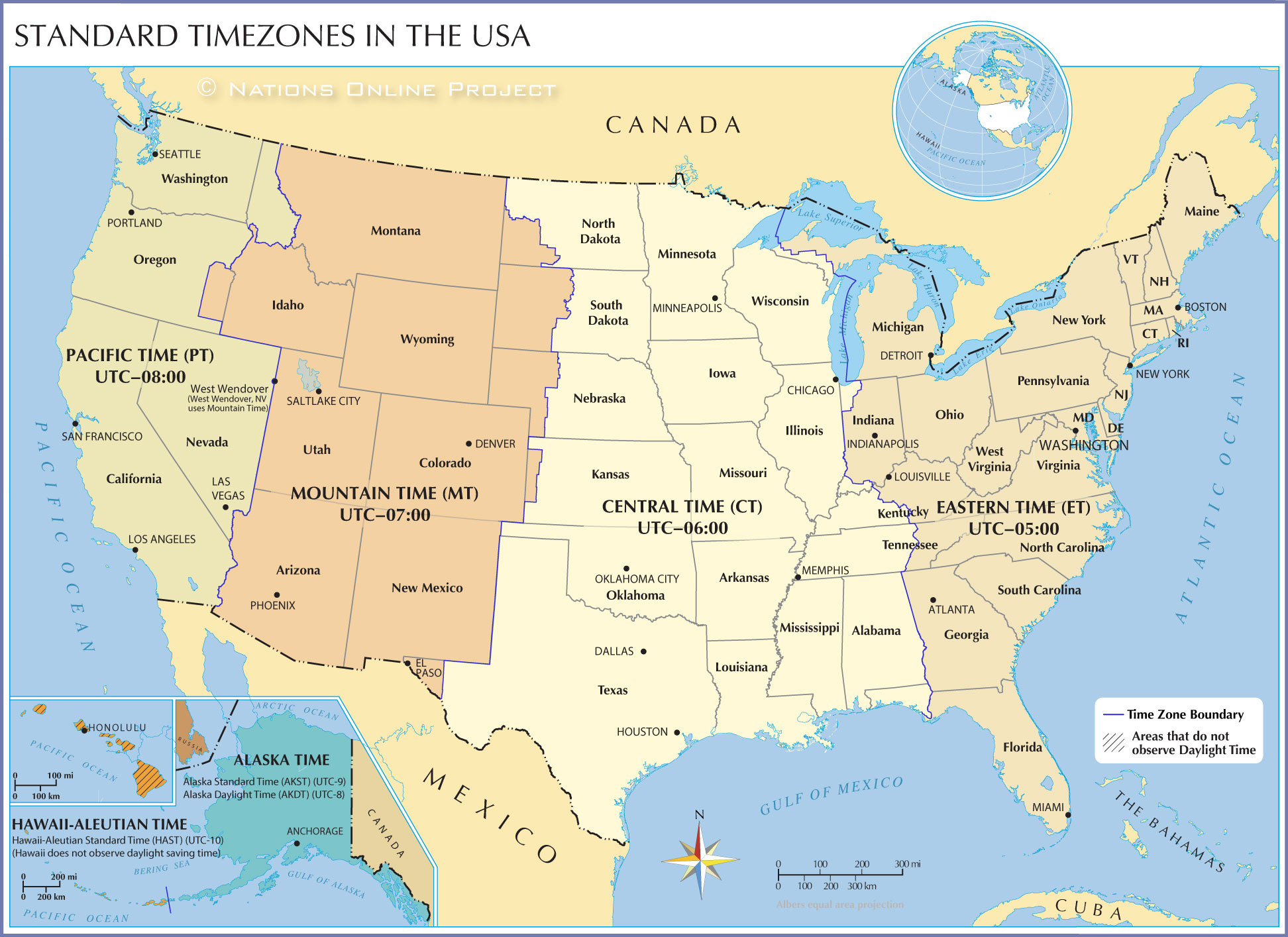
Colorado exclusively observes Mountain Time. This means that throughout the year, the state adheres to either Mountain Standard Time (MST) or Mountain Daylight Time (MDT). This consistent approach simplifies planning, as there are no internal time zone divisions within the state, unlike some larger counterparts in the United States.
The Basics of MST and MDT
Mountain Standard Time (MST) is UTC-7, meaning it is seven hours behind Coordinated Universal Time. During the warmer months, typically from the second Sunday in March to the first Sunday in November, Colorado switches to Mountain Daylight Time (MDT), which is UTC-6. This change, known as Daylight Saving Time, pushes the clocks forward by one hour, effectively granting an extra hour of daylight in the evenings. The consistent application of these two time settings across the entire state makes it straightforward for visitors and residents alike to manage their schedules. For instance, when it’s 12:00 PM (noon) in Denver during MDT, it would be 2:00 PM in the Eastern Time Zone and 9:00 AM in the Pacific Time Zone. This shift allows for more extended daylight hours, which perfectly complements Colorado’s emphasis on outdoor activities and scenic exploration.
Geographical Impact on Time
Colorado’s position in the geographical center-west of the United States places it squarely within the Mountain Time Zone. It shares this time zone with neighboring states like Wyoming, Utah, New Mexico, parts of Idaho, and parts of Arizona (though Arizona notably does not observe Daylight Saving Time in most areas). To its east, states like Kansas and Nebraska transition into the Central Time Zone, while to its west, states like Nevada and California operate on Pacific Time Zone. This geographical alignment means that travelers arriving from the east will turn their clocks back one or two hours, while those from the west will turn them forward one hour. Understanding these time differences is paramount, not just for scheduling flights and appointments, but also for adjusting your internal clock and making the most of your Colorado adventure. The impact of the time zone extends beyond mere clock-watching; it influences everything from the timing of sunrise and sunset, which affects outdoor activities, to the operating hours of local businesses and attractions in cities like Boulder or Colorado Springs.
Planning Your Trip: Time Zone Considerations for Travelers
For visitors, especially those arriving from distant time zones, adjusting to Colorado’s Mountain Time is a key factor in ensuring a pleasant and productive trip. Jet lag can significantly impact your initial days, affecting your energy levels and enjoyment. Thoughtful planning can mitigate these effects.
From Arrival to Departure: Adjusting to Colorado Time
Upon arrival at Denver International Airport (DIA), one of the busiest airports in the world, your first step will be to reset your watch and internal clock. For travelers from the Eastern Time Zone, this means a two-hour backward adjustment, while those from the Central Time Zone will adjust one hour. West Coast travelers, conversely, will move forward one hour. It’s often recommended to start adjusting your sleep schedule a few days before your trip by gradually shifting your bedtime and wake-up times to align with Mountain Time. Once in Colorado, prioritize hydration, especially given the state’s high altitude, and try to expose yourself to natural light during the day to help regulate your circadian rhythm. If you’re staying at a resort like the St. Regis Aspen Resort or a historic hotel like the Brown Palace Hotel and Spa, inquire about early check-in options or luggage storage so you can immediately begin exploring without waiting around. Avoiding heavy meals and excessive caffeine or alcohol on your first day can also aid in acclimatization, allowing you to quickly immerse yourself in the local lifestyle and natural beauty without feeling drained.
Optimizing Your Itinerary: Daytime Activities and Evening Relaxation
Colorado’s appeal lies largely in its outdoor activities, which are inherently time-sensitive. During MDT, the extended daylight hours allow for longer hikes in Rocky Mountain National Park, more time on the slopes at Breckenridge Ski Resort, or extended exploration of natural wonders like the Garden of the Gods near Colorado Springs. When planning your itinerary, consider scheduling more strenuous activities for the morning when your energy levels are highest, especially if you’re still adjusting to the time change and altitude. For example, aiming for an early start to hike Pikes Peak or explore Mesa Verde National Park allows you to beat the crowds and enjoy cooler temperatures. Afternoons can be reserved for cultural attractions, leisurely strolls through charming towns like Durango or Telluride, or visiting museums in Denver. Evenings in Colorado offer spectacular sunsets and opportunities for fine dining, perhaps at a high-altitude restaurant in Aspen, or catching a concert at the iconic Red Rocks Amphitheatre. By strategically planning your days around the local time, you can maximize your experiences and ensure you have ample time for both adventure and relaxation, making your trip truly unforgettable.
Colorado by Time of Day: Experiences Across the State
Colorado’s diverse landscapes and vibrant communities offer a myriad of experiences throughout the day, each enhanced by the state’s unique time zone. The rhythm of Mountain Time dictates the pulse of daily life, from pre-dawn adventures to starlit evenings.
Morning Adventures: Hitting the Slopes or Trails Early
The crisp Colorado mornings, often bathed in golden light, are perfect for seizing the day. For winter sports enthusiasts, hitting the slopes at resorts like Keystone Resort or Winter Park Resort right when the lifts open can mean fresh powder and fewer crowds. The early hours offer optimal conditions for skiing, snowboarding, or snowshoeing before the sun fully warms the snow. Similarly, during the warmer months, hikers and climbers often start their excursions well before sunrise to tackle challenging peaks like Mount Elbert, the highest point in Colorado, or to witness breathtaking sunrises over the vast expanse of the Great Sand Dunes National Park and Preserve. An early start in Rocky Mountain National Park increases your chances of spotting wildlife such as elk, bighorn sheep, and marmots as they begin their day. Even in urban areas like Fort Collins or Grand Junction, mornings are ideal for a refreshing bike ride along scenic trails or a tranquil walk through local parks, capitalizing on the cooler temperatures and peaceful ambiance.
Afternoon Exploration: Urban Delights and Scenic Drives
As the morning transitions into afternoon, Colorado offers a blend of cultural immersion and scenic exploration. Cities like Denver and Boulder come alive with bustling markets, art galleries, and diverse culinary scenes. Afternoons are perfect for exploring museums, historic districts, and unique boutiques. Take a leisurely drive along the Front Range for panoramic views, or venture into the mountains for iconic routes like the Peak to Peak Scenic Byway. Many attractions, from breweries in Fort Collins to hot springs in Glenwood Springs, operate with extended afternoon hours, allowing visitors ample time to enjoy their offerings. This is also a great time for photography, with the midday sun casting dramatic shadows on the red rocks of Garden of the Gods or illuminating the vast canyons of Black Canyon of the Gunnison National Park. Whether you’re seeking a thrilling whitewater rafting adventure on the Arkansas River or a relaxed wine tasting experience in Palisade, the afternoon provides a window of opportunity to delve into Colorado’s rich tapestry of activities.
Evening Entertainment: Dining and Stargazing
As the sun dips below the Western horizon, painting the sky with fiery hues, Colorado transforms into a hub of evening entertainment and natural spectacle. Fine dining experiences abound, from farm-to-table restaurants in Denver to upscale eateries in Aspen and Vail. Many establishments offer stunning views of the city lights or mountain backdrops, perfect for a memorable meal. Beyond culinary delights, evenings are ideal for catching live music, theater performances, or sporting events. The Red Rocks Amphitheatre, carved into natural rock formations, hosts world-class concerts under the stars, offering an unparalleled sensory experience. For those seeking tranquility, Colorado’s clear, high-altitude skies provide some of the best stargazing opportunities in the United States. Locations like Great Sand Dunes National Park and Preserve and Black Canyon of the Gunnison National Park are designated International Dark Sky Parks, where the absence of light pollution allows for breathtaking views of the Milky Way and constellations. The magical ambiance of a Colorado evening, whether spent enjoying urban nightlife or communing with nature under a canopy of stars, is a fitting end to a day filled with exploration.
Navigating Time Differences: A Lifestyle Perspective
Beyond travel, understanding Colorado’s time zone has significant implications for those considering a lifestyle change, remote work, or maintaining connections with loved ones across different geographical locations.
Business Travel and Remote Work in Colorado
For business travelers or individuals considering a move to Colorado for remote work, the Mountain Time Zone presents both opportunities and challenges. While it offers a convenient overlap with both East and West Coast business hours, allowing for effective communication and collaboration, careful scheduling is essential. For instance, an early morning meeting with a client on the East Coast means starting your workday by 7:00 AM MST/MDT, which corresponds to 9:00 AM EST. Conversely, late afternoon calls with colleagues on the West Coast might extend your workday into the evening. Many businesses in Denver and Boulder have adapted to this central time positioning, fostering a dynamic work environment. The rise of remote work has made Colorado an attractive destination for professionals seeking a high quality of life, access to outdoor recreation, and a favorable time zone for national collaboration. Leveraging modern communication tools and establishing clear working hours can help bridge any time zone gaps, ensuring productivity and work-life balance even when operating across different longitudes.
Staying Connected: Family and Friends Across Time Zones
Maintaining connections with family and friends living in different time zones requires a conscious effort to coordinate. For those in Colorado, reaching out to loved ones on the East Coast might involve earlier phone calls or video chats, while connecting with those on the West Coast might necessitate later evening conversations. Major holidays and special occasions often require extra planning to ensure everyone can participate, especially if virtual gatherings are involved. This aspect of lifestyle underscores the importance of a shared understanding of time differences, fostering patience and flexibility among family and friends. While seemingly a minor detail, successful time management of personal relationships across geographical divides contributes significantly to overall well-being and a sense of connection, regardless of how many hours separate you from your loved ones. The ease of modern communication, however, largely mitigates these challenges, making it simpler than ever to stay in touch, whether you’re sending a quick message or planning a virtual dinner party.
Maximizing Your Colorado Experience
Understanding Colorado’s time zone is more than just a logistical detail; it’s a tool that empowers you to fully immerse yourself in the state’s natural beauty, vibrant culture, and diverse experiences. From the moment you arrive, managing your schedule with awareness of MST/MDT will enhance every aspect of your trip or daily life.
Best Practices for Time Zone Adaptation
To truly thrive in Colorado’s Mountain Time, a few best practices can make a significant difference. First, as mentioned, gradual adjustment of your sleep schedule before arrival can minimize jet lag. Second, embrace the daylight. Colorado is known for its abundant sunshine, and maximizing exposure to natural light during the day, especially in the mornings, helps reset your internal clock. Engage in physical activity early in your visit, which can also aid in adaptation. Third, stay well-hydrated. The dry climate and high altitude can exacerbate the effects of jet lag, so consistently drinking water is crucial. Lastly, download a world clock app on your smartphone to easily track time differences for various locations, simplifying communication and scheduling. These simple steps ensure that you can hit the ground running, whether you’re exploring the historic streets of Denver or embarking on a high-altitude hike.
The Beauty of Four Seasons, Managed by Time
Colorado’s distinct four seasons each offer unique attractions, and the shift between MST and MDT plays a subtle yet significant role in shaping these experiences. In winter, MST provides earlier sunsets, perfect for cozy evenings by the fireplace after a day of skiing or enjoying the festive lights in towns like Aspen or Telluride. Spring brings melting snow and blossoming wildflowers, with MDT extending daylight for longer hikes and scenic drives. Summer, with MDT in full effect, means extended evenings for outdoor concerts at Red Rocks Amphitheatre, al fresco dining, and late-night stargazing in Rocky Mountain National Park. Autumn showcases brilliant foliage, and the return to MST signals the approach of winter sports, with earlier darkness adding to the cozy, rustic charm of mountain towns. Each season, framed by the rhythm of Mountain Time, offers a unique opportunity to connect with Colorado’s breathtaking landscapes and vibrant communities. By understanding and embracing the local time zone, you unlock the full potential of your Colorado journey, creating memories that last a lifetime.
LifeOutOfTheBox is a participant in the Amazon Services LLC Associates Program, an affiliate advertising program designed to provide a means for sites to earn advertising fees by advertising and linking to Amazon.com. Amazon, the Amazon logo, AmazonSupply, and the AmazonSupply logo are trademarks of Amazon.com, Inc. or its affiliates. As an Amazon Associate we earn affiliate commissions from qualifying purchases.