
Nestled amidst the majestic peaks of the Rocky Mountains, Colorado stands as a beacon for adventurers, nature enthusiasts, and those seeking an unparalleled travel experience. From its vibrant urban centers like Denver and Boulder to its world-renowned ski resorts in Aspen and Vail, the Centennial State offers an intoxicating blend of rugged beauty and sophisticated charm. For anyone planning a journey to this incredible destination, whether it’s for a luxury getaway, a budget-friendly family trip, or a crucial business stay, understanding the local time zone is a fundamental first step.
The seemingly simple question, “What timezone is Colorado?”, unlocks a world of practical considerations for every traveler. It dictates everything from flight schedules and hotel check-ins to the operating hours of iconic landmarks, the optimal time for outdoor adventures, and even how you’ll connect with loved ones back home. As a crucial element in seamless travel planning, grasping Colorado’s timekeeping system is essential for maximizing every moment of your visit. This comprehensive guide will not only pinpoint the exact time zone but also delve into its practical implications, offering invaluable insights for an unforgettable Colorado experience.
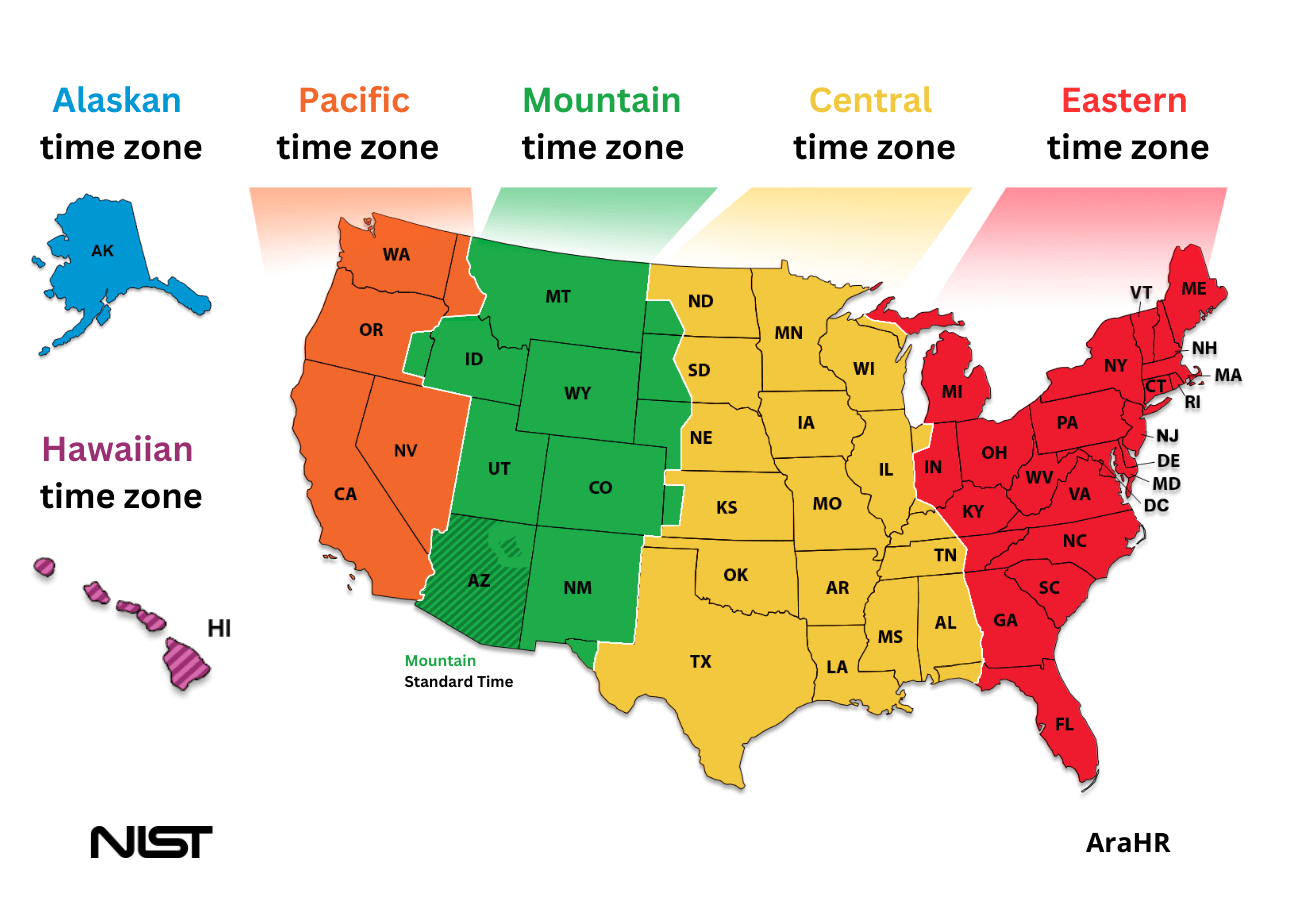
Understanding Colorado’s Time Zone: Mountain Standard Time
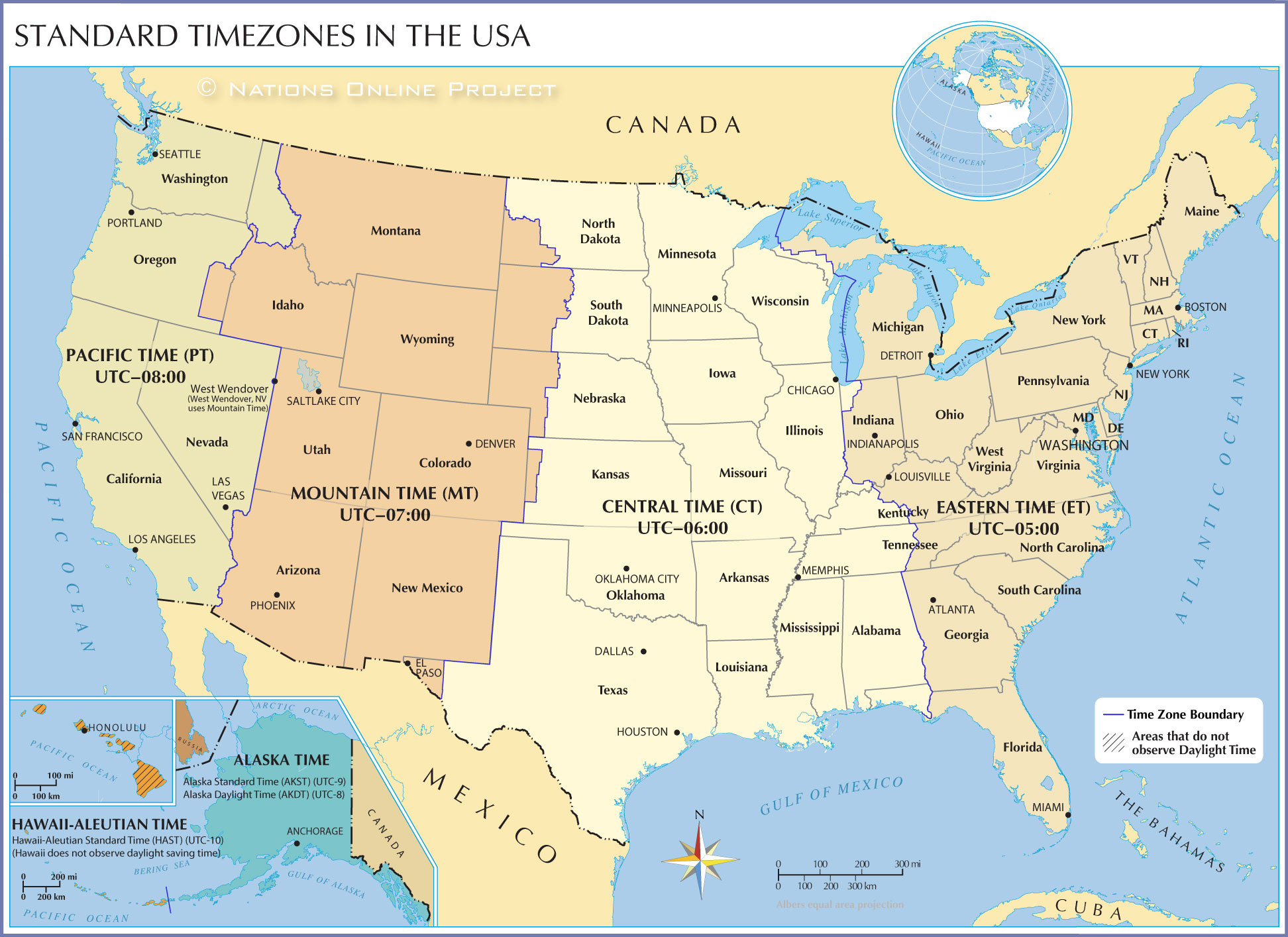
At its core, Colorado observes Mountain Standard Time (MST). This means that, for a significant portion of the year, the clocks in Colorado are seven hours behind Coordinated Universal Time (UTC-7), often referred to as Greenwich Mean Time (GMT-7). This places Colorado squarely in the heart of the Western United States time scheme, distinguishing it from the Pacific Time Zone to its west (UTC-8) and the Central Time Zone (UTC-6) and Eastern Time Zone (UTC-5) to its east.
The Mountain Time Zone, to which Colorado belongs, spans a broad geographical region. Besides Colorado, other states that primarily observe MST include Arizona (with some exceptions regarding Daylight Saving Time), New Mexico, Utah, Wyoming, Montana, and parts of Idaho, Oregon, North Dakota, South Dakota, Nebraska, and Kansas. Internationally, portions of Canada and Mexico also share this time zone, creating a cohesive temporal band across the continent. For travelers coming from different parts of the globe, understanding this offset is the first step in calibrating their watches and their internal clocks, setting the stage for a smooth transition into the rhythm of the Rockies.
The Rhythms of MST: Daylight Saving Time Explained
While Colorado primarily operates on Mountain Standard Time (MST), like most of the United States, it observes Daylight Saving Time (DST). This means that for roughly eight months of the year, clocks are adjusted forward by one hour, shifting from MST to Mountain Daylight Time (MDT).
When does it happen?
- Spring Forward: On the second Sunday in March, clocks “spring forward” one hour. This transition moves Colorado from UTC-7 (MST) to UTC-6 (MDT). The sun sets later in the evening, extending daylight hours into what would typically be dusk.
- Fall Back: On the first Sunday in November, clocks “fall back” one hour, returning to MST (UTC-7). This brings an earlier sunrise and sunset, marking the return to standard time for the winter months.
This biannual change significantly impacts the daily rhythm of life and travel planning in Colorado. During MDT, the longer daylight hours are a boon for outdoor activities, allowing for extended hikes in Rocky Mountain National Park, later afternoon runs on Boulder’s Flatirons trails, or simply enjoying al fresco dining in Denver as the sky fades to twilight. However, it also means that your arrival into Colorado during these periods will involve a slightly different time offset from UTC compared to if you were traveling in winter. Always confirm the local time, especially when booking flights, hotels, or tours several months in advance, to ensure you’re accounting for the correct time setting. Most modern smartphones and devices automatically adjust, but a quick manual check can avert potential scheduling mishaps.
Navigating Colorado: Time Zone Implications for Travelers
For any traveler, understanding the local time zone goes far beyond simply knowing what time it is; it’s a critical component of successful trip planning and a comfortable experience. In Colorado, the Mountain Time Zone subtly influences various aspects of your journey, from the moment you consider booking your flight to the last sunset you witness over the snow-capped peaks.
Seamless Travel Planning: Flights, Check-ins, and Reservations
When planning your journey to Colorado, time zone differences can significantly impact your arrival and initial experiences. Flights originating from the Eastern Time Zone will typically experience a two-hour time difference (or three, depending on DST). For example, a flight leaving New York City at 9:00 AM EST will land in Denver around 11:00 AM MST/MDT after a ~4-hour flight, effectively feeling like a 2:00 PM arrival to your internal clock. This can lead to what’s known as “social jet lag” even on domestic flights, as your body adjusts to the new local schedule.
- Flight Schedules: Always double-check the arrival and departure times for flights, paying close attention to whether they are stated in local time for the origin or destination. Many airlines will specify, but it’s easy to overlook. A flight departing Denver International Airport at 7:00 AM MDT will arrive on the East Coast at 11:00 AM EDT, making for an early start that needs to be factored in.
- Hotel Check-ins: Standard hotel check-in times are often in the mid-afternoon (e.g., 3:00 PM or 4:00 PM local time). If you’re arriving from a time zone significantly ahead of Colorado’s, you might find yourself arriving feeling much later in your original time, potentially wanting to check in earlier. Conversely, if you’re coming from the Pacific Time Zone, your body might feel like it’s later in the day, but local time dictates your actual check-in window. It’s wise to communicate your estimated arrival time with your accommodation, whether it’s a luxurious suite at The Broadmoor in Colorado Springs or a cozy apartment in Breckenridge, especially if you anticipate an early or late arrival.
- Tour and Activity Bookings: Whether you’re booking a white-water rafting trip on the Arkansas River, a guided hike in Rocky Mountain National Park, or tickets to a concert at Red Rocks Park and Amphitheatre, all timings will be in local Colorado time. Ensure you convert correctly when making reservations from another time zone to avoid missing your slot.
Maximizing Your Colorado Experience: Attractions and Activities
Colorado’s diverse attractions and activities are intrinsically linked to daylight hours and local schedules, making time zone awareness crucial for a fulfilling experience.
- Outdoor Adventures: The Mountain Time Zone’s relatively early sunsets in winter and extended daylight in summer (due to MDT) dictate the rhythms of outdoor life. For skiers and snowboarders hitting the slopes of Aspen, Vail, or Telluride, lifts typically open around 8:30 or 9:00 AM and close between 3:30 and 4:30 PM. Hikers exploring trails in Great Sand Dunes National Park and Preserve or ascending Pikes Peak need to plan their excursions to conclude safely before dusk, especially in colder months when darkness falls quickly. Sunrise and sunset times become particularly important for photographers seeking the perfect light or for those planning camping trips.
- City Exploration and Cultural Attractions: Urban attractions, museums, and galleries in cities like Denver or Colorado Springs operate on standard business hours. The Denver Art Museum, for example, will have specific opening and closing times that need to be considered. Dining reservations, particularly for popular establishments on Pearl Street Mall in Boulder or in Denver’s trendy neighborhoods, should be booked with local time in mind. If you’re adjusting from a different time zone, your appetite might not align perfectly with typical dining hours initially, so packing snacks or finding flexible dining options can be helpful.
- Remote Work and Connectivity: For those blending travel with work, Colorado’s time zone will directly impact your ability to connect with colleagues in other parts of the world. A 9:00 AM meeting in Denver would be 11:00 AM on the East Coast, 8:00 AM on the Pacific Coast, and potentially much later (or earlier) for international teams. Planning your remote work schedule around these differences is key to staying productive while enjoying your Colorado experience.
Business Travel in the Mountain Time Zone
Colorado’s growing economy, particularly in tech, aerospace, and outdoor industries, makes it a significant hub for business travelers. For professionals visiting Denver, Boulder, or Colorado Springs, navigating the Mountain Time Zone efficiently is paramount. Meeting schedules, conference calls, and networking events will all adhere to MST/MDT, requiring careful synchronization with colleagues and clients located in other time zones. For instance, an early morning conference call with a partner in London might mean an evening call for you in Colorado, or a midday meeting with a client in California might feel like an earlier start than usual. Being punctual is highly valued in business culture, and miscalculating time zones is an easily avoidable error. Utilizing scheduling tools that automatically convert time zones is highly recommended to prevent missed appointments and maintain professionalism.
Colorado’s Diverse Appeal: Beyond the Clock
While understanding the time zone is crucial for practical planning, it’s the sheer breadth of Colorado’s attractions and experiences that truly makes it a world-class destination. Integrating the practicalities of time management with the limitless possibilities for adventure and relaxation ensures a truly immersive and enjoyable trip.
Unforgettable Destinations and Activities
Colorado boasts an array of destinations that cater to every type of traveler, each offering unique experiences that can be optimized with smart time management.
- Urban Adventures: In Denver, the Mile High City, you can explore the vibrant RiNo Art District, delve into history at the Molly Brown House Museum, or enjoy a craft brewery tour. Boulder, with its youthful energy, offers the pedestrian-friendly Pearl Street Mall and stunning views of the Flatirons. Colorado Springs is home to the majestic Garden of the Gods and the iconic Pikes Peak, both best visited earlier in the day to avoid crowds and fully appreciate the natural beauty.
- Mountain Escapes: The state is synonymous with its ski resorts. From the glamorous slopes of Aspen and Vail to the family-friendly terrain of Breckenridge and the rugged charm of Telluride, each offers a distinct experience. During the summer, these mountain towns transform into havens for hiking, mountain biking, and scenic gondola rides.
- National Parks and Natural Wonders: Rocky Mountain National Park offers breathtaking vistas, diverse wildlife, and challenging trails. Great Sand Dunes National Park and Preserve invites unique adventures like sandboarding and stargazing. For a journey back in time, Mesa Verde National Park showcases ancient cliff dwellings of the Ancestral Pueblo people. The Royal Gorge Bridge and Park near Cañon City provides thrilling views from one of the highest suspension bridges in the world. Planning visits to these natural landmarks often benefits from early starts to beat crowds and enjoy cooler temperatures for hiking.
- Unique Experiences: Soak in the therapeutic waters of Glenwood Springs, explore the geological wonders around Grand Junction, or take a historic train ride from Durango to Silverton. Each activity has specific operating hours and often requires advance booking, making time zone awareness indispensable.
Accommodations and Lifestyle in the Rockies
Colorado’s accommodation landscape is as varied as its terrain, ranging from ultra-luxury resorts to charming boutique hotels, cozy cabins, and convenient vacation rentals, catering to all travel lifestyles.
- Luxury and Resorts: For those seeking indulgence, properties like the historic The Broadmoor in Colorado Springs or the opulent St. Regis Aspen Resort offer world-class amenities, exquisite dining, and unparalleled service. Guests at these establishments often enjoy spas, fine dining, and curated experiences that run on precise schedules.
- Boutique Hotels and Apartments: Cities like Denver and Boulder are dotted with stylish boutique hotels, while towns like Breckenridge and Telluride offer a plethora of vacation apartments and villas, perfect for families or longer stays. Booking in advance, especially during peak seasons, is crucial.
- Budget-Friendly Options: For the budget-conscious traveler, hostels, motels, and campsites provide affordable bases for exploration. Even with budget travel, attention to booking times and understanding check-in/check-out policies in the local time zone is vital.
The Colorado lifestyle itself is one of adventure and wellness, deeply intertwined with its natural environment. From morning yoga sessions with mountain views to apres-ski gatherings, the rhythm of life here encourages engagement with the outdoors and a strong sense of community. The food scene, too, reflects this, with farm-to-table restaurants, craft breweries, and diverse culinary offerings available across the state, all operating within the local time constraints. Whether you’re planning a thrilling adventure or a relaxing retreat, aligning your internal clock with Colorado’s time zone will enhance every aspect of your experience.
Practical Tips for Time Zone Adjustment
Adjusting to a new time zone, especially one with a significant difference, can be challenging. However, with a few proactive strategies, you can minimize jet lag and fully immerse yourself in your Colorado adventure from day one.
- Adjust Gradually Before You Go: If possible, try to shift your sleep schedule by an hour or two each day in the days leading up to your trip. For example, if traveling west to Colorado, try to go to bed and wake up later than usual. If traveling east, try to go to bed and wake up earlier.
- Hydrate and Avoid Alcohol/Caffeine on Flights: Dehydration can exacerbate jet lag symptoms. Drink plenty of water before and during your flight. While a glass of wine might seem tempting to aid sleep, alcohol and excessive caffeine can disrupt your sleep cycle and make adjustment harder.
- Embrace the Local Schedule Immediately: As soon as you arrive in Colorado, set your watch to local MST/MDT. Try to eat meals at local times and, most importantly, go to bed when it’s nighttime in Colorado, even if your body feels otherwise.
- Seek Out Natural Light: Exposure to natural light, especially in the morning, helps reset your body’s internal clock. Spend time outdoors after arrival, perhaps with a gentle stroll through a Denver park or a scenic drive.
- Stay Active (But Don’t Overtrain): Light to moderate physical activity, such as a walk or a gentle hike, can help you feel more alert and improve sleep quality later. However, avoid intense workouts immediately upon arrival, as your body is already under stress.
- Nap Wisely: If you absolutely need a nap, keep it short (20-30 minutes) and take it earlier in the day to avoid interfering with nighttime sleep.
- Utilize Technology: Your smartphone will automatically update to the local time. Use alarm clocks to remind you of important appointments and leverage apps that help track time differences for communication with others.
By proactively managing your body’s adjustment, you’ll be better prepared to enjoy all that Colorado has to offer, from conquering its majestic mountains to exploring its vibrant cities, all on local time.
In conclusion, Colorado operates on Mountain Standard Time (MST) and Mountain Daylight Time (MDT) during Daylight Saving. This seemingly small detail is, in fact, a cornerstone of successful travel planning, influencing everything from flight arrival times and hotel check-ins to the hours of operation for world-famous attractions and the optimal timing for exhilarating outdoor adventures. Whether you’re an avid skier, a nature photographer, a cultural explorer, or a business professional, a keen awareness of Colorado’s time zone will empower you to craft an efficient itinerary, minimize disruptions, and fully savor the breathtaking landscapes and vibrant lifestyle that define this remarkable state. So, set your watch, embrace the rhythm of the Rockies, and prepare for an unforgettable journey through Colorado.
LifeOutOfTheBox is a participant in the Amazon Services LLC Associates Program, an affiliate advertising program designed to provide a means for sites to earn advertising fees by advertising and linking to Amazon.com. Amazon, the Amazon logo, AmazonSupply, and the AmazonSupply logo are trademarks of Amazon.com, Inc. or its affiliates. As an Amazon Associate we earn affiliate commissions from qualifying purchases.