
Navigating the vibrant landscapes and diverse attractions of the Sunshine State is a dream for countless travelers, but one crucial detail often overlooked in the initial excitement of planning a trip to Florida is its unique time zone situation. Unlike many states that adhere to a single standard, Florida straddles two distinct time zones, presenting a fascinating logistical nuance for visitors and residents alike. Understanding where these zones divide the state and how they operate is paramount for seamless travel, timely reservations, and a truly optimized experience, whether you’re chasing theme park thrills, basking on sun-drenched beaches, or exploring historic cities.
This guide delves into the intricacies of Florida’s time zones, offering practical advice for planning your itinerary, booking accommodations, and ensuring every moment of your Floridian adventure unfolds without a hitch. From the bustling metropolises of the east to the serene shores of the panhandle, we’ll unravel the time zone puzzle, helping you synchronize your watch with the rhythm of each unique destination.
Navigating Florida’s Dual Time Zones
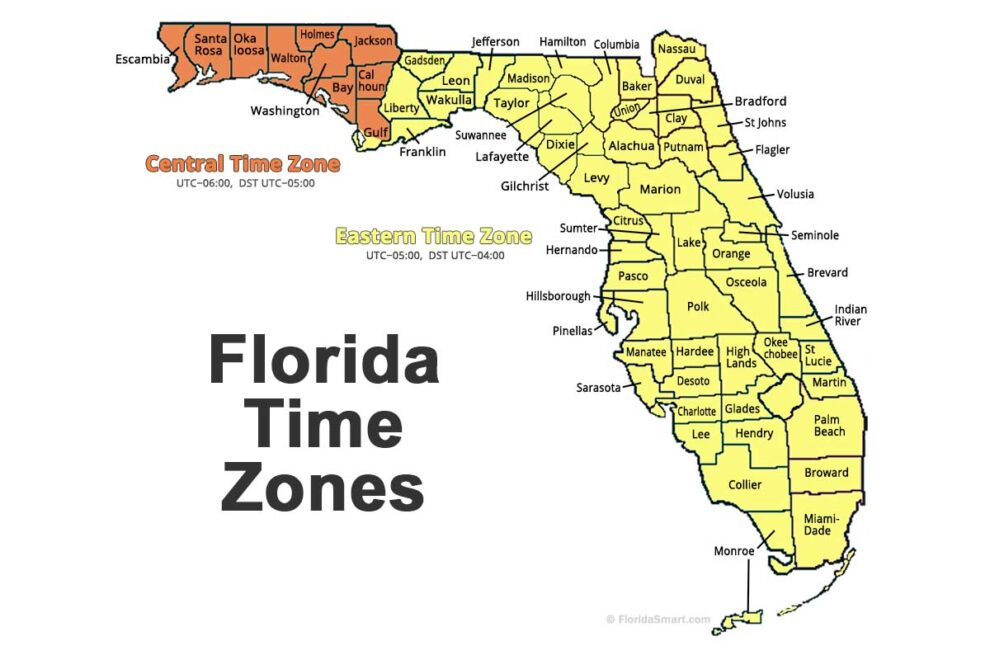
Florida’s geography dictates its temporal divide. The vast majority of the peninsula operates on the Eastern Time Zone, aligning it with major East Coast cities. However, a significant portion of its western panhandle observes the Central Time Zone, creating a distinct shift as you travel west. This division, roughly around the Apalachicola River, is more than just a line on a map; it influences everything from flight schedules to dinner reservations.
Eastern Time Zone: The Sunshine State’s Primary Pulse
The overwhelming majority of Florida, including its most famous destinations and economic hubs, falls within the Eastern Time Zone. This means that for most travelers, especially those heading to the theme parks or the southern beaches, their watches will be set to either Eastern Standard Time (EST) during winter months or Eastern Daylight Time (EDT) during the warmer seasons when Daylight Saving Time is observed. This alignment with cities like New York and Washington D.C. makes planning relatively straightforward for many visitors from the eastern United States.
Major cities and regions operating on Eastern Time include the vibrant cultural hub of Miami, the global theme park capital Orlando, the thriving Gulf Coast city of Tampa, and the sophisticated shores of Fort Lauderdale. Further north, the historic city of Jacksonville and the charming cobblestone streets of St. Augustine also observe Eastern Time. Down south, the picturesque Florida Keys, including popular Key West, are firmly in this zone. Other popular spots like Palm Beach, Daytona Beach, Naples, and Sarasota also operate on EST/EDT. Even the state capital, Tallahassee, located geographically close to the panhandle, remains in the Eastern Time Zone.
For visitors to these areas, the implications are numerous. Iconic attractions like Walt Disney World Resort and Universal Orlando Resort meticulously plan their opening hours, parade schedules, and dining reservations according to Eastern Time. Likewise, space enthusiasts visiting the Kennedy Space Center Visitor Complex or nature lovers exploring the unique ecosystem of Everglades National Park will find all activities aligned with EST/EDT. When booking flights, especially into major hubs like Orlando International Airport or Miami International Airport, understanding this consistent time zone is crucial for smooth connections and timely arrivals at your chosen hotel or resort. From luxury suites to family-friendly villas, accommodation providers in these areas will communicate all check-in and check-out times in Eastern Time.
Central Time Zone: The Panhandle’s Unique Rhythm
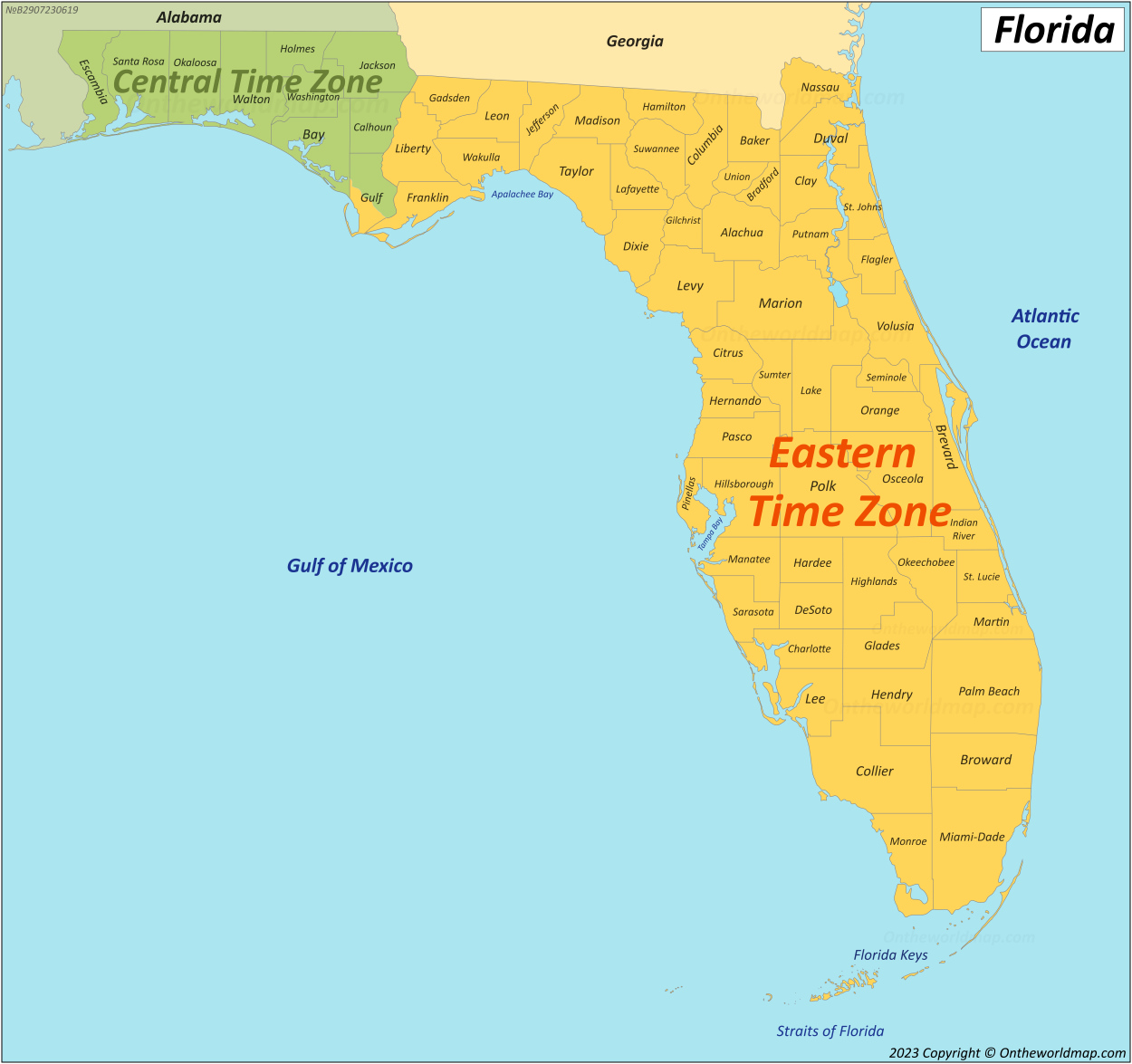
Heading west into Florida’s panhandle introduces a subtle but significant shift. The westernmost counties of the panhandle operate on the Central Time Zone, observing either Central Standard Time (CST) or Central Daylight Time (CDT) during Daylight Saving Time. This means these areas are consistently one hour behind their Eastern Time Zone counterparts. The dividing line is generally accepted to be the Apalachicola River, though a few localities just west of the river, like Port St. Joe and Mexico Beach, observe Eastern Time. However, for most practical purposes, cities west of Panama City Beach will be on Central Time.
Key destinations within Florida’s Central Time Zone include the historic city of Pensacola, renowned for its beautiful beaches and rich naval history; the popular vacation spot of Panama City Beach, famous for its spring break festivities and family-friendly resorts; and the charming coastal towns of Destin and Fort Walton Beach, celebrated for their sugar-white sands and emerald waters along the Gulf Coast.
For travelers venturing into this part of the state, the time difference becomes particularly relevant. Imagine flying into Pensacola International Airport or driving along scenic coastal highways from a destination in the Eastern Time Zone. A one-hour shift, while seemingly minor, can impact flight connections, scheduled appointments, and even something as simple as coordinating a dinner meet-up with friends who might be arriving from Orlando. Hotels and resorts in these areas will operate on Central Time, meaning your check-in and check-out procedures, as well as amenities like breakfast service or spa appointments, will follow CST/CDT. For those interested in local culture and lifestyle, the slightly later sunsets in the Central Time Zone can offer extended daylight for evening beach strolls or outdoor dining experiences, adding a unique flavor to your panhandle retreat.
Practical Implications for Florida Travelers
Understanding Florida’s time zones is not merely an academic exercise; it’s a practical necessity for any well-planned trip. The seamless flow of your travel experience, from arrival to departure, hinges on being in sync with local time. This is especially true in a state as dynamic and spread out as Florida, where a single itinerary might easily span both time zones.
Planning Your Itinerary and Booking Accommodation
The most significant practical implication of Florida’s dual time zones lies in itinerary planning and accommodation bookings. When reserving flights, tours, restaurant tables, or spa treatments, always double-check the time zone indicated. Online booking platforms and airline websites typically display times in the local time of departure and arrival, but confirming this explicitly can prevent misunderstandings.
Consider a scenario where you’ve booked a morning flight from Orlando (EST) to Pensacola (CST). While the flight itself might be two hours, you’ll gain an hour upon arrival, making your perceived travel time shorter. Conversely, flying from Pensacola to Orlando means losing an hour, potentially making a 9:00 AM flight feel like 10:00 AM upon arrival. This can impact tight connection schedules or early morning meetings for business travelers.

When selecting hotels, resorts, or apartments, be mindful of their location. A resort on Destin’s beaches will operate on Central Time, affecting your check-in time and any activities scheduled through the hotel. If you’re planning a multi-city trip, perhaps starting with the theme parks in Orlando and then heading to the beaches of Panama City Beach, you’ll need to adjust your internal clock and device settings. This includes everything from coordinating family schedules to ensuring your rental car return is on time. Many high-end suites and luxury accommodations offer personalized concierge services; don’t hesitate to confirm time-sensitive details with them. For those considering long-term stays, particularly in the panhandle, living one hour behind the rest of the state can subtly influence daily routines and communication with friends or family on the peninsula. Always consult your booking confirmations and verify the local time provided, especially for excursions, attractions, or dining experiences.
Understanding Daylight Saving Time in Florida
Both the Eastern and Central Time Zones in Florida observe Daylight Saving Time (DST). This means that on the second Sunday in March, clocks “spring forward” one hour, shifting from EST to EDT and from CST to CDT. On the first Sunday in November, clocks “fall back” one hour, returning to standard time.
Crucially, the one-hour difference between the Eastern and Central zones remains consistent throughout the year. For instance, if it’s 3:00 PM EDT in Miami, it will be 2:00 PM CDT in Pensacola. The adoption of DST across both zones simplifies matters by maintaining this consistent offset, preventing a temporary shift in the time zone boundary difference. However, the biannual change itself still requires awareness. If you are traveling during the specific weekends when DST begins or ends, be extra vigilant with your timings. Flights, hotel check-ins, and scheduled events could be impacted by the sudden hour shift. Most modern smartphones and digital devices automatically adjust for DST, but it’s always wise to manually confirm, especially if you rely on analogue clocks or fixed itineraries. For those planning an extended stay, embracing the longer daylight hours during EDT/CDT can significantly enhance travel experiences, allowing for more time outdoors to enjoy Florida’s natural beauty and attractions.
Lifestyle and Tourism Across the Time Zones
Florida’s varied time zones contribute to its rich tapestry of travel experiences, subtly influencing the pace of life, the availability of activities, and the overall rhythm of tourism in different regions. Being aware of these temporal nuances can help you maximize your trip, making the most of every sunrise and sunset.
Maximizing Your Florida Experience: Time Zone Tips
For a truly seamless Florida adventure, a few simple tips related to time zones can go a long way. First and foremost, ensure your smartphone or tablet is set to automatically update its time zone. This is the simplest way to keep your internal clock aligned with local time, preventing missed appointments or early arrivals. For those who prefer traditional timepieces, a dual-time watch can be a handy accessory, allowing you to track both Eastern and Central Time simultaneously, especially useful for road trips across the panhandle.
Always confirm the time zone for any critical bookings. A dinner reservation for 7:00 PM in Destin (CST) means something different than 7:00 PM in Tampa (EST). Print out your itineraries and highlight the relevant time zone for each entry. For families with children, understanding the time shift is essential to manage sleep schedules and avoid unnecessary “jet lag” – even a one-hour difference can sometimes disrupt routines.
The unique split also offers interesting lifestyle advantages. For example, the slightly later sunset in the Central Time Zone during summer means extended evening daylight for beach activities, sunset cruises, or al fresco dining in places like Panama City Beach. Conversely, the earlier sunrise in the Eastern Time Zone can be perfect for early bird photography, serene morning walks on Miami Beach, or being among the first to enter Walt Disney World Resort for “rope drop.” Understanding these subtle differences can help travelers tailor their days to make the most of Florida’s abundant daylight and diverse offerings. From budget-friendly family trips to luxurious resort getaways, mindful time management enhances every aspect of your stay.
Business and Communication Considerations
For business travelers or those engaging in remote work while enjoying Florida’s hospitality, the time zone considerations become even more critical. Coordinating conference calls, virtual meetings, or project deadlines with colleagues in different parts of the state or across the country requires careful attention to time zone conversions. A 9:00 AM EST meeting is 8:00 AM CST, which can be an early start for someone in the panhandle.
Furthermore, the hospitality industry itself—including hotels, resorts, and various accommodation providers—must navigate these time zones meticulously. Front desk staff, activity coordinators, and restaurant managers in the panhandle are acutely aware that many of their guests may be arriving from, or connecting with, the Eastern Time Zone. They will often clarify times explicitly to avoid confusion, whether it’s for an airport shuttle booking, a spa appointment, or the timing of daily resort activities. Business stays in Florida can also be impacted by flight connections. If you’re flying into a Central Time Zone airport like Pensacola and have a tight connection via an Eastern Time Zone hub like Orlando, every minute counts, and a clear understanding of the time shift is essential to avoid delays or missed flights. The state’s vibrant tourism sector thrives on precision, and understanding its temporal landscape is a testament to its commitment to seamless guest experiences.
In conclusion, Florida’s dual time zones, while a minor complexity, are easily managed with awareness and a bit of foresight. Far from being a hindrance, this unique geographical and temporal split simply adds another layer to the diverse and dynamic travel experiences the state offers. By keeping a close eye on your watch and confirming local times, you can ensure your Floridian adventure, from its sun-kissed beaches to its world-famous attractions and everything in between, unfolds exactly as you’ve dreamed. Embrace the rhythm of both Eastern and Central Florida, and enjoy the unparalleled beauty and excitement the Sunshine State has to offer.
LifeOutOfTheBox is a participant in the Amazon Services LLC Associates Program, an affiliate advertising program designed to provide a means for sites to earn advertising fees by advertising and linking to Amazon.com. Amazon, the Amazon logo, AmazonSupply, and the AmazonSupply logo are trademarks of Amazon.com, Inc. or its affiliates. As an Amazon Associate we earn affiliate commissions from qualifying purchases.