
Planning a trip to the Gem State often brings up an unexpected but crucial question: “What timezone is Idaho?” Unlike most states in the United States, Idaho famously straddles two distinct time zones, creating a unique dynamic for travelers, residents, and businesses alike. This geographical quirk means that depending on where you are in Idaho, you could be operating on either Pacific Time (PT) or Mountain Time (MT). For anyone looking to explore Idaho’s diverse landscapes, from its northern lakes to its southern deserts, understanding this division is key to seamless travel planning, accommodation bookings, and a truly immersive experience.
This article serves as your ultimate guide to navigating Idaho’s time zones, offering insights into the regional divisions, their historical context, and practical tips for ensuring your Idaho adventure runs like clockwork. Whether you’re an avid adventurer, a history buff, or someone simply seeking a tranquil escape, being time-zone savvy will enhance every aspect of your journey through this magnificent state. We’ll delve into how this impacts everything from coordinating meetings to catching your flight, ensuring you make the most of every precious moment in Idaho.
The Geographic Divide: Understanding Idaho’s Time Zones
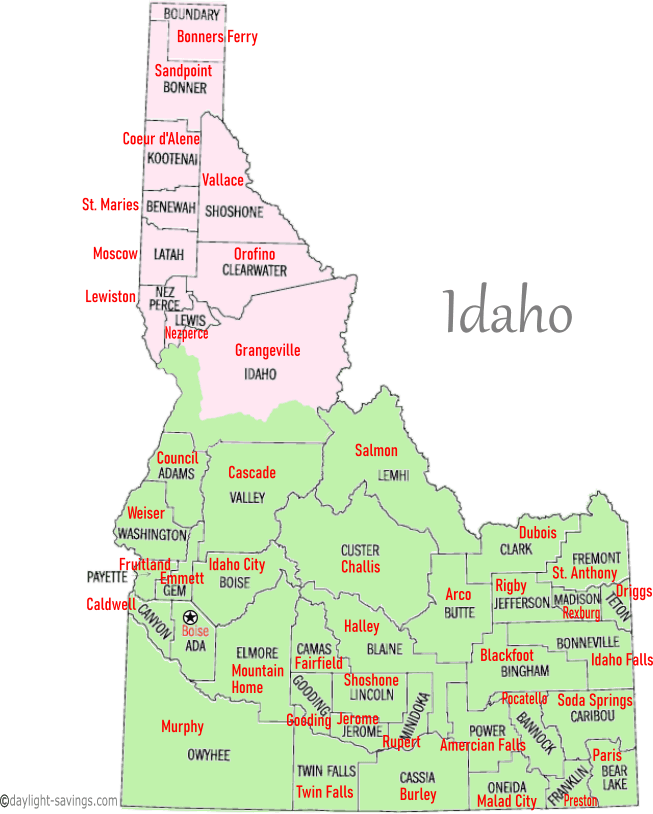
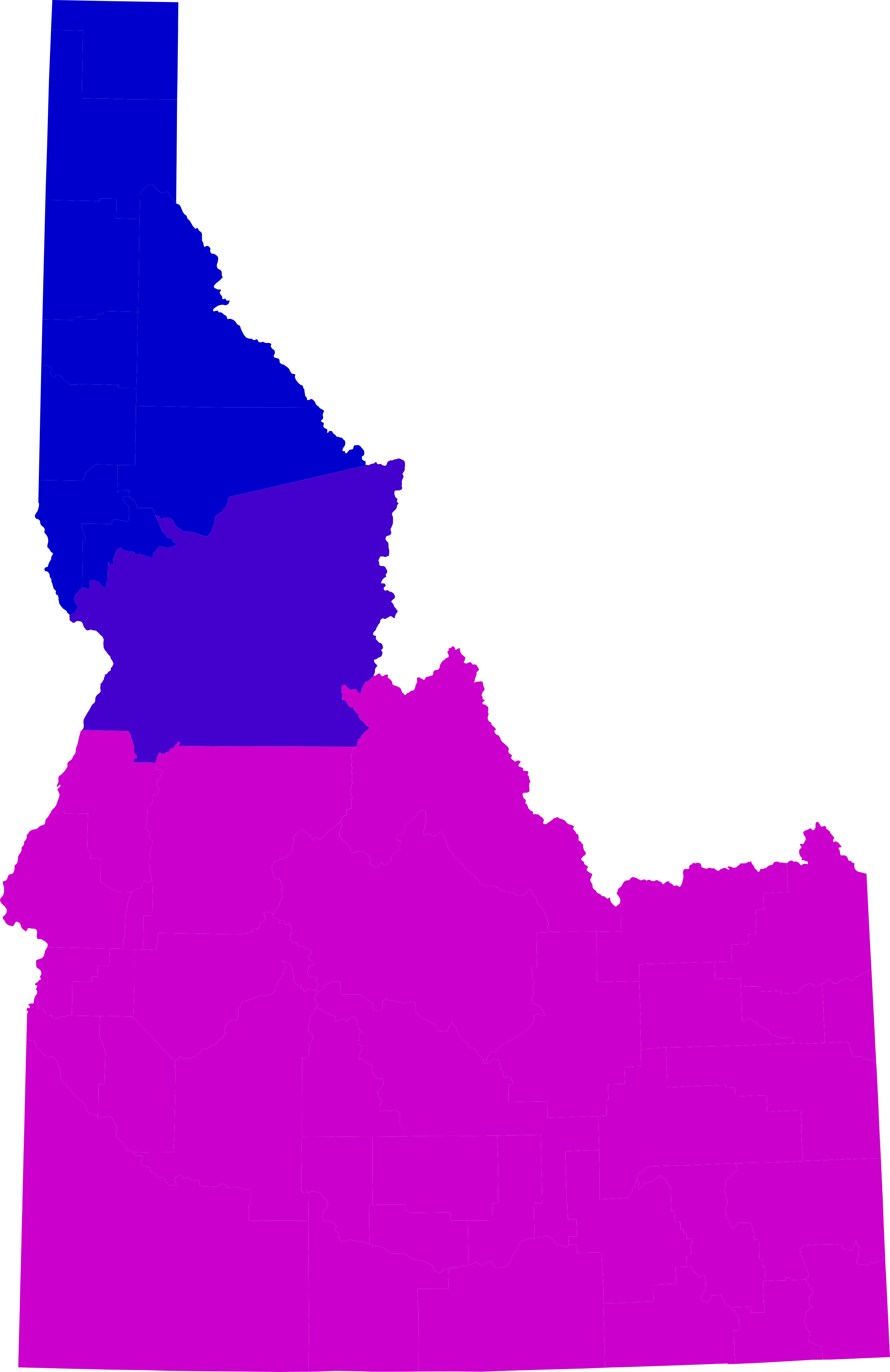
The reason Idaho finds itself split between two time zones lies in its expansive north-to-south geography and historical ties to neighboring states. Essentially, the state’s northern panhandle operates on Pacific Time, aligning with its western neighbors, Washington and Oregon. The larger, southern portion of the state, however, observes Mountain Time, linking it culturally and economically with states like Utah, Montana, and Wyoming. This division, while occasionally confusing, is deeply ingrained in the state’s identity and impacts daily life and travel planning significantly.
Northern Idaho: Pacific Time Zone (PT)
The picturesque Northern Idaho, often referred to as the Panhandle, primarily operates on Pacific Time. This region encompasses popular tourist destinations and vibrant cities such as Coeur d’Alene, Sandpoint, and Moscow. These areas maintain the same time as Seattle and Portland, a fact that greatly simplifies logistics for travelers arriving from the Pacific Northwest.
For instance, if you’re flying into Spokane International Airport in Washington (which is in PT) to visit Lake Coeur d’Alene, your arrival time will align seamlessly with your itinerary in Idaho. Accommodations like The Coeur d’Alene Resort or boutique hotels in Sandpoint will all operate on PT, ensuring a smooth check-in process and timely participation in local activities. This region’s adherence to Pacific Time has historical roots, stemming from its close economic and social ties to the larger coastal cities, making it a natural extension of the PT region.
Southern Idaho: Mountain Time Zone (MT)
Moving south, the majority of Idaho, including its capital city Boise, falls within the Mountain Time Zone. This means it is one hour ahead of Pacific Time. Key cities in this region include Boise, Twin Falls, and Idaho Falls. Travelers arriving from the eastern parts of the United States or from neighboring Mountain Time Zone states like Utah and Wyoming will find this consistent with their departure times.
Boise, as the state’s largest city and economic hub, sets the pace for the southern part of the state. Hotels such as The Grove Hotel and various accommodations in Sun Valley or Jackson Hole (just across the border in Wyoming, also MT) will all operate on Mountain Time. This zone affiliation is crucial when scheduling flights, booking tours to attractions like Craters of the Moon National Monument and Preserve, or even simply making dinner reservations in cities like Idaho Falls. The Mountain Time Zone is deeply embedded in the rhythm of this region, influencing everything from local broadcast schedules to business hours.
The Time Zone Boundary: Where East Meets West
The precise line where Pacific Time transitions to Mountain Time in Idaho is not a simple straight line but rather follows county boundaries. Generally, the division occurs along the western border of Idaho County and Kootenai County, then extending south and east. A significant natural landmark often associated with the boundary is the Salmon River, though the actual official delineation follows administrative lines, not purely geographical features.
This invisible line means that a short drive can result in a one-hour time change. For example, if you’re traveling south from Lewiston (PT) towards Grangeville (MT), you will cross this boundary. It’s essential for travelers embarking on road trips through the state to be aware of this, especially when crossing into areas like Idaho County, which is predominantly in the Mountain Time Zone despite its northern location. Many modern smartphones and GPS devices automatically adjust to time zones, but it’s always wise to double-check, especially in rural areas where signals might be spotty. Understanding this boundary is vital for seamless navigation and ensures you arrive on time for any scheduled activities or accommodations.
Navigating Time Zones for an Ideal Idaho Trip
Effective time zone management is paramount for a stress-free and enjoyable travel experience in Idaho. From the initial planning stages to daily coordination, being mindful of the state’s dual time zones can prevent missed appointments, logistical headaches, and unnecessary frustration. This section provides practical advice on how to navigate this unique aspect of Idaho travel, ensuring your focus remains on exploring its natural wonders and vibrant culture.
Planning Your Itinerary and Bookings
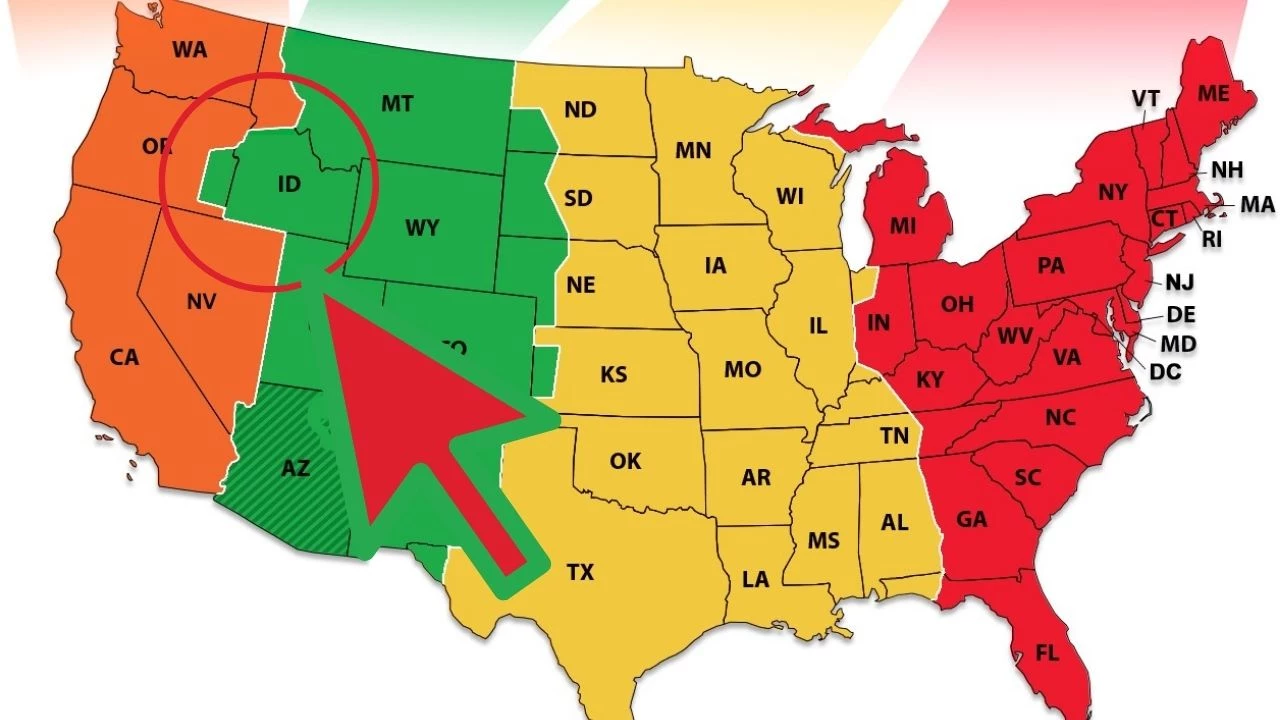
The split time zone necessitates careful planning, especially when booking flights, hotels, and tours. Always confirm the local time zone for each specific destination within Idaho you plan to visit.
- Flights: If your journey involves flying into Idaho, pay close attention to the arrival and departure times listed on your tickets, particularly if you have connecting flights. For instance, a flight from Salt Lake City International Airport (MT) to Boise Airport (MT) will be straightforward. However, if you’re flying into Spokane International Airport (PT) and then driving to Boise, remember you’ll gain an hour upon arrival in Spokane but lose it when you cross into Southern Idaho.
- Hotel Check-ins: Most hotels will clearly state their local time, but it’s always good to confirm. For example, a reservation at The Coeur d’Alene Resort will be in PT, while a stay at The Grove Hotel in Boise will be in MT. Miscalculating this could lead to early or late arrivals, impacting your check-in and initial itinerary.
- Tour and Activity Bookings: Whether you’re planning a whitewater rafting trip on the Salmon River or a wine tasting in the Snake River Valley AVA, verify the local time of the activity’s start. Tour operators are generally accustomed to the time zone differences and will communicate clearly, but a quick confirmation call can alleviate any doubts. For example, a ski lesson at Schweitzer Mountain Resort will adhere to Pacific Time, while a morning hike near Sun Valley Resort will be on Mountain Time.
Communication and Coordination
For those traveling for business or needing to coordinate with contacts in different parts of Idaho or beyond, the time zone split requires careful attention.
- Business Meetings: If you have business appointments in both Boise and Coeur d’Alene, remember there’s an hour’s difference. A 9 AM meeting in Boise will be 8 AM in Coeur d’Alene. Always specify the time zone when scheduling, or use a universal time standard like UTC if coordinating across many zones.
- Family and Friends: Keeping in touch with family and friends back home or within Idaho can become complicated. A call scheduled for 7 PM PT with family in Coeur d’Alene would be 8 PM for someone in Boise. Modern communication apps often show local times, which can be very helpful.
- Technology is Your Friend: Most smartphones, smartwatches, and laptops automatically update their time zone based on your location, which is a huge convenience. However, don’t rely on this blindly. Always have a world clock app handy, or set a secondary clock on your device for the other Idaho time zone if you plan to travel between them frequently. This proactive approach ensures you’re always operating on the correct local time, preventing any missed calls or appointments.
Overcoming the “Time Warp” and Enjoying Your Stay
While not as severe as international jet lag, crossing Idaho’s time zone boundary can still cause a minor disorienting effect, especially if you’re not prepared.
- Adjusting Quickly: When transitioning from PT to MT (losing an hour) or vice-versa (gaining an hour), try to adjust your schedule slightly a day or two before you travel. For example, if moving from Coeur d’Alene to Boise, try to wake up an hour earlier on your travel day.
- Hydration and Sunlight: As with any time change, staying hydrated and exposing yourself to natural sunlight can help reset your internal clock. Enjoying the stunning Idaho outdoors, whether hiking near Bogus Basin Mountain Recreation Area or relaxing by Lake Pend Oreille, can naturally aid in adjustment.
- Embrace the Experience: View the time zone shift as part of Idaho’s unique character. It’s a talking point, a subtle reminder of the state’s vastness and diverse geographical and cultural connections. This minor logistical challenge adds to the story of your adventure through this fascinating state.
Idaho’s Diverse Experiences Across Time Zones
Despite the time zone complexities, Idaho’s appeal lies in its breathtaking natural beauty and rich array of activities that cater to every type of traveler. From pristine lakes and dense forests in the north to dramatic deserts and volcanic landscapes in the south, Idaho offers a bounty of experiences, all waiting to be explored regardless of the hour.
Northern Idaho’s Pacific Charms
Operating on Pacific Time, Northern Idaho is a haven for outdoor enthusiasts and those seeking picturesque escapes. The region is defined by its magnificent lakes, including Lake Coeur d’Alene and Lake Pend Oreille, which offer unparalleled opportunities for boating, fishing, and water sports during the summer months.
- Outdoor Adventures: In winter, Schweitzer Mountain Resort near Sandpoint transforms into a premier ski destination, while numerous hiking and biking trails are accessible year-round. Farragut State Park offers vast recreational spaces and stunning views.
- Family Fun: Silverwood Theme Park and Boulder Beach Water Park provide thrilling rides and family-friendly entertainment, drawing visitors from across the Pacific Northwest.
- Cultural Highlights: The city of Coeur d’Alene boasts a vibrant arts scene, excellent dining options, and luxury accommodations, making it a perfect base for exploring the region. Moscow, home to the University of Idaho, offers a youthful energy and a charming downtown area. When enjoying these experiences, remember your watch is set to Pacific Time, aligning perfectly with the pace of life in this beautiful corner of the state.
Southern Idaho’s Mountain Adventures
In contrast, Southern Idaho, observing Mountain Time, presents a different yet equally captivating landscape. This region, influenced by the Rocky Mountains and the Great Basin geology, offers rugged beauty and a diverse range of activities.
- Urban Exploration: Boise, the state capital, is a dynamic city with a thriving food scene, craft breweries, and cultural attractions like the Boise Art Museum and the Idaho State Capitol Building. The Boise River Greenbelt provides miles of scenic pathways for walking and cycling.
- Unique Natural Wonders: Venture south to discover the otherworldly landscapes of Craters of the Moon National Monument and Preserve, a vast ocean of lava flows with volcanic cones and caves. Don’t miss Shoshone Falls near Twin Falls, often called the “Niagara of the West,” a spectacular waterfall that rivals its eastern counterpart.
- Winter Sports: Sun Valley Resort, one of North America’s most iconic ski destinations, offers world-class skiing and snowboarding, alongside luxury accommodations and vibrant après-ski options. Closer to Boise, Bogus Basin Mountain Recreation Area provides accessible winter sports for all skill levels.
- Agricultural and Culinary Experiences: Southern Idaho is also the heart of Idaho’s agricultural industry, famous for its potatoes. The emerging Snake River Valley AVA offers a growing number of wineries where you can sample local vintages. All these attractions operate on Mountain Time, ensuring that your schedule aligns with the local rhythm.
In conclusion, while the dual time zones of Idaho might initially seem like a puzzle, understanding this unique aspect is an integral part of experiencing the state. With careful planning and awareness, you can effortlessly transition between the Pacific Time of the northern Panhandle and the Mountain Time of the southern plains. This knowledge will not only streamline your travel logistics but also deepen your appreciation for Idaho’s distinct regional identities and its seamless blend of natural grandeur and diverse cultural offerings. So, set your watch, plan your adventure, and prepare to discover why Idaho truly is a gem worth exploring, one time zone at a time.
LifeOutOfTheBox is a participant in the Amazon Services LLC Associates Program, an affiliate advertising program designed to provide a means for sites to earn advertising fees by advertising and linking to Amazon.com. Amazon, the Amazon logo, AmazonSupply, and the AmazonSupply logo are trademarks of Amazon.com, Inc. or its affiliates. As an Amazon Associate we earn affiliate commissions from qualifying purchases.