
Planning a trip to Las Vegas, the dazzling entertainment capital of the world, involves meticulous preparation. From securing the perfect accommodation and booking thrilling shows to mapping out your dining experiences and exploring iconic landmarks, every detail counts. Yet, one fundamental piece of information often overlooked, but critically important for a seamless journey, is understanding its time zone. For travelers embarking on an adventure to this vibrant city, knowing “What timezone is Las Vegas?” is more than a trivial fact; it’s a cornerstone for scheduling, communication, and ultimately, maximizing your precious time in the desert oasis.
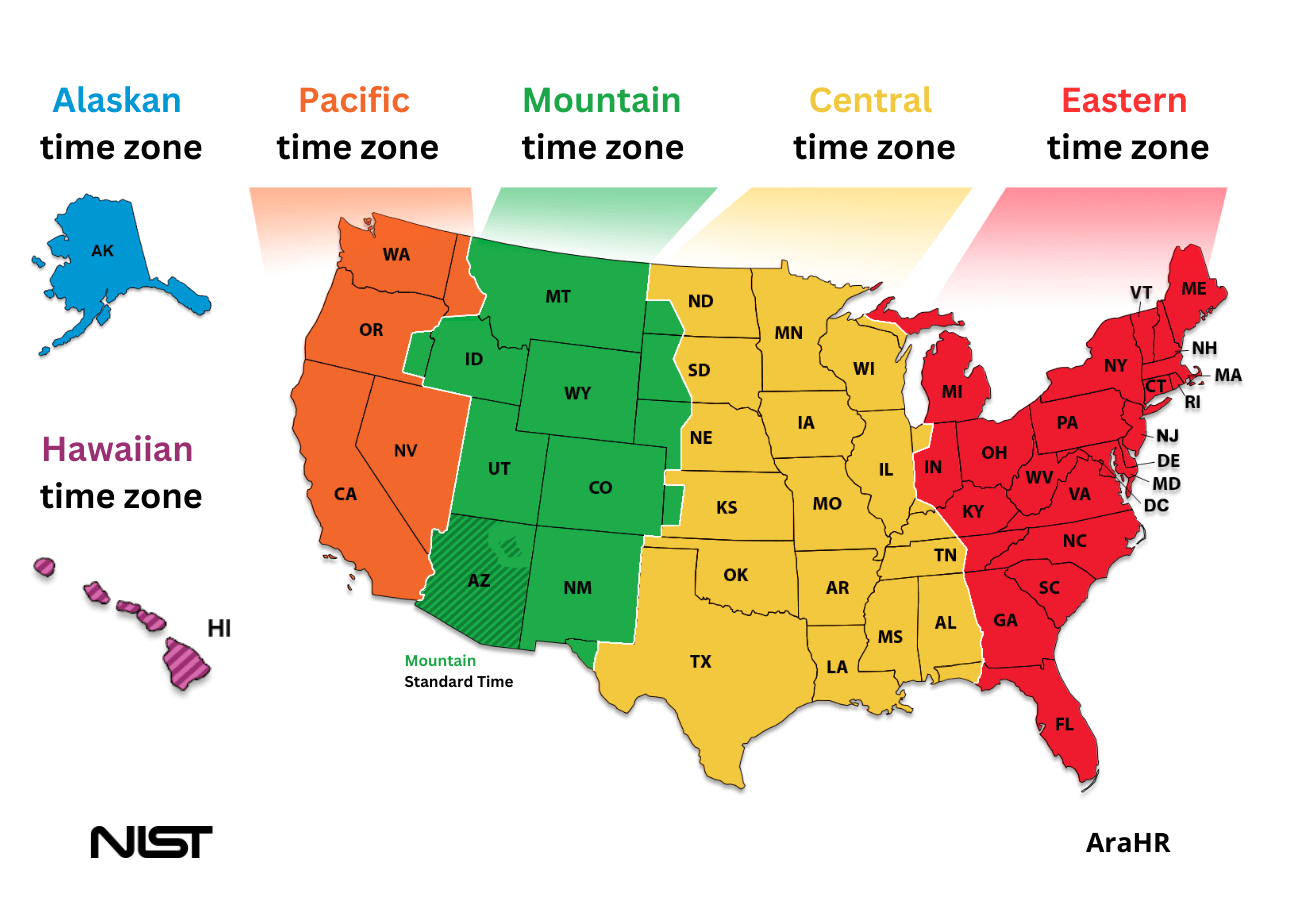
Las Vegas, situated in the state of Nevada in the United States, observes the Pacific Time Zone. This means it adheres to either Pacific Standard Time (PST) during the winter months or Pacific Daylight Time (PDT) when Daylight Saving Time is in effect. Grasping the nuances of this time zone, including its relationship to Coordinated Universal Time (UTC) and the transitions associated with Daylight Saving Time, is crucial for travelers arriving from different parts of the globe or even within the United States. This article will delve into the specifics of Las Vegas’s time zone, explain its implications for your travel plans, and offer insights to help you navigate the clock like a seasoned local, ensuring your trip is as stress-free and enjoyable as possible.
Unraveling the Time Zone Mystery: Pacific Standard Time (PST) and Pacific Daylight Time (PDT)
At its core, Las Vegas operates within the Pacific Time Zone, which encompasses the westernmost states of the continental United States, including California, Washington, and Oregon. However, this isn’t a static time; it fluctuates with the seasons due to Daylight Saving Time.
Understanding PST and PDT Offsets from UTC
During the standard winter months, Las Vegas observes Pacific Standard Time (PST), which is 8 hours behind Coordinated Universal Time (UTC-8). This means that when it’s noon UTC, it’s 4:00 AM in Las Vegas. As spring arrives, specifically on the second Sunday in March, the clocks “spring forward” one hour, ushering in Pacific Daylight Time (PDT). During this period, Las Vegas is 7 hours behind UTC (UTC-7). This change persists until the first Sunday in November, when clocks “fall back” one hour, reverting to PST.
This annual shift is a critical detail for travelers, especially those planning trips around the spring or autumn transition dates. Imagine missing a flight or a show because you forgot to adjust your internal clock or misunderstood the local time. The impact can range from minor inconvenience to significant disruption, highlighting the importance of being aware of these time changes. Most modern smartphones and digital devices automatically adjust, but it’s always wise to double-check local time upon arrival, perhaps by consulting a reliable clock at your hotel or a local information source.
Why Understanding Las Vegas’s Time Zone Matters for Your Trip
Knowing the time zone isn’t just about setting your watch; it profoundly impacts nearly every aspect of your Las Vegas itinerary, from the moment you land to your final departure.
Planning Flights and Transportation
Your arrival and departure times for Harry Reid International Airport (LAS) are always quoted in local Las Vegas time. If you’re flying in from New York City (which observes Eastern Time, 3 hours ahead) or Chicago (on Central Time, 2 hours ahead), you’ll gain hours upon arrival. Conversely, flying back means losing those hours, which can make a 6 AM flight feel even earlier. When booking connecting flights, paying close attention to the time zone changes at each layover point is paramount to avoid missed connections. For international travelers, the time difference can be even more substantial, requiring careful planning for transfers and ground transportation upon arrival. Confirming your airport shuttle, taxi, or ride-share booking times against the local clock ensures a smooth transition from the airport to your chosen accommodation.
Synchronizing with Shows, Dining, and Attractions
Las Vegas is a city built on experiences, many of which are time-sensitive. Showtimes for world-renowned productions like those by Cirque du Soleil, reservations at celebrity chef restaurants, and scheduled entry slots for attractions like the High Roller Observation Wheel or the Bellagio Fountains are all based on local Las Vegas time. Miscalculating the time could lead to missing a highly anticipated event or losing out on prepaid bookings. Imagine missing the start of a magic show or arriving late for a prime dinner reservation because you’re still on your home time zone. It’s essential to adjust your personal schedule immediately upon arrival to the rhythm of Las Vegas time to fully enjoy its incredible array of entertainment and dining options.
Managing Business Meetings and Communications
For those traveling to Las Vegas for business, understanding the time zone is even more critical. Coordinating meetings with colleagues in different parts of the United States or internationally requires careful calculation. A 9:00 AM PST meeting is 12:00 PM EST and 11:00 AM CST. Missing or being late for a crucial video conference or phone call due to a time zone miscalculation can have significant professional repercussions. Even personal calls back home to family and friends need to be mindful of the time difference to avoid inconveniently late or early calls. Tools like world clock apps are invaluable for business travelers to keep track of multiple time zones simultaneously.
Mitigating Jet Lag

The phenomenon of jet lag is a direct consequence of rapid travel across multiple time zones. For travelers coming from the East Coast of the United States (a 3-hour difference) or, more significantly, from Europe or Asia, the body’s internal clock (circadian rhythm) can become severely disrupted. Understanding that Las Vegas is UTC-8/UTC-7 helps in preparing for this. Tips to combat jet lag include:
- Gradual Adjustment: Start adjusting your sleep schedule a few days before departure.
- Hydration: Drink plenty of water during your flight and upon arrival.
- Sunlight Exposure: Seek natural light upon arrival, especially in the morning, to help reset your internal clock.
- Avoid Over-scheduling: Don’t pack too much into your first day to allow your body to adjust.
- Strategic Napping: If you must nap, keep it short (20-30 minutes) to avoid deepening your jet lag.
By proactively managing jet lag, you can quickly acclimate to Las Vegas time and enjoy your trip from day one.
Navigating Time Across the United States and Beyond
While focusing on Las Vegas’s specific time zone, it’s also beneficial to consider how it relates to other major geographical areas, particularly for travelers on extended journeys or those coordinating with distant contacts.
Time Differences with Major US Cities
Understanding the time difference between Las Vegas and other major cities within the United States is crucial for domestic travel and communication:
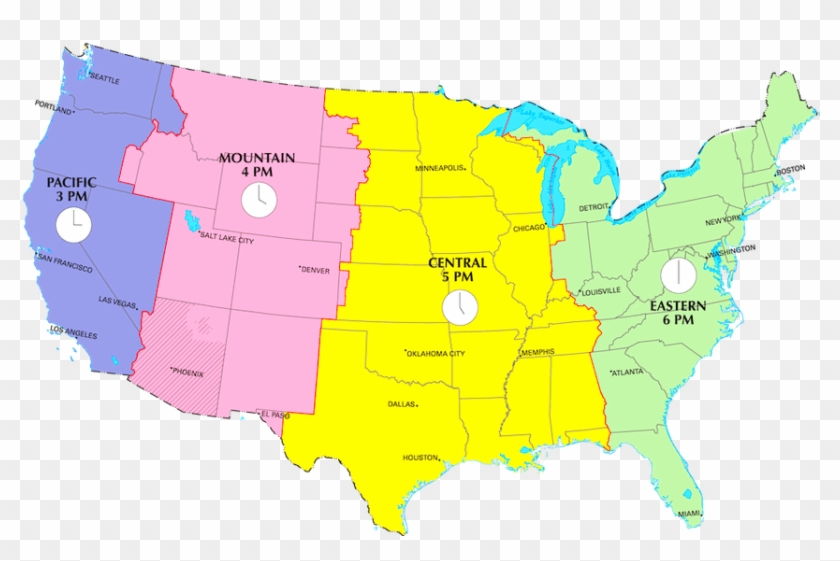
- East Coast (e.g., New York City, Miami): Las Vegas is 3 hours behind Eastern Time. So, when it’s 3:00 PM in Las Vegas, it’s 6:00 PM in New York City.
- Central US (e.g., Chicago, Dallas): Las Vegas is 2 hours behind Central Time. If it’s 3:00 PM in Las Vegas, it’s 5:00 PM in Chicago.
- Mountain West (e.g., Denver, Phoenix): Las Vegas is 1 hour behind Mountain Time. Therefore, 3:00 PM in Las Vegas means it’s 4:00 PM in Denver.
- A Special Note on Arizona: Most of Arizona does not observe Daylight Saving Time. During PST (winter), Las Vegas and Arizona are in sync. However, during PDT (summer), Arizona (which remains on Mountain Standard Time, UTC-7) effectively aligns with Pacific Daylight Time in terms of clock time, meaning they are the same. This can be confusing, especially for day trips to attractions near the Arizona border like the Grand Canyon or Hoover Dam, as the Grand Canyon National Park itself observes Mountain Standard Time year-round. Always confirm local times for your specific destination.
International Considerations
For international visitors, the time difference can be substantial, making careful planning even more essential.
- From Europe: Most of Western Europe (e.g., London, Paris, Rome) is typically 8 or 9 hours ahead of Las Vegas during standard time, shifting with their own Daylight Saving Time adjustments. This means an evening phone call in Las Vegas could be a very early morning call for those back home.
- From Asia and Australia: The time difference can be even more pronounced, ranging from 15 hours or more. This requires careful consideration for communication and managing personal routines.
These time differences underscore the importance of setting accurate expectations for communication with home and ensuring you don’t miss vital appointments while enjoying your stay in Las Vegas.
Maximizing Your Las Vegas Experience Across Time
Armed with the knowledge of Las Vegas’s time zone, you can now optimize your travel itinerary and make the most of every moment, from luxurious accommodation to unforgettable experiences.
Seamless Hotel Check-ins and Check-outs
Accommodation is a cornerstone of any Las Vegas trip, and time zones play a role in the logistics of your stay. Standard check-in times are typically in the afternoon (e.g., 3:00 PM or 4:00 PM), and check-out times are usually in the late morning (e.g., 11:00 AM). If you arrive early from a different time zone, you might find yourself with several hours to spare before your room at Caesars Palace, The Venetian Resort, Bellagio, MGM Grand, or Paris Las Vegas is ready. Many hotels offer luggage storage, allowing you to begin exploring the Strip or enjoy hotel amenities like pools and casinos. Similarly, on your departure day, understanding the local check-out time is essential to avoid late fees. If you have a late flight, consider requesting a late check-out or utilizing the hotel’s baggage services to enjoy a few more hours of Las Vegas before heading to the airport.
Planning Day Trips and Excursions
Las Vegas serves as an excellent base for exploring natural wonders and nearby attractions. Day trips to the majestic Grand Canyon, the engineering marvel of Hoover Dam, or the serene beauty of Valley of Fire State Park are popular choices. When planning these excursions, particularly to the Grand Canyon which is primarily in Arizona and often operates on Mountain Standard Time (MDT during summer, aligning with PDT in clock time), it’s crucial to confirm the local time at your destination. Tour operators are generally good about clarifying pickup and return times in Las Vegas local time, but individual travel plans require your diligence. A slight miscalculation could mean missing a scheduled tour, a helicopter ride over the Grand Canyon, or even an important meal reservation back in Las Vegas.
Leveraging Lifestyle and Entertainment
The Las Vegas lifestyle is synonymous with round-the-clock entertainment and a packed schedule. From early morning golf tee times to late-night clubbing, pool parties, spa treatments, and exploring vibrant areas like the Fremont Street Experience, every activity is time-bound. Understanding Las Vegas time allows you to flawlessly transition from a rejuvenating morning spa session to an afternoon by the pool, followed by an exquisite dinner, and culminating in a spectacular evening show or a lively casino visit. It empowers you to create a dynamic itinerary without the stress of missing out due to a simple time zone oversight. For those who enjoy a bit of spontaneity, knowing the exact time also helps you gauge how much time you have before the next planned activity or simply to decide if you have time for “just one more” round at the blackjack table.
In conclusion, while the glitz and glamour of Las Vegas might distract from practical details, mastering the local time zone is a fundamental aspect of successful travel planning. Las Vegas operates on Pacific Time Zone, alternating between Pacific Standard Time (UTC-8) and Pacific Daylight Time (UTC-7) due to Daylight Saving Time. This seemingly small detail has significant implications for your flights, hotel stays, show bookings, dining reservations, day trips, business communications, and even your personal well-being by helping to manage jet lag. By being mindful of the time and adjusting your internal clock accordingly, you can ensure a smooth, enjoyable, and unforgettable experience in the dazzling city of Las Vegas, truly making the most of every precious minute.
LifeOutOfTheBox is a participant in the Amazon Services LLC Associates Program, an affiliate advertising program designed to provide a means for sites to earn advertising fees by advertising and linking to Amazon.com. Amazon, the Amazon logo, AmazonSupply, and the AmazonSupply logo are trademarks of Amazon.com, Inc. or its affiliates. As an Amazon Associate we earn affiliate commissions from qualifying purchases.