
Nebraska, often celebrated for its vast prairies, rich agricultural heritage, and friendly communities, holds a unique characteristic that frequently piques the interest of travelers and residents alike: it spans two distinct time zones. Far from a simple geographical curiosity, understanding Nebraska’s timezone split is paramount for anyone planning a visit, especially when coordinating itineraries, booking accommodations, or simply trying to arrive on time for an attraction. For the savvy traveler exploring America’s heartland, this seemingly minor detail can significantly impact the fluidity of their journey.
The decision to divide a state across time zones isn’t arbitrary; it typically arises from historical precedents, geographical positioning, and the practical needs of local commerce and communication. For Nebraska, this division means that while the majority of the state observes Central Time, a significant portion of its western counties operates on Mountain Time. This article delves into the specifics of Nebraska’s time zones, offering comprehensive insights into how this impacts travel, tourism, and lifestyle, ensuring your Nebraska adventure is as seamless and enjoyable as possible.
Navigating Nebraska’s Dual Time Zones
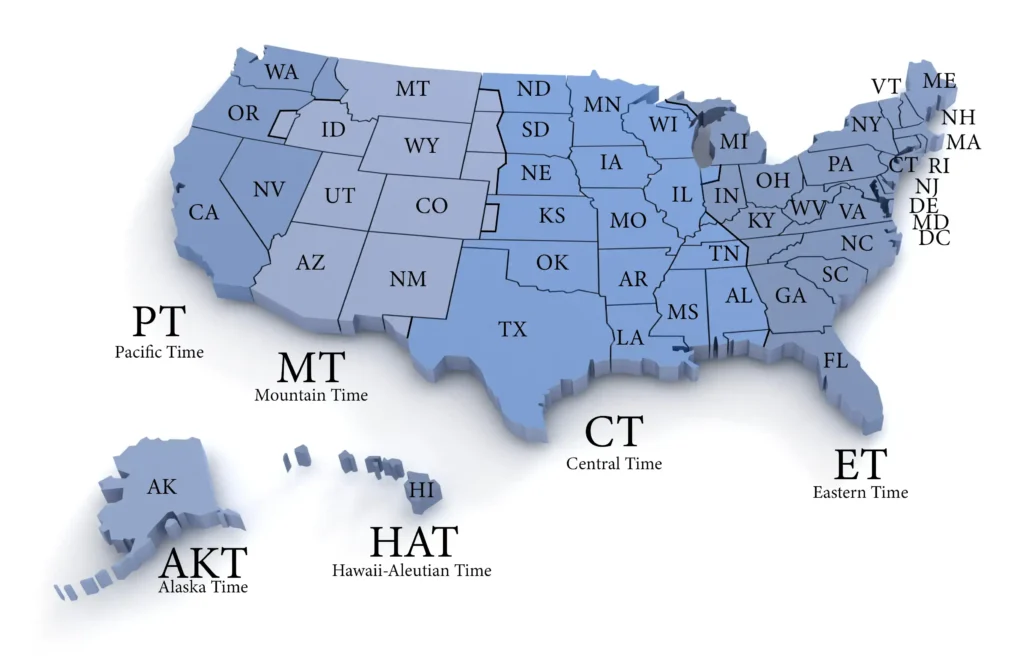
Nebraska’s unique position on the continental United States map means it straddles the invisible line separating the Central and Mountain Time Zones. This division isn’t a straight, unwavering line but rather follows county borders, leading to a sometimes perplexing, yet always fascinating, geographical arrangement. For those accustomed to single-timezone states, this characteristic demands a bit of extra attention during travel planning.
The Central Time Zone Dominance
The vast majority of Nebraska, encompassing its eastern and central regions, operates on the Central Time Zone (CT). This is the timezone observed by the state’s largest cities and most populous areas, acting as the economic and cultural heartland of Nebraska. Major urban centers like Omaha, the state’s largest city, and the capital city of Lincoln, are firmly rooted in CT, which is UTC-6 during standard time and UTC-5 during Daylight Saving Time.
Traveling through Central Time Nebraska offers a diverse range of experiences. In Omaha, visitors can explore the vibrant Old Market district, home to cobblestone streets, unique boutiques, art galleries, and acclaimed restaurants. The city also boasts the world-renowned Henry Doorly Zoo and Aquarium, a must-visit landmark for families and wildlife enthusiasts. For accommodation in Omaha, options range from luxury stays like The Farnam Hotel, offering a sophisticated experience in the heart of downtown, to more budget-friendly yet comfortable hotels providing excellent access to the city’s attractions.
Lincoln, with its impressive State Capitol Building and the serene Sunken Gardens, provides a blend of historical significance and natural beauty. As a prominent university town, Lincoln has a youthful energy, reflected in its burgeoning food scene and lively cultural calendar. Hotels such as the Graduate Lincoln cater to a variety of tastes, providing comfortable and stylish bases for exploration. Further west in the CT zone, cities like Grand Island serve as gateways to agricultural tourism and host significant events like the Nebraska State Fair, all operating on Central Time. Understanding this predominant timezone is crucial for seamless travel within this vibrant part of the state, from booking a dinner reservation in Omaha to catching a performance at the Lied Center for Performing Arts in Lincoln.
Exploring the Mountain Time Zone Frontier
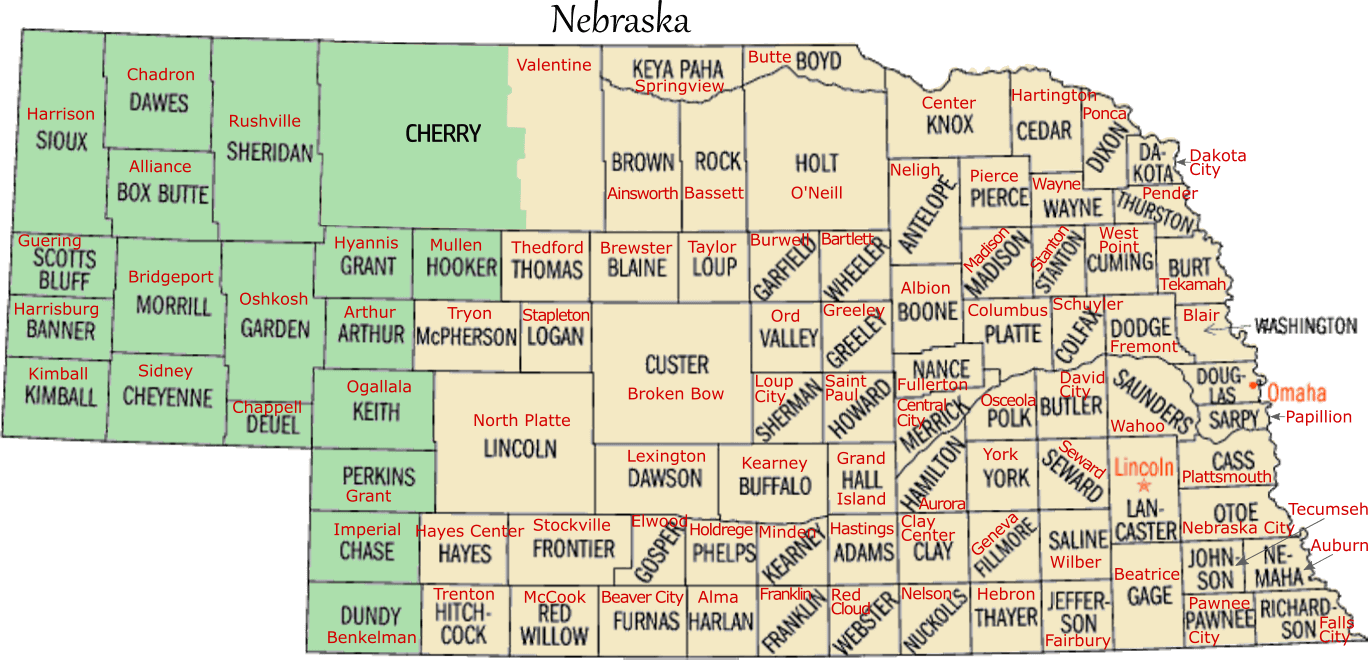
Venturing into western Nebraska brings travelers into the Mountain Time Zone (MT), which is one hour behind Central Time. This region, often referred to as the Panhandle, comprises a cluster of counties that align more closely with the timekeeping practices of neighboring states like Colorado and Wyoming. When CT observes 3 PM, MT is an hour earlier at 2 PM.
The transition into Mountain Time also marks a noticeable shift in landscape and atmosphere. Here, the rolling hills give way to dramatic bluffs, geological formations, and a strong sense of the American frontier. Key cities in this zone include Scottsbluff, Gering, and Chadron.
This area is a treasure trove for history buffs and outdoor enthusiasts. The iconic Scotts Bluff National Monument stands as a towering landmark that guided pioneers along the Oregon Trail. Nearby, the distinct spire of Chimney Rock National Historic Site offers another profound connection to the westward expansion. Further north, Fort Robinson State Park near Crawford provides a glimpse into military history and offers extensive recreational opportunities, from horseback riding to hiking.

For accommodation in this rugged yet beautiful part of Nebraska, options in cities like Scottsbluff include comfortable chains such as the Hampton Inn & Suites Scottsbluff, providing modern amenities amidst a historic backdrop. Smaller towns and state parks may offer cabin rentals or unique lodge experiences, perfect for those looking to immerse themselves in nature. When planning activities such as a guided tour of Scotts Bluff or a visit to the Museum of the Fur Trade in Chadron, always confirm operating hours according to Mountain Time to avoid any scheduling mishaps.
The Practicalities of Time Zone Shifts for Travelers
Crossing time zones, even within the same state, introduces a layer of complexity to travel planning that shouldn’t be overlooked. For visitors to Nebraska, being mindful of the CT/MT divide is essential for a smooth and stress-free journey.
Planning Your Nebraska Itinerary
Meticulous planning is key when your Nebraska itinerary involves traversing the time zone boundary. Imagine booking a flight that lands in Omaha (CT) and then immediately renting a car to drive to Scottsbluff (MT). What seems like a four-and-a-half-hour drive suddenly becomes five-and-a-half hours if you’re not factoring in the one-hour time shift. This can throw off arrival times, check-in schedules for hotels, and pre-booked tours or activities.
Always double-check the local time for any fixed appointments. This includes museum opening hours, restaurant reservations, showtimes, and guided tours. When using GPS or smartphone mapping applications, ensure they are set to automatically update time zones or, at the very least, be aware of the displayed local time versus your own internal clock. For those planning an extensive road trip across the state, consider building in a buffer period around the time zone changeover to allow for unexpected delays or simply to acclimate. Planning an itinerary that highlights both the urban vibrancy of eastern Nebraska and the rugged beauty of the west offers a comprehensive experience, but requires careful synchronization of schedules.
Accommodation and Logistics Across Time Zones
The time zone difference can significantly impact your accommodation plans and overall travel logistics. When booking a hotel, especially close to the time zone border, always confirm the check-in and check-out times relative to the hotel’s local time. A 3 PM check-in in a Mountain Time hotel means you have an extra hour compared to a 3 PM check-in in Central Time, which can be a pleasant surprise or a frustrating delay depending on your travel pace.
Consider a family trip, for example, where you might spend a few days enjoying the Omaha Children’s Museum and then head west to explore Ash Hollow State Historical Park. Coordinating meal times, bedtime routines for children, and ensuring you don’t miss any pre-paid experiences becomes crucial. Travelers arriving by air into Eppley Airfield in Omaha should set their watches to Central Time upon landing, even if their final destination is in Mountain Time, to properly manage their initial logistics like car rental pickups or shuttle services. While “jet lag” is usually associated with international travel, even a one-hour shift can subtly affect your body clock, particularly for sensitive individuals or young children. Prioritizing rest and staying hydrated can help mitigate any minor disruptions.
Iconic Destinations and Their Time Zone Context
Nebraska is a state rich in history, natural beauty, and vibrant culture, with its attractions spread across both time zones. Experiencing both sides of the state offers a holistic view of its diverse character.
Eastern Nebraska: Urban Charms and Historical Depth (CT)
In the Central Time Zone lie some of Nebraska’s most bustling cities and historically significant sites. Omaha stands out with its dynamic Old Market, a beautifully preserved district that invites leisurely strolls, boutique shopping, and diverse culinary experiences. Beyond the Old Market, the Henry Doorly Zoo and Aquarium is a world-class facility that consistently ranks among the best zoos globally, offering immersive exhibits like the Desert Dome and the Lied Jungle. For aviation and military history enthusiasts, the Strategic Air Command & Aerospace Museum near Ashland houses an impressive collection of aircraft and spacecraft.
Lincoln, the state capital, provides a more relaxed urban experience. Its majestic State Capitol Building, an architectural marvel, offers guided tours showcasing its unique design and historical significance. The serene Sunken Gardens, a beautifully manicured horticultural display, is a perfect spot for relaxation and photography. Both cities provide excellent accommodation options, from luxury resorts catering to business travelers to cozy bed and breakfasts, all operating strictly on Central Time. Engaging with local culture in these cities, whether it’s attending a Husker game in Lincoln or exploring the vibrant arts scene in Omaha, means adhering to CT schedules.
Western Nebraska: Frontier Spirit and Natural Wonders (MT)
Crossing into the Mountain Time Zone of western Nebraska reveals a landscape shaped by geological forces and pioneering spirit. The iconic Scotts Bluff National Monument allows visitors to literally follow in the footsteps of pioneers, offering trails to the summit for breathtaking panoramic views of the North Platte River Valley and surrounding bluffs. A short drive away, Chimney Rock National Historic Site stands as an enduring symbol of the Oregon Trail, its distinctive silhouette a beacon for weary travelers of yesteryear.
Further north, Fort Robinson State Park, once a significant U.S. Army post, now serves as a sprawling historical and recreational area. Visitors can explore museums, enjoy horseback riding, or stay in historic officers’ quarters, immersing themselves in frontier life. For a truly unique and quirky landmark, Carhenge near Alliance offers a fascinating, automobile-inspired homage to England’s Stonehenge. Another notable site, the Agate Fossil Beds National Monument, protects an extraordinary collection of Miocene-era mammal fossils. When visiting these sites, remember they operate on Mountain Time, a crucial detail for planning museum visits or ranger-led tours. Accommodation in these areas often takes the form of comfortable motels, quaint inns, or lodges within state parks, providing a relaxing end to a day of exploration.
Lifestyle and Local Culture Across the Divide
The time zone split in Nebraska isn’t just a technicality for travelers; it subtly weaves into the fabric of local life and culture. While Nebraska is largely unified by its shared values of hard work, community, and hospitality, the time difference can influence daily routines and connections between its eastern and western halves.
In the Central Time Zone, the rhythm of life in cities like Omaha and Lincoln aligns with many other major Midwestern cities. Business hours, school schedules, and evening events typically start and end at times familiar to those accustomed to CT. This contributes to a vibrant, often fast-paced, urban and suburban lifestyle. The convenience of being in the same timezone as major financial centers and popular media outlets also plays a role in the daily lives of Eastern Nebraskans.
Conversely, in the Mountain Time Zone counties, life tends to move at a slightly different pace, reflective of the wider Mountain West culture. Local businesses might open an hour later or close an hour earlier than their CT counterparts if considering a synchronized start/end to the business day across the state. This one-hour difference also means that televised events, national news broadcasts, or even calls to friends and family in Eastern Nebraska must account for the time shift. For residents near the border, this can mean a constant awareness of which “time” they are currently on, depending on their commute or social engagements.
Despite these subtle differences, the overall spirit of Nebraska remains consistent. Nebraskans across both time zones share a reputation for being incredibly welcoming, grounded, and proud of their state. Travelers will find genuine hospitality wherever they go, regardless of the clock on the wall. The time zone division simply adds another layer to the state’s unique character, offering a glimpse into how geographical and historical factors shape local identity. Experiencing both the energetic CT cities and the serene MT landscapes provides a richer, more nuanced understanding of this often-underestimated state.
In conclusion, Nebraska’s dual time zone system, encompassing both the Central and Mountain Time Zones, is an important aspect for any traveler to consider. From meticulously planning your itinerary and ensuring timely hotel check-ins to immersing yourself in the diverse attractions and local cultures across the state, a keen awareness of the time difference will undoubtedly enhance your journey. Whether you’re exploring the bustling streets of Omaha or marveling at the historical grandeur of Scotts Bluff National Monument, being time-zone savvy ensures that your Nebraska adventure runs as smoothly and enjoyably as possible. So set your watches, plan wisely, and prepare to discover the incredible experiences awaiting you in the heart of America.
LifeOutOfTheBox is a participant in the Amazon Services LLC Associates Program, an affiliate advertising program designed to provide a means for sites to earn advertising fees by advertising and linking to Amazon.com. Amazon, the Amazon logo, AmazonSupply, and the AmazonSupply logo are trademarks of Amazon.com, Inc. or its affiliates. As an Amazon Associate we earn affiliate commissions from qualifying purchases.