
Embarking on a journey to the Silver State? Understanding “What Timezone Is Nevada?” is more than just a trivial detail; it’s a fundamental piece of information that can significantly shape your travel experience, from booking flights and coordinating hotel check-ins to maximizing your time at world-renowned attractions. Nevada, a state synonymous with glittering entertainment, vast desert landscapes, and historic mining towns, primarily operates within a single time zone, simplifying much of the logistical planning for visitors. This article delves into the intricacies of Nevada’s time zone, its practical implications for travelers, and how to seamlessly integrate it into your itinerary, ensuring a memorable and stress-free adventure across this captivating state.
Understanding Nevada’s Time Zone: Pacific Standard Time
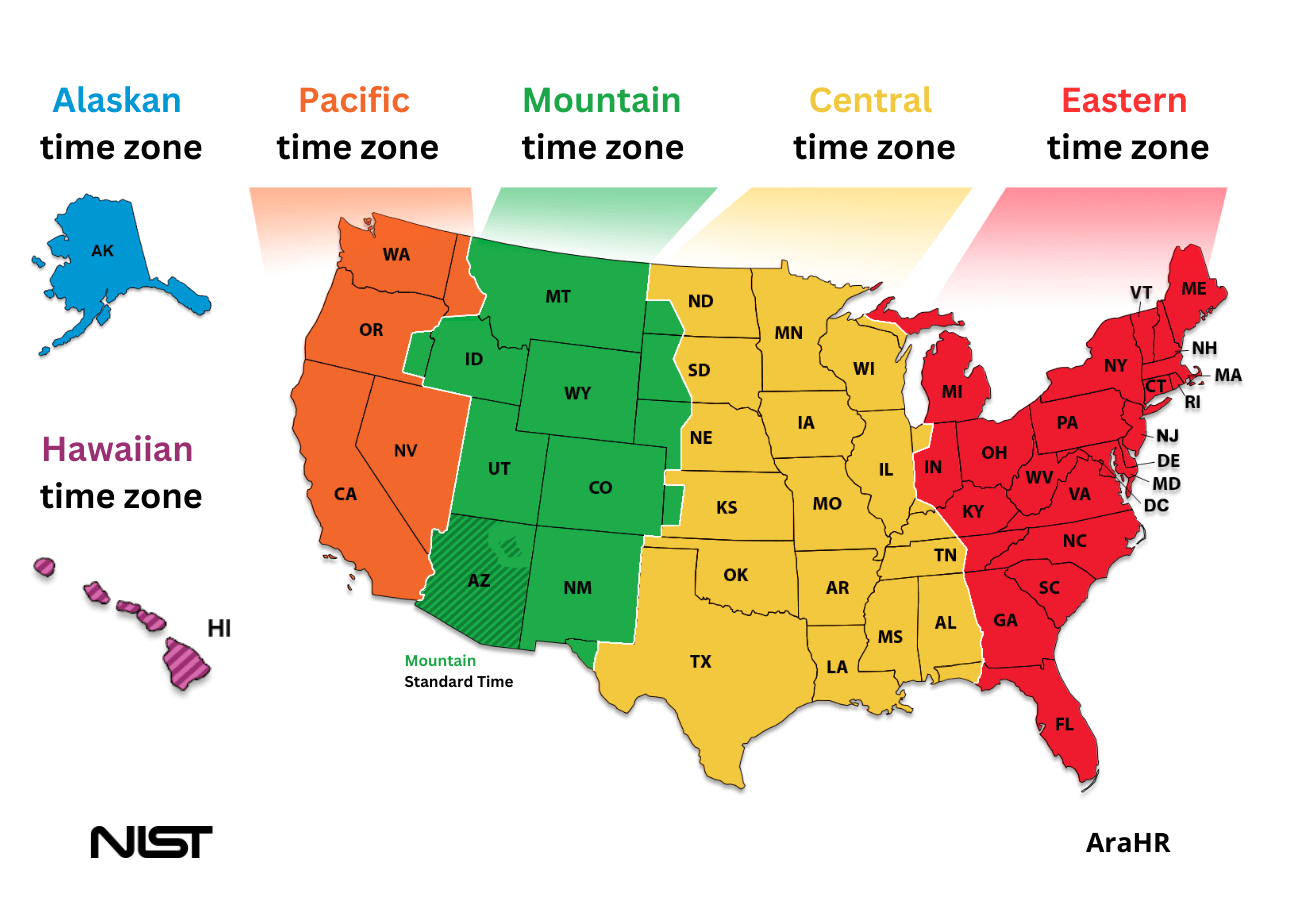
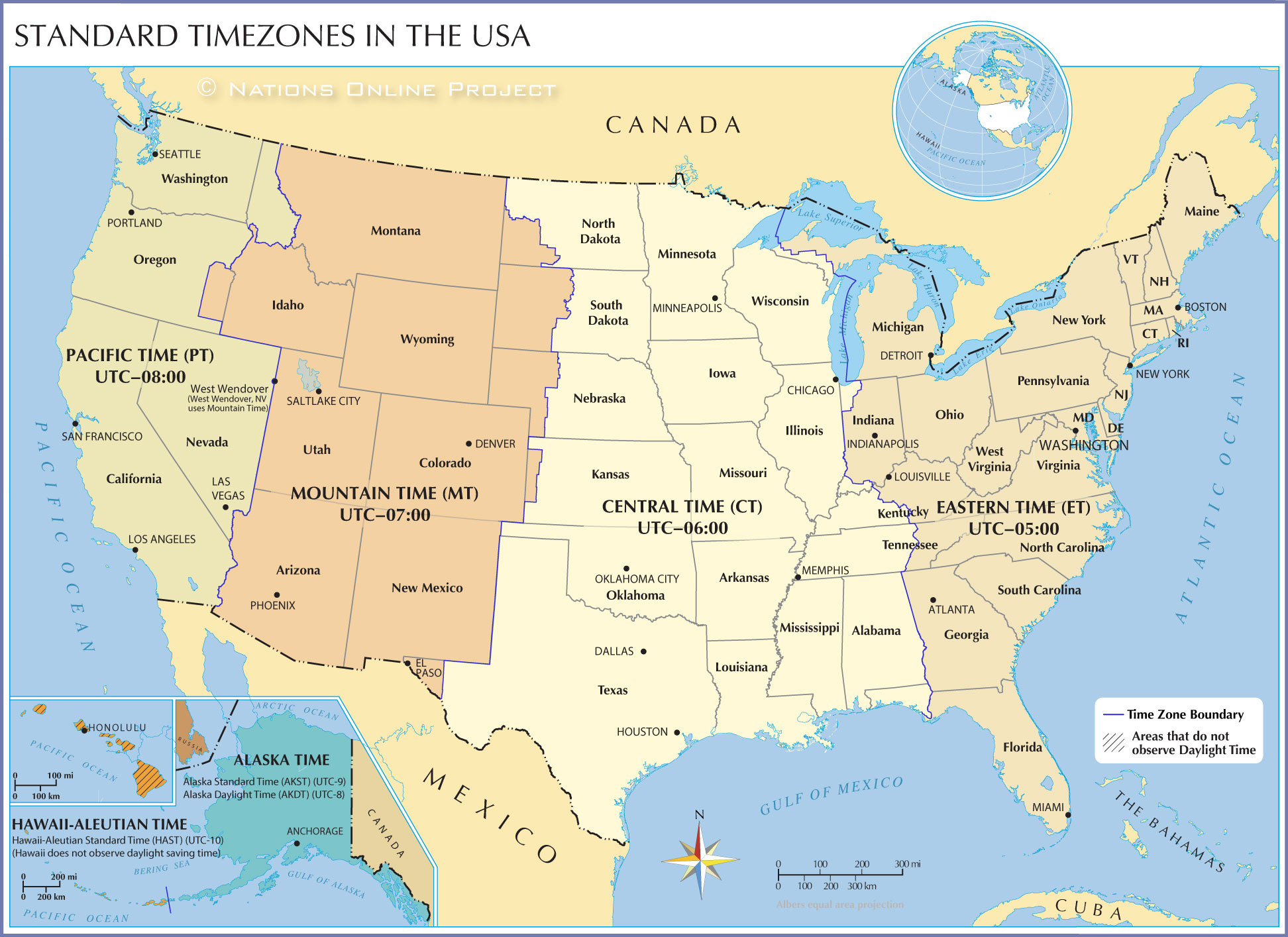
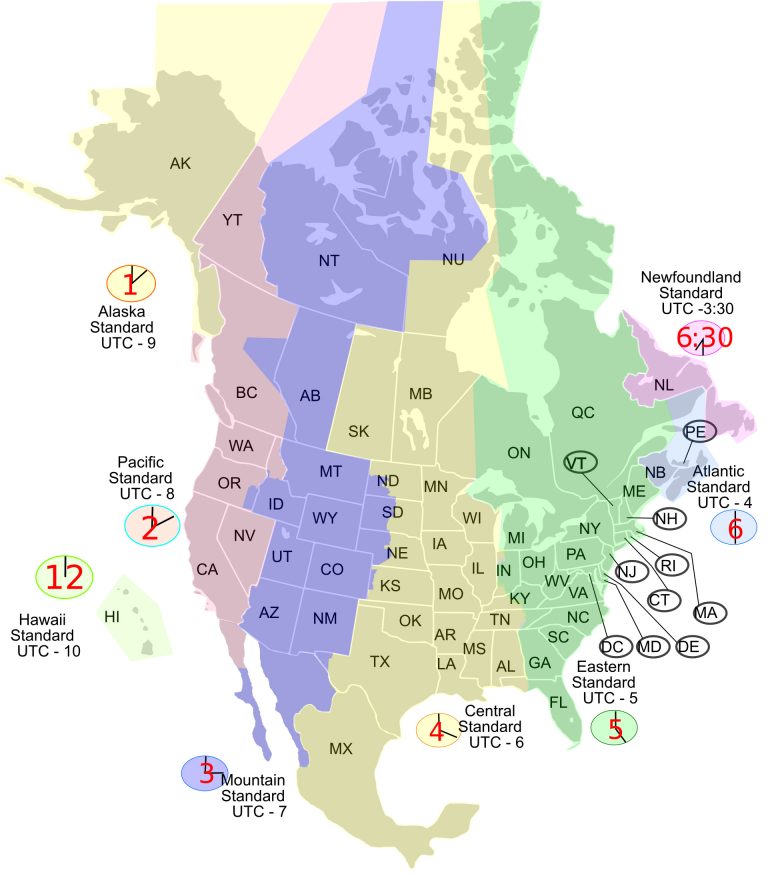
At its core, Nevada observes the Pacific Time Zone (PT). This means that for the majority of the year, during Standard Time, the state operates on Pacific Standard Time (PST), which is UTC-8. When Daylight Saving Time (DST) is in effect, typically from mid-March to early November, Nevada switches to Pacific Daylight Time (PDT), moving one hour forward to UTC-7. This adherence to the Pacific Time Zone aligns Nevada with its western neighbors like California and most of Oregon and Washington, making cross-state travel and communication relatively straightforward within the western United States.
The Pacific Time Zone Explained
The Pacific Time Zone is one of the four principal time zones in the contiguous United States. It’s crucial for travelers to understand the shift between PST and PDT. For instance, if you’re planning a trip in early spring or late fall, be mindful of the DST transition dates, as they can affect flight arrival times, event schedules, and hotel check-in/check-out policies. Most modern devices automatically adjust for Daylight Saving Time, but a quick check of local time upon arrival is always a good practice, especially if you’re traveling from a region that doesn’t observe DST or uses a different transition schedule. While the vast majority of Nevada follows this rule, there’s a small, lesser-known exception: the town of West Wendover, located on the eastern border with Utah, observes the Mountain Time Zone (MST/MDT) to align with its twin city, Wendover, Utah. This unique situation is primarily relevant for those traveling specifically to or through this easternmost point of the state.
Why Time Zones Matter for Travelers
For visitors, time zones impact virtually every aspect of a trip. From coordinating airport transfers to making dinner reservations at a Michelin-starred restaurant in Las Vegas or planning a hike in Lake Tahoe, understanding the local time is paramount. Jet lag can also be a significant factor, particularly for those arriving from eastern United States or international destinations. Adjusting your internal clock a few days before your departure, staying hydrated, and exposing yourself to natural light upon arrival can help mitigate its effects, ensuring you’re refreshed and ready to experience all that Nevada has to offer. Moreover, being aware of the time difference is critical for communicating with friends and family back home, ensuring you don’t inadvertently call them in the middle of the night.
Navigating Time Across Nevada’s Diverse Landscapes
Nevada’s geography is as varied as its attractions, ranging from the neon-lit entertainment capital of Las Vegas to the tranquil alpine beauty of Lake Tahoe and the rugged expanses of its high desert. Regardless of where you explore, the adherence to the Pacific Time Zone remains consistent, simplifying logistics even across vast distances within the state.
Las Vegas and Southern Nevada: The Entertainment Epicenter
In Las Vegas, the city that famously never sleeps, the time zone dictates the pulse of an entire industry. From the first shuffle of cards at dawn to the late-night shows and club openings, everything is synchronized with Pacific Time. Travelers to Southern Nevada, including areas like Henderson and Boulder City, will find that restaurants, attractions such as the Fremont Street Experience or the Hoover Dam, and a myriad of hotels like the Bellagio, Caesars Palace, and The Venetian Resort Las Vegas all operate on this schedule. The constant energy means that even at 3 AM PST, you can find vibrant activity, making the time zone almost secondary to the city’s relentless pace. However, knowing the time is still vital for catching specific showtimes, making reservation windows, or planning day trips to nearby natural wonders like Red Rock Canyon National Conservation Area or Valley of Fire State Park, where park hours are strictly observed.
Reno, Lake Tahoe, and Northern Nevada: Outdoor Adventures and History
Moving north, the cities of Reno and Carson City, along with the stunning region around Lake Tahoe, also adhere to Pacific Time. This is crucial for planning ski trips to resorts like Heavenly Mountain Resort or Mount Rose Ski Tahoe, where lift operating hours are fixed. Similarly, excursions to historic towns like Virginia City, which offers a glimpse into Nevada’s mining past, or visiting museums like the National Automobile Museum in Reno, require an understanding of their opening and closing times, all of which are aligned with PST/PDT. The more relaxed pace of Northern Nevada compared to Las Vegas means that business hours tend to be more conventional, making accurate time-keeping even more relevant for day-to-day activities and tour bookings.
Rural Nevada: Vast Expanses and Hidden Gems
Even in the more remote reaches of Nevada, from the ghost towns near the Extraterrestrial Highway to the geological wonders of Great Basin National Park in the east, the Pacific Time Zone is the standard. While the specific impact of the time zone might feel less immediate in areas with fewer scheduled activities, it’s still important for essential services like gas stations, small town diners in places like Ely or Elko, and any pre-booked accommodation in these quieter locales. For adventure travelers, understanding the daylight hours dictated by the time zone is also paramount for safety, especially when exploring vast, undeveloped areas or planning overnight stays in campsites.
Planning Your Nevada Trip: Time Zone Considerations for Accommodation and Activities
Effective trip planning involves more than just knowing “What Timezone Is Nevada?”; it means strategically using this knowledge to optimize your travel logistics, hotel bookings, and activity schedules. With Nevada operating almost entirely within the Pacific Time Zone, travelers can enjoy a relatively consistent schedule throughout their journey, minimizing confusion.
Seamless Travel Planning: Booking and Adjusting
When booking flights to major hubs like Harry Reid International Airport in Las Vegas or Reno-Tahoe International Airport, always confirm the arrival and departure times in local Pacific Time. This prevents miscalculations that could lead to missed connections or late arrivals at your chosen accommodation. For hotels, whether it’s a luxury suite on The Strip at the Wynn Las Vegas or a cozy cabin near Lake Tahoe Nevada State Park, check-in and check-out times are strictly enforced according to local PST/PDT. If you’re arriving from a vastly different time zone, consider scheduling a slightly later check-in to allow for potential flight delays or simply to give yourself time to acclimate. Many hotels, especially the larger resorts like the MGM Grand or Aria Resort & Casino, offer early check-in or late check-out options for an additional fee, which can be a lifesaver when dealing with jet lag or awkward flight timings.
Maximizing Your Stay: Itineraries and Experiences
Once you’ve settled into Nevada’s Pacific Time, planning your daily itinerary becomes much more straightforward. For those eager to explore the culinary scene, booking dinner reservations at popular restaurants well in advance, and being punctual, is essential. If you’re attending a show, concert, or sporting event, be mindful of the start times, often published in local time. Outdoor activities, especially those involving sunrise or sunset, such as kayaking on Lake Mead or hiking in Mount Charleston, will naturally be dictated by the local sun schedule within the Pacific Time Zone. For families traveling with young children, maintaining a consistent routine aligned with the local time can help minimize disruption and ensure everyone enjoys the trip. Always confirm the operating hours of attractions like the Stratosphere Tower or the Neon Museum, as they may vary seasonally.
Beyond the Clock: Experiencing Nevada’s Lifestyle and Culture
While the practicalities of “What Timezone Is Nevada?” are crucial for logistical planning, the state’s adherence to Pacific Time also subtly influences its unique lifestyle and cultural rhythm. This consistent time frame, particularly during the longer daylight hours of summer, encourages a lifestyle that balances the high-energy demands of tourism with the relaxed pace of its natural surroundings.
The 24/7 Energy of Las Vegas and the Strip
Las Vegas’s reputation as a 24/7 city isn’t just a marketing slogan; it’s a fundamental aspect of its identity, enabled in part by the stable Pacific Time Zone. The city thrives on a continuous loop of entertainment, dining, and gaming. Whether it’s 2 AM or 2 PM, the casinos like the Golden Gate Hotel & Casino or The D Las Vegas are bustling, restaurants are serving, and shows are gearing up. This timeless quality, where the sun’s position often feels irrelevant inside a casino, means visitors can truly define their own schedule, unburdened by conventional clocks. However, this also means it’s easy to lose track of time, so setting reminders for specific engagements or flights is highly recommended. The vibrant downtown area, with attractions like the Downtown Container Park, also extends its hours to cater to the city’s unique rhythm.
Adapting to the Pace of Northern Nevada and Outdoor Adventures
In stark contrast to Las Vegas, Northern Nevada and the Lake Tahoe region embrace a lifestyle more attuned to natural daylight. Here, the Pacific Time Zone dictates the optimal hours for outdoor activities. Skiers hit the slopes at resorts like Palisades Tahoe from morning to afternoon, while hikers and water sports enthusiasts on South Lake Tahoe or North Lake Tahoe plan their adventures around sunrise and sunset. The local culture here often revolves around making the most of the daylight for recreation and then enjoying a more relaxed evening. Understanding the time zone allows visitors to align their expectations and schedules with the natural rhythms of these regions, whether it’s for a scenic drive along the Lake Tahoe East Shore Trail or exploring the Nevada State Museum in Carson City.
Nevada’s Unique Blend of History and Modernity
Across Nevada, from the historic structures of Virginia City to the cutting-edge technology on display at the Consumer Electronics Show in Las Vegas, the consistent application of the Pacific Time Zone helps to create a coherent sense of place and time. This consistency allows for seamless transitions between diverse experiences, enabling travelers to explore the Rhyolite Ghost Town in the morning and dine at a high-end restaurant on The Strip in the evening, all while operating on the same clock. It fosters a predictable environment for both residents and tourists, facilitating the efficient functioning of the state’s significant tourism and hospitality industries.
In conclusion, Nevada’s primary adherence to the Pacific Time Zone, with its observance of Daylight Saving Time, simplifies travel logistics and ensures a consistent experience across its varied landscapes. While the state’s unique character and 24/7 energy often make time feel elastic, a solid understanding of its time zone is an invaluable tool for any traveler seeking to fully immerse themselves in the adventures, luxuries, and natural beauty of the Silver State. Planning meticulously around PST/PDT will undoubtedly enhance your visit, allowing you to maximize every moment of your Nevada getaway.
LifeOutOfTheBox is a participant in the Amazon Services LLC Associates Program, an affiliate advertising program designed to provide a means for sites to earn advertising fees by advertising and linking to Amazon.com. Amazon, the Amazon logo, AmazonSupply, and the AmazonSupply logo are trademarks of Amazon.com, Inc. or its affiliates. As an Amazon Associate we earn affiliate commissions from qualifying purchases.