
Navigating the temporal landscape of your travel plans is crucial for a seamless and enjoyable experience. For those dreaming of sun-drenched beaches, vibrant culture, and historical exploration, the island of Puerto Rico often features prominently on travel itineraries. A common, yet vital, question that arises is: “What timezone is Puerto Rico in?” Understanding this fundamental piece of information will not only help you coordinate your arrival and departure but also ensure you’re on schedule for tours, dining reservations, and connecting with loved ones back home.
Puerto Rico observes Atlantic Standard Time (AST) year-round. This means it is permanently on UTC-4. Unlike many regions that switch between standard and daylight saving time, Puerto Rico does not participate in Daylight Saving Time. This consistent timekeeping simplifies planning and avoids the confusion that often accompanies seasonal time shifts.
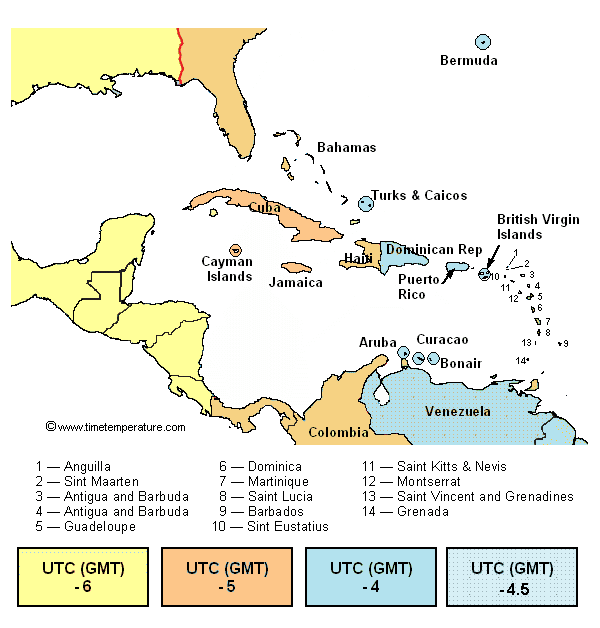
This steady temporal alignment is a significant advantage for travelers. When you land in San Juan, you won’t need to make any adjustments to your watch, provided you’re coming from a location that observes UTC-4 without daylight saving. However, for those arriving from places that do engage in Daylight Saving Time, it’s essential to understand the difference. For instance, during the summer months when parts of the United States mainland are on Eastern Daylight Time (EDT), which is UTC-4, Puerto Rico remains on AST (UTC-4). This can create a temporary, yet often overlooked, confusion. However, during the winter months, when the United States mainland observes Eastern Standard Time (EST), which is UTC-5, Puerto Rico will be one hour ahead.
The consistent UTC-4 designation means Puerto Rico is aligned with time zones like Eastern Daylight Time in the United States during the spring and summer months, and it is one hour ahead of Eastern Standard Time during the fall and winter months. This temporal relationship is important to remember when booking flights, making calls, or scheduling virtual meetings.
Understanding Puerto Rico’s Time Zone in Practice
The decision for Puerto Rico to remain on Atlantic Standard Time year-round, without observing Daylight Saving Time, is rooted in several factors, primarily its geographical location and historical considerations. This consistent time zone offers stability and predictability for residents and visitors alike.
Why the Consistency?
The geographical positioning of Puerto Rico in the Atlantic Ocean, east of the 60th meridian west, naturally places it within the UTC-4 time zone. The Caribbean islands, in general, tend to maintain a consistent time zone to simplify regional interactions and commerce. The absence of Daylight Saving Time is a deliberate choice, often attributed to the island’s tropical climate. In tropical regions, the daylight hours do not vary as dramatically throughout the year as they do in temperate zones. The sun rises and sets at roughly the same time each day, year-round, making the artificial adjustment of moving clocks forward or backward less impactful and potentially even disruptive to daily routines and natural biological rhythms.
This adherence to a single time zone, AST (UTC-4), means that regardless of the season, the clock in San Juan will reflect the same offset from Coordinated Universal Time (UTC). This simplifies communication, business operations, and travel logistics for both international visitors and those traveling within the Caribbean region. For instance, if you are traveling from New York during the summer when New York is on EDT (UTC-4), your watch will technically show the same time. However, when New York switches back to EST (UTC-5) in the fall, Puerto Rico will remain on AST (UTC-4), making it one hour ahead.
This consistent temporal alignment also benefits local industries, particularly tourism and agriculture, which are significant to Puerto Rico‘s economy. Businesses can rely on a predictable schedule without the need to constantly update operating hours or adjust staff schedules due to time changes. For tourists staying at hotels like the luxurious Dorado Beach, a Ritz-Carlton Reserve, or exploring the historic streets of Old San Juan, knowing the exact time without any daylight saving confusion contributes to a more relaxed and enjoyable vacation.
Planning Your Puerto Rican Adventures: Time Zone Considerations
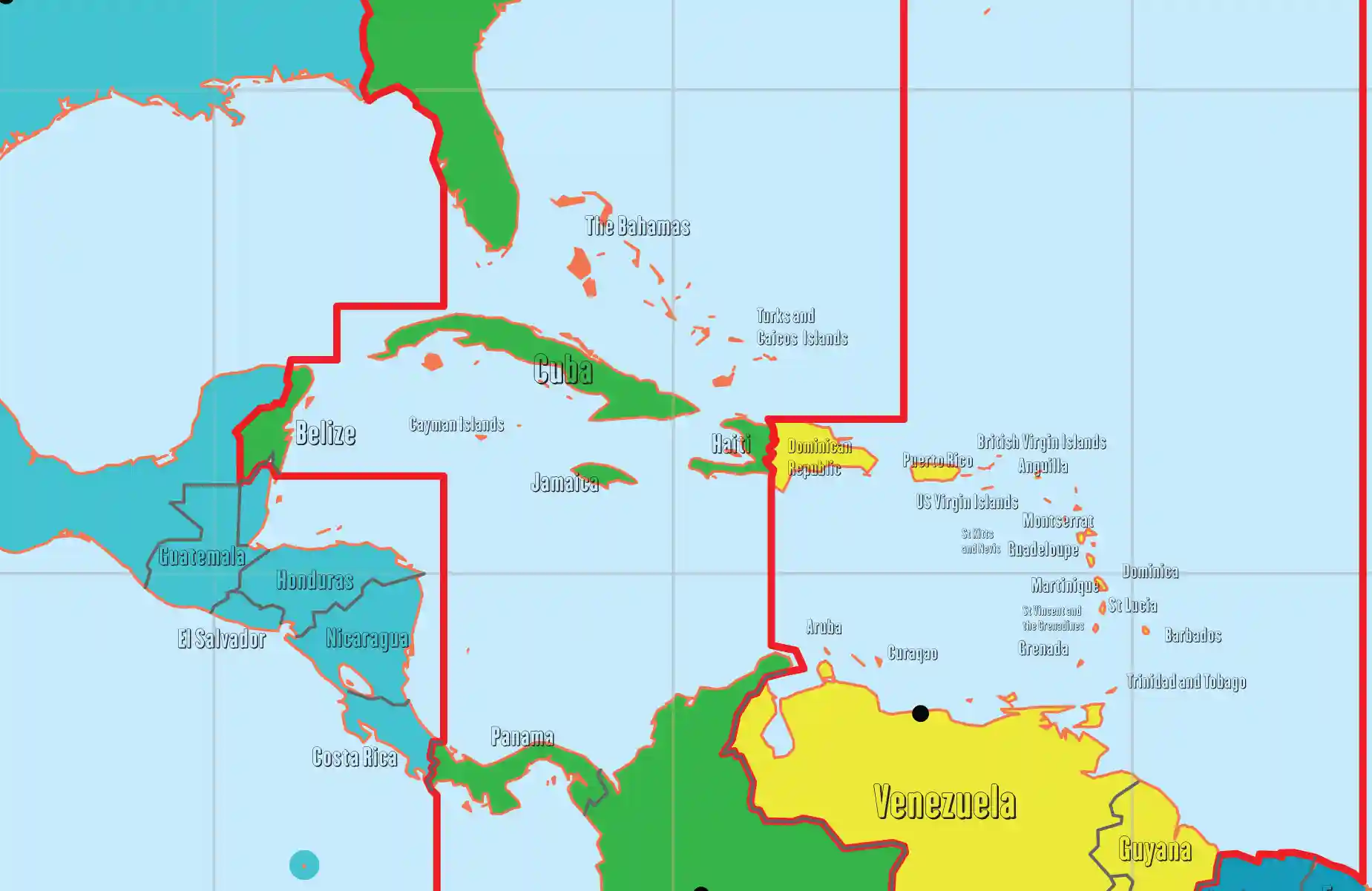
When you’re planning an adventure to Puerto Rico, understanding its timezone is more than just a trivial detail; it’s a fundamental aspect of ensuring your trip runs smoothly. From booking your flights into Luis Muñoz Marín International Airport to arranging excursions to the El Yunque National Forest, temporal accuracy is key.
Coordinating Your Travel and Activities
The primary implication of Puerto Rico‘s consistent UTC-4 timezone is that you will always know where you stand relative to other time zones. For travelers coming from the United States, this requires a bit of mental calibration depending on the time of year.
-
During Daylight Saving Time in the US (Spring/Summer): Many parts of the United States, particularly the Eastern Seaboard, observe Daylight Saving Time. For example, New York and Miami operate on Eastern Daylight Time (EDT), which is also UTC-4. In this period, Puerto Rico and these US cities will be on the same time. If your flight departs New York at 10 AM EDT, it will arrive in San Juan at 10 AM AST. This is often the simplest scenario to manage.
-
During Standard Time in the US (Fall/Winter): When the United States reverts to Standard Time, most of the Eastern Time Zone observes Eastern Standard Time (EST), which is UTC-5. During this period, Puerto Rico will be one hour ahead of the US East Coast. If you are in Chicago and it is 10 AM CST (UTC-6), Puerto Rico will be at 1 PM AST. Conversely, if a tour in Old San Juan is scheduled for 2 PM AST, and you are calling from Los Angeles (Pacific Standard Time, UTC-8), you’ll need to remember that Puerto Rico is significantly ahead.
This temporal difference is particularly relevant when booking accommodations. Whether you are eyeing a charming boutique hotel in Condado or a sprawling resort like The St. Regis Bahia Beach Resort, confirming check-in and check-out times in AST is vital. Furthermore, when booking tours to iconic sites like El Morro or activities such as exploring the bioluminescent bays of Vieques, always verify the scheduled times in Puerto Rico’s local time.
For business travelers, the consistent time zone simplifies scheduling meetings with Puerto Rico-based colleagues. However, it’s always courteous to confirm the time zone when arranging international calls. For families traveling with children, especially those prone to jet lag, the lack of a time change within Puerto Rico itself can be a small but welcome relief. The consistent rhythm of the island allows for easier adjustment to daily routines, from breakfast at your hotel to afternoon explorations of attractions like the Bacardi Distillery.
Ultimately, understanding that Puerto Rico consistently observes UTC-4 year-round is a small piece of knowledge that can significantly enhance your travel planning, ensuring you spend less time worrying about the clock and more time enjoying the vibrant culture, stunning landscapes, and warm hospitality of this beautiful island.

Key Takeaways for Travelers
To summarize the essential temporal information for your trip to Puerto Rico:
- Puerto Rico’s Time Zone: Atlantic Standard Time (AST).
- UTC Offset: UTC-4 year-round.
- Daylight Saving Time: Puerto Rico does NOT observe Daylight Saving Time.
- Comparison with US East Coast:
- During US Daylight Saving Time (roughly March to November), Puerto Rico is typically on the same time as New York, Miami, and other cities in the Eastern Time Zone.
- During US Standard Time (roughly November to March), Puerto Rico is one hour ahead of the US East Coast.
This understanding is crucial for a variety of travel-related activities, from coordinating airport transfers and hotel check-ins to booking guided tours of historical sites like Castillo San Cristobal and planning visits to natural wonders such as the Río Camuy Cave Park. By keeping Puerto Rico’s consistent UTC-4 in mind, you can ensure your itinerary is precise, your communications are clear, and your island experience is as seamless as possible. Whether you’re seeking luxury accommodations at the Fairmont El San Juan Hotel or a budget-friendly stay in Ponce, temporal accuracy is a universal travel tool.
LifeOutOfTheBox is a participant in the Amazon Services LLC Associates Program, an affiliate advertising program designed to provide a means for sites to earn advertising fees by advertising and linking to Amazon.com. Amazon, the Amazon logo, AmazonSupply, and the AmazonSupply logo are trademarks of Amazon.com, Inc. or its affiliates. As an Amazon Associate we earn affiliate commissions from qualifying purchases.