
Downtown Los Angeles, often referred to as DTLA, is the beating heart of Southern California. Once dismissed as a strictly business-oriented district, the area has undergone a monumental transformation over the past two decades. Today, it stands as a vibrant epicenter of arts, culinary innovation, historic architecture, and urban renewal. For travelers looking to understand the complex, layered soul of the United States, there is no better starting point than this bustling concrete metropolis.
A Cultural Immersion Into Art and History
The artistic spirit of Los Angeles finds its most concentrated expression within the streets of DTLA. Visitors can spend days traversing the district, moving seamlessly between modern galleries and preserved historic monuments that tell the story of a booming 20th-century city.

Architectural Marvels
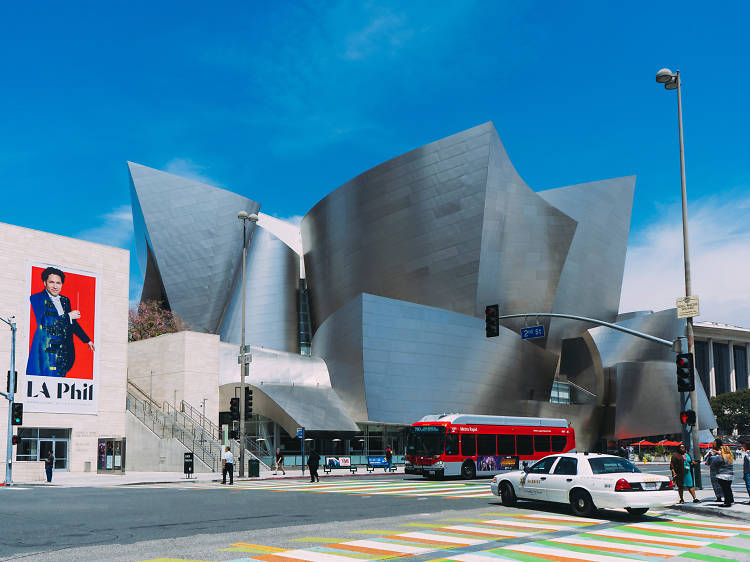
The architecture of Downtown is a masterclass in diversity. You can start your morning at the Bradbury Building, famous for its iron-wrought cages and open-cage elevators that have graced the silver screen in numerous science fiction films. Just a short walk away, the Walt Disney Concert Hall stands as a stunning masterpiece of deconstructivist design by architect Frank Gehry. Its stainless-steel curves reflect the California sunlight, creating a visual symphony that is as impressive as the music performed inside.
Museums and Galleries
For those seeking visual arts, the The Broad offers an unparalleled collection of contemporary art. This porous, “veil and vault” structure houses works by world-renowned artists such as Andy Warhol and Jeff Koons. Directly across the street, the Museum of Contemporary Art provides a deeper dive into mid-century masterpieces, rounding out an essential itinerary for any art lover visiting North America.
The Culinary Renaissance of DTLA
The dining scene in Downtown is reflective of the city’s melting pot identity. From traditional ethnic enclaves to high-end, chef-driven establishments, the variety of flavors available within a ten-block radius is staggering.
Grand Central Market
No visit is complete without a pilgrimage to Grand Central Market. Operating since 1917, this historic food hall has evolved into a modern culinary landmark. Here, you can sample everything from authentic Mexican tacos and artisanal Japanese ramen to gourmet coffee roasted on-site. It is a sensory experience that captures the chaotic, creative, and delicious spirit of Los Angeles County.
Fine Dining and Speakeasies
As the sun sets, the scene shifts toward the Arts District. This neighborhood, characterized by converted industrial warehouses, now houses some of the most innovative restaurants in the country. After dinner, explore the hidden world of speakeasies. Many of these venues are tucked away behind unmarked doors or historic storefronts, offering expertly crafted cocktails in an intimate, sophisticated atmosphere that pays homage to the Prohibition era of the United States.
Exploring Iconic Districts and Public Spaces
Beyond the museums and restaurants, the geography of DTLA is defined by its distinct neighborhoods, each offering a different atmosphere and a unique set of activities.
Historic Core and Broadway
Walking down Broadway is like stepping back into the golden age of cinema. The street is lined with historic theaters, many of which are currently being restored to their original glory. The Orpheum Theatre and the Los Angeles Theatre are prime examples of the opulent movie palaces that defined the early era of Hollywood.
Little Tokyo and Chinatown
Just a few minutes away, Little Tokyo provides a tranquil escape with its beautifully manicured gardens and traditional shops. It is one of the few historic Japantowns remaining in the country and is an excellent place to find high-quality ceramics, tea, and traditional sweets. Similarly, Chinatown remains a bustling hub of commerce and culture, with its iconic Central Plaza serving as a vibrant reminder of the deep roots Asian immigrants have planted in the city.
Tips for Navigating the Urban Landscape
Downtown is one of the few areas in this sprawling city that is truly walkable, but there are a few things to keep in mind to make the most of your trip.
Transportation Connectivity
While the city is famous for its car culture, DTLA is the hub of the LA Metro system. Utilizing the light rail lines makes it incredibly easy to reach other parts of the region, such as Santa Monica or Hollywood, without the stress of parking. The iconic Angels Flight railway also provides a charming, short-cut transit experience, bridging the gap between the historic Hill Street and California Plaza.
The Best Time to Visit
To truly appreciate the transformation of the city, consider visiting during the week when the business district is humming, or on a weekend when the Arts District comes alive with gallery openings and street markets. The weather in Southern California is generally temperate year-round, but spring and autumn offer the most pleasant temperatures for long days of exploring on foot.
Stay Mindful of the Urban Shift
Like any major metropolitan center in the United States, Downtown has its nuances. The neighborhood is a study in contrasts; the luxury high-rises often sit adjacent to historic buildings and social service centers. By keeping a general awareness of your surroundings and sticking to the well-traveled, vibrant corridors, you will find that the district is safe, welcoming, and endlessly engaging.
Downtown is no longer just a place to work; it is the definitive place to play, eat, and experience the cultural evolution of Los Angeles. Whether you are a history buff, a culinary adventurer, or an art enthusiast, the dense, interconnected nature of this district ensures that you will find something that resonates with you. As the city continues to grow and evolve, DTLA remains its most exciting frontier, offering a constant reminder that the spirit of discovery is alive and well in the heart of the city.
LifeOutOfTheBox is a participant in the Amazon Services LLC Associates Program, an affiliate advertising program designed to provide a means for sites to earn advertising fees by advertising and linking to Amazon.com. Amazon, the Amazon logo, AmazonSupply, and the AmazonSupply logo are trademarks of Amazon.com, Inc. or its affiliates. As an Amazon Associate we earn affiliate commissions from qualifying purchases.