
Nestled on the verdant eastern coast of the Big Island of Hawaii, Hilo offers a captivating blend of natural splendor, rich cultural heritage, and authentic island charm. Far from the bustling resorts of the west coast, Hilo invites visitors to immerse themselves in a more serene and genuine Hawaiian experience. This is a place where lush rainforests meet volcanic landscapes, where the spirit of aloha thrives in local markets and museums, and where every turn reveals a breathtaking vista. Whether you’re an intrepid adventurer, a culture enthusiast, or simply seeking a tranquil escape, Hilo promises an unforgettable journey. From cascading waterfalls and vibrant botanical gardens to the awe-inspiring power of active volcanoes, this comprehensive guide will help you navigate the myriad experiences awaiting you in one of Hawaii’s most enchanting towns. Prepare to discover why Hilo is a must-visit destination for anyone yearning to connect with the raw beauty and deep traditions of the islands.
Discover Hilo’s Breathtaking Natural Wonders
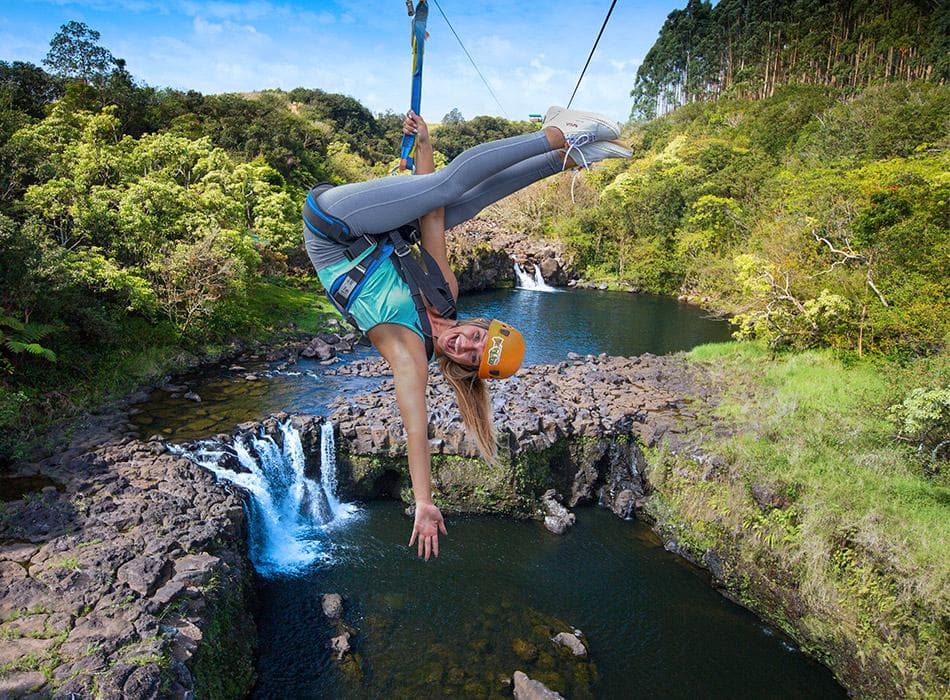
Hilo’s landscape is a testament to the raw, untamed beauty of the Big Island. Characterized by its generous rainfall, this region is a haven for lush vegetation, dramatic waterfalls, and unique volcanic formations. Exploring these natural landmarks is undoubtedly one of the top things to do, offering countless opportunities for photography, hiking, and simply marveling at Mother Nature’s artistry.
Majestic Waterfalls and Lush Gardens
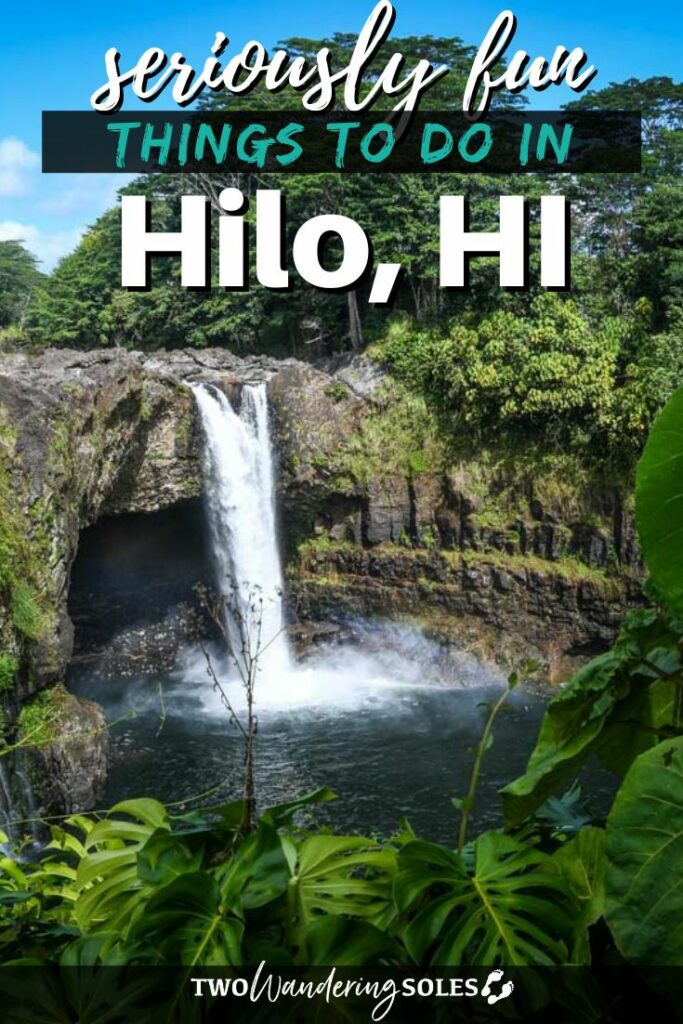
The area surrounding Hilo is famed for its spectacular waterfalls, each with its own distinct allure. A short drive from downtown will bring you to Rainbow Falls, a majestic 80-foot waterfall cascading over a natural lava cave into the Wailuku River. The falls earn their name from the rainbows that frequently appear in the mist, especially on sunny mornings, creating a truly magical spectacle. Its easy accessibility makes it a popular stop, offering stunning views without an arduous hike.
Further afield, the iconic Akaka Falls State Park presents an even grander display of nature. A paved, easy-to-walk loop trail guides visitors through a vibrant rainforest, alive with wild orchids, bamboo groves, and ferns, culminating in views of two magnificent waterfalls. The star attraction, Akaka Falls, plunges a breathtaking 442 feet into a gorge, while the equally impressive, though smaller, Kahuna Falls also makes an appearance along the path. The sheer scale and beauty of these falls, set against such a rich tropical backdrop, create an unforgettable experience.
Beyond the powerful cascades, Hilo also boasts exquisite botanical treasures. The Hawaii Tropical Bioreserve & Garden is a living museum, home to over 2,000 species of plants from around the world. Meandering pathways lead visitors through a pristine valley, past exotic flowers, towering palms, and a stunning private beach. It’s a tranquil oasis perfect for an afternoon stroll, offering insights into the incredible biodiversity of tropical ecosystems. Equally serene, Liliuokalani Park and Gardens, located on Hilo Bay, is the largest authentic ornamental Japanese garden outside of Japan. Dedicated to Queen Liliʻuokalani, it features pagodas, stone lanterns, arching bridges, and serene ponds, creating a peaceful retreat ideal for reflection and enjoying panoramic views of the bay and Mauna Kea in the distance.

Volcanic Landscapes and Stargazing Marvels
No visit to the Big Island would be complete without experiencing its active volcanoes, and Hilo serves as a perfect gateway to Hawaii Volcanoes National Park. This UNESCO World Heritage site is a dynamic landscape where you can witness the raw power of creation and destruction. The park encompasses the summits of two of the world’s most active volcanoes, Kilauea and Mauna Loa. Visitors can explore a variety of ecosystems, from lush rainforests to stark volcanic deserts, hike through ancient lava tubes, marvel at steam vents, and potentially witness molten lava flows (conditions permitting). The park offers numerous trails, scenic drives like the Crater Rim Drive and Chain of Craters Road, and a visitor center providing up-to-date information on volcanic activity. It’s an unparalleled opportunity to learn about geology, observe unique flora and fauna, and feel the earth’s living pulse.
For an experience that reaches beyond our planet, a journey to Mauna Kea offers one of the world’s best stargazing opportunities. While the summit, home to international astronomical observatories, requires a 4×4 vehicle and acclimatization, the Mauna Kea Visitor Information Station at 9,200 feet is accessible to all. Here, free stargazing programs are offered several nights a week, allowing visitors to view celestial wonders through high-powered telescopes, guided by expert volunteers. Even without a telescope, the clear, dark skies above Mauna Kea present an astonishing display of stars, a humbling reminder of the vastness of the universe. This unique blend of volcanic exploration and celestial observation underscores the Big Island’s incredible diversity, making it a dream destination for adventurers and curious minds alike.
Immerse Yourself in Hilo’s Rich Culture and History
Beyond its natural splendors, Hilo offers a deep dive into Hawaiian culture, history, and local life. Unlike some of the more tourist-centric areas, Hilo has retained a strong sense of its roots, providing visitors with authentic experiences that connect them to the heart of the island.
Downtown Hilo’s Charm and Educational Museums
The historic Downtown Hilo district is a charming area to explore on foot. Its architecture harks back to the early 20th century, with many buildings boasting unique art deco and Victorian designs. Here, you’ll find a delightful array of independent boutiques, local art galleries showcasing Hawaiian talent, and quaint cafes serving up local flavors. Strolling through these streets offers a glimpse into Hilo’s past and its vibrant present, making it a fantastic spot for souvenir hunting or simply soaking in the laid-back atmosphere.
For those interested in the island’s unique geological and cultural history, Hilo is home to several engaging museums. The Pacific Tsunami Museum stands as a poignant reminder of the powerful tsunamis that have impacted Hilo throughout its history. Through compelling exhibits, personal accounts, and scientific explanations, the museum educates visitors about tsunami phenomena, encourages preparedness, and honors the lives lost. It’s a sobering yet important experience that provides context to the forces shaping this island community.
Meanwhile, the Imiloa Astronomy Center of Hawaii offers a fascinating blend of Hawaiian culture and cutting-edge astronomy. Situated on a 9-acre campus above Hilo Bay, Imiloa features an immersive planetarium, interactive exhibits, and beautiful gardens. It connects ancient Hawaiian navigation traditions and star lore with modern astronomical research conducted on Mauna Kea, creating a unique bridge between science and indigenous wisdom. For art lovers, the East Hawaii Cultural Center, housed in a historic former courthouse, showcases local and regional artists through rotating exhibitions, performances, and workshops. It serves as a vital hub for the arts community, reflecting the creative spirit of Hilo.
Savoring Local Flavors and Vibrant Markets
A true measure of a place’s culture often lies in its food, and Hilo does not disappoint. The culinary scene here emphasizes fresh, local ingredients, often with an Asian or Polynesian twist. A highlight for any foodie is the Hilo Farmers Market, one of Hawaii’s best and most vibrant open-air markets. Operating daily, but particularly bustling on Wednesdays and Saturdays, the market is a kaleidoscope of colors, aromas, and sounds. Here, you can find an astonishing variety of tropical fruits and vegetables, freshly caught seafood, artisanal crafts, and delicious prepared foods from local vendors. It’s the perfect place to grab fresh produce for a picnic, sample exotic snacks, or find unique souvenirs.
When it comes to dining out, Hilo offers everything from casual eateries to upscale restaurants. You must try local specialties such as poke (raw fish salad), kalua pig (slow-cooked pork), or the iconic loco moco (a hearty dish of white rice, hamburger patty, fried egg, and gravy). For an authentic taste of the loco moco, many locals will point you towards Cafe 100, a true Hilo institution. For fresh seafood and island-inspired dishes in a lively atmosphere, Pineapples Island Fresh Cuisine is a popular choice, often featuring live music. Exploring Hilo’s food scene is an adventure in itself, providing delicious insights into the island’s diverse cultural influences and the bounty of its land and sea.
Planning Your Hilo Getaway: Accommodation and Essential Tips
To truly enjoy all that Hilo and the surrounding Big Island have to offer, careful planning of your accommodation and understanding a few local nuances will greatly enhance your travel experience.
Where to Stay in Hilo
Hilo offers a range of accommodation options to suit various preferences and budgets, though it tends to be less about sprawling luxury resorts and more about comfortable hotels, charming bed & breakfasts, and convenient vacation rentals. Most of the hotels are concentrated along Hilo Bay, offering scenic views and easy access to downtown and other attractions.
For those seeking a blend of comfort and amenities, the Grand Naniloa Hotel Hilo – a DoubleTree by Hilton is a popular choice. It boasts well-appointed rooms, an outdoor pool, an 18-hole golf course, and stunning views of the bay and Mauna Kea. Its waterfront location makes it an ideal base for exploring. Another excellent option on Hilo Bay is the Hilo Hawaiian Hotel, known for its spacious rooms, friendly service, and traditional Hawaiian ambiance. It provides a comfortable and convenient stay with beautiful ocean vistas.
If you’re looking for a more contemporary and eco-conscious option, the SCP Hilo Hotel (Soul Community Planet) offers a modern design, wellness-focused amenities, and a commitment to sustainability. It’s a great choice for travelers seeking a mindful and active stay. Beyond these larger hotels, Hilo also features numerous cozy bed & breakfasts and vacation rentals scattered throughout the town and its outskirts. These options often provide a more personalized experience, allowing you to connect with local hosts and gain insider tips on exploring the area. When booking, consider factors like proximity to the airport, downtown attractions, and your planned daily excursions. Reviews and comparison sites can be invaluable tools for finding the perfect place to rest after a day of island adventures.
Essential Hilo Travel Tips
To make the most of your Hilo adventure, keep these practical tips in mind:
- Rent a Car: While downtown Hilo is walkable, a rental car is absolutely essential for exploring the Big Island’s vast attractions, including Hawaii Volcanoes National Park, Akaka Falls State Park, and Mauna Kea. Public transportation is limited, and ride-sharing services can be scarce outside urban areas.
- Pack for All Seasons: Hilo is known as the “Rainy City,” and while its showers often bring refreshing coolness and contribute to the lush landscape, it’s wise to pack a lightweight rain jacket or umbrella. Alongside, bring swimwear, sun protection, comfortable hiking shoes, and layers, as temperatures can vary significantly, especially when visiting higher elevations like Mauna Kea.
- Respect the Land and Culture (Aloha ‘Aina): Hawaii is a place of deep respect for nature and tradition. Practice “Leave No Trace” principles, stay on marked trails, and never disturb natural formations or historical sites. Engage respectfully with local communities and be mindful of local customs and traditions.
- Embrace the “Paniolo” (Cowboy) Culture: While often associated with beaches and volcanoes, the Big Island also has a rich paniolo (Hawaiian cowboy) history, particularly in areas like Waimea. While Hilo is primarily coastal, this aspect of island life is worth noting and exploring if you venture further inland.
- Check Volcanic Conditions: If visiting Hawaii Volcanoes National Park, always check the National Park Service website for the latest updates on volcanic activity, trail closures, and safety alerts. Conditions can change rapidly.
- Sun Protection is Key: Even on cloudy days, the Hawaiian sun is potent. Use high-SPF sunscreen, wear hats, and seek shade, especially between 10 AM and 2 PM.
By keeping these tips in mind, your travel to Hilo will be smoother, safer, and more enjoyable, allowing you to fully immerse yourself in the unique beauty and culture of this incredible destination.
In conclusion, Hilo, Hawaii, offers a travel experience that is as rich and diverse as its landscape. From the awe-inspiring power of its volcanoes and the serene beauty of its waterfalls and gardens to the vibrant pulse of its local markets and the profound depth of its cultural institutions, Hilo presents a genuine slice of Hawaiian life. Whether you’re seeking adventure amidst geological wonders, tranquility in lush botanical settings, or an authentic connection with local traditions and flavors, Hilo has something truly special to offer. Plan your trip with these destinations and tips in mind, and prepare to create lasting memories in this enchanting corner of the Big Island.
LifeOutOfTheBox is a participant in the Amazon Services LLC Associates Program, an affiliate advertising program designed to provide a means for sites to earn advertising fees by advertising and linking to Amazon.com. Amazon, the Amazon logo, AmazonSupply, and the AmazonSupply logo are trademarks of Amazon.com, Inc. or its affiliates. As an Amazon Associate we earn affiliate commissions from qualifying purchases.