
The Badlands of South Dakota offer a landscape unlike any other in the United States. This rugged, eroded terrain, sculpted over millennia by wind and water, presents a dramatic tableau of pinnacles, buttes, and spires that ignite the imagination. Visiting this national park is not merely a sightseeing trip; it’s an immersion into geological history and a chance to connect with a wild, untamed frontier. For the intrepid traveler, the Badlands are a destination ripe with discovery, offering a spectrum of activities that cater to adventurers, nature enthusiasts, and those simply seeking awe-inspiring vistas.
Exploring the Geological Marvels
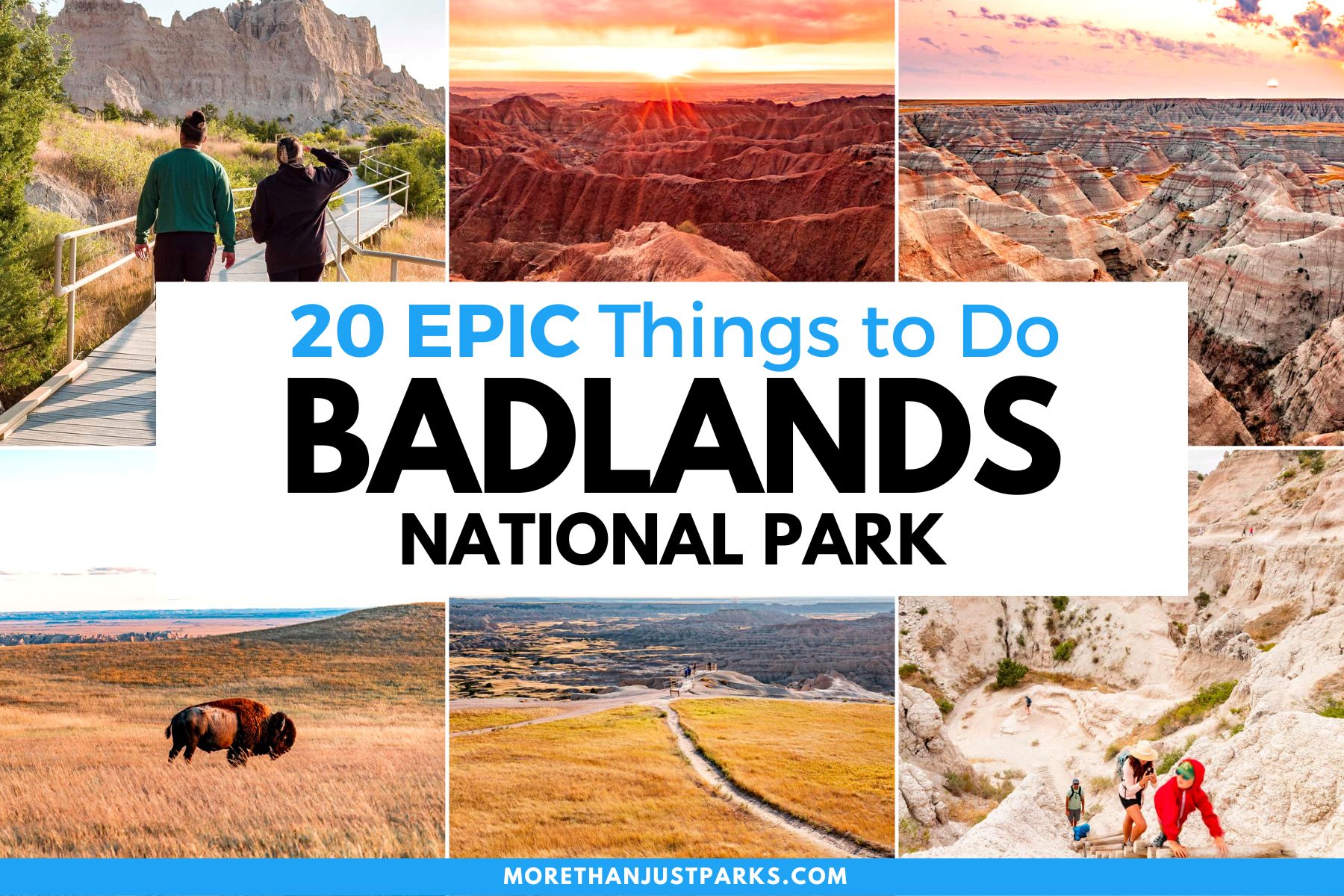
The primary allure of the Badlands National Park lies in its extraordinary geological formations. These ancient sedimentary layers, exposed and carved into their current magnificent forms, tell a story of prehistoric life and dramatic environmental shifts. Understanding this context enriches the visitor’s experience, transforming a visual spectacle into a profound lesson in Earth’s history.
Scenic Drives and Overlooks
The most accessible way to witness the grandeur of the Badlands is by car. Badlands Loop Road (Highway 240) is the park’s main artery, offering unparalleled views and numerous pull-offs. This 31-mile paved road winds through the heart of the scenic areas, allowing for frequent stops to absorb the breathtaking panoramas.
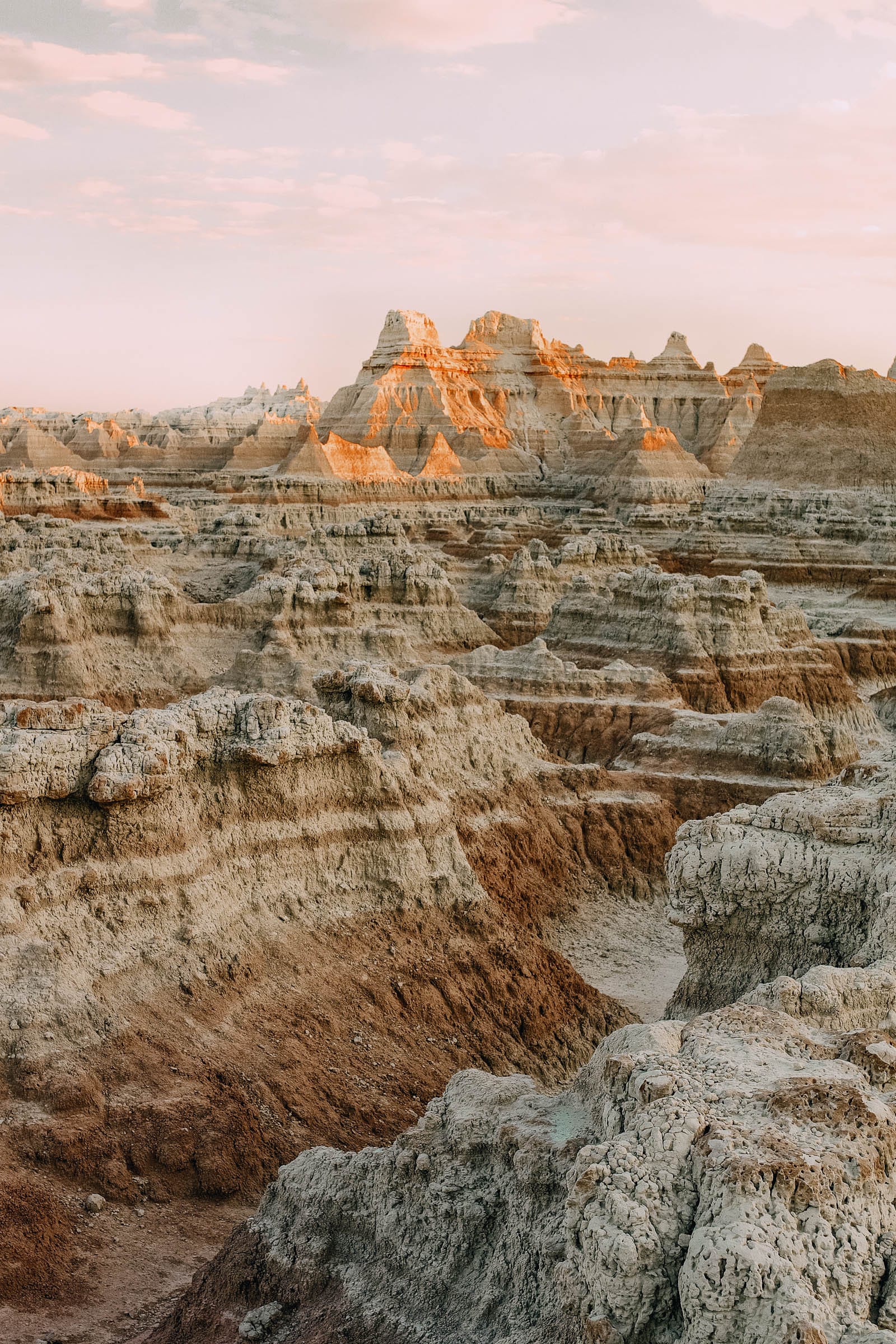
- Pinnacle Overlook: This is often the first major viewpoint encountered when entering the park from the northeast. It provides a commanding view of the sharply eroded “pinnacle” formations that give the area its name.
- Yellow Mounds Overlook: The vibrant yellow and orange hues of the mounds here are a testament to the ancient marine life that once inhabited the region. The contrast of colors against the blue sky is particularly striking.
- Panorama Point: As the name suggests, this overlook offers a sweeping 360-degree view of the Badlands’ expansive, otherworldly landscape. It’s an ideal spot for photography and for simply taking in the sheer scale of the erosion.
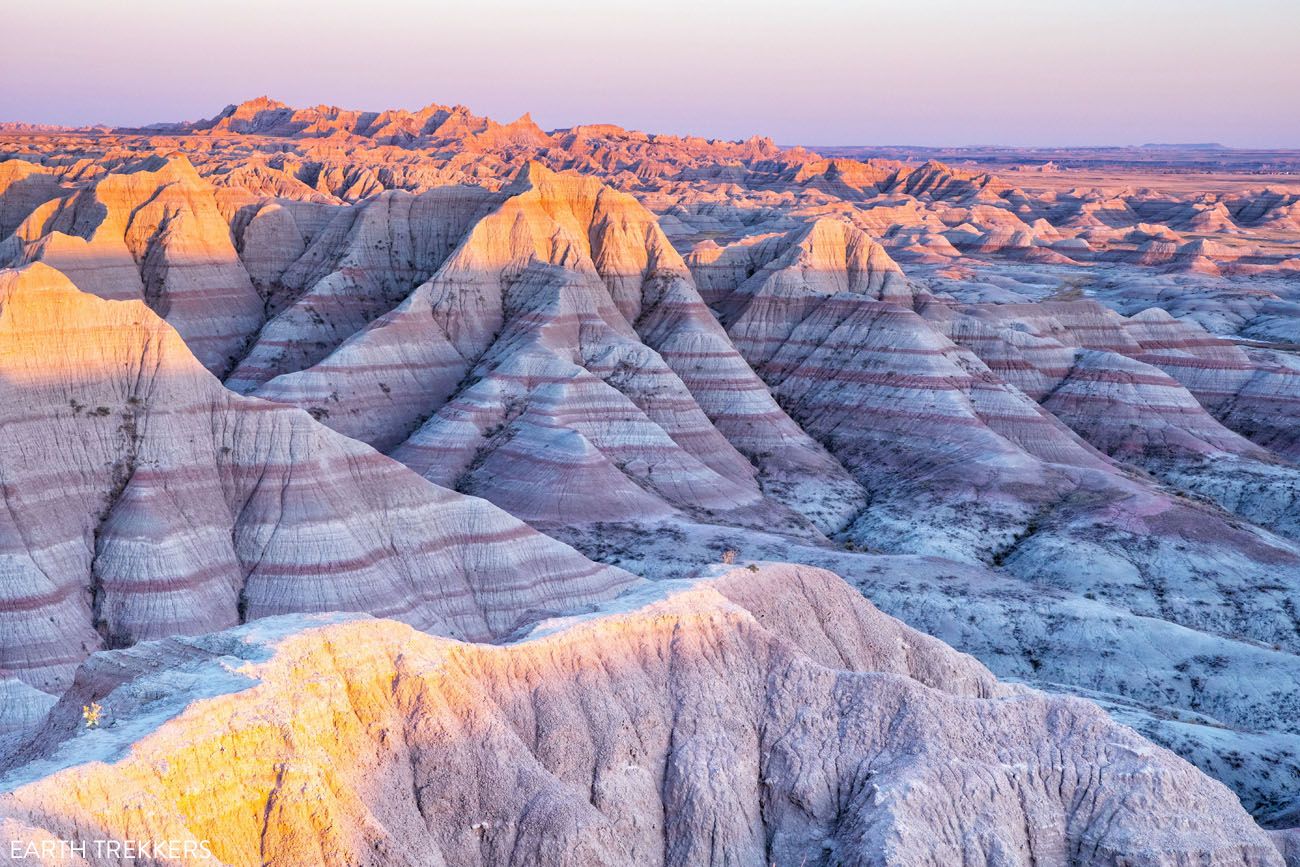
- Big Badlands Overlook: Located near the Ben Reifel Visitor Center, this overlook provides an excellent vantage point to appreciate the layers of sediment and the intricate patterns of erosion.
For those seeking a more off-the-beaten-path experience, the park also offers gravel roads that can be explored with appropriate vehicles, leading to more remote and equally stunning vistas.
Hiking Trails for Every Level
While the scenic drives offer spectacular views, hiking allows for a more intimate connection with the Badlands. The park features a variety of trails, ranging from short, accessible boardwalks to more strenuous backcountry treks.
- Boardwalk Trails: These are ideal for a quick immersion.
- Fossil Exhibit Trail: This easy, 0.25-mile boardwalk trail features interpretive displays about the fossilized remains found in the Badlands, including ancient mammals like the Mesohippus and Merycoidodon. It’s a fantastic introduction to the paleontology of the region.
- Cliff Shelf Nature Trail: A 0.5-mile loop trail, this path leads to an alcove that was once used by Native Americans. It offers a unique perspective on the geology and history.
- Moderate Trails: These offer a bit more challenge and reward.
- Saddle Pass Trail: A steeper, 1.8-mile loop that climbs to the top of the escarpment, offering expansive views. This trail can be challenging due to its incline.
- Medicine Root Trail: A longer, 5-mile loop that connects to other trails, allowing for customizable hikes. It traverses diverse terrain, offering a good mix of geological features and prairie ecosystems.
- Backcountry Hiking: For experienced hikers, the Badlands offers vast opportunities for off-trail exploration. These routes require careful planning, navigation skills, and awareness of weather conditions, as the terrain can be challenging and unpredictable. Permits may be required for overnight stays.
Important Note for Hikers: Always carry plenty of water, wear sturdy footwear, and be aware of the weather. The Badlands can experience extreme temperatures and sudden storms. Inform someone of your hiking plans.
Wildlife Encounters in the Wilderness
The Badlands are not just a geological wonder; they are also a thriving ecosystem supporting a surprising diversity of wildlife. While the landscape may appear stark, it provides sustenance for a variety of animals, from prairie dogs to majestic bison. Observing these creatures in their natural habitat adds another significant dimension to a visit.
Iconic Species and Their Habitats
The park is home to several iconic prairie and grassland species, many of which are readily visible to visitors.
- Bison: These magnificent animals, once nearly extinct, now roam freely in the Badlands. They are often seen grazing in the grasslands, especially in the park’s southern unit. Keep a safe distance and admire them from your vehicle or a designated viewpoint.
- Prairie Dogs: These small, social rodents are a ubiquitous sight and sound in the Badlands. Their well-organized colonies, or “towns,” are a fascinating spectacle. You’ll often find them popping in and out of their burrows, engaging in their characteristic communication. The Fossil Exhibit Trail and areas around the visitor centers are prime spots to observe them.
- Bighorn Sheep: While more elusive, bighorn sheep can sometimes be spotted on the steep, rocky slopes. Keep an eye on the cliffs, especially in the early morning or late evening.
- Black-Footed Ferrets: Considered one of North America’s most endangered mammals, the black-footed ferret is native to the Badlands. While sightings are rare, the park actively participates in their reintroduction program, offering a glimmer of hope for this remarkable species.
- Other Wildlife: Visitors may also encounter coyotes, mule deer, pronghorn, and a variety of birds, including raptors like eagles and hawks, as well as prairie birds.
Best Practices for Wildlife Viewing
Responsible wildlife viewing is crucial to ensure the safety and well-being of both the animals and visitors.
- Maintain Distance: Never approach or feed wildlife. Use binoculars or a telephoto lens for closer observation. A general rule of thumb is to stay at least 100 yards from bison and bears, and 25 yards from other animals.
- Stay on Trails: Wandering off-trail can disturb wildlife habitats and pose risks to both the observer and the animal.
- Observe from Your Vehicle: Your car provides a safe and unobtrusive way to watch animals, especially larger ones like bison.
- Respect Quiet: Avoid loud noises that could startle or disturb animals.
Cultural and Historical Significance
The Badlands have a rich human history, having been home to indigenous peoples for thousands of years. Understanding this cultural legacy adds a vital layer to the visitor experience, connecting the natural landscape to the stories and traditions of those who have lived here.
Native American Heritage
The Badlands are ancestral lands for several Native American tribes, including the Lakota and Cheyenne. Evidence of their presence is found throughout the park, from ancient campsites to rock art.
- Sacred Sites: Certain areas within the Badlands hold deep spiritual significance for Native American communities. Visitors are asked to be respectful of these areas and to tread lightly.
- Cultural Centers and Interpretive Programs: The Ben Reifel Visitor Center and the White River Visitor Center (located in the park’s separate but adjacent Badlands National Park tribal lands) often feature exhibits and interpretive programs that highlight the history and culture of the Lakota people. These resources provide invaluable context for understanding the human connection to this land.
The Frontier Experience
Beyond indigenous history, the Badlands also played a role in the westward expansion of the United States. The rugged landscape presented challenges and opportunities for early settlers, ranchers, and even outlaws.
- Homesteading Cabins: Scattered throughout the park, particularly in the northern unit, are remnants of the homesteading era. These small, often simple structures offer a glimpse into the lives of those who attempted to tame this wild land. The Homesteaders Cabin near the Pinnacles Entrance is a notable example.
- Paleontology and Fossil Hunting: The Badlands are world-renowned for their fossil beds, particularly from the Oligocene epoch. The discovery of these fossils in the early 20th century attracted scientists and treasure hunters alike, contributing to the region’s lore. The park actively protects these fossil resources, and public fossil hunting is prohibited.
Planning Your Badlands Adventure
A successful trip to the Badlands requires thoughtful planning, especially considering the park’s remote location and unique environmental conditions.
Best Time to Visit
The Badlands can be enjoyed year-round, but the most pleasant times are generally during the spring and fall.
- Spring (April-May): Temperatures are mild, wildlife is active, and the prairie wildflowers begin to bloom, adding color to the landscape.
- Summer (June-August): This is the peak season, offering warm weather ideal for hiking. However, temperatures can soar, and afternoon thunderstorms are common. It’s essential to be prepared for heat and humidity.
- Fall (September-October): Fall offers cooler temperatures, fewer crowds, and beautiful autumn colors in the sparse vegetation. Wildlife is often more visible during this time.
- Winter (November-March): While the park is open in winter, extreme cold, snow, and ice can make travel and hiking challenging. However, winter offers solitude and a starkly beautiful, snow-dusted landscape for the adventurous traveler.
Lodging and Amenities
Accommodations within the Badlands National Park itself are limited, adding to the park’s wild and remote feel.
- Cedar Pass Lodge: Located in the park’s northern unit, Cedar Pass Lodge offers rustic cabins and a dining room. It’s the only lodge directly within the park boundaries and provides an immersive experience. Reservations are highly recommended, especially during peak season.
- Camping: The park offers campgrounds, including Cedar Pass Campground and Sage Creek Campground, providing opportunities for overnight stays under the vast Badlands sky. Campgrounds typically have basic amenities.
- Nearby Towns: For a wider range of lodging options, including hotels and motels, visitors can stay in nearby towns such as Wall, Interior, or Kadoka. Wall Drug Store in Wall, South Dakota, is a famous roadside attraction offering a variety of services and food options.
Essential Packing and Preparation
Given the remote nature of the Badlands and its challenging environment, packing appropriately is key to a comfortable and safe visit.
- Water and Food: Carry more water than you think you’ll need, especially during warmer months. Food options within the park are limited, so bringing snacks and meals is advisable.
- Sun Protection: The Badlands landscape offers little shade. Pack sunscreen, a wide-brimmed hat, and sunglasses.
- Layers of Clothing: Weather can change rapidly. Pack layers, including a waterproof and windproof jacket, even during the summer.
- Sturdy Footwear: Comfortable, broken-in hiking boots or sturdy walking shoes are essential for navigating the uneven terrain.
- Insect Repellent: Depending on the season, mosquitoes and other insects can be present.
- Navigation Tools: While the main roads are well-marked, carrying a map and compass or a GPS device is recommended for those venturing onto less-traveled paths. Cell service can be unreliable.
- Binoculars: For wildlife viewing and appreciating distant formations.
- Camera: To capture the unforgettable scenery.
A trip to the Badlands National Park is an encounter with raw, untamed nature and a journey through geological and human history. By understanding what to do and how to prepare, visitors can ensure a profound and memorable experience in this truly extraordinary corner of South Dakota.
LifeOutOfTheBox is a participant in the Amazon Services LLC Associates Program, an affiliate advertising program designed to provide a means for sites to earn advertising fees by advertising and linking to Amazon.com. Amazon, the Amazon logo, AmazonSupply, and the AmazonSupply logo are trademarks of Amazon.com, Inc. or its affiliates. As an Amazon Associate we earn affiliate commissions from qualifying purchases.