
New Orleans, a city where every street corner hums with a unique rhythm, is a culinary paradise. Its food scene is as vibrant and diverse as its legendary music. From the soulful depths of its Creole and Cajun traditions to the innovative fusions that grace its modern tables, New Orleans offers an unforgettable gastronomic journey. This guide will navigate you through the essential flavors that define the Crescent City, helping you answer the crucial question: what to eat in New Orleans?
Our exploration will delve into the iconic dishes that are non-negotiable for any visitor, uncover the local secrets that make the cuisine so special, and provide practical tips for experiencing the best of New Orleans’ food culture. Whether you’re a seasoned foodie or a curious traveler, prepare to tantalize your taste buds.
A Taste of Tradition: Must-Try New Orleans Classics
New Orleans’ culinary identity is deeply rooted in its rich history and the confluence of cultures that have shaped it. The foundational cuisines, Creole and Cajun, offer distinct yet intertwined experiences. Creole cuisine, often associated with the city proper, is historically linked to the French, Spanish, and African influences, resulting in sophisticated dishes often incorporating tomatoes and a refined approach. Cajun cuisine, originating from the Acadian exiles who settled in the Louisiana prairies, tends to be more rustic, emphasizing hearty, spice-driven dishes often cooked in a single pot.
The Holy Trinity and Beyond: Foundations of Flavor
At the heart of both Creole and Cajun cooking lies the “holy trinity”: onion, bell pepper, and celery. This aromatic base is the soul of countless dishes, providing a depth of flavor that is immediately recognizable. Beyond this essential trio, other key ingredients like garlic, cayenne pepper, and a medley of herbs and spices create the signature zest of New Orleans cuisine.
Iconic Dishes You Can’t Miss
When you find yourself in New Orleans, certain dishes are simply mandatory. They are not just meals; they are edible stories, woven from generations of culinary heritage.
-
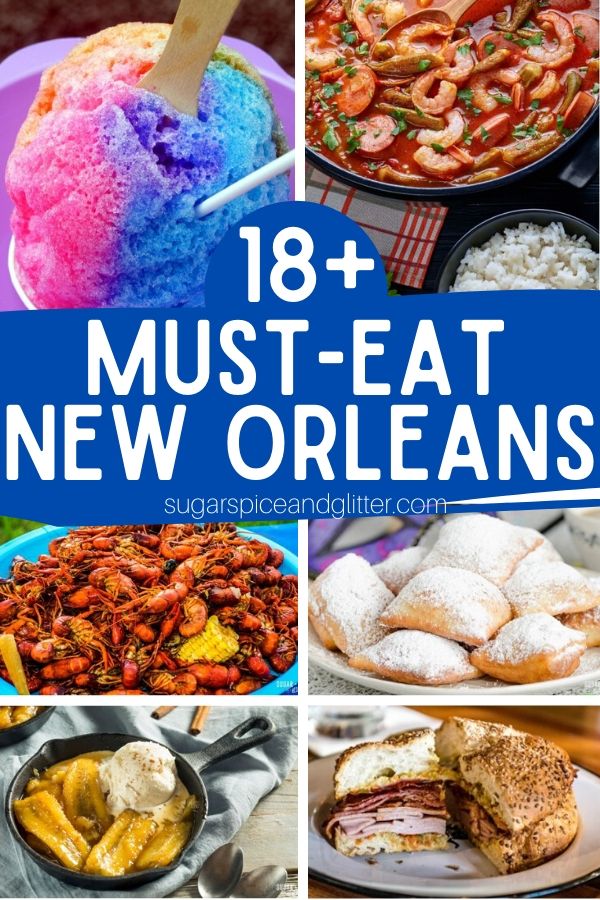
Gumbo: Often considered the unofficial dish of Louisiana, gumbo is a rich, flavorful stew that comes in many variations. The seafood gumbo, brimming with shrimp, crab, and oysters, showcases the bounty of the Gulf Coast. Chicken and andouille sausage gumbo offers a heartier, land-based delight. The roux, a cooked mixture of flour and fat, is the crucial thickening agent and flavor base for gumbo, and its color—from blonde to dark chocolate—dictates the depth of flavor.
-
Jambalaya: A vibrant rice dish, jambalaya is a one-pot wonder that embodies the spirit of communal dining. There are two main styles: Creole jambalaya, which typically includes tomatoes, and Cajun jambalaya, which is tomato-free. Both are packed with meat (chicken, sausage), seafood, vegetables, and a generous amount of spice. It’s a hearty and satisfying meal, perfect for fueling a day of exploring the vibrant streets of the French Quarter.
-
Étouffée: This dish translates to “smothered” in French, and that’s precisely what it is—succulent seafood, most commonly crawfish or shrimp, smothered in a rich, flavorful sauce, typically served over rice. Étouffée is a prime example of how Creole and Cajun cuisines can beautifully intersect, offering a comforting and deeply satisfying experience.
-
Po’boys: A quintessential New Orleans sandwich, the po’boy is a culinary icon. Served on crusty French bread, the fillings are legendary, from fried shrimp and oysters to roast beef with debris (gravy-soaked shredded beef). Dressed with lettuce, tomato, pickles, and mayonnaise, a po’boy is a delicious and substantial meal, perfect for a casual lunch.
-
Beignets: No culinary tour of New Orleans would be complete without indulging in beignets. These light, airy, deep-fried pastries, generously dusted with powdered sugar, are a delightful treat, especially when enjoyed with a café au lait at the iconic Café Du Monde. While Café Du Monde is the most famous, other establishments also offer their versions, each with its subtle charm.
-
Oysters: New Orleans has a deep and abiding love affair with oysters, especially raw oysters served on the half shell. The cool, briny flavor of fresh oysters, often with a squeeze of lemon or a dash of hot sauce, is a true taste of the Gulf. Oysters Rockefeller, baked with a rich spinach and herb sauce, is another classic preparation that originated in the city.
Beyond the Staples: Discovering Deeper Flavors
While the classic dishes are essential, New Orleans’ culinary landscape extends far beyond these well-known favorites. The city’s innovative chefs and passionate home cooks constantly push the boundaries, creating new traditions while honoring the old.
The Art of the Roux
The roux, a fundamental building block in many New Orleans dishes, deserves its own spotlight. It’s a simple mixture of fat (butter or oil) and flour, cooked over heat to varying degrees. The color of the roux dictates the flavor profile: a light roux offers a subtle nutty undertone, while a dark, chocolate-colored roux, requiring patient stirring for an extended period, imparts a deep, complex, almost smoky flavor. Mastering the roux is a rite of passage for any aspiring New Orleans cook, and its presence is felt in everything from gumbos and bisques to gravies and sauces.
Seafood Extravaganza
Given its proximity to the Gulf of Mexico and its extensive bayous, seafood plays a starring role in New Orleans cuisine. Beyond the oysters and shrimp mentioned earlier, expect to find an abundance of fresh catches prepared in diverse and delicious ways.
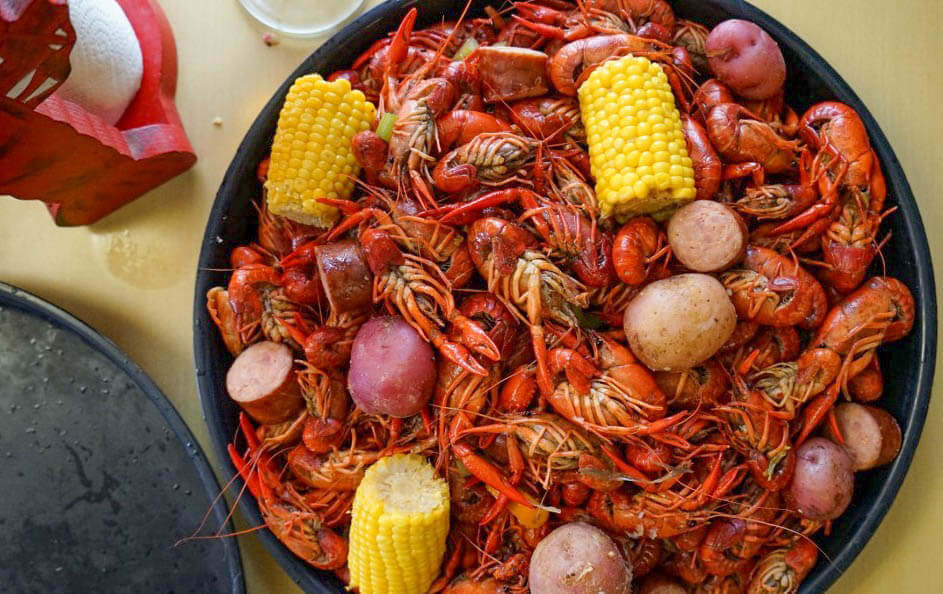
- Crawfish: When in season (typically spring), crawfish boils are a quintessential New Orleans experience. These vibrant gatherings involve boiling crawfish with a medley of spices, corn, potatoes, and sausage, creating a communal feast where everyone gathers around to peel and eat.

-
Redfish: This popular local fish is often served pan-seared, grilled, or baked, frequently with a flavorful sauce like a meunière or a Creole-style topping.
-
Catfish: Fried catfish is a beloved classic, often served in platters with a side of hushpuppies and coleslaw.
Sweet Endings and Culinary Cocktails
No meal in New Orleans is truly complete without a nod to its decadent desserts and legendary cocktails.
-
Bread Pudding: A comforting and indulgent dessert, New Orleans-style bread pudding is often made with challah or French bread, infused with spices like cinnamon and nutmeg, and served with a rich whiskey or rum sauce.
-
Pralines: These sweet, nutty candies, made with pecans, sugar, butter, and cream, are a perfect on-the-go treat and a delightful souvenir.
-
Cocktails: New Orleans is the birthplace of several iconic cocktails, including the Sazerac, the Ramos Gin Fizz, and the Hurricane. These expertly crafted drinks are more than just beverages; they are an integral part of the city’s social fabric and culinary heritage, best enjoyed at historic bars like The Carousel Bar & Lounge or the timeless Pat O’Brien’s.
Navigating the New Orleans Food Scene: Tips for Travelers
To truly savor what New Orleans has to offer, a little planning and an adventurous spirit go a long way. From securing reservations to embracing the local pace, these tips will enhance your culinary journey.
Where to Dine: A Spectrum of Experiences
New Orleans boasts a culinary spectrum ranging from humble neighborhood joints to world-renowned fine dining establishments.
-
Fine Dining: For an elevated experience, consider restaurants like Commander’s Palace, a historic institution in the Garden District known for its impeccable service and classic Creole fare, or Galatoire’s Restaurant, a beloved French Quarter classic with a lively atmosphere. For contemporary Creole cuisine, Brennan’s is a must-visit.
-
Casual Eateries: For a more relaxed yet equally delicious experience, explore the numerous cafes, diners, and casual restaurants. These are often where you’ll find the most authentic po’boys, the heartiest gumbos, and the friendliest service. Don’t shy away from places that might look unassuming; they often hold the greatest culinary treasures.
-
Food Trucks and Markets: The food truck scene in New Orleans is thriving, offering everything from gourmet grilled cheese to innovative fusion dishes. Local markets, like the French Market, also provide a bounty of food stalls and local produce, perfect for sampling a variety of flavors.
Planning Your Culinary Adventures
-
Reservations: For popular restaurants, especially those in the French Quarter or renowned establishments, making reservations well in advance is highly recommended. This is particularly true for weekend evenings.
-
Embrace the Pace: New Orleans operates on its own time. Service can sometimes be leisurely, but it’s part of the charm. Relax, enjoy the atmosphere, and savor each moment.
-
Ask Locals: Don’t hesitate to ask hotel staff, shopkeepers, or even fellow diners for their personal recommendations. Locals are passionate about their city’s food and are usually happy to share their favorite spots.
-
Dietary Needs: While traditional New Orleans cuisine can be rich, many restaurants are accommodating of dietary restrictions. It’s always a good idea to mention any allergies or preferences when making reservations or ordering.
-
**Explore Beyond the **French Quarter: While the French Quarter is undeniably a hub of culinary activity, venturing into neighborhoods like the Garden District, the Marigny, or the Uptown area can lead to discovering hidden gems and experiencing different facets of the city’s food culture.
The Spirit of Culinary Tourism
New Orleans’ food is more than sustenance; it’s a cultural immersion. Every dish tells a story of migration, resilience, celebration, and community. Whether you’re enjoying a steaming bowl of gumbo on a rainy afternoon, indulging in a sweet beignet as the sun rises, or savoring a perfectly crafted cocktail as the city lights twinkle, the flavors of New Orleans are bound to leave an indelible mark on your memory. So, when you ask, “What to eat in New Orleans?”, the answer is simple: everything. Dive in, explore, and let the city’s incredible cuisine enchant you.
LifeOutOfTheBox is a participant in the Amazon Services LLC Associates Program, an affiliate advertising program designed to provide a means for sites to earn advertising fees by advertising and linking to Amazon.com. Amazon, the Amazon logo, AmazonSupply, and the AmazonSupply logo are trademarks of Amazon.com, Inc. or its affiliates. As an Amazon Associate we earn affiliate commissions from qualifying purchases.