
Embarking on an Alaska cruise in July promises an unforgettable journey through a realm of majestic glaciers, abundant wildlife, and stunning coastal landscapes. While July offers some of the mildest weather in the Last Frontier, it’s crucial to understand that “mild” in Alaska is relative, and conditions can shift rapidly. Preparing thoughtfully is the key to ensuring comfort, warmth, and readiness for every adventure, from spotting whales in the Inside Passage to exploring charming port towns like Juneau and Skagway. This comprehensive guide will equip you with the essential packing strategies to navigate Alaska’s unique July climate and make the most of your extraordinary cruise experience.
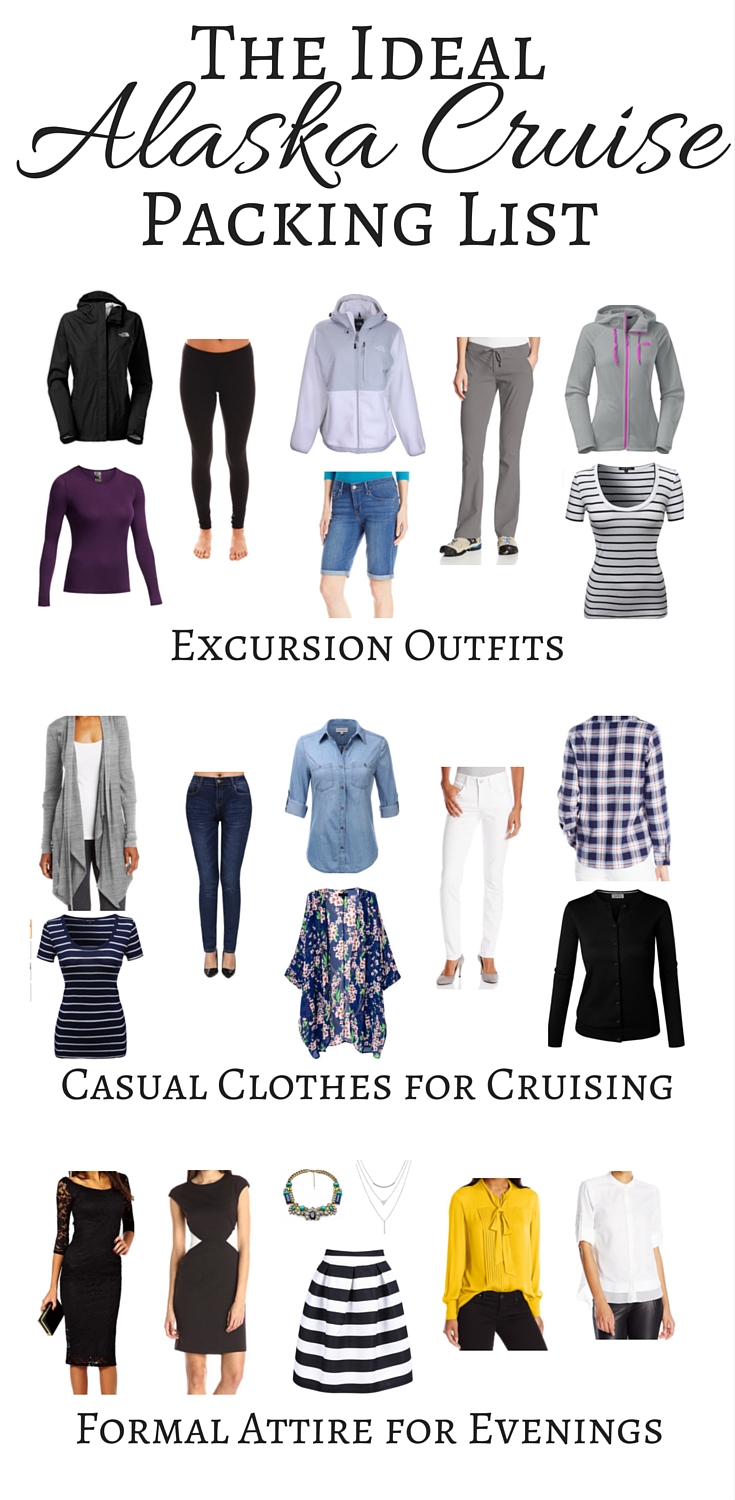
Navigating Alaska’s July Climate: Expect the Unexpected
July in Alaska is often lauded as the peak of summer, characterized by longer daylight hours and generally warmer temperatures compared to other months. However, the region’s diverse geography, encompassing towering mountains, vast fjords, and a rugged coastline, means weather can be incredibly unpredictable. Understanding these nuances is the first step in packing smart.
The Dynamics of Day vs. Night Temperatures
During July, average daytime temperatures in coastal Alaska can range from the mid-50s to mid-60s Fahrenheit (12-18°C). On exceptionally sunny days, it might even climb into the low 70s (21°C). However, as soon as the sun dips behind a cloud or evening approaches, temperatures can quickly drop into the 40s (4-9°C). This significant diurnal temperature swing necessitates a versatile wardrobe. Even more dramatically, temperatures near glaciers or at higher elevations during shore excursions can be considerably colder, often feeling brisk even in the middle of the day.
Precipitation and Humidity: Always Be Prepared
While July statistically sees less rainfall than September, rain is always a possibility in Southeast Alaska. Coastal towns like Ketchikan, often called the “Rain Capital of Alaska,” receive significant precipitation throughout the year. You should anticipate misty mornings, intermittent showers, and potentially prolonged rainy spells. High humidity can also make cooler temperatures feel even colder, especially when combined with wind. Therefore, waterproof outer layers are non-negotiable, not just for rain, but also for protection against sea spray and mist when sailing through fjords like Tracy Arm Fjord or near active glaciers in Glacier Bay National Park.
The Layering Mantra: Your Ultimate Packing Strategy
Given Alaska’s capricious weather, the single most important packing principle is layering. This allows you to easily add or shed clothing as conditions change, ensuring optimal comfort whether you’re indoors, on deck, or exploring ashore. A well-constructed layering system consists of three key components: a base layer for moisture-wicking, a mid-layer for insulation, and an outer layer for weather protection. This system is infinitely adaptable, making it superior to packing bulky, single-purpose items.
Essential Apparel: Mastering the Art of Layering
The layering system is your best friend on an Alaska cruise. Each layer serves a specific purpose, working together to keep you comfortable in fluctuating conditions.
Base Layers: The Foundation of Comfort
Your base layer sits directly against your skin and is crucial for managing moisture. Opt for materials that wick sweat away from your body to keep you dry and warm, even if you exert yourself during an excursion.
- Moisture-wicking tops and bottoms: Pack a few long-sleeved and short-sleeved shirts made from synthetic fabrics (polyester, nylon) or merino wool. Avoid cotton for base layers, as it absorbs moisture and dries slowly, making you feel cold when wet. Lightweight thermal underwear can also serve as an excellent base layer for colder days or under your regular clothing for added warmth.
- Underwear and socks: Bring enough pairs of moisture-wicking underwear. For socks, prioritize wool or synthetic blends. Pack a mix of thinner liner socks, medium-weight hiking socks, and a couple of heavier pairs for colder days or glacier viewing.
Mid-Layers: Your Insulating Core
The mid-layer provides insulation, trapping warm air close to your body. Its thickness should be chosen based on the level of warmth needed.
- Fleece jackets or sweaters: A mid-weight fleece jacket is an ideal choice – it’s warm, lightweight, and dries relatively quickly. Pack one or two, perhaps in varying thicknesses. Wool sweaters are also excellent insulators.
- Lightweight down or synthetic puffy jacket: A packable, insulated jacket is a versatile mid-layer that can also serve as an outer layer on dry, cool days. Synthetic insulation performs better than down if it gets wet, a common consideration in Alaska.
Outer Layers: Your Shield Against the Elements
This is your protection from wind, rain, and sea spray. It’s arguably the most critical component of your Alaska packing list.
- Waterproof and windproof rain jacket: Invest in a high-quality, breathable rain jacket (e.g., Gore-Tex or similar technology). It should be roomy enough to wear over your base and mid-layers.
- Waterproof rain pants: Often overlooked, rain pants are essential for wet shore excursions, Zodiac tours, or even just sitting on deck during a misty day. They will keep your lower half dry and significantly enhance your comfort.
- Warm winter coat (optional but recommended for comfort): While a robust layering system with a good mid-layer and rain shell can often suffice, some cruisers prefer to bring a warmer, insulated, waterproof coat, especially if they are particularly sensitive to cold or plan extended periods on deck.
Everyday and Evening Wear: Balancing Practicality with Style
Beyond the core layers, you’ll need practical clothes for daily wear and appropriate attire for dining and onboard activities.
- Comfortable pants: Jeans are acceptable for casual wear, but consider quick-drying hiking pants or travel trousers for excursions. Pack 2-3 pairs.
- Casual tops: A mix of short- and long-sleeved t-shirts and casual blouses are good for warmer indoor ship environments or mild shore days.
- Dinner attire: Most cruise lines have a relaxed “smart casual” dress code for evening dining, which means slacks, collared shirts, and sweaters for men, and slacks, skirts, blouses, or dresses for women. Some cruises may have optional “formal nights,” for which you might want a suit jacket or cocktail dress, but this is less common on Alaska itineraries unless specifically advertised. Check your cruise line’s specific dress code.
- Sleepwear: Comfortable pajamas or loungewear.
- Swimsuit: Don’t forget this for the ship’s hot tubs, heated pools, or spa facilities.
Footwear: Prepared for Every Terrain
Your feet will thank you for choosing the right footwear. You’ll be doing a fair amount of walking, both on the ship and during shore excursions.
Waterproof Walking Shoes or Hiking Boots
This is your primary footwear for shore excursions. Choose a comfortable, broken-in pair that is waterproof and offers good ankle support and traction. This is crucial for navigating damp trails, uneven terrain, and slippery docks in towns like Sitka or during wilderness tours.
Comfortable Deck Shoes or Sneakers
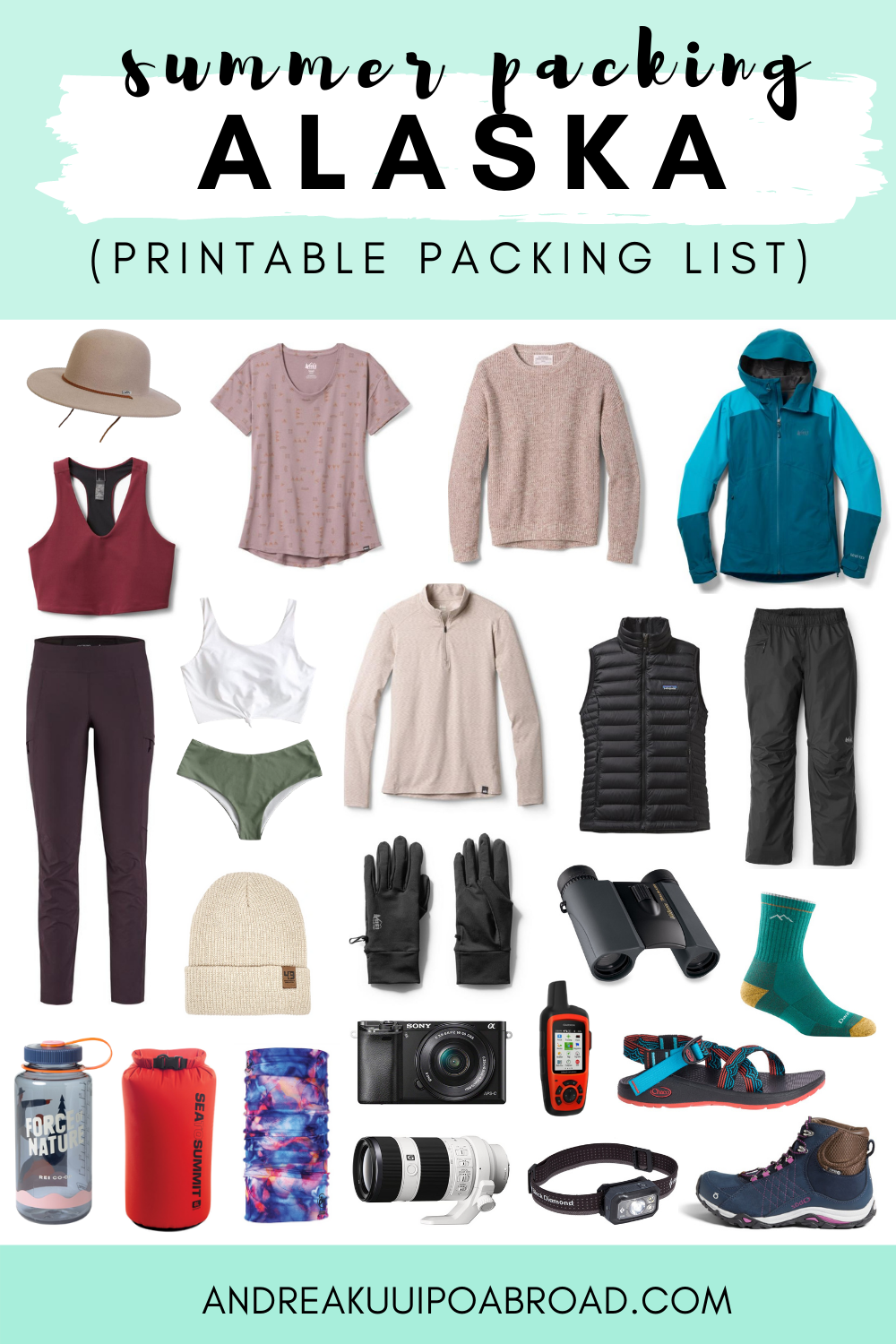
For days spent primarily on the ship, or for casual strolls in port on dry days, comfortable walking shoes or sneakers are ideal. They should have non-slip soles for safety on wet decks.
Dress Shoes
If you plan on participating in formal nights or prefer to dress up for dinner, pack a pair of appropriate dress shoes.
Flip-flops or Sandals
These can be useful for pool areas or as comfortable slippers in your cabin, but they are not suitable for outdoor excursions in Alaska.
Essential Accessories and Personal Items
These smaller items can significantly enhance your comfort, convenience, and enjoyment of the cruise.
Headwear and Handwear
- Warm hat: A fleece or wool beanie is essential to protect against cold winds, especially when out on deck or near glaciers.
- Gloves or mittens: Lightweight, waterproof gloves are perfect for keeping hands warm and dry during chilly excursions or when wildlife watching.
- Baseball cap or wide-brimmed hat: Provides sun protection on rare sunny days and helps keep rain out of your eyes.
Sun Protection
Yes, even in Alaska, sun protection is necessary. The sun’s rays can be intense, especially with reflections off water and ice, and daylight hours are long.
- Sunglasses: Protect your eyes from glare and UV rays.
- Broad-spectrum sunscreen: Apply generously, especially on your face and any exposed skin.
- Lip balm with SPF: Prevents chapped lips from wind and sun.
Practical Gear
- Small daypack or backpack: Indispensable for shore excursions to carry water, snacks, extra layers, camera gear, and souvenirs. Look for one that is water-resistant.
- Binoculars: An absolute must for wildlife viewing – spotting whales, eagles, bears, and other magnificent creatures from the ship or during excursions.
- Camera and extra batteries/memory cards: Alaska is incredibly photogenic; you’ll want to capture every moment. Consider a waterproof camera or a protective case for your phone.
- Travel adapter/power bank: Outlets can be limited in cabins. A small power strip or a portable power bank can be very useful for charging multiple devices.
- Reusable water bottle: Stay hydrated and reduce plastic waste.
- Ziploc bags: Excellent for protecting electronics from moisture, organizing small items, or stowing wet swimwear.
Health and Wellness
- Personal medications: Bring an ample supply of any prescription medications in their original containers.
- Basic first-aid kit: Include pain relievers, band-aids, antiseptic wipes, and any personal necessities.
- Seasickness remedies: If you’re prone to motion sickness, pack over-the-counter medications like Dramamine or Bonine, or consider acupressure wristbands. While the Inside Passage is generally calm, open sea portions of your journey (e.g., departing from Seattle or Vancouver) can be rougher.
- Insect repellent: While mosquitoes are not usually a major issue on the cruise ship itself, they can be present on some shore excursions, especially inland.
Smart Packing Strategies and Final Tips
Effective packing goes beyond just choosing what to bring; it’s also about how you pack it.
Luggage Strategy
Consider soft-sided luggage if you have limited cabin space, as it can be easier to store once unpacked. Packing cubes are a game-changer for organizing your layers and keeping your suitcase tidy. Roll your clothes to save space and minimize wrinkles.
Don’t Overpack
While it’s tempting to bring “just in case” items, cabin space is at a premium. Focus on versatile items that can be mixed and matched. Many cruise ships offer laundry services, or even self-service laundromats, allowing you to re-wear items.
Carry-On Essentials
Always pack a change of clothes, any essential medications, travel documents, valuables, and your camera in your carry-on bag. This ensures you have crucial items readily available in case your checked luggage is delayed.
Pre-Cruise Shopping
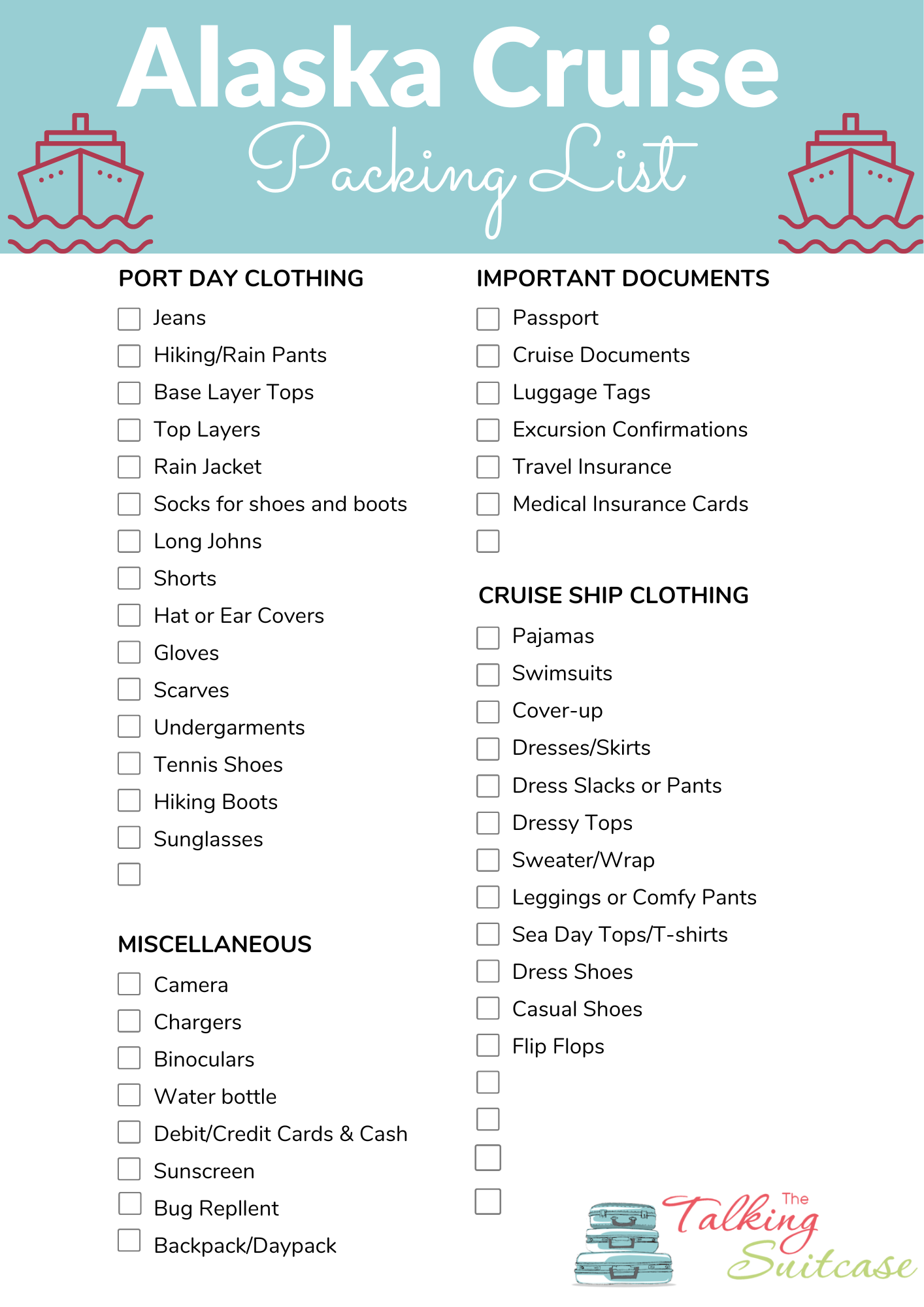
It’s often best to acquire specialized items like waterproof gear, binoculars, and quality base layers before you depart. While some items might be available in port towns, selection can be limited and prices higher.
By approaching your packing with thoughtfulness and embracing the layering system, you’ll be perfectly prepared for the magnificent, ever-changing beauty of an Alaska cruise in July. From the glaciers of Glacier Bay National Park to the bustling streets of Juneau, you’ll be ready for every awe-inspiring moment, rain or shine. Enjoy your adventure to the Last Frontier!
LifeOutOfTheBox is a participant in the Amazon Services LLC Associates Program, an affiliate advertising program designed to provide a means for sites to earn advertising fees by advertising and linking to Amazon.com. Amazon, the Amazon logo, AmazonSupply, and the AmazonSupply logo are trademarks of Amazon.com, Inc. or its affiliates. As an Amazon Associate we earn affiliate commissions from qualifying purchases.