
Preparing for a journey to Hawaii is an exercise in balancing relaxation with adventure. As an archipelago situated in the heart of the Pacific Ocean, these islands offer a diverse range of environments, from the sun-drenched sands of Waikiki Beach to the sub-arctic temperatures atop Mauna Kea. Whether you are heading to the United States for the first time or are a seasoned traveler returning to the “Aloha State,” knowing exactly what to pack is the first step toward a seamless tropical getaway.
The philosophy of packing for Hawaii should always be “less is more,” provided that the “less” you bring is highly functional. This guide explores the essential apparel, gear, and logistical items needed to navigate the unique landscapes of the islands while maintaining the effortless style synonymous with island life.

Essential Apparel for the Islands: Climate and Activities
When packing for Hawaii, the primary consideration is the tropical climate. However, many travelers are surprised to find that the humidity and trade winds require a specific approach to fabrics and layering.
Beachwear and Water Activities
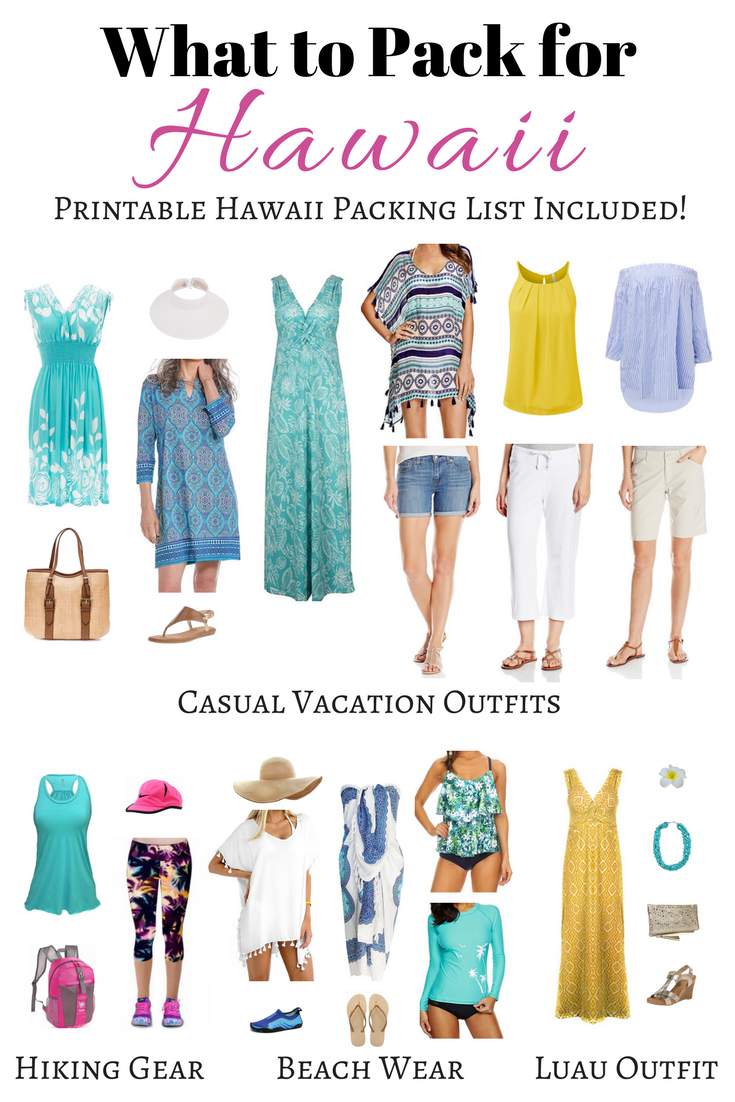
Since the majority of your time will likely be spent near the water, high-quality swimwear is the foundation of your suitcase. It is recommended to pack at least three swimsuits: one to wear, one to dry, and a spare. For those planning to snorkel near Hanauma Bay Nature Preserve or take surf lessons at Lahaina, a long-sleeved rash guard is indispensable. This not only protects against board chafing but also provides a necessary barrier against the intense UV rays of the tropical sun.
Casual Island Attire and “Aloha Wear”
In Hawaii, the dress code is almost universally “resort casual.” For men, this means linen shirts or the classic “Aloha shirt,” paired with lightweight shorts or chinos. For women, breathable sundresses, maxi dresses, and sarongs are ideal. If you have dinner reservations at a high-end establishment like the Grand Wailea or are attending a traditional luau on Maui, a slightly more elevated version of this attire is appropriate. Avoid heavy denim or synthetic fabrics that do not breathe well in high humidity.
Hiking and Adventure Gear
The islands offer some of the most spectacular trekking opportunities in the world. If your itinerary includes hiking the rugged trails of Napali Coast State Wilderness Park or climbing the volcanic slopes of Diamond Head State Monument, you will need moisture-wicking athletic wear. Standard cotton t-shirts will become heavy and uncomfortable when wet. Additionally, a lightweight, packable rain jacket is a must, especially if you are exploring the “Garden Isle” of Kauai, which is home to some of the wettest spots on Earth.
Gear for Exploring Hawaii’s Diverse Landscapes
Beyond clothing, the success of your Hawaii vacation depends on the utility items you bring to handle the varied terrain and environmental regulations of the United States.
Navigating the Volcanic Terrain
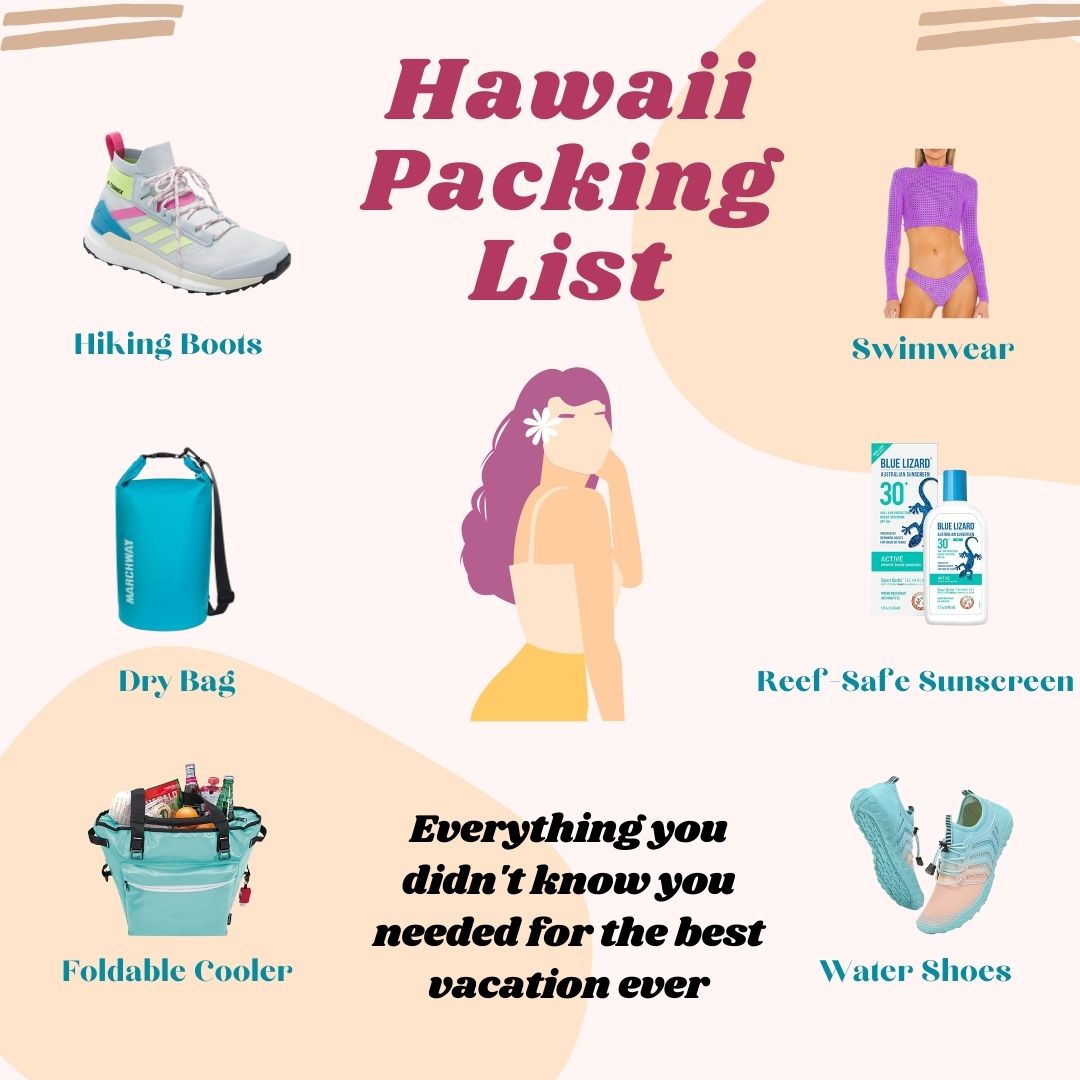
Footwear is perhaps the most critical gear choice. While “slippers” (flip-flops) are the local standard for daily life in Honolulu, they are insufficient for the sharp, jagged basalt rock found on the Big Island. If you plan to visit Hawaii Volcanoes National Park, bring sturdy hiking boots or trail runners with excellent grip. For coastal explorations, a pair of high-quality water shoes will protect your feet from hidden coral and lava rock while swimming or wading.
Snorkeling and Underwater Exploration
While many resorts, such as the Turtle Bay Resort on Oahu, offer rental equipment, bringing your own mask and snorkel ensures a better fit and better hygiene. Furthermore, it is vital to pack “reef-safe” sunscreen. Hawaii has strict laws banning sunscreens containing oxybenzone and octinoxate, which can damage the delicate coral reef ecosystems. Look for mineral-based sunscreens containing zinc oxide or titanium dioxide to remain compliant with local environmental standards.
Protection from the Tropical Sun
The sun in the mid-Pacific is significantly stronger than in many parts of the mainland United States. A wide-brimmed hat with a chin strap—to prevent it from blowing away in the trade winds—is essential. Polarized sunglasses are also a must-have, not just for style, but to reduce the glare from the ocean surface, allowing you to see deeper into the water when spotting sea turtles or tropical fish.
Island-Specific Packing Considerations
Each island in the Hawaii chain has its own “personality” and microclimates, requiring slight adjustments to your packing list.
Oahu: Urban Meets Tropical
If you are spending time in Honolulu, you will need clothes that transition easily from the beach to the city. Oahu is also home to historical sites like Pearl Harbor. When visiting the USS Arizona Memorial, note that there are strict “no bag” policies for security reasons; packing a small, clear pouch for your essentials can be helpful for the transit.
Maui and the Big Island: High Altitude Extremes
Many visitors to Maui make the drive to the summit of Haleakala National Park to watch the sunrise. At 10,000 feet above sea level, temperatures can drop to near freezing. For this experience, you must pack a heavy sweatshirt, long pants, and even gloves—items you would never expect to need in the tropics. Similarly, if you are visiting the Big Island and plan to stargaze at the visitor center of Mauna Kea, thermal layers are non-negotiable.
Kauai: The Garden Isle’s Terrain
Kauai is the most rugged of the major islands. If you are venturing onto the Kalalau Trail, your gear needs to be top-tier. Waterproof dry bags are essential for protecting your camera and electronics during sudden downpours or boat tours along the Napali Coast State Wilderness Park.
Luggage and Organization for Multi-Island Travel
For those planning to “island hop” between Maui, Kauai, and Lanai, luggage logistics become a major factor.
The Carry-On vs. Checked Bag Debate
Inter-island flights often utilize smaller aircraft with stricter weight limits. If possible, stick to a high-quality carry-on and a backpack. This speeds up the process at airports like Kahului Airport and reduces the risk of lost luggage during short transfers. Packing cubes are a traveler’s best friend in Hawaii, allowing you to separate clean “Aloha wear” from damp, salty beach gear.
Essential Travel Documents and Tech
While Hawaii is part of the United States, you should still treat it with the logistical respect of an international destination. Keep digital and physical copies of your rental car confirmations, as vehicles can be scarce on islands like Molokai. For tech, a portable power bank is essential for long days of navigating via GPS, and a waterproof phone case is a wise investment for boat tours and beach days.
In conclusion, packing for a Hawaii vacation is about preparing for a multi-faceted experience. By focusing on breathable fabrics, specialized adventure gear, and environmental responsibility, you ensure that your focus remains on the breathtaking beauty of the islands rather than the contents of your suitcase. Whether you are watching the waves at Waikiki Beach or exploring the volcanic wonders of the Big Island, having the right items on hand will make your journey through this Pacific Ocean paradise truly unforgettable.
LifeOutOfTheBox is a participant in the Amazon Services LLC Associates Program, an affiliate advertising program designed to provide a means for sites to earn advertising fees by advertising and linking to Amazon.com. Amazon, the Amazon logo, AmazonSupply, and the AmazonSupply logo are trademarks of Amazon.com, Inc. or its affiliates. As an Amazon Associate we earn affiliate commissions from qualifying purchases.