
Dreaming of golden sands, crystal-clear waters, and the gentle sway of palm trees? A trip to Hawaii promises an unforgettable escape, a mosaic of vibrant cultures, breathtaking landscapes, and endless adventure. But before you can immerse yourself in the Aloha spirit, there’s one crucial step: packing. While the image of a laid-back, sun-drenched paradise might suggest minimal luggage, a well-thought-out packing strategy is key to maximizing your experience. From exploring the volcanic wonders of the Big Island to surfing the legendary waves of Oahu, hiking the lush trails of Kauai, or relaxing on Maui’s pristine beaches, each island and activity calls for specific gear. This comprehensive guide will help you curate the perfect suitcase, ensuring you’re prepared for every facet of your Hawaiian adventure, whether you’re embarking on a luxurious resort stay, a family expedition, or a budget-friendly exploration of the islands. We’ll delve into the essentials, activity-specific items, and smart packing tips to ensure your journey to the heart of the Pacific is as seamless and enjoyable as possible.
Understanding the Hawaiian Climate and Vibe
To pack effectively for Hawaii, it’s crucial to understand its unique environment and cultural ethos. The islands offer a diverse range of microclimates, from arid coastlines to misty rainforests and even snow-capped peaks on Mauna Kea. Embracing the local culture, which prioritizes comfort, respect for nature, and a relaxed attitude, will also guide your clothing choices.
The Tropical Paradise: Weather & Environment
Hawaii boasts a year-round tropical climate, characterized by warm temperatures and consistent trade winds. Average daytime temperatures hover between 75°F and 85°F (24-29°C), with evenings only slightly cooler. However, this general description masks significant variations. Coastal areas, particularly on the leeward (west and south) sides of the islands, are typically sunnier and drier, while windward (east and north) sides experience more rainfall, leading to lush landscapes and spectacular waterfalls.
Altitude also plays a major role. For instance, visiting the summit of Haleakala National Park on Maui for a sunrise can mean temperatures dropping into the 30s or 40s°F (0-10°C), requiring layers akin to what you’d pack for a chilly autumn day. Similarly, exploring Volcanoes National Park on the Big Island can involve cooler, often rainy conditions. This means your packing list needs to be versatile, ready for both scorching sun and unexpected showers, and comfortable across varying temperatures and humidity levels. Opt for lightweight, breathable fabrics that dry quickly. Even if your accommodation is a luxurious beachfront resort, unexpected weather can occur, so being prepared is always best.
Embracing Aloha: Culture & Activities
The Hawaiian culture is deeply rooted in respect for the land, community, and the spirit of Aloha. This translates into a generally casual dress code. While you’ll see people in everything from swimsuits and board shorts to sundresses, formal attire is rarely necessary, even for upscale dining. Think “resort casual” or “smart casual” for evenings out. Embrace vibrant colors and tropical patterns that reflect the islands’ natural beauty.
Your itinerary will heavily influence your packing. Are you planning to spend most of your time on the beach in Waikiki, explore the historic sites of Pearl Harbor in Honolulu, embark on challenging hiking trails in Waimea Canyon, or dive into the underwater world off the coast of Kona? Each activity requires specific gear. Understanding these nuances upfront will prevent overpacking while ensuring you have everything you need for the myriad experiences Hawaii has to offer.
Essential Packing Categories for Every Traveler
Regardless of your itinerary or travel style, there’s a core set of items every visitor to Hawaii should consider packing. These essentials form the foundation of a comfortable and prepared trip.
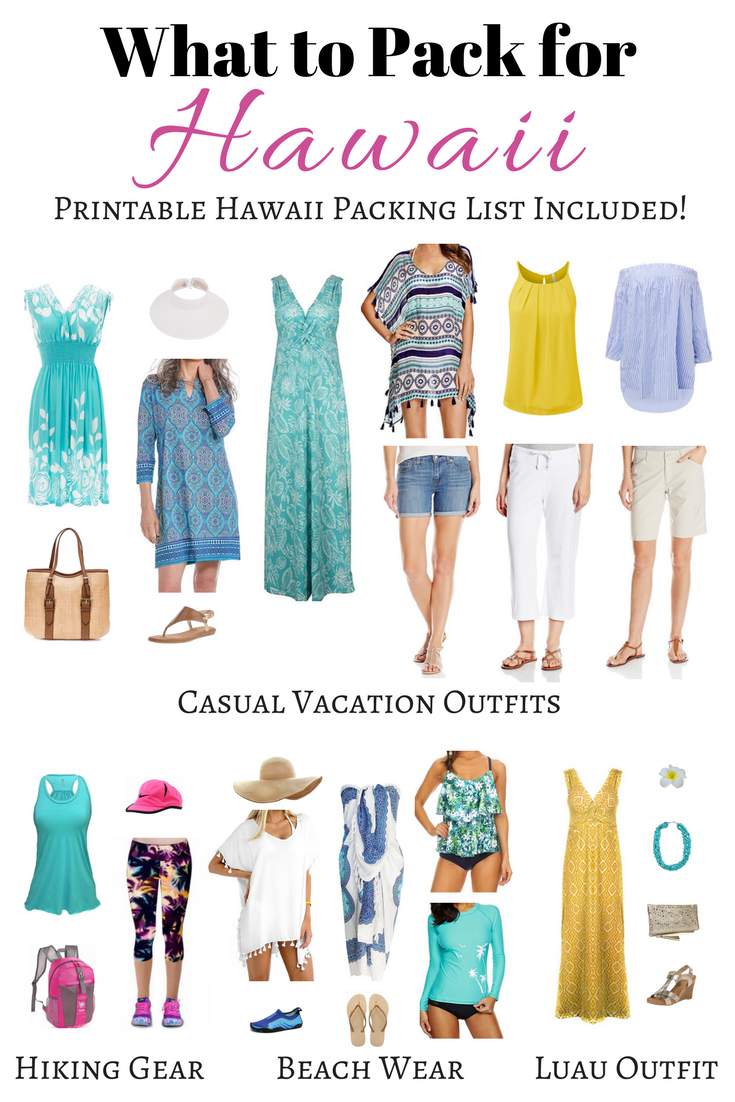
Clothing for Comfort and Style
- Swimsuits (2-3): You’ll likely be living in your swimwear. Having multiple allows one to dry while you wear another.
- T-shirts & Tank Tops (4-6): Lightweight, breathable fabrics like cotton, linen, or moisture-wicking synthetics are ideal.
- Shorts & Skirts (2-3 pairs): Again, lightweight and comfortable for daytime exploration.
- Sundresses & Cover-ups (2-3): Perfect for transitioning from the beach to a casual lunch, or for relaxed evenings.
- Lightweight Pants/Capris (1-2 pairs): Good for evenings, cooler mountain excursions, or protection from mosquitoes. Linen pants are a great option.
- Long-sleeved Shirt/Light Jacket (1): Essential for cooler evenings, air-conditioned interiors, or early morning activities like sunrise at Haleakala. A light rain jacket is also highly recommended.
- Activewear (1-2 sets): If you plan on hiking, yoga, or other fitness activities, pack appropriate gear.
- Evening Outfit (1): For nicer dining experiences, a collared shirt for men and a dress or nice separates for women. Remember, “resort casual” is usually sufficient.
Footwear for Every Adventure
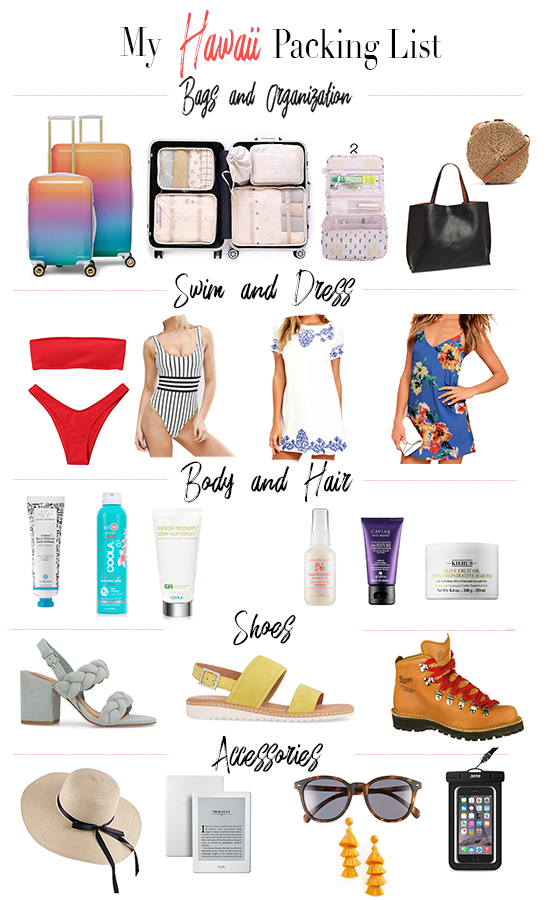
- Flip-flops/Sandals: Your primary footwear for casual walks, beach days, and around your hotel.
- Water Shoes: Invaluable for rocky beaches, tide pools, or waterfall hikes, protecting your feet from sharp coral or slippery rocks.
- Comfortable Walking Shoes/Sneakers: Essential for exploring towns, sightseeing, and light hiking (e.g., Diamond Head).
- Hiking Boots (optional, but recommended for serious hikers): If you plan on tackling more strenuous trails like those in Kauai’s Na Pali Coast or Volcanoes National Park, sturdy, waterproof hiking boots are a must.
Sun Protection & Personal Care
The Hawaiian sun is intense, even on cloudy days. Protecting your skin and eyes is paramount.
- Reef-Safe Sunscreen: This is non-negotiable. Hawaii has banned sunscreens containing oxybenzone and octinoxate to protect its fragile coral reefs. Look for mineral-based sunscreens with zinc oxide or titanium dioxide.
- Wide-brimmed Hat: Offers excellent protection for your face and neck.
- Sunglasses: UV-protected sunglasses are essential.
- Lip Balm with SPF: Don’t forget to protect your lips.
- Aloe Vera/After-sun Lotion: For soothing any accidental sunburns.
- Insect Repellent: Especially important if you plan on jungle hikes or being out at dusk.
- Basic Toiletries: While most hotels provide amenities, bring your preferred brands, especially travel-sized versions for convenience.
- Basic First-Aid Kit: Band-Aids, antiseptic wipes, pain relievers, and any personal medications.
Tech and Entertainment Essentials
- Smartphone & Charger: For communication, navigation, photos, and staying connected.
- Portable Power Bank: Crucial for long days out exploring when outlets aren’t available.
- Camera & Extra Batteries/Memory Cards: Hawaii’s landscapes are incredibly photogenic.
- Waterproof Phone Pouch/GoPro: For capturing underwater adventures or protecting your phone at the beach.
- Headphones: For flights, relaxing by the pool, or listening to audio guides.
- E-reader/Book: For downtime on flights or by the ocean.
- Travel Adapter (if traveling internationally to the United States): Although Hawaii is part of the United States, this is a general tip for international visitors.
Important Documents and Financials
- ID/Passport: Essential for travel and identification.
- Flight & Accommodation Confirmations: Keep digital and physical copies.
- Rental Car Reservation: If applicable.
- Credit/Debit Cards & Some Cash: While cards are widely accepted, cash is useful for small vendors or tips. Inform your bank of your travel dates to avoid any issues.
- Travel Insurance Information: Highly recommended for any unforeseen circumstances.
Tailoring Your Packing to Hawaiian Experiences
Hawaii is a playground of diverse activities. Packing smart means considering your specific interests and the types of adventures you plan to undertake.
Beach & Water Activities
For many, Hawaii is synonymous with its stunning beaches and incredible marine life.
- Snorkel Gear: While you can rent gear, bringing your own mask and snorkel ensures a comfortable fit and hygiene. Fins are optional but helpful.
- Rash Guard: Provides excellent sun protection while in the water and prevents chafing during activities like surfing or paddleboarding.
- Quick-dry Towel: Lighter and more compact than a standard towel, making it ideal for beach outings.
- Waterproof Dry Bag: Keeps your valuables (phone, wallet, keys) safe and dry during boat trips, kayaking, or while at the beach.
- Reusable Water Bottle: Stay hydrated, especially under the tropical sun.
- Small Beach Bag/Tote: For carrying your beach essentials.
Hiking & Outdoor Exploration
From coastal paths to volcanic landscapes and lush rainforests, Hawaii’s hiking opportunities are unparalleled.
- Daypack: A comfortable daypack is essential for carrying water, snacks, layers, and your camera.
- Lightweight Rain Jacket: Even on sunny days, tropical showers can materialize quickly, especially in higher elevations or on the windward sides.
- Moisture-wicking Clothing: Avoid cotton, which stays wet and can cause chafing.
- Insect Repellent: Crucial for jungle trails.
- Headlamp/Flashlight: If you plan on early morning hikes or exploring lava tubes.
Dining Out & Evening Events
While Hawaii is casual, there are opportunities for slightly dressier evenings, especially if you’re staying at a high-end resort or planning a special dinner.
- “Resort Casual” Attire: For men, collared shirts (polo or Hawaiian print) and dress shorts or linen pants. For women, sundresses, skirts, or dressy shorts with a nice top.
- Comfortable Dressy Sandals/Wedges: For women, to pair with evening outfits. Men can stick to nice sandals or loafers.
- Light Sweater/Shawl: For cooler evenings or air-conditioned restaurants.
Cultural Immersion & Sightseeing
Exploring historical sites, art galleries, and cultural centers, or attending a Luau, offers a deeper understanding of Hawaii’s rich heritage.
- Modest Attire: While not strictly required everywhere, it’s respectful to wear something slightly more modest (e.g., shoulders covered, longer shorts/skirt) when visiting sacred sites, churches, or certain cultural centers.
- Comfortable Walking Shoes: For extended periods of sightseeing in places like Honolulu’s downtown or Lahaina on Maui.
- Camera: To capture the beauty of landmarks like Iolani Palace or the vibrant performances at a Luau.
Special Considerations for Different Travel Styles
Your travel companions and budget will also influence what you pack. Hawaii caters to a wide range of visitors, from families with young children to honeymooners seeking luxury.
Family Travel with Little Ones
Traveling with children adds another layer to packing. Organization and foresight are key.
- Kids’ Swimsuits (multiple): They’ll be in the water constantly.
- Sun Protection for Kids: Rash guards, hats, and plenty of reef-safe kids’ sunscreen.
- Puddle Jumpers/Life Vests: If not provided by your accommodation or tour operator.
- Snacks & Drink Boxes: While readily available, having familiar snacks on hand is always a good idea.
- Baby Gear: Consider renting larger items like strollers or car seats from local services rather than bringing them, especially if your hotel (Marriott, Hilton, etc.) doesn’t offer them.
- Kids’ Medications & First-Aid: Including fever reducers, band-aids, etc.
- Entertainment: Small toys, books, or tablets for downtime and travel.
Luxury and Resort Stays
If you’re indulging in a luxurious stay at a Four Seasons in Kona or a Ritz-Carlton in Kapalua, your packing might lean towards more refined options.
- Elevated Casual Wear: Think designer sundresses, tailored shorts, polo shirts, or linen shirts for men.
- Dressier Evening Attire: While still “resort casual,” you might want slightly more elegant options for fine dining or special events.
- Spa Wear: A comfortable robe or loungewear if you plan on utilizing resort spa amenities.
- Workout Gear: Many luxury resorts offer state-of-the-art fitness centers.
- Minimal Toiletries: Often, high-end resorts provide premium toiletries, reducing your need to pack many.
Budget-Conscious Exploration
For those looking to explore Hawaii on a budget, smart packing can save money and hassle.
- Reusable Shopping Bag: For grocery runs or souvenirs, avoiding plastic bag fees.
- Travel-sized Toiletries: Save on luggage space and avoid purchasing full-sized items.
- Water Bottle with Filter: If you’re cautious about tap water in certain areas, though tap water in Hawaii is generally safe.
- Picnic Supplies: Bringing a small cooler bag for beach lunches or snacks can save a significant amount compared to eating out for every meal.
- Cookware (if staying in an apartment/villa with kitchen): Basic items if you plan to cook frequently, though often provided.
Sustainable Packing for a Greener Trip
Hawaii is particularly sensitive to environmental impact. Practicing sustainable tourism starts with your packing choices.
- Reef-Safe Products: Not just sunscreen, but also consider biodegradable shampoos and conditioners.
- Reusable Water Bottle: To minimize single-use plastic waste.
- Reusable Coffee Cup: If you enjoy coffee on the go.
- Reusable Shopping Bags: For groceries or souvenirs.
- Minimizing Single-Use Plastics: Opt for solid toiletries (shampoo bars, soap bars) to reduce plastic packaging.
- Pack Light: Reduces fuel consumption for aircraft.
Smart Packing Strategies & Last-Minute Checks
Even with a detailed list, how you pack can make a huge difference in your travel experience.
Optimize Your Luggage
- Choose the Right Luggage: A lightweight, durable suitcase is ideal. Consider a duffel bag if you’re mostly moving between a few accommodations or a backpack if you plan on significant island hopping.
- Packing Cubes: These are game-changers for organization. They compress clothing, keep items sorted, and make it easy to find what you need without rummaging.
- Roll, Don’t Fold: Rolling your clothes can save space and reduce wrinkles.
- Wear Bulky Items: Wear your heaviest footwear (e.g., hiking boots) and your heaviest jacket on the plane to free up luggage space.
- Maximize Personal Item: Utilize your personal item (backpack, large purse) for extra storage, not just plane essentials.
The Indispensable Carry-On
Your carry-on should contain everything you absolutely cannot do without or would need in an emergency.
- Change of Clothes: At least one full outfit, including a swimsuit, in case your checked luggage is delayed.
- All Medications: Prescription and essential over-the-counter medications.
- Important Documents: Passport, ID, wallet, tickets, accommodation confirmations.
- Valuables: Jewelry, electronics, camera.
- Toiletries: Travel-sized versions for immediate use.
- Entertainment: Book, e-reader, headphones.
Before You Go: A Quick Checklist
- Check the Weather Forecast: While generally consistent, a last-minute check for your specific travel dates and islands can help fine-tune your packing.
- Review Your Itinerary: Does your packing still align with all your planned activities and destinations?
- Notify Your Bank: Let them know your travel dates to avoid issues with credit/debit card use.
- Charge All Devices: Essential for your journey and immediate use upon arrival.
- Double-check Linkings and Reservations: Flights, hotels, rental cars, tours.
- Leave Room for Souvenirs: You’ll want to bring home a piece of Hawaii!
Packing for Hawaii is less about bringing everything you own and more about thoughtful selection. By focusing on versatility, comfort, sun protection, and aligning your items with your planned adventures, you’ll ensure a stress-free and truly magical experience in this Pacific paradise. From the vibrant streets of Honolulu to the serene landscapes of Princeville, your well-packed bag will be your best companion on your unforgettable Hawaiian journey.
LifeOutOfTheBox is a participant in the Amazon Services LLC Associates Program, an affiliate advertising program designed to provide a means for sites to earn advertising fees by advertising and linking to Amazon.com. Amazon, the Amazon logo, AmazonSupply, and the AmazonSupply logo are trademarks of Amazon.com, Inc. or its affiliates. As an Amazon Associate we earn affiliate commissions from qualifying purchases.