
Nestled in the heart of the American South, Alabama is a state brimming with diverse landscapes, rich history, vibrant culture, and unparalleled Southern hospitality. Often overlooked in favor of more bustling tourist destinations, Alabama offers a captivating blend of outdoor adventures, significant historical landmarks, tantalizing culinary experiences, and charming cities. From its mountainous northern regions to the sun-kissed beaches of its Gulf Coast, the Yellowhammer State invites travelers to discover its unique character and unforgettable experiences. Whether you’re a history buff, a nature enthusiast, a food lover, or simply seeking a relaxing getaway, Alabama promises a journey filled with discovery and delight. This comprehensive guide will navigate you through the must-see attractions and experiences that make Alabama a truly remarkable destination.
Exploring Alabama’s Diverse Regions
Alabama’s geography is as varied as its history, offering distinct experiences in each region. Traveling through the state reveals dramatic shifts from rolling Appalachian foothills to verdant plains and the pristine white sands of the Gulf.
Northern Alabama: Space, Nature, and Musical Roots
The northern part of Alabama is a fascinating blend of scientific innovation, natural beauty, and musical heritage.
The city of Huntsville, affectionately known as the “Rocket City”, is a must-visit for anyone with an interest in space exploration and science. Home to the world-renowned U.S. Space & Rocket Center, this facility serves as the official visitor center for NASA’s Marshall Space Flight Center and is one of the world’s largest space museums. Visitors can marvel at incredible artifacts, including the Saturn V rocket, explore interactive exhibits, and even experience astronaut training simulations. It’s an inspiring destination for families and space enthusiasts alike.
Beyond the urban landscape of Huntsville, nature beckons. The sprawling Bankhead National Forest offers a rugged escape with its deeply cut canyons, sparkling waterfalls, and ancient forests, perfect for hiking, camping, and exploring. Similarly, near the city of Guntersville, the picturesque Lake Guntersville State Park provides opportunities for fishing, boating, zip-lining, and wildlife viewing, including the majestic bald eagle.
Further west, the quad-cities area, particularly Florence, is a cradle of American music. The legendary Muscle Shoals sound emerged from this area, attracting iconic musicians like Aretha Franklin and The Rolling Stones. Visitors can tour historic recording studios like FAME Studios and Muscle Shoals Sound Studio, where countless hits were born. Florence itself also boasts architectural gems, including Frank Lloyd Wright’s Rosenbaum House, a pristine example of Usonian architecture.
Central Alabama: History, Art, and Urban Charm
Central Alabama is the state’s cultural and historical heart, home to its largest cities and pivotal Civil Rights landmarks.
Birmingham, the state’s largest city, is a dynamic hub with a complex past and a vibrant present. It played a central role in the American Civil Rights Movement, a history powerfully preserved at the Birmingham Civil Rights Institute. Located directly across from Kelly Ingram Park, a site of pivotal demonstrations, and the historic Sixteenth Street Baptist Church, the institute offers a moving and educational experience. Beyond its historical significance, Birmingham is a burgeoning city known for its award-winning culinary scene, revitalized downtown, and green spaces like Railroad Park and the beautiful Birmingham Botanical Gardens. Don’t miss the panoramic views from Vulcan Park and Museum, home to the world’s largest cast-iron statue.
The state capital, Montgomery, is another cornerstone of Civil Rights history. It was here that Rosa Parks refused to give up her seat, sparking the Montgomery Bus Boycott, and where Dr. Martin Luther King Jr. served as pastor at the Dexter Avenue King Memorial Baptist Church. Visitors can explore the Rosa Parks Museum and delve deeper into the era at the Legacy Museum and the poignant National Memorial for Peace and Justice, both dedicated to remembering the victims of racial terror and advocating for criminal justice reform.

Nearby, Tuscaloosa is best known as the home of the University of Alabama and its legendary Crimson Tide football team. Game day at Bryant-Denny Stadium is an experience in itself, but the city also offers a lively downtown, museums, and a beautiful riverwalk.
Southern Alabama and The Gulf Coast: Sun, Sand, and Southern Grace
Journeying south, Alabama transitions into a landscape of charming coastal cities, historic ports, and breathtaking beaches.
Mobile, the state’s oldest city, is a vibrant port city with a distinct French and Spanish Creole heritage. It proudly claims to be the birthplace of Mardi Gras in the United States, hosting elaborate celebrations annually. Its historic streets are lined with antebellum homes and iron-laced balconies, inviting leisurely strolls. Key attractions include the USS Alabama Battleship Memorial Park, where visitors can explore a WWII battleship, a submarine, and various aircraft. Mobile also serves as a gateway to the region’s culinary delights, especially fresh Gulf seafood.
Further south, the sun-drenched beaches of Gulf Shores and Orange Beach offer a quintessential coastal vacation. With miles of soft, white sand and the emerald waters of the Gulf of Mexico, these resort towns are perfect for swimming, sunbathing, fishing, and watersports. Gulf State Park provides an excellent blend of natural beauty and recreational activities, including hiking and biking trails, a pier for fishing, and a lodge with dining options. For a dose of history and wildlife, take a ferry to Dauphin Island, home to Fort Morgan (a historic fort active during the Civil War) and the Dauphin Island Sea Lab, which offers fascinating insights into marine life.
A Journey Through History and Culture
Alabama’s story is deeply etched into the fabric of American history, from ancient indigenous civilizations to pivotal moments in the fight for civil rights.
Civil Rights Trailblazing
Alabama stands as hallowed ground for the American Civil Rights Movement. As mentioned, Birmingham and Montgomery were central to the struggle, but no account is complete without a visit to Selma. It was here, on the Edmund Pettus Bridge, that peaceful marchers advocating for voting rights were met with violence on “Bloody Sunday” in 1965, an event that galvanized the nation and led to the passage of the Voting Rights Act. Walking across this bridge is a profoundly moving experience, connecting visitors directly to this transformative era. These sites, together forming key parts of the U.S. Civil Rights Trail, offer an invaluable and often sobering perspective on the courage and sacrifice that shaped modern America.
Musical Heritage and Literary Legends
Beyond the Civil Rights era, Alabama’s cultural contributions extend to music and literature. The unique “Muscle Shoals Sound” that emerged from studios in Muscle Shoals influenced popular music globally, making it a pilgrimage site for music lovers. Iconic artists from various genres recorded there, drawn by the raw talent and distinctive vibe of the local musicians.
Literary enthusiasts will find themselves drawn to Monroeville, the childhood home of renowned author Harper Lee and a frequent haunt of her close friend, Truman Capote. The town served as the inspiration for the fictional Maycomb in Lee’s Pulitzer Prize-winning novel, To Kill a Mockingbird. Visitors can tour the Old Courthouse Museum, which houses a replica of the courtroom described in the book, and immerse themselves in the Southern Gothic charm that inspired these literary giants.
Indigenous Roots and Early American History
Long before European settlers, Alabama was home to thriving indigenous cultures. The Moundville Archaeological Park, a National Historic Landmark near Tuscaloosa, preserves one of the most important Mississippian-era Native American archaeological sites in North America. Its impressive earthen mounds, remnants of a sophisticated ancient city, offer a glimpse into the lives, beliefs, and artistry of a complex society that flourished here over 800 years ago. The park’s museum displays intricate artifacts and tells the story of this vibrant pre-Columbian culture.
Unforgettable Outdoor Adventures
With its diverse topography, Alabama is an outdoor enthusiast’s paradise, offering everything from mountain hikes to serene lakes and coastal explorations.
Hiking, Biking, and Water Sports
The state’s interior is crisscrossed with numerous trails and waterways. The Talladega National Forest provides a vast expanse for hiking, camping, and exploring, particularly leading to Cheaha State Park. This park is home to Mount Cheaha, the highest point in Alabama, offering breathtaking panoramic views from its stone observation tower.
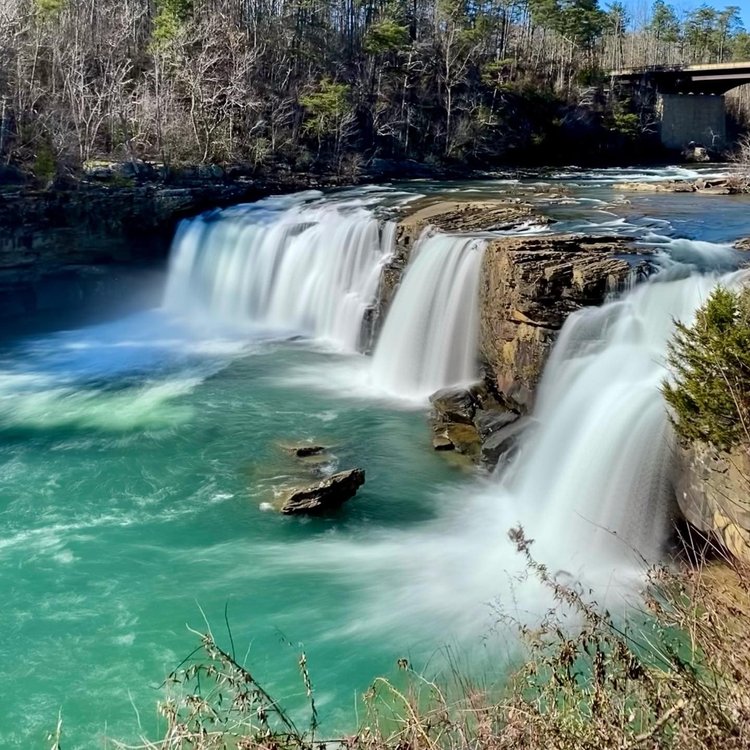
For those seeking dramatic landscapes, the Little River Canyon National Preserve near Fort Payne is a spectacular natural wonder. It boasts the deepest canyon east of the Mississippi, featuring stunning waterfalls, sheer sandstone cliffs, and diverse flora and fauna. Kayaking, hiking along the rim, and exploring swimming holes are popular activities here.
Alabama is also dotted with numerous lakes, providing ample opportunities for water sports. Lake Martin, one of the largest man-made lakes in the U.S., is a popular spot for boating, fishing, and swimming, surrounded by scenic coves and islands. Similarly, Smith Lake is renowned for its clear waters and excellent fishing, particularly for bass.

Wildlife and Coastal Exploration
The coastal regions and inland waterways are rich with biodiversity, offering unique opportunities for wildlife viewing. The Bon Secour National Wildlife Refuge near Gulf Shores is a crucial stopover point for migratory birds and provides habitats for endangered species like the Alabama beach mouse and nesting sea turtles. Its trails wind through maritime forests, wetlands, and dunes, offering fantastic birdwatching and nature photography opportunities.
For a deeper dive into marine ecosystems, the Dauphin Island Sea Lab on Dauphin Island offers educational programs and an aquarium showcasing the aquatic life of the Mobile Bay estuary and the Gulf of Mexico. It’s an engaging experience for all ages to learn about coastal conservation and the delicate balance of these environments.
Culinary Delights and Southern Hospitality
No trip to Alabama is complete without savoring its distinctive culinary scene and experiencing the warmth of Southern hospitality.
From BBQ to Gulf Seafood
Alabama takes its food seriously, especially its barbecue. The state is renowned for its diverse BBQ styles, from pulled pork sandwiches drenched in tangy white sauce (a Northern Alabama specialty) to slow-smoked ribs and chicken. Every region, and often every town, boasts its beloved local ‘cue joint, each with its own secret recipe and fiercely loyal following.
Given its coastal proximity, fresh Gulf seafood is another cornerstone of Alabama’s cuisine. From succulent grilled shrimp and fried oysters to crab cakes and fresh-caught fish, the coastal towns like Mobile, Gulf Shores, and Orange Beach offer an abundance of delicious, ocean-fresh dining experiences. Beyond BBQ and seafood, traditional Southern comfort food reigns supreme, with staples like fried chicken, collard greens, shrimp and grits, cornbread, and pecan pie gracing menus across the state. The burgeoning culinary scene in cities like Birmingham also offers a sophisticated array of farm-to-table restaurants, ethnic eateries, and craft breweries, reflecting a modern twist on Southern flavors.
Local Markets and Festivals
To truly immerse yourself in Alabama’s food culture, seek out local farmers’ markets, particularly in larger cities, which showcase fresh produce, artisanal goods, and homemade treats. Throughout the year, the state hosts numerous food festivals celebrating its rich agricultural and seafood bounty. The National Shrimp Festival in Gulf Shores is a prime example, drawing thousands to celebrate the Gulf’s most beloved crustacean with live music, arts and crafts, and, of course, countless shrimp dishes. These events are not just about food; they are vibrant celebrations of community, tradition, and Southern hospitality.
Planning Your Stay: Accommodation and Travel Tips
Making the most of your Alabama adventure involves thoughtful planning, especially concerning where to stay and how to get around.
Finding Your Ideal Accommodation
Alabama offers a wide array of accommodation options to suit every preference and budget. In bustling urban centers like Birmingham and Huntsville, you’ll find everything from luxurious boutique hotels to well-known chain hotels and extended-stay apartments. For a more charming and personalized experience, consider staying in one of the quaint bed & breakfasts found in historic towns like Mobile or Florence, often housed in beautifully preserved antebellum homes.
Along the Gulf Coast, Gulf Shores and Orange Beach are famous for their extensive selection of beachfront resorts, condominiums, and vacation rentals, perfect for family trips or group getaways. Many offer amenities like pools, direct beach access, and spacious layouts. For nature lovers and those seeking a more rustic experience, numerous state parks, including Lake Guntersville State Park and Cheaha State Park, provide cabins and campsites, allowing you to immerse yourself in the natural surroundings. Whether you’re looking for a luxury suite, a cozy villa, or a budget-friendly option, the state’s diverse lodging options ensure a comfortable and convenient base for your explorations.
Getting Around and Best Times to Visit
To fully experience the breadth of Alabama’s attractions, having a car is highly recommended. The state’s public transportation is limited, and many of its natural wonders and smaller towns are best accessed by personal vehicle. Roads are generally well-maintained, and driving allows for the flexibility to explore at your own pace. Major airports are located in Birmingham, Huntsville, and Mobile, offering convenient entry points to different regions.
The best times to visit Alabama are during the spring (March to May) and fall (September to November). During these seasons, the weather is pleasantly mild, ideal for outdoor activities and sightseeing, and the humidity is lower. Spring brings blooming dogwoods and azaleas, while fall showcases stunning foliage, particularly in the northern mountains. Summers (June to August) are hot and humid, especially inland, but perfect for enjoying the beaches of the Gulf Coast. Winters are generally mild, with occasional cold snaps, making it a good escape from harsher northern climates, though some coastal attractions might have reduced hours.
In conclusion, Alabama is a state of remarkable contrasts and compelling attractions. From the scientific wonders of Huntsville to the historical depth of its Civil Rights sites, the natural splendor of its state parks, and the relaxing allure of its Gulf beaches, there is truly something for everyone. Its rich cultural tapestry, combined with the warm embrace of Southern hospitality and a delectable culinary scene, ensures a memorable and rewarding travel experience. Embark on your Alabama adventure and discover why this Southern gem deserves a top spot on your travel itinerary.
LifeOutOfTheBox is a participant in the Amazon Services LLC Associates Program, an affiliate advertising program designed to provide a means for sites to earn advertising fees by advertising and linking to Amazon.com. Amazon, the Amazon logo, AmazonSupply, and the AmazonSupply logo are trademarks of Amazon.com, Inc. or its affiliates. As an Amazon Associate we earn affiliate commissions from qualifying purchases.