
Louisiana is a state that defies simple categorization. It is a place where the air is thick with the scent of jasmine and woodsmoke, where the music spills out of open doorways into cobblestone streets, and where history is not just remembered but lived every day. From the mist-covered cypress swamps of the Atchafalaya Basin to the neon-lit energy of Bourbon Street, the “Pelican State” offers an array of experiences that cater to the curious traveler, the history buff, and the nature enthusiast alike. Understanding what to see in Louisiana requires a journey through its distinct regions, each possessing its own dialect, cuisine, and rhythm of life.
The Cultural Epicenter: New Orleans and Its Environs
No exploration of the state is complete without starting in New Orleans. Known as the “Big Easy,” this city serves as the gateway to the Gulf Coast’s unique heritage. It is a city built on a foundation of French, Spanish, African, and Caribbean influences, creating a cultural gumbo that exists nowhere else in the United States.
The French Quarter and Jackson Square
The French Quarter, or the Vieux Carré, is the historic heart of the city. Walking through its narrow streets, visitors are treated to the sight of ornate cast-iron balconies draped in ferns and the sound of jazz musicians playing on street corners. At the center of it all lies Jackson Square, a timeless plaza flanked by historic buildings and presided over by the stunning St. Louis Cathedral. The cathedral, with its three white spires, is one of the oldest active cathedrals in the country and a masterpiece of Renaissance and Spanish Colonial architecture.
Just steps away, one can find the French Market, a bustling hub of commerce for over 200 years. Whether you are searching for local crafts or a plate of hot beignets at Café du Monde, the market provides a sensory overload that perfectly encapsulates the city’s vibrant spirit.
The Garden District and Uptown Charm
For a change of pace, the Garden District offers a serene look at 19th-century opulence. Accessible via the historic St. Charles Streetcar—the oldest continuously operating street railway system in the world—this neighborhood is famous for its well-preserved mansions and lush gardens. Visitors often flock to Lafayette Cemetery No. 1 to see the iconic above-ground tombs, often referred to as “Cities of the Dead,” which are a necessity due to the city’s high water table.
Further uptown, Audubon Park provides an expansive green space perfect for a slow afternoon walk under canopying live oaks. Nearby, the Audubon Zoo stands as a testament to the region’s commitment to wildlife conservation and education, housing species from across the globe in naturalistic habitats.
Music and Nightlife on Frenchmen Street
While Bourbon Street is famous for its party atmosphere, locals and seasoned travelers head to Frenchmen Street in the Faubourg Marigny neighborhood for an authentic musical experience. Clubs like Snug Harbor Jazz Bistro and The Spotted Cat Music Club offer world-class live jazz, blues, and funk nightly. The intimacy of these venues allows for a deep connection between the performers and the audience, showcasing the raw talent that defines the New Orleans music scene.
Bayou Adventures and the Great Outdoors
Beyond the city limits, the landscape of Louisiana transforms into a labyrinth of waterways, marshes, and swamps. This ecosystem is not only vital to the state’s economy but also offers some of the most compelling sights for nature lovers.
The Atchafalaya Basin and Swamp Tours
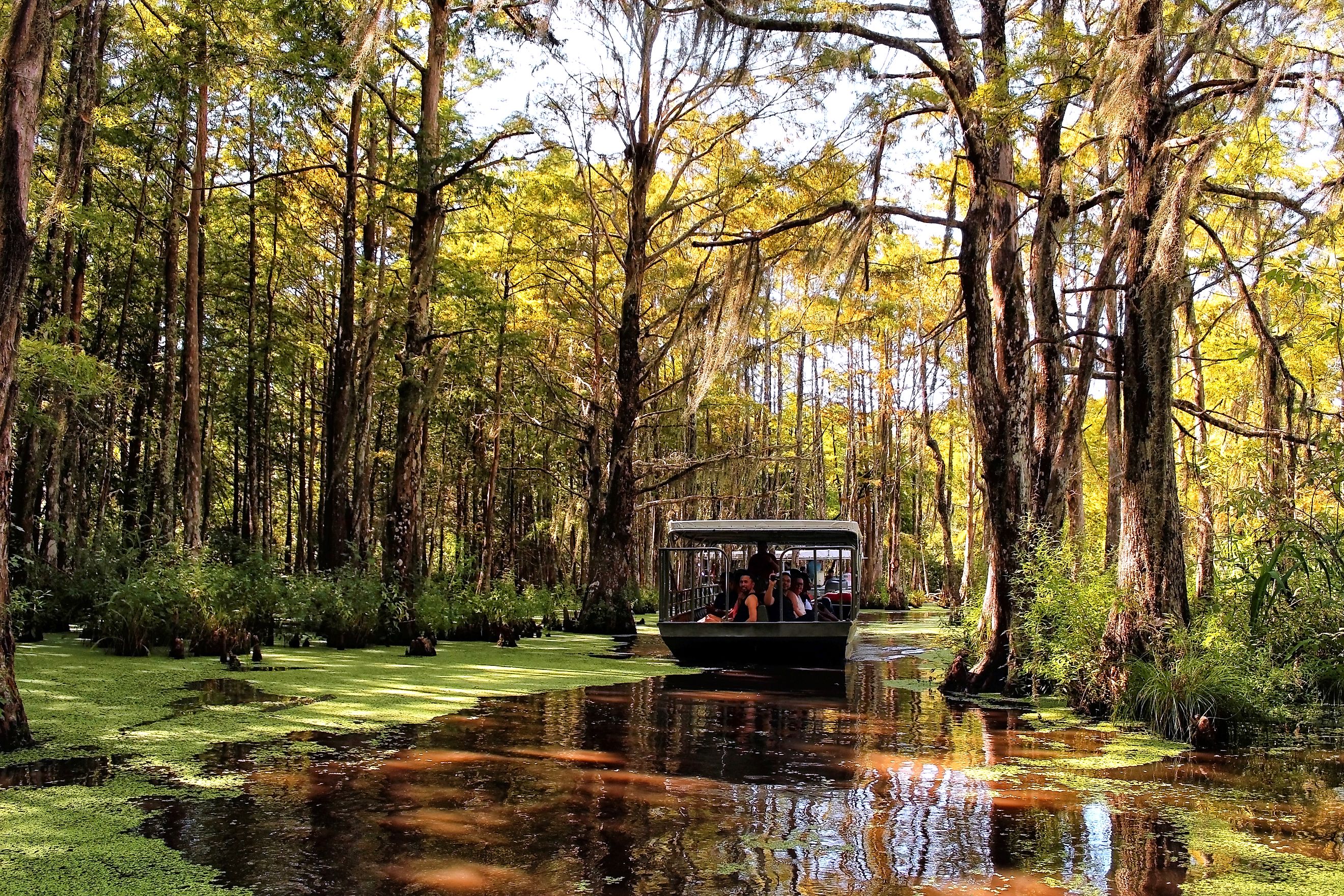
The Atchafalaya Basin is the largest wetland and swamp in the United States. It is a hauntingly beautiful wilderness where moss-draped cypress trees rise from the dark waters. Taking a boat tour through these wetlands is a primary attraction. Travelers can spot American alligators, egrets, and bald eagles while learning about the intricate balance of the local ecosystem. Many tours depart from the town of Breaux Bridge, which is also known as the “Crawfish Capital of the World.”
Jean Lafitte National Historical Park and Preserve
For those who prefer to explore on foot, the Barataria Preserve, part of the Jean Lafitte National Historical Park and Preserve, offers miles of boardwalks through hardwood forests and swamps. Located just south of the city, it provides a quiet escape where one can observe the flora and fauna of the delta. The park also highlights the history of the privateer Jean Lafitte and the diverse groups of people who have called this rugged landscape home.
Avery Island and Jungle Gardens
Located in Iberia Parish, Avery Island is a unique destination sitting atop a massive salt dome. It is most famous as the birthplace and only manufacturing site of Tabasco Sauce. Visitors can tour the Tabasco Museum and Factory to see how the peppers are grown and the sauce is aged in oak barrels.
After the factory tour, a visit to Jungle Gardens is essential. This 170-acre botanical garden and bird sanctuary was created by Edward Avery McIlhenny. It features a variety of exotic plants, a centuries-old Buddha statue, and Bird City, an nesting ground for thousands of snowy egrets.
A Journey Through Time: The Historic River Road
Connecting New Orleans and Baton Rouge, the Great River Road winds along the Mississippi River. This corridor is home to some of the most significant and sobering historical sites in the American South.
Oak Alley Plantation and Architecture
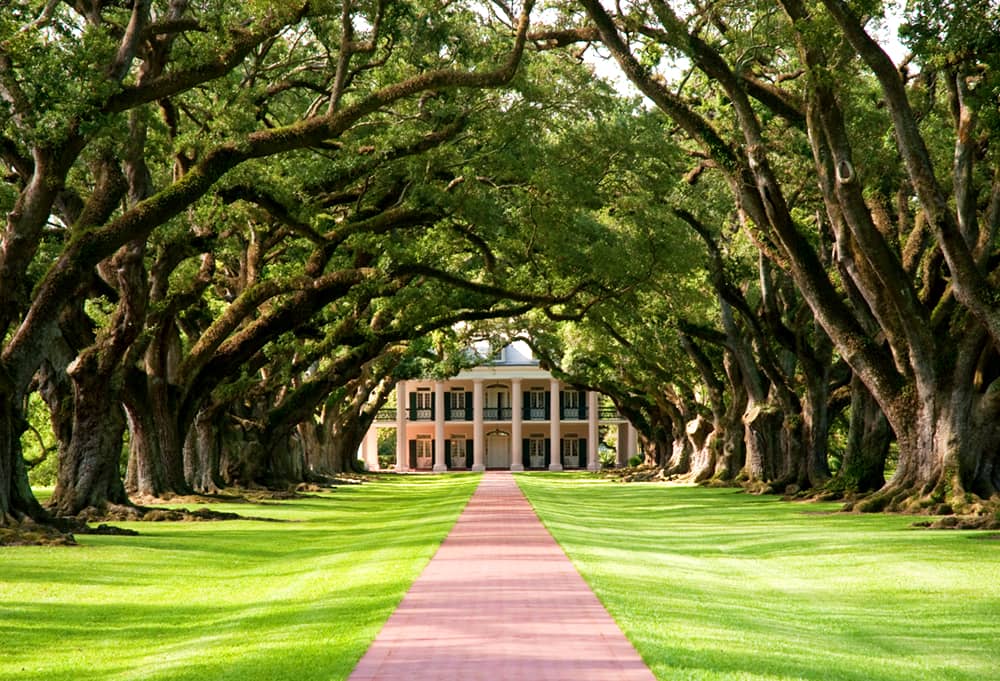
Perhaps the most photographed site along the river is Oak Alley Plantation. It is famous for its stunning “alley” of 28 evenly spaced giant live oak trees that lead from the river to the house. The Greek Revival mansion is a masterpiece of architecture, but today, the site also focuses on the lives of the enslaved people who built and maintained the estate, providing a more comprehensive look at the plantation’s complex history.
The Whitney Plantation: A Focused Narrative
While many estates focus on the grandeur of the “Big House,” the Whitney Plantation stands out as the only plantation museum in Louisiana with an exclusive focus on the lives of enslaved people. Through memorials, restored outbuildings, and first-person narratives, the Whitney Plantation provides a profound and educational experience that is essential for understanding the foundations of the state’s economy and social structure during the 18th and 19th centuries.
Houmas House and Gardens
Often called the “Sugar Palace,” Houmas House reflects the immense wealth generated by the sugar industry in the mid-1800s. The estate features meticulously manicured gardens, ponds, and bridges, along with a mansion filled with period antiques. It offers a glimpse into the lifestyle of the Southern aristocracy, complemented by on-site dining that showcases traditional Creole cuisine.
Cajun Country and the Heart of Acadiana
To the west of the river lies Cajun Country, a region defined by the descendants of the Acadians who were exiled from Canada in the 18th century. This area is the heartbeat of Louisiana’s rural traditions.
Lafayette: The Cultural Hub
The city of Lafayette serves as the center of Acadiana. It is a city where the French language is still heard and where dance halls vibrate with the sound of fiddles and accordions. Visitors should explore Vermilionville, a living history museum and folklife park that recreates life in the region between 1765 and 1890. Here, artisans demonstrate traditional crafts such as weaving, blacksmithing, and woodworking.
Similarly, the Acadian Village offers a collection of authentic 19th-century homes moved to one location to preserve the architectural heritage of the Cajun people. The village provides an immersive look at the resilience and ingenuity of the early settlers.
Lake Charles and the Creole Nature Trail
Heading further west toward the Texas border, Lake Charles offers a blend of gaming, outdoor adventure, and festivals. It is the starting point for the Creole Nature Trail, an All-American Road known as Louisiana’s Outback. This 180-mile route takes travelers through world-class birding marshes and along the beaches of the Gulf of Mexico. At the Grosse Savanne Eco-Tours, visitors can venture deep into private marshes to see an abundance of wildlife in its natural habitat.
The North and Central Highlights
While South Louisiana often garners the most attention, the central and northern parts of the state offer their own distinct charms, from colonial history to political landmarks.
Baton Rouge and the State Capitol
As the state capital, Baton Rouge is a city of political intrigue and academic excellence. The Louisiana State Capitol is an Art Deco skyscraper and the tallest capitol building in the United States. It stands as a monument to the influence of Governor Huey P. Long, who was assassinated in its corridors. For a more historical perspective, the Old State Capitol, which resembles a medieval castle, now houses a museum dedicated to the state’s colorful political history.
Natchitoches: The Oldest Settlement
Located in Central Louisiana, Natchitoches is the oldest permanent settlement in the Louisiana Purchase territory. The city’s National Historic Landmark District is a beautiful area of brick-paved streets and wrought-iron balconies overlooking Cane River Lake. It is famous for its meat pies and the annual Natchitoches Christmas Festival, one of the oldest and largest light displays in the country. Nearby, the Cane River Creole National Historical Park preserves the resources of the Oakland Plantation and Magnolia Plantation, telling the stories of the Creole culture that thrived here.

Shreveport and the Red River
In the northwest corner of the state, Shreveport and its sister city, Bossier City, offer a mix of riverboat casinos and family-friendly attractions. The Sci-Port Discovery Center is a premier science museum on the Shreveport Riverfront, featuring an IMAX dome and interactive exhibits. For art lovers, the R.W. Norton Art Gallery houses an impressive collection of American and European works surrounded by beautifully landscaped gardens.
Louisiana is a destination that demands slow exploration. Whether you are following the sound of a fiddle into a Lafayette dance hall, kayaking through the quiet bayous of the south, or standing in the shadow of the mighty Mississippi River, the state offers a depth of experience that stays with you long after the trip is over. It is a place where every destination tells a story, and every story is an invitation to see more.
LifeOutOfTheBox is a participant in the Amazon Services LLC Associates Program, an affiliate advertising program designed to provide a means for sites to earn advertising fees by advertising and linking to Amazon.com. Amazon, the Amazon logo, AmazonSupply, and the AmazonSupply logo are trademarks of Amazon.com, Inc. or its affiliates. As an Amazon Associate we earn affiliate commissions from qualifying purchases.