
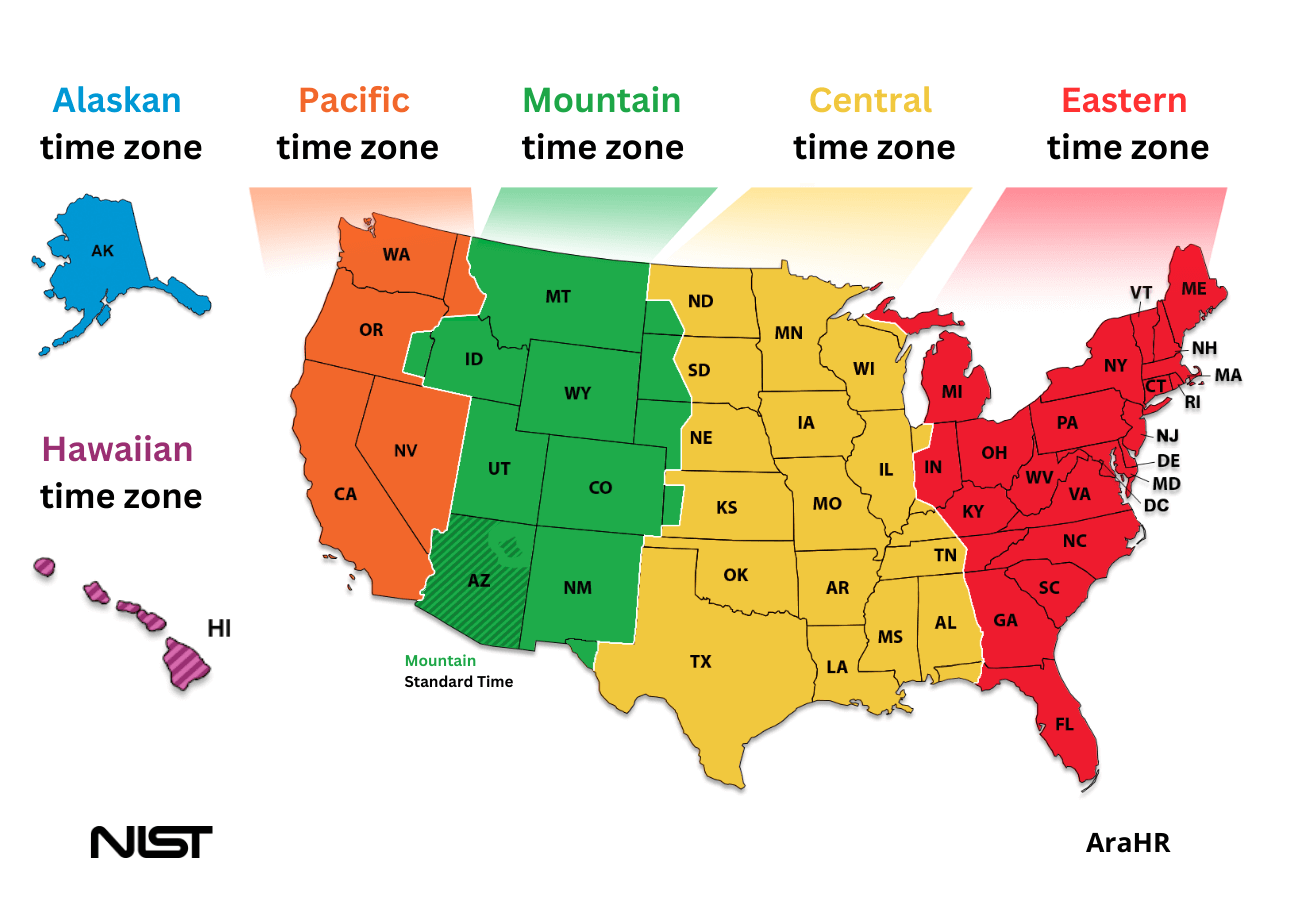
Understanding time zones is a fundamental aspect of modern travel and global communication. For anyone planning a trip to Chicago, coordinating meetings, or simply trying to connect with friends and family in the city, knowing its precise time relative to Coordinated Universal Time (UTC) is essential. Chicago observes the Central Time Zone (CT), which is UTC-6 during Standard Time and UTC-5 during Daylight Saving Time. This dynamic adjustment ensures that daylight hours are maximized throughout the year.
Navigating Chicago’s Time Zone: Central Standard Time and Daylight Saving Time
Chicago operates within the North American Central Time Zone. This zone is defined by its geographical location and its adherence to specific timekeeping conventions. The primary distinction within this zone is between Central Standard Time (CST) and Central Daylight Time (CDT).

Central Standard Time (CST)
During the period when Daylight Saving Time is not in effect, Chicago observes Central Standard Time (CST). CST is equivalent to UTC-6. This means that Chicago time is six hours behind Coordinated Universal Time. For instance, if it is 12:00 UTC, it is 6:00 AM CST in Chicago. This period typically runs from the first Sunday in November until the second Sunday in March.
Central Daylight Time (CDT)
When Daylight Saving Time is observed, Chicago switches to Central Daylight Time (CDT). CDT is equivalent to UTC-5. This means that Chicago time is five hours behind Coordinated Universal Time. So, if it is 12:00 UTC, it is 7:00 AM CDT in Chicago. Daylight Saving Time in the United States, including in Chicago, begins on the second Sunday in March and ends on the first Sunday in November. This adjustment effectively shifts an hour of daylight from the morning to the evening during the warmer months.
The switch between CST and CDT is an annual event, meticulously scheduled to optimize the use of natural light. Understanding these transitions is crucial for accurate time calculations, especially when dealing with international travel or scheduling across different continents.
Practical Implications for Travelers and Professionals
The temporal distinction between UTC and Chicago time has several practical implications, particularly for those visiting or conducting business in the city.
Planning Your Arrival and Departures
When booking flights to Chicago, understanding the local time is paramount. Flight schedules are always listed in local time, but for international travelers, converting these times to their origin point requires an accurate understanding of Chicago’s UTC offset. For example, a flight departing London at 10:00 AM UTC would arrive in Chicago at 5:00 AM CDT if Daylight Saving Time is in effect, or 4:00 AM CST if it is not. This awareness helps prevent confusion and ensures timely arrivals at airports like O’Hare International Airport or Midway International Airport.
Scheduling Business Meetings and Calls
For businesses operating across different time zones, precise coordination is key. Scheduling a conference call with a Chicago-based team requires careful consideration of the UTC offset. If a meeting is set for 2:00 PM UTC, and Chicago is observing CDT (UTC-5), the meeting will take place at 9:00 AM in Chicago. Conversely, if Chicago is on CST (UTC-6), the meeting would be at 8:00 AM. Miscalculations can lead to missed opportunities and scheduling conflicts. Many online tools and apps are available to assist with these conversions, simplifying the process.
Staying Connected with Loved Ones
For individuals with friends or family in Chicago, respecting their local time is a sign of consideration. Knowing that Chicago is UTC-6 or UTC-5 helps in planning calls or video chats. For instance, a call at 9:00 PM in New York (EST, UTC-5) would be 8:00 PM in Chicago during CST, or 7:00 PM during CDT. This is a significant difference that can impact whether you’re calling during waking hours or interrupting someone’s sleep.
Historical Context of Time Zones in the United States
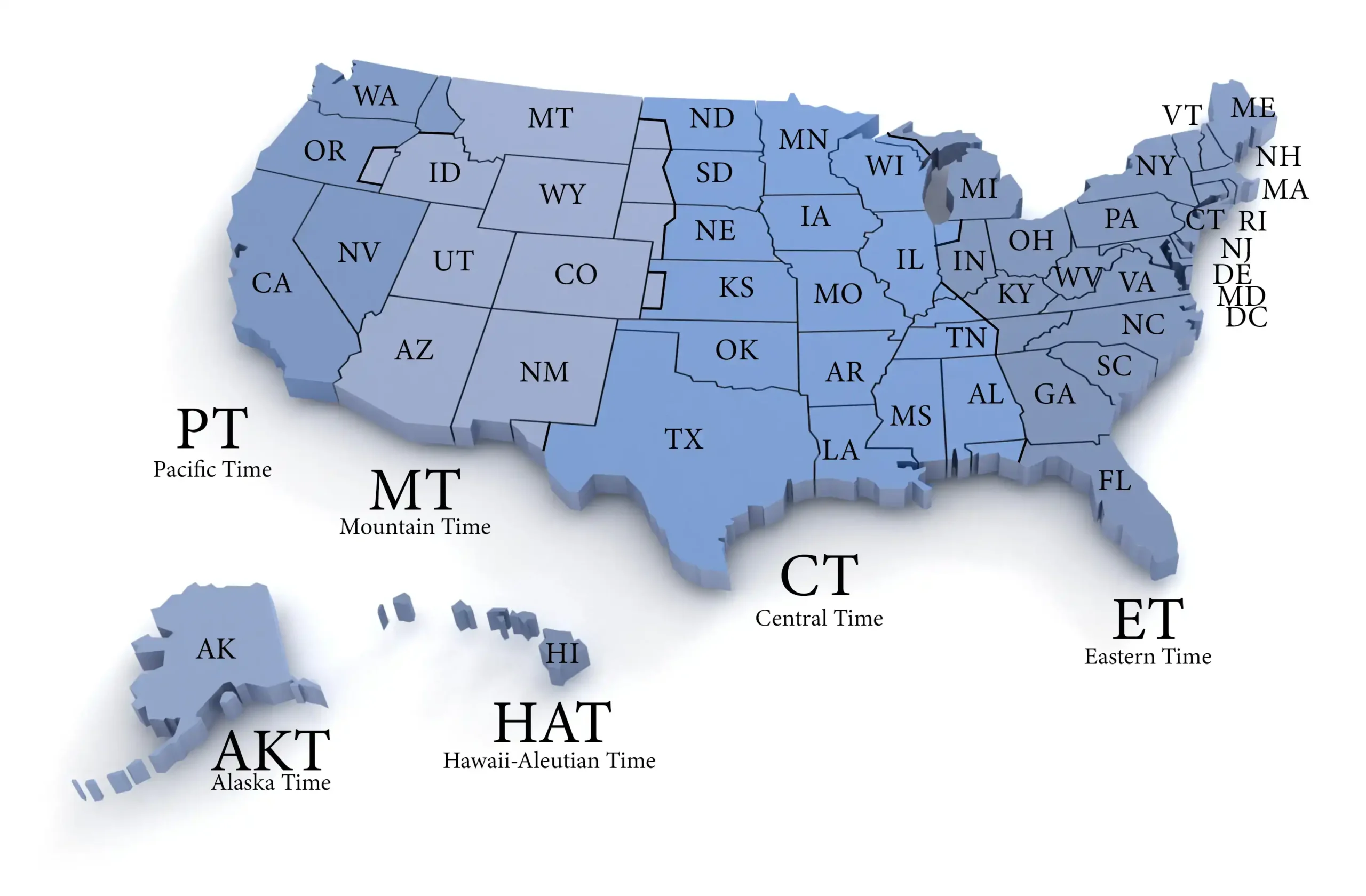
The establishment of standardized time zones in the United States, including the Central Time Zone that Chicago belongs to, was a significant development driven by the expansion of the railway system in the late 19th century. Prior to this, each town or city often operated on its own local solar time, leading to considerable confusion for travelers and the burgeoning national transportation networks.
The Need for Standardization
Before the advent of standardized time, railway companies struggled with inconsistent schedules. A train traveling westward would encounter numerous local times, making it incredibly difficult to maintain punctuality and safety. This chaotic system necessitated a more organized approach.
The Role of the Railroads
In 1883, major U.S. railroad companies, in collaboration with telegraph companies, implemented a system of four standard time zones across the continental United States: Eastern, Central, Mountain, and Pacific. These zones were generally based on longitudinal lines. The boundaries were drawn to serve the needs of the railway network, aiming to simplify scheduling and improve operational efficiency. Chicago, situated geographically within the central part of the country, became a key hub within the Central Time Zone.
The Standard Time Act of 1918
While the railroads had established these zones, it wasn’t until the Standard Time Act of 1918 that federal law officially recognized and regulated them. This act aimed to promote uniformity and efficiency. The law also introduced Daylight Saving Time, though its implementation and observance have been subject to various amendments and debates over the decades. The current framework for Daylight Saving Time in the U.S. is governed by the Uniform Time Act of 1966, which allows states to opt out but mandates a uniform start and end date for those that do observe it. Chicago continues to observe Daylight Saving Time as part of Illinois’s participation.
Beyond the Clock: Embracing Chicago’s Vibrant Culture
While understanding the time in Chicago is crucial for logistical planning, the true essence of the city lies in its rich tapestry of culture, history, and attractions. Once you’ve got your timekeeping sorted, you can fully immerse yourself in what makes this metropolis so captivating.
Architectural Marvels and Iconic Landmarks
Chicago is renowned for its groundbreaking architecture. A stroll along the Chicago Riverwalk offers unparalleled views of some of the world’s first skyscrapers, including the historic Tribune Tower and the art deco masterpiece, the Chicago Board of Trade Building. A visit to the Willis Tower (formerly the Sears Tower) provides panoramic vistas of the city and Lake Michigan from its Skydeck. Don’t miss the opportunity to explore Millennium Park, home to the iconic “The Bean” sculpture, officially known as Cloud Gate, and the striking Jay Pritzker Pavilion.
A Culinary Journey
Chicago’s culinary scene is as diverse and dynamic as its population. From deep-dish pizza, a quintessential Chicago experience, to world-class fine dining establishments, there’s something to satisfy every palate. Explore the vibrant food markets, sample authentic Italian beef sandwiches, and discover innovative farm-to-table restaurants. Neighborhoods like Wicker Park and Pilsen offer a wealth of culinary exploration, showcasing international flavors and local favorites.
Arts, Culture, and Entertainment
The city boasts a thriving arts and culture scene. The Art Institute of Chicago is a world-renowned museum housing an impressive collection of Impressionist and Post-Impressionist masterpieces, alongside American and contemporary art. For music lovers, Chicago is the birthplace of house music and a haven for blues and jazz enthusiasts, with legendary venues like Buddy Guy’s Legends and the Green Mill. The city also offers a vibrant theater district, showcasing Broadway productions and innovative local performances.
Green Spaces and Recreational Opportunities
Despite its urban landscape, Chicago offers ample opportunities for outdoor recreation. Lincoln Park Zoo provides a free escape into nature, while the extensive lakefront trail is perfect for cycling, jogging, or simply enjoying the views of Lake Michigan. Boat tours, including architectural river cruises, offer a unique perspective on the city’s skyline and history.
Understanding the time zone of Chicago is a practical necessity for any visitor or business associate. It allows for smooth planning and seamless execution of travel and professional endeavors. However, it is merely the starting point for appreciating the multifaceted charm and dynamic energy of this iconic American city. By factoring in the UTC offset and the nuances of CST and CDT, travelers can confidently navigate their journey and fully engage with the unforgettable experiences Chicago has to offer.
LifeOutOfTheBox is a participant in the Amazon Services LLC Associates Program, an affiliate advertising program designed to provide a means for sites to earn advertising fees by advertising and linking to Amazon.com. Amazon, the Amazon logo, AmazonSupply, and the AmazonSupply logo are trademarks of Amazon.com, Inc. or its affiliates. As an Amazon Associate we earn affiliate commissions from qualifying purchases.