
Navigating the requirements for sending your child back to school in Florida can feel like planning a complex adventure. Just as you’d meticulously pack for a family trip to Disney World or a relaxing getaway in Miami, understanding the mandatory vaccination schedule is a crucial step in ensuring your child’s smooth entry into the Florida education system. This guide aims to demystify the process, providing clarity on the essential immunizations required for students of all ages, from kindergarten to college. Whether you’re a long-time resident or a newcomer to the Sunshine State, this information is vital for fulfilling your child’s educational journey.
The state of Florida, like many others, prioritizes public health by establishing a comprehensive immunization program. These requirements are not arbitrary; they are based on scientific evidence and recommendations from leading health organizations like the Centers for Disease Control and Prevention (CDC). The goal is to protect not only your individual child but also the broader school community from preventable diseases. Understanding these mandates is the first step in a responsible approach to education and well-being.
Understanding Florida’s School Vaccine Requirements
Florida Statute 1002.20 outlines the general immunization requirements for children attending public and private schools, as well as childcare facilities. The Department of Health is responsible for establishing and enforcing these regulations. The core principle is to ensure that students are adequately protected against a range of infectious diseases that can spread rapidly in group settings. This includes illnesses like measles, polio, tetanus, and pertussis, among others.
The specific number and types of vaccines required can vary slightly depending on the child’s age and grade level. However, there are a set of core immunizations that are consistently mandated for entry into school. It’s important to note that these requirements are periodically reviewed and updated based on evolving public health recommendations and the emergence of new health concerns. Therefore, always refer to the most current guidelines provided by the Florida Department of Health for the most accurate and up-to-date information.
Key Vaccines for School Entry
Florida’s school vaccine schedule is designed to provide robust protection throughout a child’s formative years. The recommended vaccinations align with the national immunization schedule, ensuring a strong defense against common and potentially severe diseases. These vaccines are typically administered in a series of doses at specific ages to maximize their effectiveness and provide long-lasting immunity.
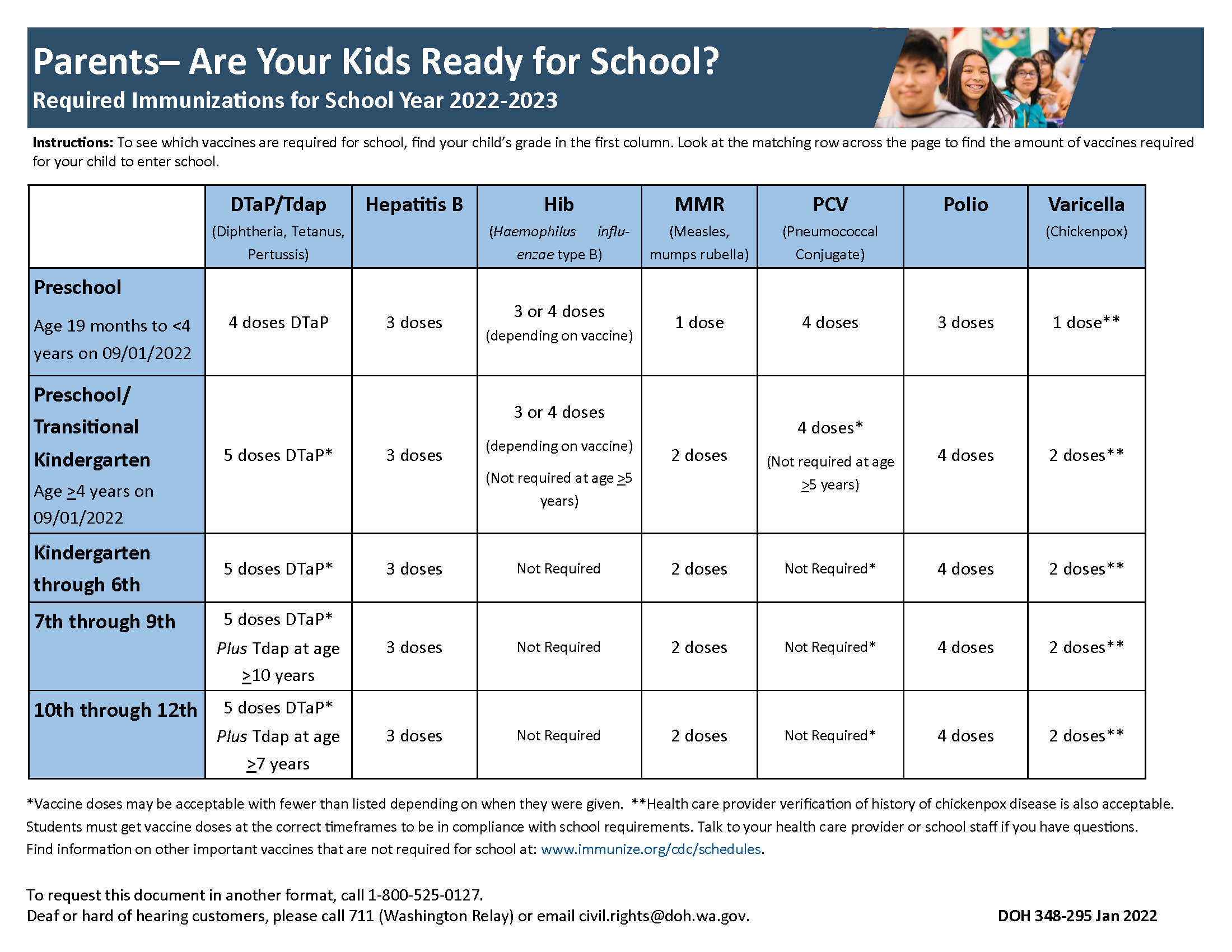
For children entering kindergarten or first grade, a significant number of immunizations are typically required. This foundational set of vaccines aims to provide protection against diseases that were once widespread and could cause serious health complications. Parents are generally expected to provide documentation of these vaccinations, often in the form of a Certificate of Immunization (DH 680 form), which is issued by a healthcare provider.
The following vaccines are generally considered mandatory for school entry in Florida:
-
DTaP (Diphtheria, Tetanus, and Acellular Pertussis): This is a crucial vaccine that protects against three serious bacterial diseases. Diphtheria can lead to breathing difficulties, heart failure, and paralysis. Tetanus, often called lockjaw, can cause severe muscle spasms and is frequently fatal. Pertussis, or whooping cough, is a highly contagious respiratory illness that can be particularly dangerous for infants and young children. Multiple doses are required in early childhood, with booster shots needed later in life.
-
Polio (IPV – Inactivated Poliovirus Vaccine): Polio is a viral disease that can cause paralysis and death. While significantly reduced due to widespread vaccination, it remains a concern. The inactivated poliovirus vaccine is administered in a series of shots to build immunity.
-
MMR (Measles, Mumps, and Rubella): This combination vaccine protects against three viral illnesses. Measles can cause a severe rash, fever, and respiratory problems, and can lead to pneumonia and encephalitis. Mumps can cause swelling of the salivary glands and, in severe cases, lead to meningitis or encephalitis. Rubella, or German measles, is typically milder but can cause serious birth defects if a pregnant woman is infected. Two doses of the MMR vaccine are generally required for school entry.
-
Hepatitis B (HepB): This vaccine protects against Hepatitis B virus, which can cause serious liver damage, including cirrhosis and liver cancer. The vaccine is usually given in three doses over a period of several months.
-
Varicella (Chickenpox): Chickenpox is a highly contagious viral infection that causes an itchy rash with blisters. While often mild, it can lead to serious complications such as pneumonia, encephalitis, and bacterial skin infections. The varicella vaccine is typically given in two doses.
-
Hib (Haemophilus influenzae type b): Hib is a bacterium that can cause serious infections, including meningitis, pneumonia, and epiglottitis, especially in young children. The Hib vaccine is usually given in a series of doses during infancy and early childhood.
-
Pneumococcal Conjugate Vaccine (PCV): This vaccine protects against pneumococcal disease, a bacterial infection that can cause pneumonia, meningitis, and bloodstream infections. It is particularly important for young children.
Specific Age and Grade-Level Requirements
While the general list above covers many of the core vaccines, Florida’s requirements are tailored to ensure protection at critical developmental stages. For instance, there are specific dosage schedules and age cutoffs for each vaccine.

-
Preschool and Kindergarten Entry: Children entering kindergarten or the equivalent in Florida are typically required to have received a series of vaccines that includes multiple doses of DTaP, IPV, MMR, Hepatitis B, and Varicella. The final doses of some of these vaccines are often due just before or around the age of school entry.
-
Middle and High School: As students progress through their education, additional booster shots or vaccines may become mandatory. A prominent example is the Tdap booster, which provides protection against tetanus, diphtheria, and pertussis. This booster is often required for entry into middle school (typically around age 11 or 12) and may be recommended again later in high school or adulthood.
-
College and University: For students attending post-secondary institutions in Florida, there are additional vaccine requirements to consider. This often includes the Meningococcal vaccine (also known as the MCV4 vaccine), which protects against meningococcal disease, a potentially life-threatening infection that can cause meningitis. The Hepatitis A vaccine may also be required for college students in Florida, protecting against a liver infection spread through contaminated food or water. It is crucial for college-bound students and their families to review the specific requirements of the institution they plan to attend, as these can vary.
Exemptions to Vaccination Requirements
Florida law recognizes that there may be specific circumstances under which a child cannot receive certain vaccinations. There are two primary categories of exemptions allowed: medical and religious.
Medical Exemptions
A medical exemption is granted when a healthcare provider determines that a specific vaccine would be detrimental to a child’s health. This typically occurs when a child has a severe allergy to a component of the vaccine or has a specific medical condition that contraindicates vaccination. For a medical exemption to be valid, it must be documented and signed by a licensed physician. This documentation needs to clearly state the specific vaccine(s) the child cannot receive and the medical reason for the exemption. The Florida Department of Health has specific procedures for the submission and review of medical exemption forms.
Religious Exemptions
Florida law also allows for exemptions based on sincerely held religious beliefs. To qualify for a religious exemption, parents or guardians must submit a completed immunization exemption form to the school. This form typically requires a statement that the individual objects to immunization based on their religious tenets or practices. It is important to note that the process for obtaining a religious exemption can be subject to specific requirements and may need to be renewed periodically.
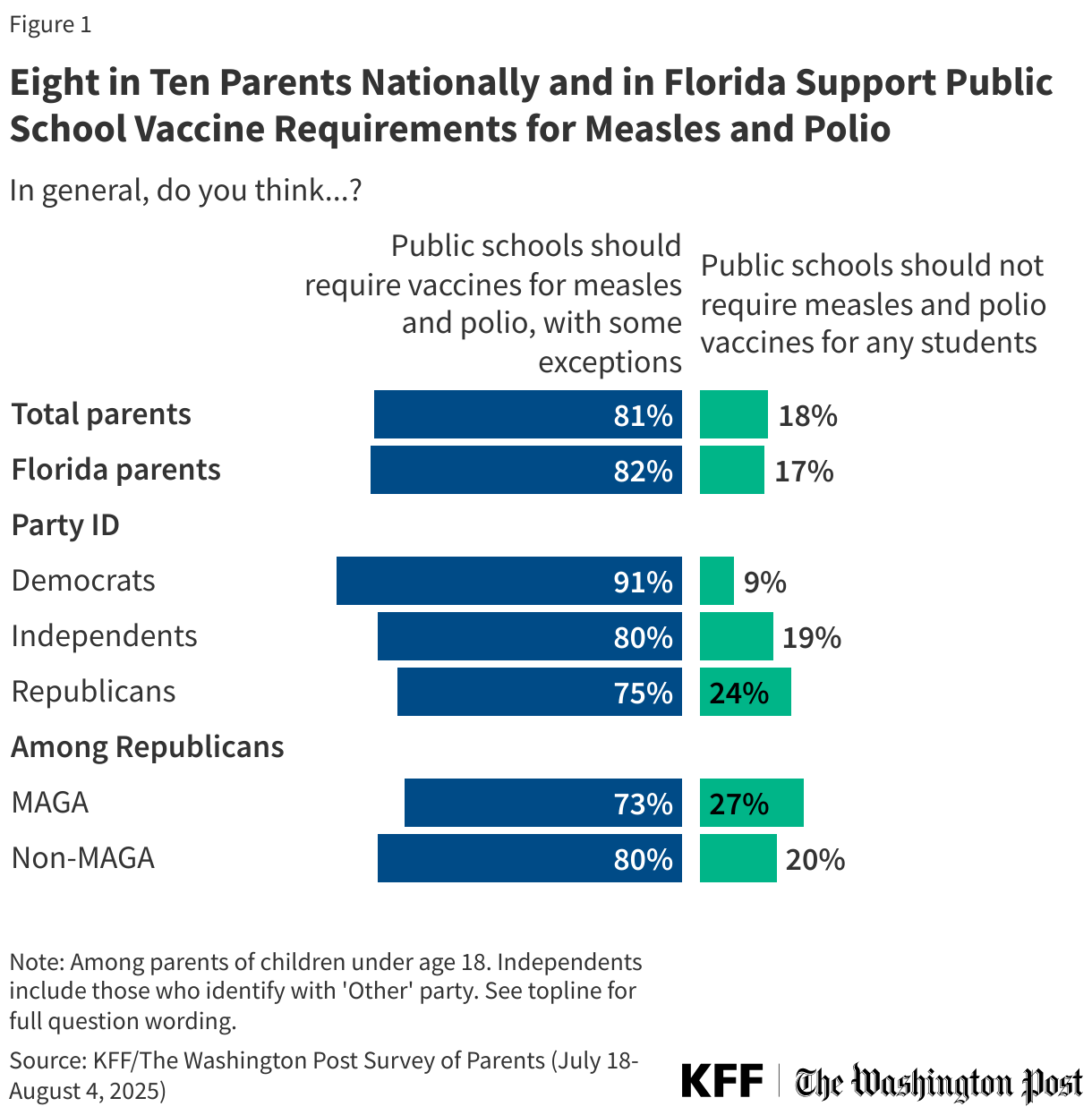
It is crucial to understand that non-medical and non-religious exemptions are generally not permitted in Florida for school entry. The state prioritizes public health, and broad exemptions that are not based on documented medical necessity or sincerely held religious beliefs are not accommodated within the school system. Parents should consult with their healthcare provider and the Florida Department of Health for definitive guidance on exemption procedures.
Staying Informed and Documenting Vaccinations
Keeping track of your child’s immunization records is essential. These records serve as proof of compliance with Florida’s school vaccine mandates. Parents should maintain a personal copy of their child’s vaccination history, in addition to the official documentation provided by their healthcare provider.
Where to Find Official Information and Forms
The most reliable source of information regarding Florida’s school vaccine requirements is the Florida Department of Health (FDOH). Their website provides up-to-date schedules, forms, and guidelines. Parents can typically download the necessary forms, such as the Certificate of Immunization (DH 680), from the FDOH website or obtain them from their child’s healthcare provider. The FDOH also offers a wealth of information on vaccine safety and effectiveness, which can be helpful for parents seeking to understand the science behind these public health measures.
When your child receives a vaccination, ensure that the healthcare provider updates your child’s immunization record and provides you with a copy. This record should be meticulously kept and updated as your child receives subsequent doses.
Working with Your Healthcare Provider
Your pediatrician or family doctor is your primary resource for managing your child’s vaccinations. They can:
- Provide you with the most current vaccination schedule.
- Administer the required vaccines.
- Complete the necessary documentation (like the DH 680 form) for school entry.
- Advise you on any potential concerns or questions you may have about vaccines.
- Help you navigate the process of obtaining medical exemptions if needed.
It is highly recommended to schedule your child’s vaccinations well in advance of school start dates to avoid last-minute rushes and ensure all requirements are met in a timely manner. This proactive approach can save considerable stress and ensure your child is ready for their first day of learning, whether it’s at a local school in Orlando or a private institution in Jacksonville.
In conclusion, ensuring your child is up-to-date on their mandatory vaccinations is a critical part of preparing them for school in Florida. By understanding the requirements, working closely with your healthcare provider, and maintaining accurate records, you can confidently fulfill these health mandates and focus on the exciting educational experiences that await your child, from exploring the wonders of the Everglades to enjoying the vibrant culture of the Florida Keys.
LifeOutOfTheBox is a participant in the Amazon Services LLC Associates Program, an affiliate advertising program designed to provide a means for sites to earn advertising fees by advertising and linking to Amazon.com. Amazon, the Amazon logo, AmazonSupply, and the AmazonSupply logo are trademarks of Amazon.com, Inc. or its affiliates. As an Amazon Associate we earn affiliate commissions from qualifying purchases.