
Understanding your Chicago ward is more than just a civic exercise; it’s a key to unlocking a deeper connection with the city’s unique fabric. For residents, knowing your ward is instrumental in engaging with local governance, understanding neighborhood priorities, and accessing specific services. For visitors, grasping the ward system provides a fascinating lens through which to view the diverse communities that make up the Windy City. This guide will demystify Chicago’s ward system, helping you identify yours and appreciate its significance within the broader context of urban life and local governance.
The Architecture of Chicago’s Governance: Understanding Wards
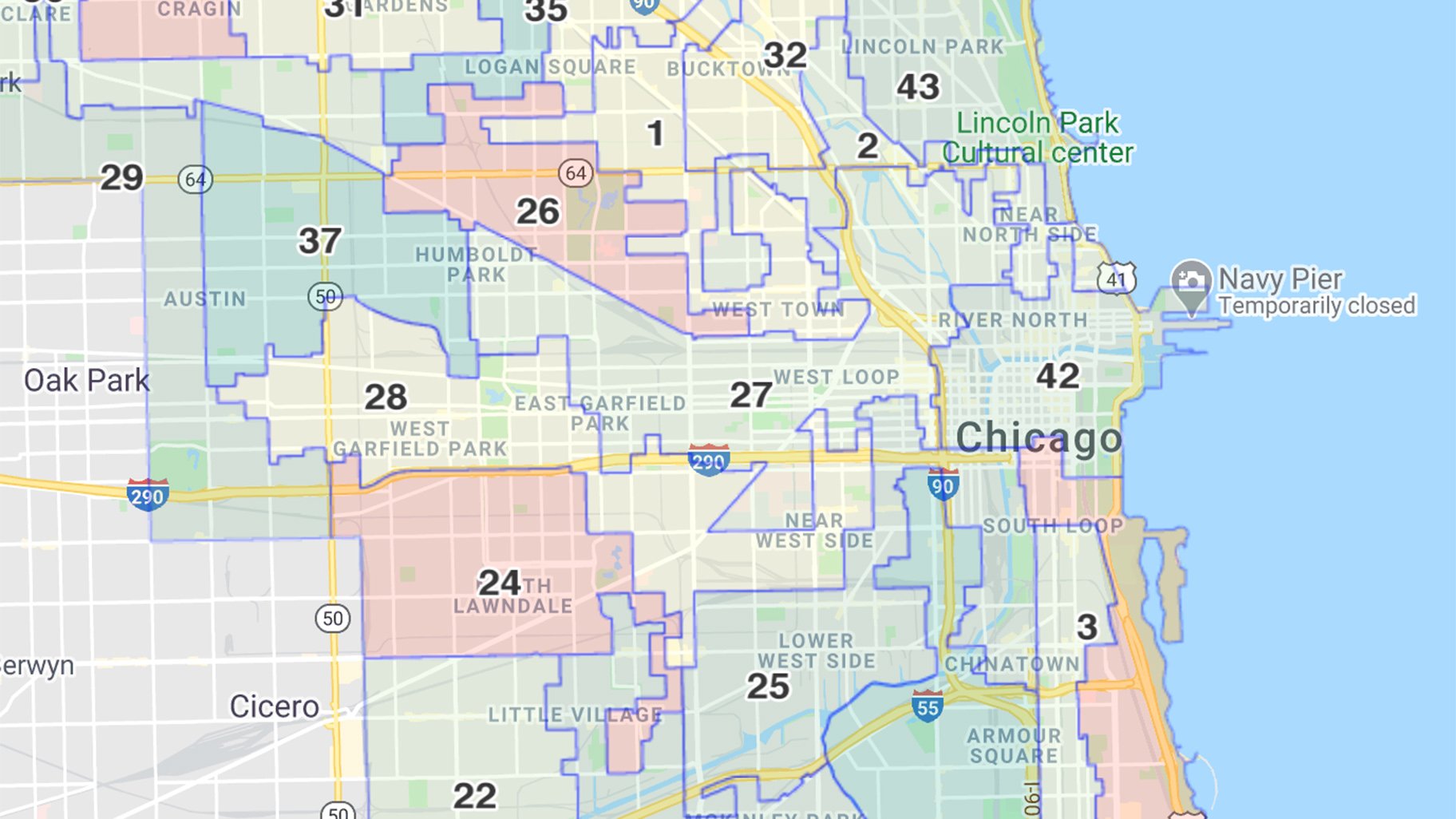
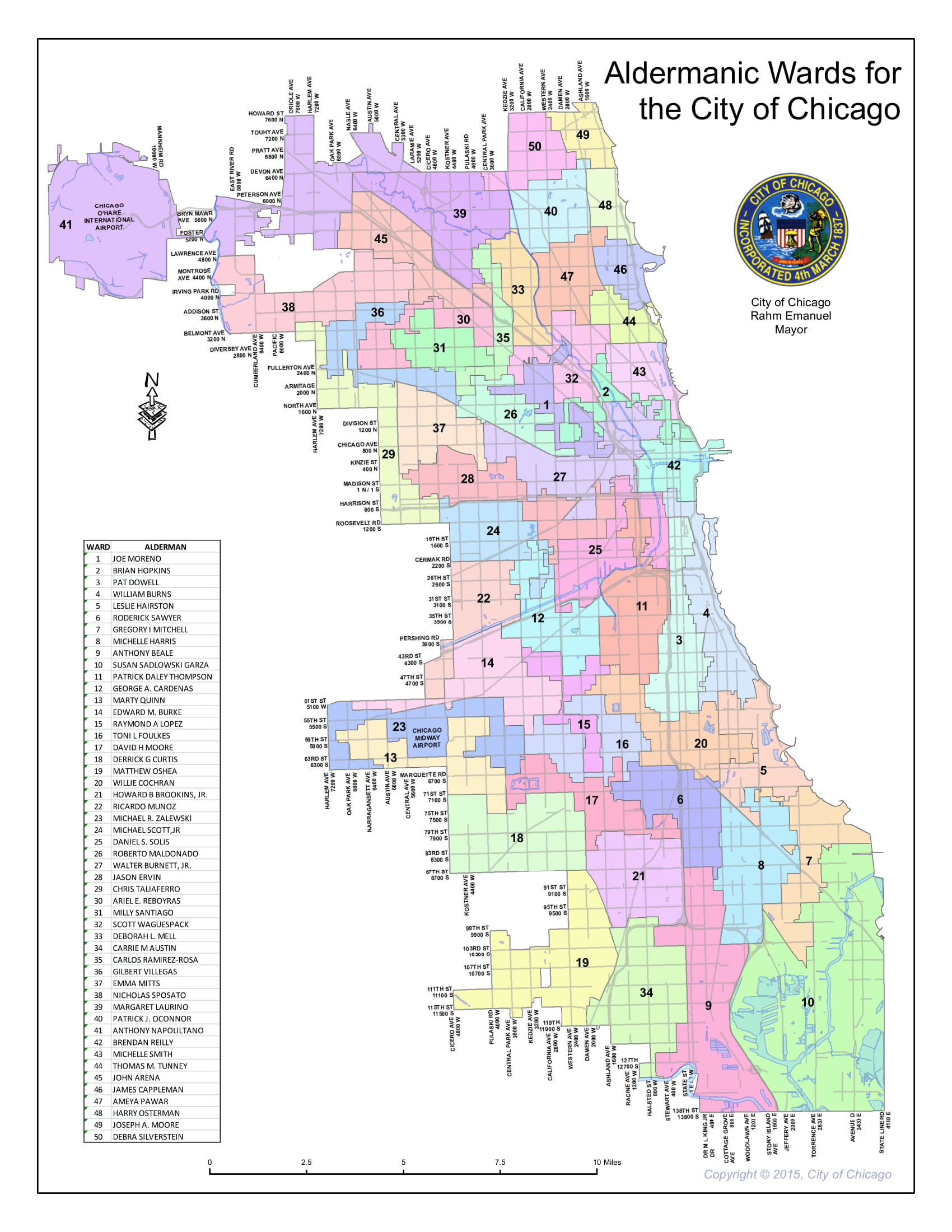
Chicago, like many major American cities, operates under a ward system for its municipal governance. A ward is essentially a political division of a city, each represented by an elected official known as an alderperson (formerly alderman). The city is divided into 50 wards, each intended to represent a roughly equal number of residents. This structure ensures that diverse communities have a voice in city hall and that local issues are addressed at a granular level.
The Role of the Alderperson
Each of the 50 Chicago wards elects an alderperson to represent them on the Chicago City Council. The City Council is the legislative body of the city government, responsible for passing ordinances, approving the city budget, and overseeing municipal services. Alderpersons serve as the primary liaison between their constituents and the city government.
Key responsibilities of an alderperson include:
- Legislation: Introducing and voting on ordinances that affect the city.
- Budget Allocation: Participating in decisions regarding how city funds are spent.
- Constituent Services: Helping residents navigate city services, address neighborhood concerns, and resolve issues with city departments.
- Community Development: Advocating for projects and initiatives that benefit their specific ward, such as park improvements, public safety initiatives, and economic development.
The ward system fosters a sense of local representation, as alderpersons are directly accountable to the voters within their defined geographical area. This can lead to more responsive governance, as alderpersons are incentivized to address the specific needs and concerns of their constituents to secure re-election.
Why Your Ward Matters
For residents, knowing your ward and who your alderperson is can be incredibly empowering. It means you have a direct channel to your local government. If there’s a problem with streetlights in your neighborhood, a need for increased police presence, or a desire to propose a new community program, your alderperson is the person to contact. They can bring these issues to the attention of the relevant city departments and advocate for solutions.
Furthermore, ward boundaries often reflect the demographic and socioeconomic makeup of Chicago. Understanding these divisions can provide insights into the historical development and evolving character of different neighborhoods. It’s a fundamental aspect of civic participation in Chicago.
How to Discover Your Chicago Ward
Locating your specific Chicago ward is a straightforward process, thanks to readily available online tools and resources. This information is crucial for engaging with your local representative and participating in civic life.
Online Resources for Ward Identification
The most efficient way to determine your ward is by utilizing official city resources. The City of Chicago provides an interactive online map and a property lookup tool that allows you to enter your address and instantly retrieve your ward and precinct information.
- Chicago Ward Map: The official Chicago ward map, typically found on the city’s official website or the Chicago Board of Elections website, allows you to visually browse the 50 wards. While helpful for understanding the general layout, it can be less precise for exact address identification.
- Property Lookup Tool: The City of Chicago‘s official website usually offers a “My Ward” or “Find Your Representative” tool. You will be prompted to enter your street address, including the city and zip code. After submission, the tool will display your ward number, the name of your current alderperson, and sometimes contact information. This is the most direct and accurate method for identification.
- Chicago Board of Elections: The Chicago Board of Elections website is another excellent resource. It provides tools to look up your polling place, registered voter information, and importantly, your ward and precinct. This is particularly useful during election seasons as it ensures you know your representation and voting district.
Using Your Address for Accurate Identification
When using any online tool, ensure you have your complete and accurate address ready. This includes the street number, street name, and any directional prefixes (e.g., N, S, E, W) or suffixes (e.g., Ave, St, Pl). Including your zip code can further refine the search. Double-checking your input minimizes the chance of receiving incorrect information.
What Information Will You Find?
Once you’ve identified your ward, you’ll typically find:
- Ward Number: A numerical designation from 1 to 50.
- Alderperson’s Name: The elected official representing your ward.
- Contact Information: Phone numbers, email addresses, and office locations for your alderperson and their staff.
- Meeting Schedules: Information on ward meetings or office hours, offering opportunities for direct engagement.
- Community News: Updates on local projects, events, and initiatives happening within your ward.
This information is vital for informed civic participation and for addressing any local concerns you may have.
Navigating Chicago’s Diverse Wards: A Glimpse into Local Life
Chicago’s 50 wards are not just arbitrary lines on a map; they represent the intricate tapestry of the city’s diverse neighborhoods, each with its own unique character, history, and community dynamics. From the bustling commercial centers of downtown to the quiet residential enclaves, each ward contributes to the city’s overall identity.
From the Loop to the Neighborhoods
The Wards that encompass the downtown area, such as portions of the 2nd, 3rd, 4th, and 11th Wards, are characterized by iconic skyscrapers, major business districts, and world-renowned cultural institutions like the Art Institute of Chicago and Millennium Park. These wards are hubs of economic activity and major tourist destinations.
Moving outwards, the wards begin to reflect the distinct personalities of Chicago’s many neighborhoods. For instance:
- North Side Wards: Wards on the North Side, such as the 43rd, 44th, and 46th, often encompass vibrant, densely populated residential areas with a mix of historic architecture, popular entertainment venues, and diverse retail districts. Areas like Lincoln Park and Lakeview are known for their lively nightlife, parks, and distinct community feel.
- South Side Wards: The South Side of Chicago is home to a rich array of communities, each with a unique heritage. Wards in this region, such as the 10th, 16th, and 20th, represent areas with significant African American history, prominent educational institutions like the University of Chicago, and significant cultural landmarks. Neighborhoods like Bronzeville and Hyde Park offer deep historical insights and a strong sense of community pride.
- West Side Wards: Wards on the West Side, including the 27th, 28th, and 37th, showcase a different facet of Chicago. These areas are characterized by a mosaic of ethnic communities, growing arts scenes, and developing urban spaces. Neighborhoods like Pilsen and Humboldt Park are renowned for their vibrant street art, cultural festivals, and distinct culinary traditions.
Understanding Ward-Specific Initiatives
Each alderperson, guided by the needs and aspirations of their constituents, spearheads initiatives tailored to their ward. These can range from advocating for improved public transportation access in a less-served area to securing funding for new community centers or supporting local small businesses. For example, an alderperson in a ward with many parks might focus on enhancing green spaces and recreational programs, while one in a more industrial ward might prioritize job creation and environmental protections.
By understanding the ward you live in, you gain a better appreciation for the localized efforts that contribute to the overall vitality and distinctiveness of Chicago. It’s about recognizing that the city’s strength lies not just in its grand landmarks but in the rich, diverse, and locally governed communities that comprise it.
Engaging with Your Local Government and Community
Knowing your ward and your alderperson is the first step toward active participation in your Chicago community. This engagement can take many forms, from attending local meetings to volunteering for neighborhood initiatives.
Participating in Ward Meetings and Events
Alderpersons regularly hold ward meetings, town halls, or constituent coffees. These events are invaluable opportunities to:
- Voice Your Concerns: Directly address your alderperson and their staff with issues affecting your neighborhood.
- Stay Informed: Learn about upcoming city projects, proposed ordinances, and local developments.
- Connect with Neighbors: Meet other residents who share your concerns and interests, fostering a stronger community bond.
- Understand Local Priorities: Gain insight into what your alderperson and community leaders are prioritizing for your ward.
Keep an eye on your alderperson’s official website, social media, or local community boards for announcements regarding these meetings.
How to Contact Your Alderperson
Beyond attending meetings, there are several ways to reach out to your alderperson:
- Office Visits: Most alderpersons maintain an office within their ward, often in a local municipal building or community center. Visiting in person can be an effective way to discuss issues, especially if they are complex or require detailed explanation.
- Phone and Email: The contact information for your alderperson and their staff is readily available through the city’s official website. Utilize these channels for less urgent matters, to request information, or to schedule appointments.
- Written Correspondence: A well-crafted letter or email detailing your concerns, along with any supporting documentation, can be a powerful way to communicate with your representative.
When contacting your alderperson, be clear, concise, and respectful. Clearly state your issue, how it affects you or your community, and what resolution you are seeking. Providing your address ensures they can confirm you are a constituent.
Beyond Governance: Community Building and Volunteering
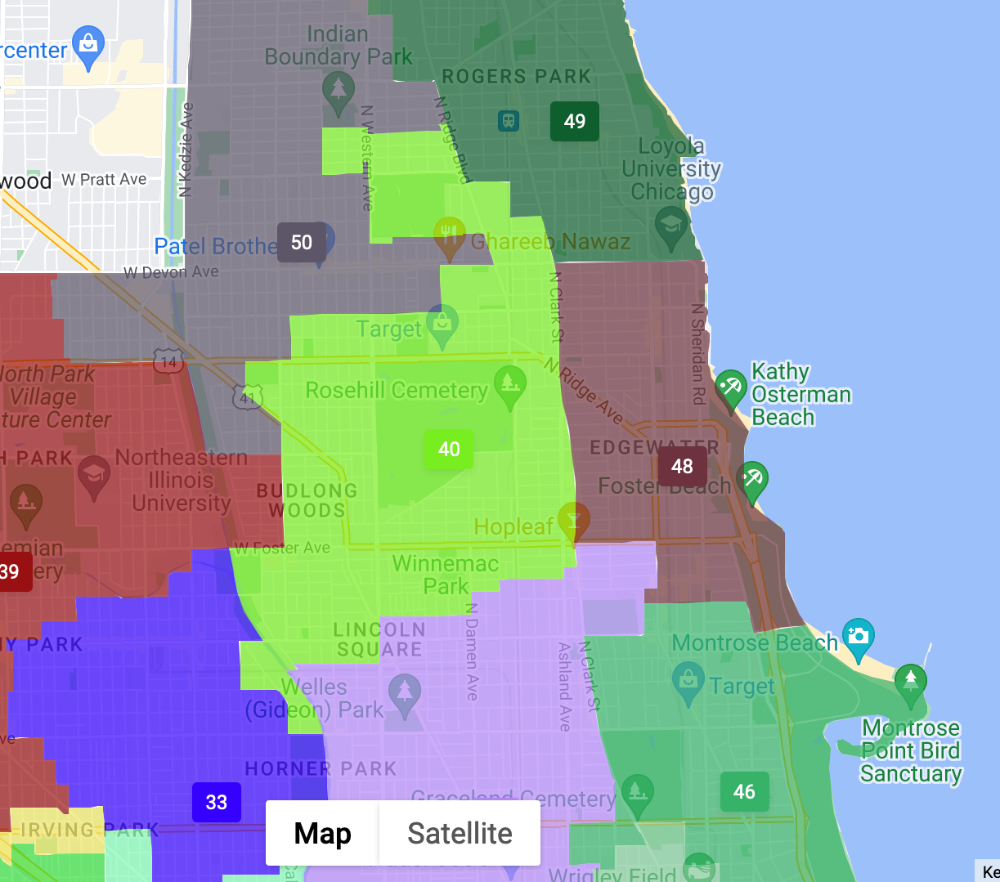
Civic engagement extends beyond formal governmental processes. Many wards have active community organizations, neighborhood associations, and volunteer groups. These groups often work on beautification projects, public safety initiatives, local event planning, and advocacy for specific neighborhood improvements.
- Neighborhood Associations: These groups are often formed around specific geographical areas within a ward and serve as a collective voice for residents on local issues.
- Community Development Corporations (CDCs): These non-profit organizations work to improve the economic and social well-being of specific neighborhoods, often focusing on housing, job creation, and local services.
- Volunteer Opportunities: Look for opportunities to volunteer at local schools, parks, libraries, or community centers. Your involvement can directly contribute to the betterment of your ward and the city as a whole.
By understanding your ward and actively participating in its governance and community life, you become an integral part of the Chicago experience. It transforms you from a mere resident into an informed and engaged stakeholder in the city’s future.
LifeOutOfTheBox is a participant in the Amazon Services LLC Associates Program, an affiliate advertising program designed to provide a means for sites to earn advertising fees by advertising and linking to Amazon.com. Amazon, the Amazon logo, AmazonSupply, and the AmazonSupply logo are trademarks of Amazon.com, Inc. or its affiliates. As an Amazon Associate we earn affiliate commissions from qualifying purchases.