
The title “Fear and Loathing in Las Vegas” conjures images of a frenzied, drug-fueled odyssey through the glittering, yet ultimately hollow, heart of the American Dream. While the seminal work by Hunter S. Thompson and its subsequent film adaptation are often interpreted through a lens of pure hedonism and psychedelic excess, a deeper examination reveals a scathing critique of Las Vegas as a microcosm of broader societal disillusionment and the fading promise of American exceptionalism in the late 1960s. This narrative, far from being a mere travelogue of debauchery, serves as a potent commentary on the state of tourism, the manufactured nature of leisure, and the ultimate emptiness found beneath the dazzling facade of popular destinations.

The Allure and Illusion of the American Playground
Las Vegas in the late 1960s was, and to a significant extent still is, a city built on the premise of escape. It offered a fantastical departure from the mundane, a place where fortunes could be made and lost in an instant, and where the pursuit of pleasure was the primary currency. For the characters in “Fear and Loathing,” this manufactured paradise is the ultimate destination for their absurd quest, ostensibly to cover a motorcycle race but quickly devolving into a hallucinatory exploration of the city’s underbelly.
The Tourist as Subjected Spectacle
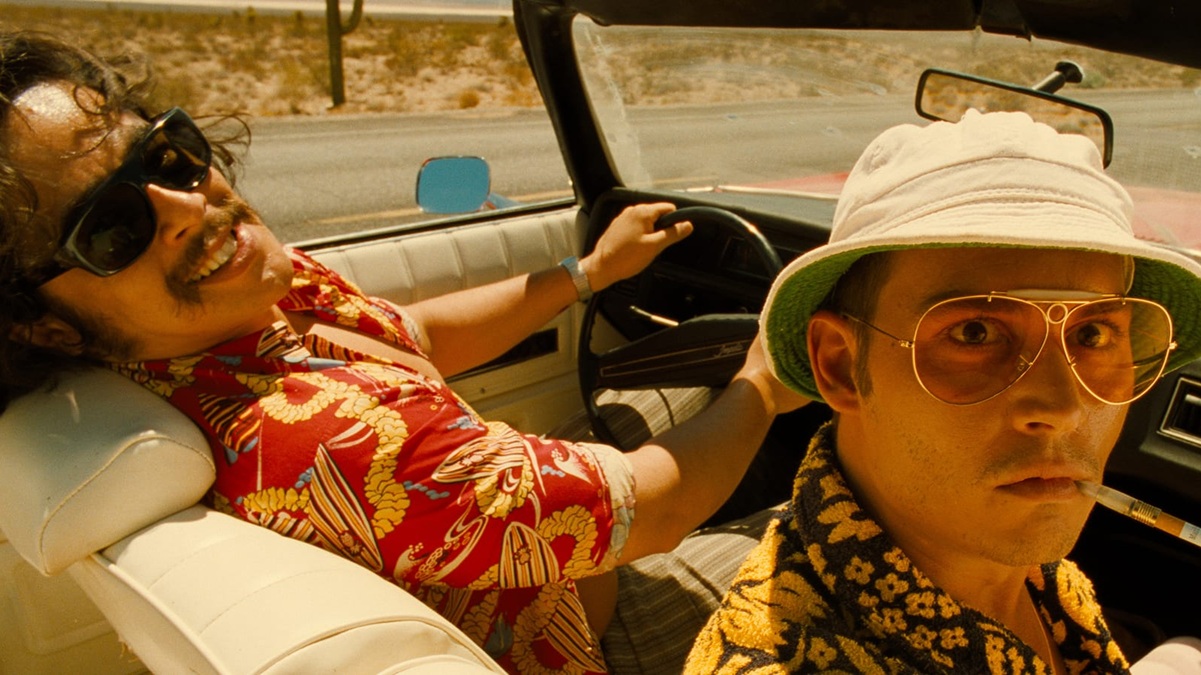
The experience of tourism in Las Vegas as depicted by Thompson is not one of passive enjoyment but of being an active participant in a spectacle designed for consumption. The neon glow, the constant thrum of slot machines, the uniformed staff catering to every whim – it all contributes to an environment designed to overwhelm the senses and distract from reality. The protagonists, Raoul Duke and Dr. Gonzo, are not simply tourists; they are unwilling participants in a surreal performance, their own perceptions distorted by the very environment they are meant to be enjoying.
The narrative highlights the inherent artificiality of such tourist destinations. The meticulously crafted themes, from the pyramids of Luxor (though not explicitly named in the original narrative’s timeframe, the spirit of themed hotels is present) to the exotic allure of the Flamingo, are attempts to transport visitors to a different realm. However, for Thompson, this transport is not an uplifting escape but a descent into a distorted reality, revealing the hollowness of these constructed experiences. The very act of tourism becomes a form of escapism that ultimately leads to a confrontation with the bleak realities it seeks to obscure.
The American Dream Corrupted
The city of Las Vegas itself is presented as a monument to a perverted version of the American Dream. It is a place where ambition, albeit of a questionable nature, is rewarded and where the pursuit of wealth and immediate gratification trumps all else. Thompson uses this setting to dissect the anxieties and disillusionment of a generation witnessing the erosion of traditional values and the rise of consumerism and superficiality. The endless casinos, the lavish hotels, and the constant promise of a big win are all symbols of a society fixated on external validation and ephemeral pleasures.
Deconstructing the Tourist Experience

Beyond the surface-level chaos, “Fear and Loathing in Las Vegas” offers a profound, albeit unsettling, commentary on the nature of tourism and its impact on the individual psyche. The journey through Las Vegas becomes a descent into the darker corners of the human condition, amplified by the city’s unique environment.
The Substance of Illusion
The ubiquitous presence of drugs in the narrative is not merely for shock value; it serves as a powerful metaphor for the artificial means by which tourists, and society at large, attempt to enhance or escape reality. The hallucinogens taken by Duke and Gonzo mirror the illusory promises of Las Vegas itself – a temporary escape that often leads to a more profound and disorienting confrontation with oneself and one’s surroundings. The “fear and loathing” are not just the effects of the drugs but the dawning realization of the emptiness inherent in the pursuit of pleasure without substance.
The Spectacle of Excess
The very fabric of Las Vegas is woven from excess. From the towering hotels like the MGM Grand (a concept present in spirit, if not by name at the time of writing) to the seemingly endless buffets and extravagant shows, the city is designed to bombard visitors with stimuli. Thompson turns this into a critique of a society that equates opulence with happiness and excess with success. The characters’ inability to engage with this spectacle in a conventional way – their inability to enjoy the superficial glamour – reveals the rot beneath the glittering surface. They are so overwhelmed by the manufactured experience that they become lost within it, their initial purpose of covering a sporting event dissolving into a quest for survival amidst a surreal landscape.
The Aftermath: A Tarnished Paradise
The conclusion of “Fear and Loathing in Las Vegas” offers no catharsis or triumphant return. Instead, it leaves the reader with a lingering sense of unease and a profound understanding of the city’s true nature. The idealized image of Las Vegas as a place of pure escapism is shattered, replaced by a stark portrayal of addiction, despair, and the existential dread that can arise from confronting superficiality.
The Broken Promise of Leisure
The story serves as a cautionary tale for the pursuit of leisure and entertainment. The relentless quest for kicks and excitement in Las Vegas ultimately leads not to fulfillment but to alienation and self-destruction. The city, designed to offer a temporary respite from the burdens of life, becomes a trap, its very allure contributing to the downfall of those who succumb to its temptations. The “fear and loathing” are the inevitable consequences of seeking genuine meaning in a place fundamentally devoid of it.
The Legacy of Disillusionment
“Fear and Loathing in Las Vegas” remains a powerful and relevant exploration of the modern tourist experience. It challenges the notion that travel is inherently liberating or enriching, suggesting instead that it can, in certain contexts, expose the flaws and anxieties of both the individual and society. The narrative’s enduring impact lies in its unflinching portrayal of a destination that, while superficially dazzling, can ultimately lead to profound disillusionment. It’s a reminder that beneath the veneer of excitement and luxury, the search for authentic experience in manufactured environments like Las Vegas can be a perilous journey, often revealing more about our own internal landscapes than the external destinations we seek to explore. The city, and the tourism it represents, becomes a symbol of a broader cultural malaise, a frantic attempt to outrun a reality that is increasingly inescapable.
LifeOutOfTheBox is a participant in the Amazon Services LLC Associates Program, an affiliate advertising program designed to provide a means for sites to earn advertising fees by advertising and linking to Amazon.com. Amazon, the Amazon logo, AmazonSupply, and the AmazonSupply logo are trademarks of Amazon.com, Inc. or its affiliates. As an Amazon Associate we earn affiliate commissions from qualifying purchases.