
The iconic track “Hotel California” by the Eagles is more than just a song; it’s a cultural phenomenon, a lyrical labyrinth that has captivated listeners for decades. Released in 1976, its haunting melody and enigmatic lyrics have spawned countless interpretations, cementing its place as one of the most debated and dissected songs in music history. For those with an interest in travel, hotels, and the broader tapestry of human experience, “What Was Hotel California Song About?” offers a fascinating journey into allegory, a critique of lifestyle, and a profound commentary on the allure and potential pitfalls of certain destinations and the pursuit of the American Dream.

At its core, the song presents a narrative of a weary traveler, drawn into a mysterious and luxurious hotel, only to find himself trapped in a gilded cage. While the literal storyline is compelling, the true genius of “Hotel California” lies in its layered symbolism, inviting us to consider the deeper implications for our own travels, accommodations, and the lifestyles we pursue.
The Lure of the Hotel California: A Fictional Destination with Real-World Echoes
The opening lines immediately immerse the listener in a vivid scene: “On a dark desert highway, cool wind in my hair, warm smell of colitas, rising up through the air.” This imagery evokes a sense of journey, of venturing into the unknown, a common theme for any avid traveler. The destination – the “Hotel California” – is initially presented as a beacon of comfort and respite from the long road, a quintessential luxury accommodation. The “lovely woman” at the front desk, the “pink champagne on ice,” and the opulent setting paint a picture of an inviting oasis, something many travelers seek when booking their perfect getaway.
Yet, beneath this veneer of hospitality and indulgence, a sinister undercurrent quickly emerges. The hotel becomes less a place of temporary stay and more a permanent fixture, an alluring trap. This transition from welcoming haven to inescapable prison is where the song truly begins to resonate with themes relevant to tourism and lifestyle choices. It speaks to the potential for enchantment in travel, but also the subtle ways a destination or a particular lifestyle can consume an individual, blurring the lines between vacation and a more permanent, albeit undesired, state of being. The hotel, in this context, serves as a powerful metaphor for any place or pursuit that promises ultimate fulfillment but delivers profound disillusionment.
Decoding the Lyrics: A Journey into Allegory
The lyrics of “Hotel California” are ripe with symbolic imagery that extends beyond a simple story of a traveler. Phrases like “mirrors on the ceiling, the pink champagne on ice” and “we haven’t had that spirit here since 1969” are often interpreted as allusions to hedonism, excess, and the cultural shifts of the late 1960s and early 1970s. The “colitas” has been widely understood as a reference to marijuana, further emphasizing a party-heavy, indulgent atmosphere. These elements paint a picture of a certain lifestyle, one often associated with the pursuit of pleasure and luxury, themes frequently explored within discussions of high-end travel and bespoke experiences.
The character of the “master of the house” who says, “We are all just prisoners here, of our own device,” encapsulates the central allegorical message. It suggests that the trap is not external but internal, born from choices and desires that lead one to a point of no return. This speaks volumes about the human condition and the pursuit of dreams, sometimes to an unhealthy extreme. In a travel context, it might represent the traveler who becomes so enmeshed in a lavish, transient lifestyle that they lose sight of their origins or their true purpose. It’s a cautionary tale about the allure of opulence and the potential for losing oneself amidst the bright lights and endless amenities of an ultra-luxurious destination.
The California Dream and Its Shadows
One of the most widely accepted interpretations connects “Hotel California” to the dark side of the American Dream, specifically as it manifested in California during the 1970s. California has long been seen as a land of opportunity, glamour, and endless possibilities, attracting dreamers from across the globe. This promise of an idyllic lifestyle, often characterized by sunshine, freedom, and success, is the very essence of the California Dream. However, the Eagles, having experienced the music industry’s excesses firsthand in Los Angeles, used the song to critique the moral decay and spiritual emptiness that could accompany this pursuit.
The hotel itself can be seen as a metaphor for the music industry, Hollywood, or even the entire state of California – a place that welcomes you with open arms but then subtly ensnares you in its superficiality and vices. The line “You can check out any time you like, but you can never leave” powerfully illustrates this inescapable nature, suggesting that once one fully immerses themselves in this lifestyle, the mental and emotional ties are impossible to sever. This perspective offers a profound commentary on destination marketing and the reality versus the perception of iconic places. Travelers often seek out destinations like Los Angeles for the “dream,” but the song warns that the dream can sometimes turn into a nightmare, highlighting the importance of understanding the local culture and potential pitfalls of any travel destination.
Beyond the Music: The Hotel as a Metaphor for Life and Travel
While the Eagles themselves have offered various, sometimes conflicting, interpretations over the years (with Don Henley once describing it as “a song about the dark underbelly of the American Dream and about excess in America, which is something we knew a lot about”), the enduring power of “Hotel California” lies in its universality. It transcends its specific context to become a timeless metaphor for choices, consequences, and the human desire for escape and belonging, often found or lost in the places we visit.
The hotel in the song, with its welcoming façade and insidious grip, serves as a powerful symbol for any situation in life where one is lured by comfort, pleasure, or ambition, only to find oneself trapped. This concept is incredibly relevant to how we approach travel and choose our accommodations. Is a grand resort truly offering freedom, or is it merely a well-appointed cage that limits authentic experiences? The song challenges us to look beyond the brochure and consider the deeper implications of where we choose to stay and why.

Luxury, Excess, and the Allure of the Unknown
From a travel perspective, “Hotel California” brilliantly captures the seductive appeal of luxury travel and exclusive resorts. Many travelers actively seek out extravagant accommodations, desiring top-tier amenities, unparalleled service, and an escape from the mundane. The song’s descriptions – the “warm smell of colitas,” the celebratory “pink champagne on ice,” and the “silverware on a satin dress” – evoke a sense of lavishness that is highly desirable. These elements speak to the dreams of indulgence that drive much of the premium tourism market.
However, the song also presents a darker side to this allure. The luxury is not liberating; it’s confining. The excess leads not to satisfaction but to a void. This serves as a cautionary tale for those embarking on journeys solely in pursuit of hedonism. While budget travel often emphasizes authenticity and local immersion, luxury travel can sometimes isolate guests in a bubble of opulence, far removed from the true spirit of a destination. The “Hotel California” teaches us to question what true value lies behind the gilded gates of paradise, and whether the comforts of an all-inclusive experience might come at the cost of genuine connection and freedom. It prompts travelers to consider the long-term impact of their lifestyle choices, even temporary ones made during a vacation.
The Traveler’s Dilemma: Finding and Escaping the Perfect Trap
The most chilling line in the song, “You can check out any time you like, but you can never leave,” resonates deeply with the psychology of travel and accommodation. It perfectly articulates the traveler’s dilemma: the initial freedom of choice that leads to a destination, followed by the potential for unexpected entanglement. This isn’t just about a literal hotel; it’s about any experience that holds one captive, whether through habit, addiction, or sheer psychological inertia.
For those who explore different cultures and destinations, this metaphor holds weight. Have you ever felt so at home in a vibrant city or a tranquil resort that the thought of leaving feels like a wrench? Or conversely, have you ever encountered a travel experience that, despite its initial appeal, turned out to be far more restrictive or disappointing than anticipated? The song captures that sensation of being caught between the desire for novelty and the pull of the familiar, or worse, the unexpected realization that what seemed like a temporary escape has become a permanent state. It highlights the importance of making conscious choices, understanding the implications of where we go and what we do, and always retaining the capacity for self-reflection and, ultimately, departure. This theme is universal, applicable to a short-term booking or even a long-term stay abroad.
Hotel California’s Lasting Impact on Culture and Perception of Travel
The enduring mystique of “Hotel California” has cemented its place not just in music history but also in the broader cultural consciousness, influencing how we perceive luxury, travel, and even iconic landmarks. The song’s vivid imagery and narrative power have transcended the realm of music, becoming a reference point in discussions about idealism, disillusionment, and the darker side of seemingly perfect destinations.
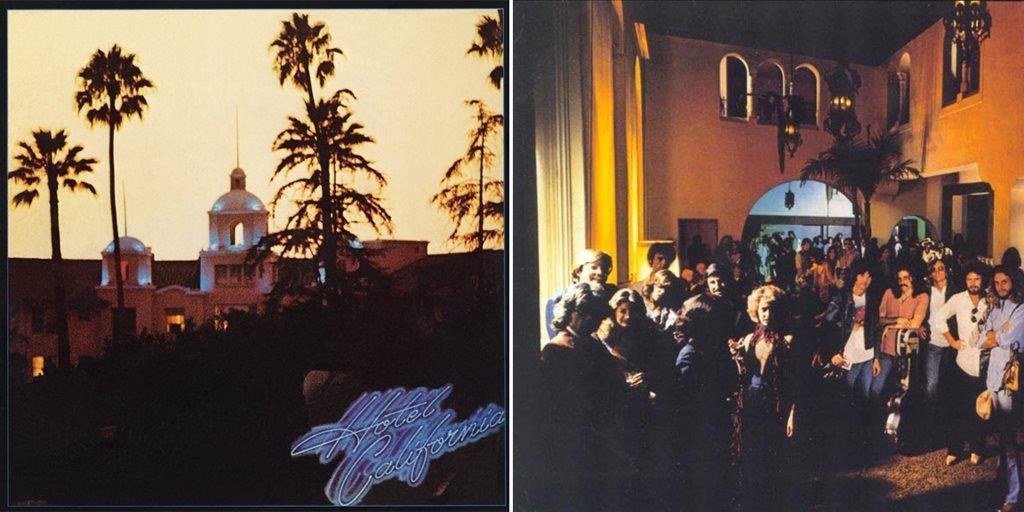
The influence of the song extends to popular culture, inspiring filmmakers, writers, and even architects. The concept of a grand, opulent, yet sinister hotel is a recurring trope in literature and cinema, and “Hotel California” undoubtedly helped popularize this archetype. While the specific hotel in the song is fictional, many have tried to identify its real-life counterpart. The cover art for the album famously features the Beverly Hills Hotel on Sunset Boulevard in Los Angeles, a landmark renowned for its luxury and association with Hollywood glamour, further blurring the lines between fiction and reality and adding another layer of intrigue for fans and travelers alike.
Iconic Settings and Cinematic Inspiration
The powerful imagery embedded in “Hotel California’s” lyrics evokes a sense of place that resonates deeply with travelers and those interested in destination aesthetics. The description of a sprawling, decadent hotel with enigmatic staff and never-ending parties has created an archetype that has been replicated and referenced countless times. Think of grand, historic hotels that whisper tales of bygone eras, or ultra-modern resorts that promise every conceivable amenity—each can evoke a fragment of the “Hotel California” mystique.
This influence is not limited to real-world hotels. The song’s narrative structure and atmospheric details have inspired countless cinematic depictions of mysterious lodgings, from the luxurious yet unsettling hotels in thrillers to the otherworldly inns of fantasy. It has contributed to the romanticized, yet often cautionary, view of certain types of accommodations: those places that are more than just a place to sleep, but rather a character in themselves, holding secrets and stories within their walls. This makes the song an interesting case study for how cultural narratives can shape our perceptions of hotels as landmarks and destinations.
Interpreting the Experience: From Los Angeles to Global Destinations
Ultimately, the ambiguity of “Hotel California” is its greatest strength. It allows listeners from diverse backgrounds and experiences to project their own understanding onto its narrative. For someone contemplating a move to a bustling city like Los Angeles, the song might serve as a warning about the glittering facade of opportunity. For a traveler exploring exotic destinations, it could be a reminder to stay grounded and aware of the subtle ways a place can exert its influence. And for anyone reflecting on their lifestyle choices, it might prompt questions about true freedom versus perceived luxury.
The song’s universal themes of allure, confinement, and the search for meaning in places both grand and intimate continue to resonate. Whether understood as a critique of Southern California hedonism, a broader commentary on the pitfalls of the American Dream, or a simple ghost story, “Hotel California” remains a powerful piece of art. It encourages us to look beyond the surface of destinations, accommodations, and lifestyles, inviting a deeper contemplation of what we seek when we travel and the true cost of paradise. The allure of checking in, the dread of being unable to leave—these are experiences that, in metaphorical terms, confront every traveler and every human being on their own unique journey. The song serves as an enduring landmark in popular culture, reminding us that some journeys, and some hotels, leave an indelible mark long after we’ve checked out.
LifeOutOfTheBox is a participant in the Amazon Services LLC Associates Program, an affiliate advertising program designed to provide a means for sites to earn advertising fees by advertising and linking to Amazon.com. Amazon, the Amazon logo, AmazonSupply, and the AmazonSupply logo are trademarks of Amazon.com, Inc. or its affiliates. As an Amazon Associate we earn affiliate commissions from qualifying purchases.