

For travelers planning a visit to [California], understanding this pivotal moment offers a deeper appreciation for the state’s pioneering spirit, its architectural heritage, and the ongoing efforts in seismic safety. Beyond the historical narrative, the story of this massive quake weaves into the very fabric of [California]’s identity, influencing everything from urban planning to the design of its most iconic [landmarks].
The Tremor That Shook a State (and the World)
The dawn of April 18, 1906, brought not a gentle sunrise but an earth-shattering roar to [San Francisco] and much of northern [California]. What ensued was a geological event of monumental proportions, widely regarded as the most significant earthquake in [California]’s recorded history. Its impact was felt from southern [Oregon] to southern [Los Angeles], and inland as far as central [Nevada], forever altering the trajectory of the Golden State.
Unveiling the [1906 San Francisco Earthquake]: Magnitude and Mechanism
At approximately 5:12 AM, the ground began to tremble violently. The main shock, a mere 20 to 25 seconds of intense shaking, was followed by a series of powerful aftershocks. Seismologists estimate the moment magnitude (Mw) of the [1906 San Francisco Earthquake] to be around 7.9, making it one of the most powerful earthquakes ever recorded on the [North American] continent. This colossal tremor originated from a rupture along the northern section of the [San Andreas Fault], a major right-lateral strike-slip fault that marks the boundary between the [Pacific Plate] and the [North American Plate].
The rupture extended for an astonishing 296 miles (477 kilometers) from [San Juan Bautista] in the south to [Cape Mendocino] in the north, with horizontal displacements ranging from 8 to 21 feet (2.4 to 6.4 meters). Imagine the sheer force required to move such a massive segment of the Earth’s crust! The earthquake’s epicenter was located just off the coast of [San Francisco], but its effects were far-reaching, transforming geological landscapes and urban centers alike. The earthquake itself caused immense structural damage, toppling buildings, collapsing bridges, and twisting railroad tracks. Brick buildings, in particular, fared poorly, while structures built with more flexible wood frames often withstood the initial shaking better. The ground liquefied in many areas, particularly in parts of [San Francisco] built on reclaimed land, leading to further devastation as buildings sank and toppled.
This event provided invaluable data for the nascent field of seismology. Scientists like [Andrew C. Lawson] of the [University of California, Berkeley], who led the State Earthquake Investigation Commission, meticulously documented the effects. Their work advanced the understanding of fault lines and earthquake mechanics, laying the groundwork for modern seismic science and engineering. For those interested in geological wonders and the raw power of nature, understanding the mechanics of the [San Andreas Fault] offers a fascinating perspective on [California]’s dynamic landscape. Travel guides often highlight areas where visitors can observe the fault line, such as at [Carrizo Plain National Monument] or through interpretive centers in [Palms Springs Aerial Tramway] and [Anza-Borrego Desert State Park], turning a historical disaster into an educational travel experience.
A City Ablaze: The Unforeseen Aftermath
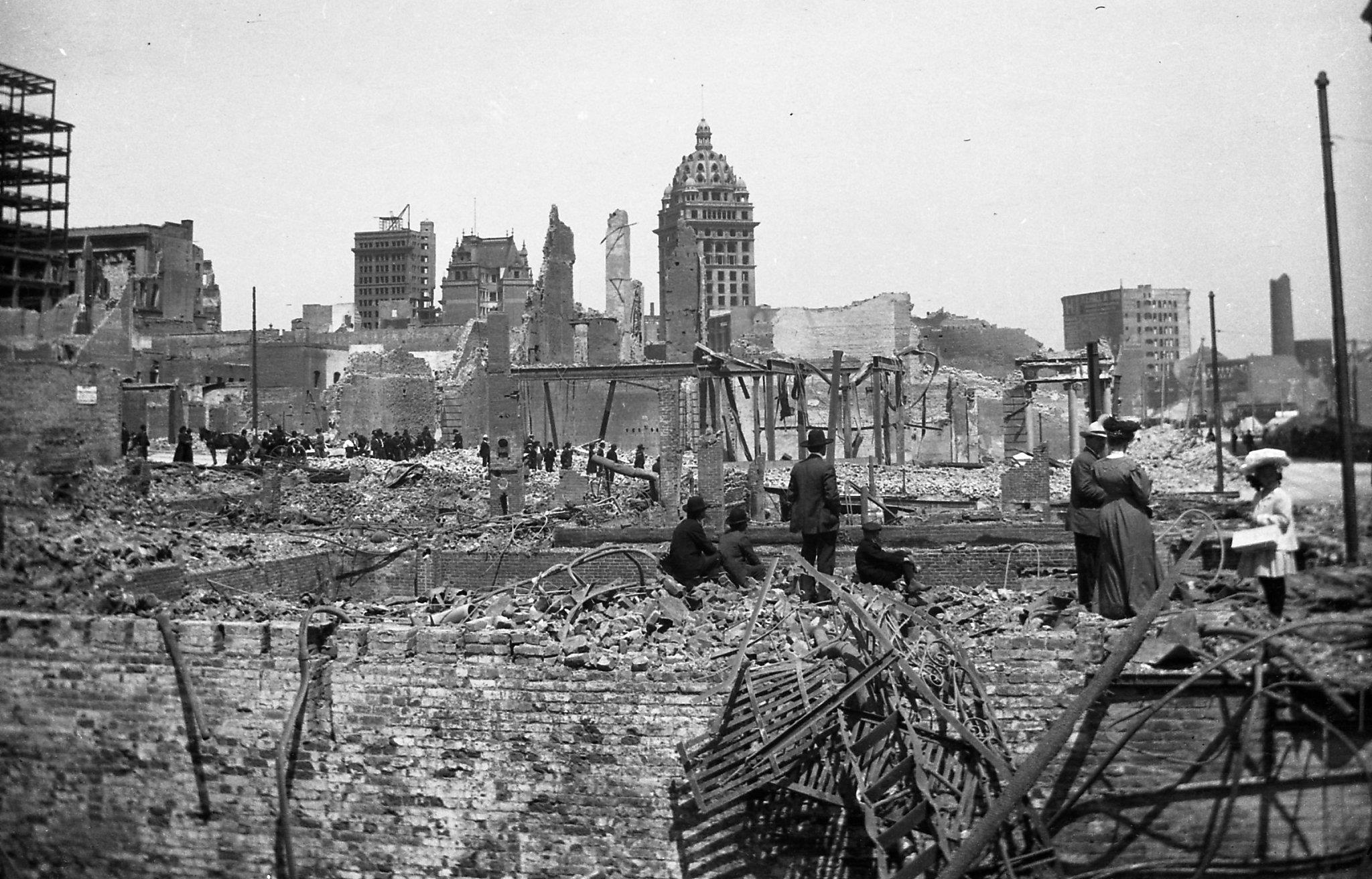
While the initial seismic shock was devastating, it was the subsequent fires that truly sealed the fate of [San Francisco]. Broken gas lines, overturned stoves, and damaged electrical wires ignited hundreds of fires across the city. The city’s water mains, also fractured by the quake, rendered firefighters largely helpless. What followed was an inferno that raged for three days and nights, consuming more than 25,000 buildings across 4.7 square miles (12 square kilometers). Iconic districts such as the financial hub around [Market Street], the vibrant heart of [Chinatown], and the stately mansions of [Nob Hill] were reduced to smoldering ruins.
The scene was apocalyptic. Residents, many clad only in their nightclothes, fled their homes, carrying whatever possessions they could salvage. Military personnel were deployed to maintain order, provide aid, and even set controlled dynamited firebreaks, though often with limited success. The loss of life was immense, with initial estimates of around 700-800 fatalities later revised upwards to over 3,000, making it one of the deadliest natural disasters in U.S. history. Over half of [San Francisco]’s population, approximately 225,000 people, were left homeless, seeking refuge in makeshift camps in [Golden Gate Park] and the [Presidio of San Francisco]. The fires, more than the shaking, transformed a thriving metropolis into a charred wasteland, a stark reminder of nature’s formidable power and the unforeseen ripple effects of such cataclysms.
The sheer scale of destruction was almost unfathomable. Hotels like the grand [Palace Hotel], a marvel of its time, were gutted by fire, as was the magnificent [City Hall], barely a decade old. The [Ferry Building], a crucial transportation hub and architectural gem, notably survived the fire due to its steel frame and strategic location, becoming a symbol of hope amidst the devastation. Today, visitors to [San Francisco] can still observe the resilience reflected in its rebuilt [Chinatown] or the restored grandeur of buildings like the [Fairmont San Francisco] on [Nob Hill], which, though damaged, was one of the first major hotels to reopen, demonstrating the city’s determination to rebuild.
Rebuilding from the Rubble: A Testament to Resilience
In the wake of such widespread destruction, the spirit of [California] shone brightly. The decision to rebuild, rather than abandon the city, was swift and unanimous. This monumental task not only restored [San Francisco] but also propelled it into an era of innovation and growth, setting new standards for urban planning and seismic engineering.
Architecture of Hope: Reshaping [San Francisco]’s Skyline
The rebuilding of [San Francisco] was an extraordinary undertaking, often dubbed the “Phoenix rising from the ashes.” Within a decade, the city had largely recovered, its streets bustling and its economy thriving once more. This period of reconstruction offered an unparalleled opportunity to rethink urban design. While initial ambitious plans by architect [Daniel Burnham] for grand boulevards and radial streets were largely set aside due to property disputes and the urgent need for rapid recovery, the city did implement significant improvements.
New building codes were introduced, emphasizing steel-frame construction and reinforced concrete, materials that had proven more resilient during the earthquake. This shift in architectural style contributed to the distinctive look of early 20th-century [San Francisco], visible today in many of its downtown buildings. Iconic structures like the [Ferry Building] were restored to their former glory, and entirely new landmarks emerged, embodying the city’s tenacious spirit. Even the reconstructed [City Hall], completed in 1915, was built with an even grander dome than its predecessor, a powerful symbol of defiance and enduring civic pride.
For today’s travelers, exploring [San Francisco] offers a living history lesson. Walking tours often highlight buildings that survived the quake and fire, or those that rose from the ashes, showcasing the architectural evolution spurred by the disaster. From the vibrant energy of [Union Square] to the historic charm of the [Presidio of San Francisco], the city tells a story of constant renewal. Many luxury hotels and boutique accommodations in [San Francisco] now boast state-of-the-art seismic engineering, providing both comfort and peace of mind to guests, a direct legacy of the 1906 experience.
A Legacy of Innovation: Seismic Safety and Modern [California]
The [1906 San Francisco Earthquake] was a harsh but invaluable teacher. It forced [California] to confront its geological reality and become a global leader in seismic safety. The lessons learned from the disaster spurred decades of research into earthquake-resistant construction, early warning systems, and comprehensive emergency preparedness. Institutions like [Stanford University] and the [University of California, Berkeley] became hubs for seismological research and engineering innovation.
Today, [California]’s building codes are among the strictest in the world. New constructions, particularly high-rises and critical infrastructure like the [Golden Gate Bridge], incorporate advanced seismic dampening technologies, base isolators, and flexible designs engineered to withstand significant tremors. Retrofitting existing structures is an ongoing effort, ensuring that historical buildings and residential homes meet contemporary safety standards. This continuous commitment to safety ensures that [California] remains a desirable destination for travelers and residents alike, even in the face of its seismic activity.
For those interested in the confluence of nature and human ingenuity, a visit to [California] provides a unique perspective. Exploring museums like the [California Academy of Sciences] in [Golden Gate Park] or the [Exploratorium], which often feature exhibits on earthquakes and the [San Andreas Fault], can deepen one’s appreciation for these advancements. Understanding the science behind earthquake preparedness not only enriches the travel experience but also offers insight into the “lifestyle” of living in a geologically active region – a blend of innovation, awareness, and resilience.
Experiencing [California]’s Geological Story: Travel and Tourism Insights
The biggest earthquake in [California]’s history is more than just a historical footnote; it’s an integral part of the state’s identity, offering unique travel opportunities for those interested in history, geology, and human resilience. Integrating this knowledge into a travel itinerary provides a richer, more meaningful experience of [California].
Historical Sites and Memorials: Walking Through History
While the physical scars of the 1906 disaster have largely faded, replaced by new growth and modern architecture, several sites serve as poignant reminders of the event. In [San Francisco], a good starting point is the [San Francisco Earthquake and Fire Memorial], located in [Lakeview Cemetery]. This memorial pays tribute to the victims and offers a quiet space for reflection. Walking through the rebuilt districts, one can marvel at the determination that characterized the post-quake era. Specific historical plaques around the city mark key events or areas of significant destruction, allowing visitors to visualize the past amidst the bustling present.
Visiting landmarks such as the fully restored [Ferry Building], now a vibrant marketplace, or the majestic [City Hall], showcases the architectural triumphs born from the ashes. Even a stroll through [Chinatown], which was meticulously rebuilt and continues to thrive as one of the oldest and most vibrant [Chinatowns] in [North America], tells a story of cultural persistence and community spirit. These historical insights transform a simple sightseeing trip into an immersive journey through time, allowing travelers to connect with the deep resilience embedded in [California]’s local culture and history.
The [San Andreas Fault]: A Natural Wonder and a Reminder
For those fascinated by geology and the powerful forces that shape our planet, the [San Andreas Fault] itself is a compelling destination. This visible scar on the Earth’s surface stretches for over 800 miles through [California], and several locations offer excellent opportunities to learn about and even walk along the fault line.
- [Carrizo Plain National Monument]: Located in central [California], this vast, undeveloped expanse offers some of the most dramatic and clearly visible surface expressions of the [San Andreas Fault]. Visitors can see the linear ridge and valley features that mark the fault’s path, providing a tangible sense of its immense scale. It’s a fantastic destination for nature lovers and geology enthusiasts, offering a unique “back to nature” travel experience.
- [Anza-Borrego Desert State Park]: In southern [California], the [San Andreas Fault] system manifests in various ways, with numerous associated fault lines. Interpretive displays and hiking trails in areas like this park offer insights into the region’s complex geology and the seismic activity that shapes its dramatic desert landscapes.
- [Palms Springs Aerial Tramway]: While not directly on the [San Andreas Fault], the area surrounding [Palm Springs] offers insights into the wider Southern [California] fault system. The tramway itself provides breathtaking views of the [Coachella Valley], a landscape heavily influenced by tectonic forces. Educational centers and local tours often delve into the geology of the region.
These sites provide more than just geological education; they offer stunning natural beauty and unique experiences, making them ideal for adventure tourism or educational family trips.
Modern Travel in [California]: Safety and Serenity
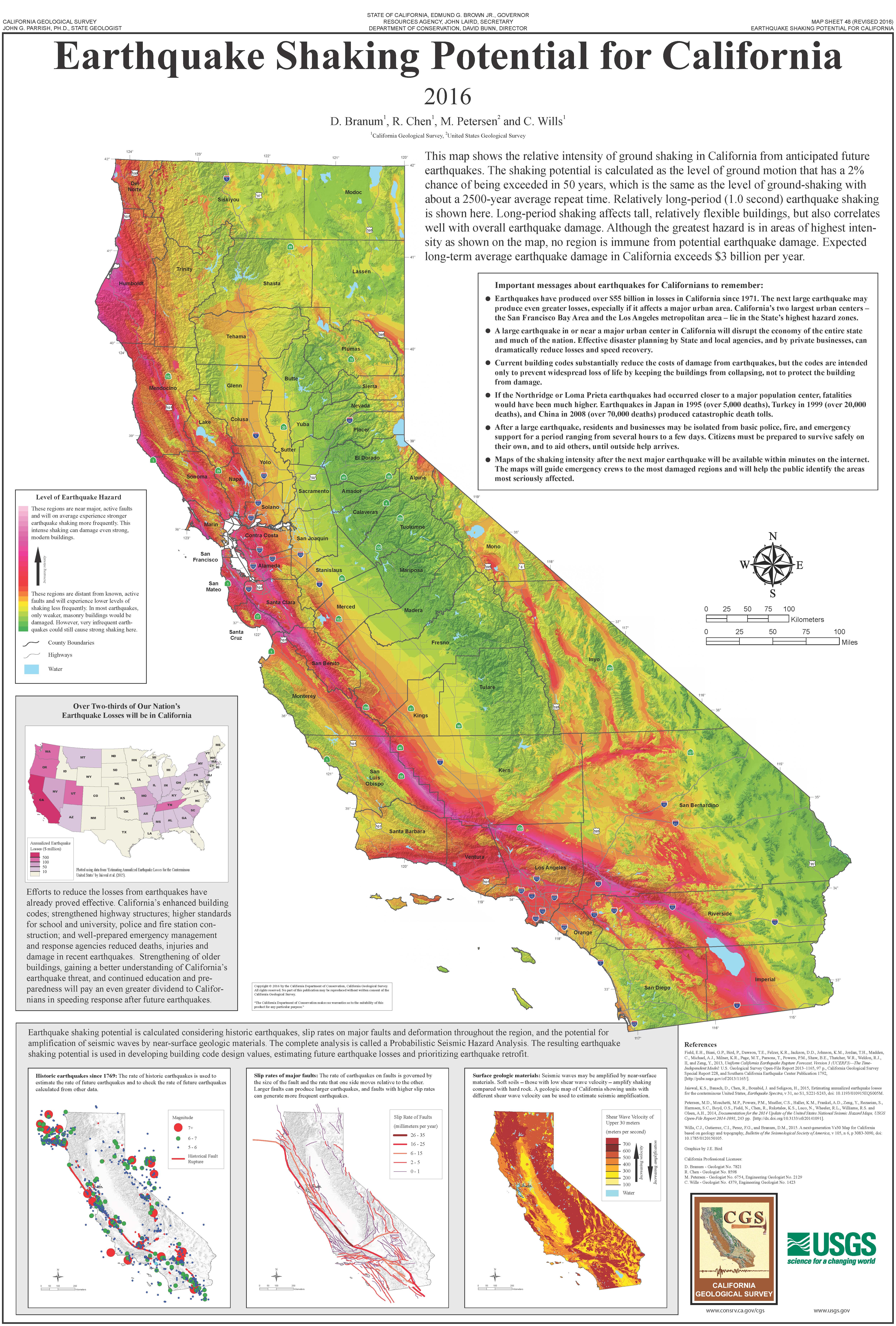
Despite its seismic activity, modern [California] is an incredibly safe and welcoming destination for travelers. The lessons of the [1906 San Francisco Earthquake] have been integrated into every aspect of the state’s infrastructure and emergency planning. Hotels, from luxury resorts to budget-friendly accommodations, adhere to stringent building codes designed to protect guests. Attractions, theme parks, and major landmarks are regularly inspected and maintained to the highest safety standards.
Travelers can visit [California] with confidence, knowing that the state has invested decades into understanding and mitigating earthquake risks. Emergency services are highly trained and prepared, and public awareness campaigns ensure that residents and visitors alike know how to respond in the unlikely event of a significant earthquake. This commitment to safety allows visitors to fully immerse themselves in [California]’s diverse offerings – from exploring the historical streets of [San Francisco], hiking the rugged trails near the [San Andreas Fault], or enjoying the vibrant culture of [Los Angeles] – without undue concern.
In conclusion, the question of [California]’s biggest earthquake points directly to the [1906 San Francisco Earthquake], a monumental event that shaped not only the physical landscape but also the very character of the state. Its legacy is one of loss, but more importantly, of unparalleled resilience, innovation, and an enduring commitment to safety. For the discerning traveler, this historical context adds a profound layer of depth to any [California] journey, transforming a vacation into an enlightening exploration of human spirit, natural power, and a state’s unwavering determination to build a vibrant future.
LifeOutOfTheBox is a participant in the Amazon Services LLC Associates Program, an affiliate advertising program designed to provide a means for sites to earn advertising fees by advertising and linking to Amazon.com. Amazon, the Amazon logo, AmazonSupply, and the AmazonSupply logo are trademarks of Amazon.com, Inc. or its affiliates. As an Amazon Associate we earn affiliate commissions from qualifying purchases.