
The vast expanse of Texas, a land renowned for its diverse landscapes, rich history, and vibrant culture, consistently draws millions of travelers seeking unforgettable experiences. From the bustling metropolises of Houston and Dallas to the historic charm of San Antonio and the musical heart of Austin, the Lone Star State offers an eclectic mix of attractions for every kind of visitor. However, beneath the veneer of its inviting tourism landscape lies a robust public safety infrastructure designed to protect its residents and guests. One such critical component of this infrastructure is the Blue Alert system, a specialized notification mechanism that, while infrequent, plays a vital role in community safety, especially concerning law enforcement.
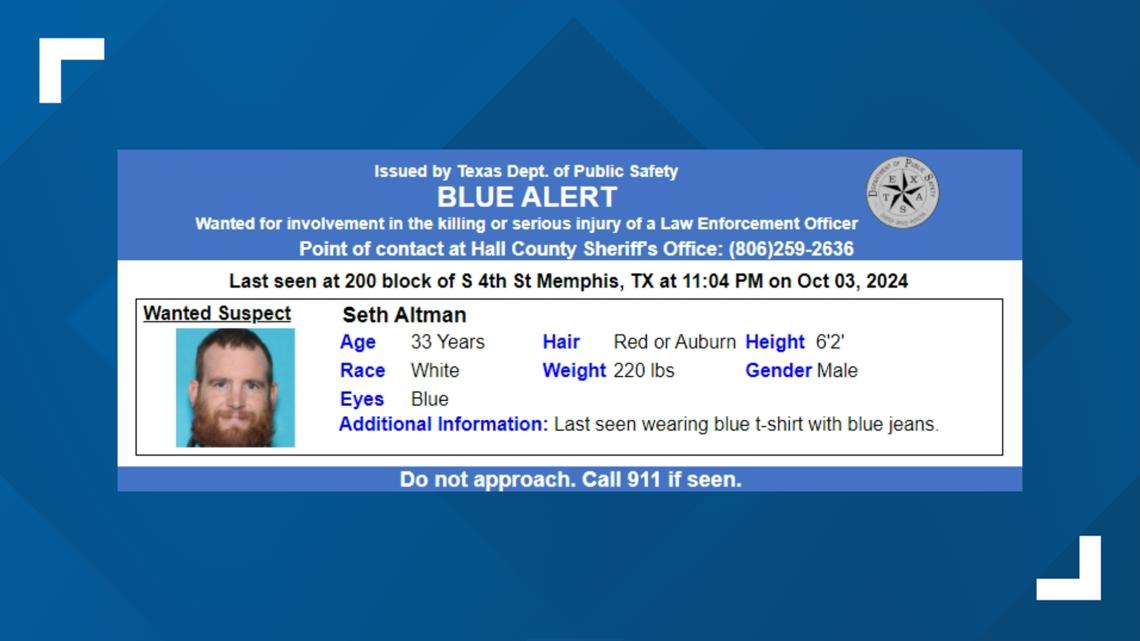
For travelers, understanding local alert systems is crucial for a seamless and secure journey, even if they never encounter one directly. The Blue Alert in Texas is distinct from other emergency notifications like the AMBER Alert for abducted children or the Silver Alert for missing seniors. It serves a very specific purpose: to disseminate information rapidly when a law enforcement officer has been killed or seriously injured, and the suspect is at large. While the occurrence of a Blue Alert is rare, its activation signals a serious public safety concern that requires immediate public awareness and, in some cases, action. This article delves into the specifics of the Texas Blue Alert, its operational mechanics, and its broader implications for those exploring the state, ensuring that visitors can travel with both enthusiasm and a sense of informed preparedness.
Understanding the Blue Alert System
To truly grasp the significance of a Blue Alert, one must first understand its origins, its stringent activation criteria, and the methods by which the public is informed. This system isn’t just a random alarm; it’s a carefully crafted response designed to aid law enforcement in critical situations, protecting both officers and the communities they serve.
Origins and Purpose
The concept of a Blue Alert emerged from a growing national recognition of the unique dangers faced by law enforcement officers and the need for public assistance in apprehending those who commit violence against them. In Texas, the Blue Alert program was established to provide an efficient and coordinated response following an incident where a law enforcement officer is killed or seriously injured by a suspect who then flees the scene. The primary purpose is twofold: first, to quickly apprehend dangerous suspects who pose an immediate threat to public safety; and second, to honor and support the dedicated men and women of law enforcement.
The system draws parallels with other successful public notification programs but focuses specifically on incidents involving officers. By leveraging the power of public vigilance, the Texas Blue Alert system aims to shorten the timeframe during which a dangerous individual might remain at large, thereby reducing potential further harm. It underscores the community’s role in public safety, transforming ordinary citizens into potential eyes and ears for law enforcement during a crisis. This proactive approach reflects Texas’s commitment to supporting its police force and ensuring a secure environment for all.
Activation Criteria
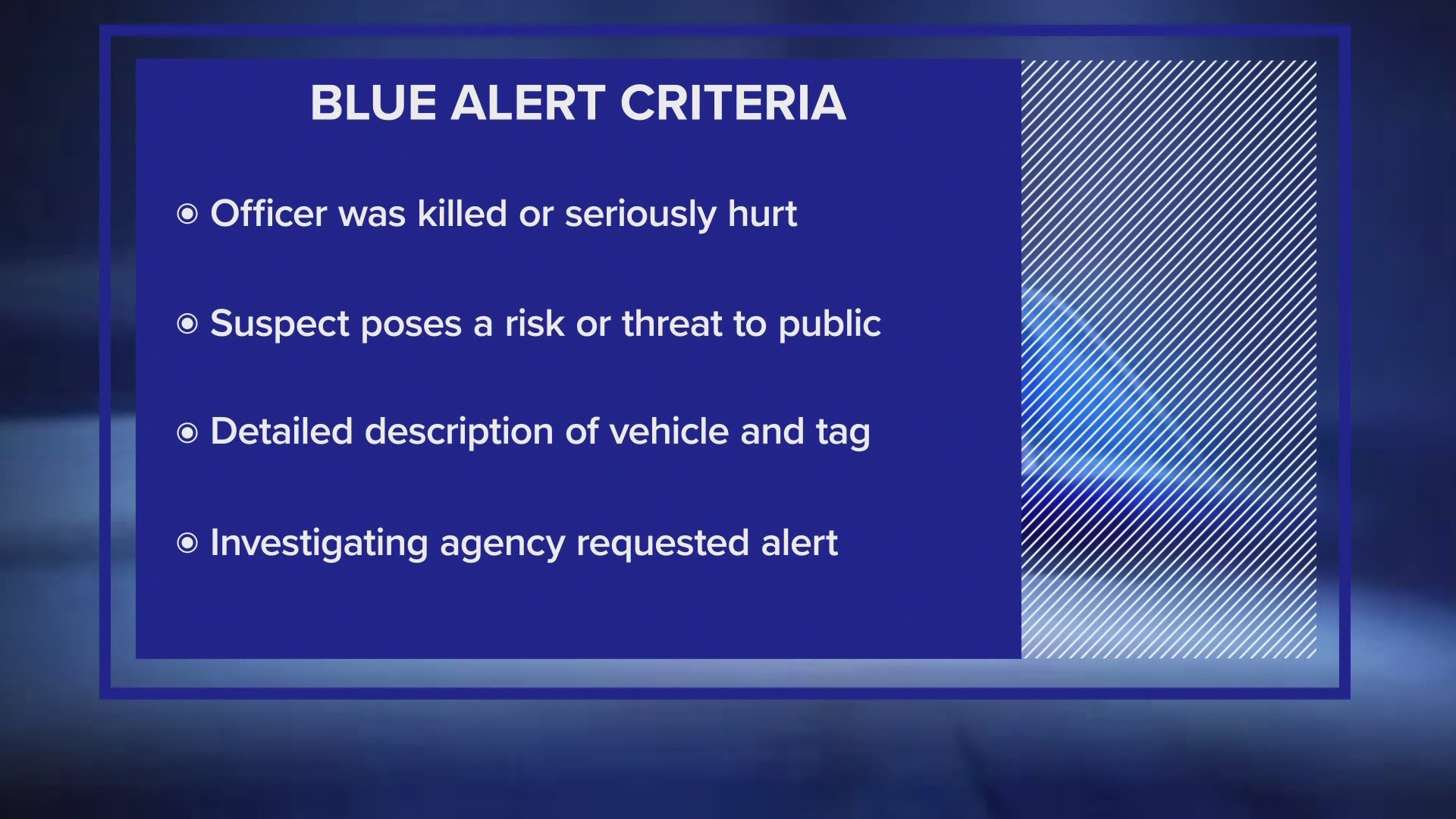
Unlike general emergency alerts, a Blue Alert in Texas is not activated lightly. It requires a specific set of circumstances to be met, ensuring that the alert system is used only when absolutely necessary and most effective. The rigorous criteria typically include:
- Law Enforcement Officer Fatality or Serious Injury: The incident must involve a commissioned law enforcement officer who has been killed or seriously injured. This explicitly defines the scope of the alert, differentiating it from other criminal investigations.
- Suspect Poses a Significant Threat: There must be probable cause to believe that the suspect has committed the felony offense, and the individual poses an imminent and credible threat to the public or other law enforcement personnel.
- Sufficient Descriptive Information: Law enforcement must possess enough descriptive information about the suspect, their vehicle, or their last known direction of travel to make a public alert meaningful and actionable. Vague information would render the alert ineffective.
- Timeliness: The incident must have occurred recently enough that an immediate public alert could still aid in the apprehension of the suspect. While there isn’t a strict time limit, the effectiveness decreases significantly with prolonged delays.
- Agency Request: A local law enforcement agency must formally request the activation of a Blue Alert, which is then reviewed and approved by the Texas Department of Public Safety, the statewide coordinating agency for such alerts.
These strict guidelines prevent over-issuance and ensure that when a Blue Alert is disseminated, the public understands its gravity and urgency. It’s not just a procedural step, but a critical tool used in moments of extreme need.
How the Public is Notified
When a Blue Alert is activated in Texas, the information is disseminated through multiple channels to reach the widest possible audience quickly. The notification methods are designed to be pervasive, ensuring that both residents and visitors receive the critical details. These methods include:
- Emergency Alert System (EAS): Broadcasts across television and radio stations are interrupted to deliver the alert message, much like weather warnings from the National Weather Service.
- Wireless Emergency Alerts (WEA): Mobile phones within a targeted geographical area receive text-like messages, often accompanied by a distinct, attention-grabbing sound. This is particularly effective for reaching travelers who might not be tuned into local media.
- Dynamic Message Signs: Electronic highway signs along major arteries, such as I-35 or I-45, display critical information about the suspect or vehicle, alerting drivers in real-time. This is invaluable for intercepting fleeing suspects.
- Social Media and News Outlets: Law enforcement agencies, local news stations, and state organizations utilize their social media platforms (e.g., Twitter, Facebook) and websites to share the alert details.
- Nixle and other opt-in services: Many communities use services like Nixle to send text and email alerts to subscribers, providing another layer of direct communication.
The multi-faceted approach ensures that irrespective of whether someone is watching TV, listening to the radio, driving, or simply checking their phone, they are likely to receive the alert. For tourists, this means that even if they are unfamiliar with the local news landscape, their mobile devices will provide immediate notification, underscoring the importance of keeping one’s phone charged and accessible.
The Impact on Travel and Tourism in Texas
While public safety is paramount, it’s natural for travelers to wonder how such an alert system might impact their vacation plans or overall experience. Texas’s vibrant tourism sector, from its world-class hotels to its iconic landmarks, strives to offer an uninterrupted and enjoyable experience. The Blue Alert system, though critical, is designed to minimize disruption while maximizing safety.
Ensuring Visitor Safety
The very essence of a Blue Alert is to enhance public safety, and this extends directly to visitors exploring Texas. By quickly identifying and locating a dangerous individual, the system actively works to mitigate threats that could impact anyone, including tourists. For instance, if an incident were to occur near a popular tourist destination like The Alamo in San Antonio or Space Center Houston, a Blue Alert would promptly inform visitors to exercise heightened caution, be aware of their surroundings, and report any suspicious activity.
Hotels and other accommodation providers often play a crucial role during such alerts. Many establishments have protocols in place to receive and disseminate critical information to their guests, whether through direct communication, lobby signage, or advising guests to monitor local news. For example, a resort in South Padre Island or a boutique hotel in the Gruene Historic District would be proactive in ensuring their guests are aware of any local advisories, helping maintain a sense of security even during extraordinary circumstances. The presence of such a robust alert system, though used sparingly, actually contributes to the overall feeling of safety for travelers, knowing that official channels are in place to address serious threats quickly and efficiently.
Navigating Destinations During an Alert
When a Blue Alert is active, the impact on specific destinations can vary depending on the nature of the incident and the suspected location of the individual. In most cases, unless directed otherwise by law enforcement, major tourist attractions, restaurants, and shopping areas remain open. The alert is primarily for public awareness and vigilance, not necessarily for immediate lockdown unless the threat is localized and highly specific.
For travelers driving through Texas, particularly along major interstate corridors like I-10, the dynamic message signs would provide critical vehicle descriptions, which might prompt travelers to be more observant. However, general travel routes and access to landmarks like Big Bend National Park or the Dallas Arts District are typically unaffected. It is always prudent for travelers to follow any specific instructions given by local authorities, which might include avoiding certain areas if the search is highly concentrated. Flexibility in travel plans and a willingness to adapt are beneficial, though significant disruptions due to a statewide Blue Alert are uncommon. The goal is information sharing for safety, not widespread panic or shutdown.
Accommodation Providers and Guest Information
The hospitality sector in Texas is highly attuned to guest safety and satisfaction. During a Blue Alert, hotels, motels, and other accommodation providers, from luxury suites in Houston to charming villas in the Hill Country, play a proactive role in keeping guests informed. Staff members are often briefed on how to respond to such alerts, which may include:
- Monitoring Official Channels: Keeping up-to-date with information from the Texas Department of Public Safety and local law enforcement.
- Guest Communication: Informing guests discreetly and calmly about the alert, providing relevant details about the suspect if available, and advising caution. This could be done at check-in, through in-room notices, or direct messaging if the hotel has a communication app.
- Security Adjustments: While not typically necessitating a lockdown, hotels might increase vigilance, encourage guests to ensure doors are locked, and be more observant of individuals entering and exiting the property.
- Resource Provision: Directing guests to reliable sources for real-time updates, such as local news websites or official government alert pages.
The discreet yet effective handling of information by accommodation providers helps ensure that guests feel secure without unduly alarming them. It’s a testament to the seamless integration of public safety protocols into the broader tourism experience in Texas.
A Traveler’s Guide to Staying Informed and Safe
For any journey, especially in an unfamiliar region, being informed is your best defense. While Blue Alerts are specific and rare, knowing how to access reliable information and what precautions to take can enhance your travel experience across the vast and varied landscape of Texas.
Resources for Real-time Updates
Staying abreast of local conditions, whether related to weather, traffic, or public safety alerts, is simple thanks to modern technology. For travelers in Texas, several resources provide real-time updates:
- Official Government Websites: The Texas Department of Public Safety website is the authoritative source for Blue Alert information. Bookmark it or know how to quickly navigate to it.
- Local News Channels: Tune into local television and radio stations. Major cities like Austin, Dallas, and Houston have robust local media that provide immediate and detailed coverage of any public safety incidents.
- Wireless Emergency Alerts (WEA): Ensure your mobile phone is set to receive WEA messages. These alerts are location-based and will automatically inform you of any active Blue Alerts in your vicinity.
- Nixle and Other Opt-in Services: Consider signing up for local alert services like Nixle for the specific city or county you plan to visit. These often send text or email notifications for various public safety concerns.
- Social Media: Follow official accounts of the Texas Department of Public Safety and local police departments on platforms like Twitter for rapid updates.
By utilizing these resources, travelers can receive timely, accurate information, enabling them to make informed decisions about their activities and movements.
Best Practices for Visitors
Beyond merely staying informed, proactive measures can significantly contribute to your safety and peace of mind during your travels in Texas or anywhere else.
- Be Aware of Your Surroundings: This is a fundamental safety tip for any traveler. Pay attention to people, vehicles, and activities around you, especially in crowded areas like the Riverwalk in San Antonio or during events like the State Fair of Texas.
- Report Suspicious Activity: If you see something that matches a Blue Alert description, or any activity that seems out of place or dangerous, do not hesitate to contact local law enforcement. Do not attempt to apprehend a suspect yourself.
- Follow Official Instructions: If authorities issue specific instructions, such as avoiding a certain area or taking shelter, comply immediately. Their directives are for your safety.
- Communicate with Your Accommodation: If you have concerns or questions, speak to your hotel’s front desk or a trusted staff member. They are often well-informed about local conditions.
- Share Your Itinerary: Let family or friends know your travel plans, including where you’ll be staying and what activities you’ll be undertaking. This is good practice for any trip.
- Maintain Flexibility: While rare, an alert might necessitate a slight alteration to your plans. Keeping a flexible mindset allows you to adjust without undue stress. For example, if an alert is focused near Six Flags Over Texas, you might consider a different activity for the day.
Adopting these practices not only helps ensure your safety during a specific alert but generally enhances your travel confidence and experience.
The Broader Context: Texas as a Welcoming Destination
It is crucial to emphasize that the Blue Alert system, while a serious tool, is an infrequent occurrence. Texas remains an overwhelmingly safe and welcoming destination for travelers. Millions visit annually, enjoying everything from the vibrant nightlife of Austin to the serene beaches of Galveston Island, without ever encountering a major public safety incident. The existence of such robust alert systems, including the Blue Alert, is a testament to the state’s proactive approach to safety and security.
Rather than being a deterrent, these systems are designed to foster a safer environment, ensuring that when an unusual incident does occur, authorities have the means to respond effectively and efficiently. Travelers can confidently explore the diverse attractions, rich culture, and warm hospitality that define the Texas experience, secure in the knowledge that comprehensive safety measures are in place to protect them. The Blue Alert is merely one piece of a broader, well-managed public safety framework that allows the Lone Star State to continue shining as a premier travel destination in the U.S.
In conclusion, the Blue Alert in Texas is a specialized, critical public safety notification system activated when a law enforcement officer is killed or seriously injured by a suspect at large. Its purpose is to leverage public vigilance for rapid apprehension, thereby enhancing safety for everyone, including travelers. While its activation is a rare event, understanding how it works, how to stay informed, and the simple best practices for visitors ensures a more secure and confident exploration of all the incredible sights and experiences that Texas has to offer. The state’s commitment to public safety underscores its enduring appeal as a vibrant and welcoming destination for tourists from around the globe.
LifeOutOfTheBox is a participant in the Amazon Services LLC Associates Program, an affiliate advertising program designed to provide a means for sites to earn advertising fees by advertising and linking to Amazon.com. Amazon, the Amazon logo, AmazonSupply, and the AmazonSupply logo are trademarks of Amazon.com, Inc. or its affiliates. As an Amazon Associate we earn affiliate commissions from qualifying purchases.