
The mid-19th century witnessed a phenomenon that indelibly reshaped the landscape, demography, and destiny of a nascent nation: the California Gold Rush. More than just a frenzied pursuit of precious metal, it was a pivotal moment in American history, sparking an unparalleled migration, rapid urbanization, and profound cultural shifts. From the initial glint of gold in a stream to the enduring legend of the “Forty-Niners,” this period offers a fascinating glimpse into human ambition, resilience, and the relentless drive for fortune. For travelers today, the legacy of the Gold Rush presents a rich tapestry of historical sites, museums, and natural wonders, offering a unique opportunity to journey back in time and explore the roots of modern California.
This extraordinary chapter began with a serendipitous discovery, drawing hundreds of thousands from every corner of the globe to the rugged foothills of the Sierra Nevada. These prospectors, driven by dreams of instant wealth, braved arduous journeys, harsh conditions, and rampant lawlessness. Their collective efforts not only extracted an immense fortune from the earth but also laid the groundwork for a vibrant new state, with a diverse population and a burgeoning economy. Understanding the California Gold Rush is to understand the spirit of adventure that helped define America’s westward expansion and its enduring appeal as a destination steeped in history and natural beauty.

The Spark of Discovery: How the Rush Began
The fuse of the California Gold Rush was lit on a cold January morning, far from the bustling cities of the East Coast or the established mining regions of Europe. It was a moment of accidental fortune that would cascade into one of the most significant mass migrations in human history, forever altering the trajectory of California and the United States.
James Marshall’s Serendipitous Find at Sutter’s Mill
The year was 1848, a time when California was still a sparsely populated frontier, having only recently been acquired by the United States from Mexico after the Mexican-American War. In this largely untamed territory, a Swiss immigrant named John Sutter had established a thriving agricultural empire near present-day Sacramento, centered around Sutter’s Fort. To expand his operations and mill timber, Sutter contracted a carpenter, James W. Marshall, to construct a sawmill.
On January 24, 1848, while inspecting the tailrace of the newly built mill on the American River near Coloma, Marshall spotted glittering flecks in the water. Curious, he gathered a few pieces and, after some rudimentary tests, concluded it was gold. The discovery at Sutter’s Mill was initially met with a mix of excitement and skepticism. Marshall and Sutter attempted to keep the find a secret, fearing a stampede that would disrupt Sutter’s agricultural ambitions. However, such a monumental secret was impossible to contain.
The News Spreads Like Wildfire
The news, initially dismissed as rumor, began to spread through the small communities of California. It was a merchant named Sam Brannan who inadvertently fanned the flames into an inferno. In May 1848, Brannan walked through the streets of San Francisco holding aloft a bottle of gold dust, shouting “Gold! Gold! Gold from the American River!” His public declaration, coupled with newspaper reports, quickly transformed local excitement into a regional frenzy. Shops closed, farms were abandoned, and entire towns emptied as men rushed to the gold fields.
By August, word had reached the East Coast of the United States, amplified by official reports from Colonel Richard Barnes Mason, the military governor of California. His report, confirming the vast quantities of gold, reached President James K. Polk, who then announced the discovery in his State of the Union address in December 1848. This presidential endorsement removed all doubt, triggering an unprecedented wave of migration. The California Gold Rush had officially begun, setting off a chain reaction that would forever define the mid-19th century and carve out California’s distinctive place in the nation’s narrative.
The Global Influx: Journeys of the Forty-Niners
The news of gold in California ignited imaginations across the globe, sparking an exodus of adventurers, fortune-seekers, and desperate souls. These “Forty-Niners,” a term coined for the year 1849 when the migration peaked, embarked on epic and often perilous journeys, transforming California from a remote frontier into a vibrant, diverse, and rapidly developing territory.
Perilous Journeys to the Golden State
Reaching California in the mid-19th century was no small feat. With no transcontinental railroads or modern air travel, prospective miners had three main routes, each fraught with its own set of dangers and challenges, highlighting the extreme measures people would take for the promise of wealth and a better lifestyle.
-
Overland Routes: Thousands chose to travel by land, primarily via the Oregon Trail and Santa Fe Trail, diverting south through treacherous deserts and mountains like the Sierra Nevada. This journey, typically starting from states like Missouri, could take anywhere from four to six months. Travelers faced harsh weather, disease (cholera was rampant), starvation, and attacks from indigenous tribes whose lands were being encroached upon. Wagons frequently broke down, and supplies dwindled, making the overland trek a test of endurance and resolve. Despite the hardships, the romanticized image of the wagon train journey forms a crucial part of the American lifestyle and pioneering spirit.
-
Sea Routes (Around Cape Horn): For those from the East Coast of the United States or Europe, sailing around the southern tip of South America, Cape Horn, was a popular option. This voyage, often taking five to eight months, was incredibly long and dangerous, involving stormy seas, cramped conditions, poor sanitation, and the constant threat of scurvy and other diseases. Ships departing from ports like New York and Massachusetts were often overloaded, transforming once-comfortable vessels into floating hotels of misery. Yet, the allure of California was so powerful that many chose this epic sea adventure.
-
Sea and Land Routes (Isthmus of Panama): A quicker, though still perilous, option involved sailing from the East Coast to Panama (or Nicaragua or Mexico), then crossing the narrow Central American land bridge by foot or mule, and finally catching another ship up the Pacific Ocean coast to San Francisco. While shorter in distance, this route was notorious for its tropical diseases like malaria and yellow fever, and the difficulty of securing passage on the second leg of the journey, which often resulted in long, frustrating waits in disease-ridden port towns. This composite travel method highlighted the innovative, if desperate, ways people adapted their journeys.
A Diverse Array of Prospectors
The Forty-Niners were not a homogeneous group. While the romantic image often depicts rugged American frontiersmen, the reality was a global phenomenon. Men, and some women, flocked to California from every continent, creating an unprecedented melting pot of cultures.
- Americans: The vast majority came from other parts of the United States, driven by a strong belief in Manifest Destiny and the promise of a new life. Many were farmers, merchants, and skilled laborers seeking to escape economic hardship or simply to strike it rich.
- Latin Americans: A significant number arrived from Mexico, Chile, and other parts of Latin America. They often brought valuable mining skills and experience, having worked in established silver and gold mines in their home countries.
- Chinese Immigrants: Thousands of Chinese immigrants, primarily from Guangdong province, came to California, drawn by the promise of “Gold Mountain.” They endured immense prejudice and discrimination but played a crucial role in building the infrastructure and developing the mining industry. Their journey highlighted the nascent global tourism and migration patterns that would characterize the next century.
- Europeans and Australians: Miners also arrived from France, Germany, Great Britain, and Australia, often fleeing political unrest or seeking economic opportunity. Each group brought their unique customs, languages, and skills, contributing to the vibrant, yet often chaotic, social fabric of the gold fields.
This incredible diversity meant that the gold camps and nascent cities like San Francisco became laboratories of multiculturalism, albeit ones often marked by tension and conflict. The convergence of so many cultures profoundly shaped California’s identity, influencing everything from its cuisine to its legal systems and contributing to the unique “local culture” that is still celebrated today.
Life in the Gold Fields: Dreams, Grit, and Hardship
Life in the gold fields was a stark contrast to the romanticized visions that drew prospectors halfway across the world. It was a brutal existence, defined by back-breaking labor, rudimentary living conditions, and the ever-present tension between hope and despair. For every tale of overnight riches, there were thousands of stories of struggle, disappointment, and shattered dreams.
Mining Techniques and the Daily Grind
Upon arrival in the Gold Country, prospectors faced the immediate challenge of how to extract the gold. Early methods were simple, requiring minimal equipment:
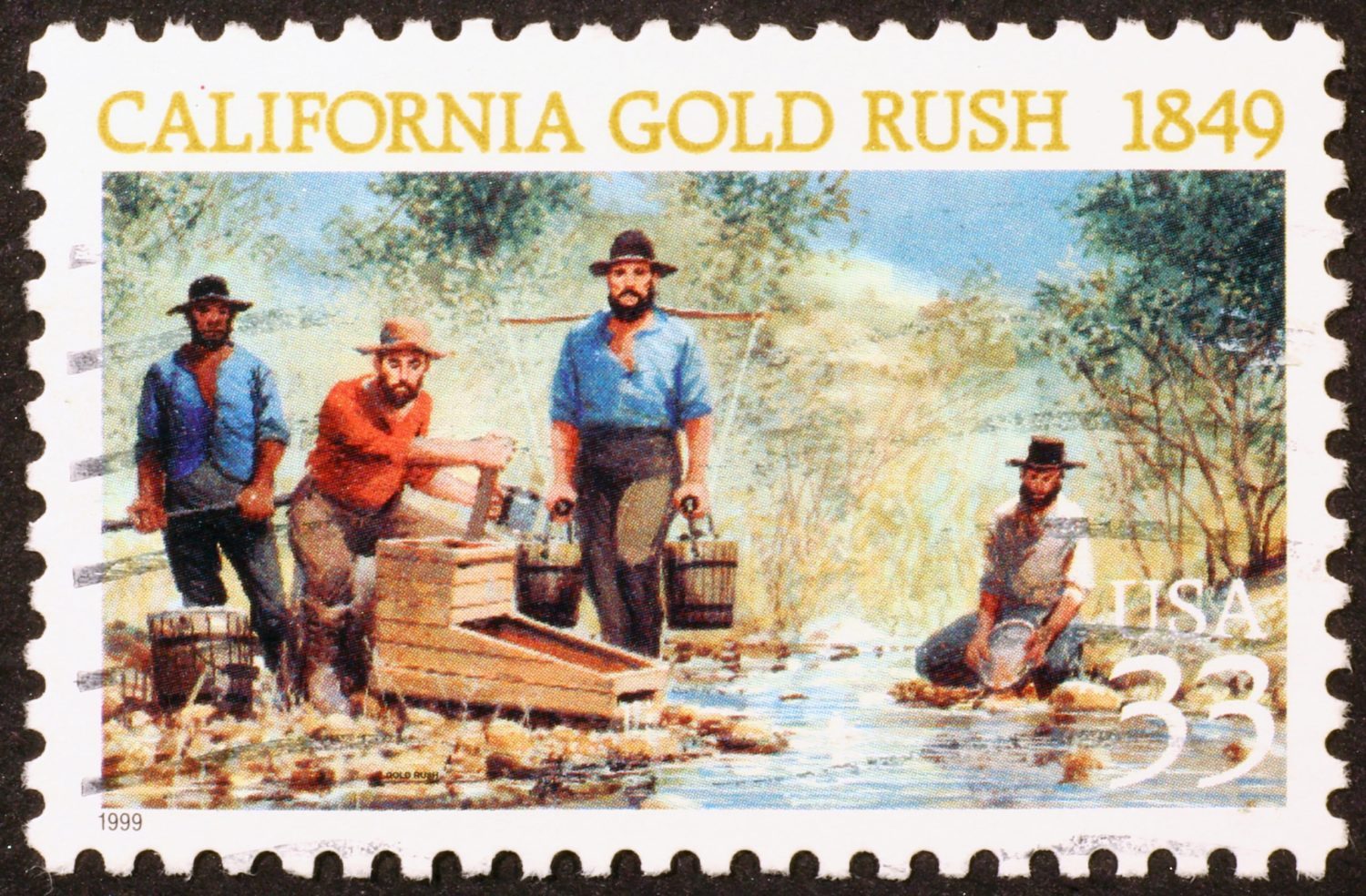
- Panning: The most iconic image of the Gold Rush is the solitary miner sifting through river gravel with a pan. While effective for initial prospecting and finding surface gold, it was incredibly inefficient for large-scale extraction.
- Sluice Boxes and Rockers: As the easy surface gold dwindled, more sophisticated techniques emerged. Sluice boxes, essentially long wooden troughs with riffles, allowed miners to process larger quantities of gravel using water flow, catching heavier gold particles. Rockers, or cradles, were smaller versions, manually agitated to separate gold. These methods required more capital and often involved cooperative efforts among groups of miners, showcasing early forms of collaborative work.
- Hydraulic Mining: Later, large-scale hydraulic mining developed, using powerful jets of water to blast away hillsides. While highly effective, this method caused immense environmental devastation, silting up rivers and destroying vast tracts of land, an early example of the environmental costs of unchecked resource extraction.
The daily life of a miner was monotonous and grueling. Days were spent wading in icy streams, digging in mud, or blasting rock, often from dawn till dusk. Malnutrition, disease, and accidents were common. Yet, the slim chance of striking a rich vein kept many going, fueling an unyielding determination that characterized the era. Accommodation, if available, was typically a canvas tent or a hastily constructed cabin, a far cry from the modern hotels or resorts offering comfort and amenities.
Boomtowns, Lawlessness, and Society
The influx of people and the rapid development of mining sites led to the explosive growth of “boomtowns.” These ephemeral settlements, like those that arose in the Mother Lode region, sprang up overnight wherever gold was discovered. San Francisco, itself a small village of fewer than 1,000 residents before the rush, ballooned to over 35,000 by 1850, transforming from a sleepy port into a bustling metropolis, a major landmark of development.
These boomtowns were characterized by a temporary, chaotic existence:
- Lack of Infrastructure: Roads were rudimentary, sanitation non-existent, and housing scarce and expensive. The demand for everything, from food to mining tools, skyrocketed, leading to exorbitant prices.
- Lawlessness and Vigilance: With so many people arriving so quickly, official law enforcement was often slow to establish itself. This power vacuum led to widespread crime, including theft, murder, and claim jumping. In response, miners often formed their own informal justice systems, known as “miner’s courts” or vigilance committees, dispensing swift and often brutal justice. This raw, frontier justice system, though controversial, became a defining aspect of the Gold Rush lifestyle.
- Social Life: Despite the hardships, social life thrived. Saloons, gambling halls, and brothels became centers of activity, offering respite and entertainment. Restaurants, laundries, and supply stores emerged, run by entrepreneurs who often made more money serving the miners than the miners themselves did digging for gold. Women, though few in number, played vital roles in these service industries, establishing boarding houses and businesses.
The unique environment of the gold fields fostered a resilient, independent, and often opportunistic society. It was a crucible where different cultures clashed and mingled, where fortunes were made and lost in an instant, and where the foundations of modern California were forged amidst the dust and chaos. For contemporary tourism, visiting sites like Columbia State Historic Park offers an authentic experience of what these boomtowns were truly like.
Lasting Impact and Enduring Legacy
The California Gold Rush was a phenomenon of relatively short duration, with its most intense phase lasting only a few years. Yet, its impact was profound and long-lasting, irrevocably altering the course of California and the wider United States. The legacy of this period continues to influence modern California, from its diverse population to its economic prowess and its cultural identity.
California’s Transformation and Statehood
One of the most immediate and significant consequences of the Gold Rush was the rapid population explosion in California. In just a few years, the population surged from around 14,000 (excluding indigenous people) in 1848 to over 300,000 by 1854. This dramatic increase rapidly outpaced the territory’s ability to govern itself, leading to urgent calls for statehood.
In 1850, a mere two years after James W. Marshall’s discovery, California was admitted to the United States as the 31st state. This fast-tracked admission was highly unusual and had national implications, particularly regarding the contentious issue of slavery, as California entered as a free state, upsetting the delicate balance between free and slave states. The Gold Rush thus played a direct role in accelerating the political development of the nation and setting the stage for the Civil War. Furthermore, the establishment of major cities like San Francisco and Sacramento as hubs for commerce and governance quickly transformed them into crucial landmarks of western expansion.

Economic Boom and Environmental Costs
The economic impact of the Gold Rush was immense. Billions of dollars worth of gold (in today’s currency) were extracted, providing a massive influx of wealth into the global economy. This new capital stimulated industrial growth and facilitated the expansion of banking and finance across the United States. Locally, it spurred the development of infrastructure, including roads, ports, and eventually railroads, to support the burgeoning population and resource extraction. San Francisco became a major port city, connecting California to international trade routes.
However, this economic boom came at a steep environmental cost. The mining techniques, particularly hydraulic mining, caused widespread destruction. Hillsides were washed away, rivers became choked with sediment, and mercury used in gold extraction contaminated water sources, leading to long-term ecological damage. These early environmental consequences serve as a historical lesson in resource management and the need for sustainable tourism practices to preserve natural attractions.
A Legacy of Innovation and Myth
The Gold Rush fostered a culture of innovation and entrepreneurship. The challenges of remote living and resource scarcity spurred creative solutions, from mining technology to the establishment of efficient supply chains. Many individuals who failed to strike it rich in the mines found success by providing goods and services to the miners, creating new industries and contributing to California’s diverse economy.
Beyond the tangible impacts, the California Gold Rush cemented a powerful myth in the American consciousness: the idea of the “Golden State,” a land of boundless opportunity where anyone could achieve immense wealth through hard work and a bit of luck. This myth continues to resonate today, drawing people to California in pursuit of new dreams, be it in technology, entertainment, or simply a desirable lifestyle.
Today, the legacy of the Gold Rush is carefully preserved and celebrated. Visitors can explore various historical destinations and attractions within California State Parks. The Marshall Gold Discovery State Historic Park in Coloma offers a chance to see a replica of Sutter’s Mill and learn about the initial discovery. Old Sacramento State Historic Park provides a glimpse into the bustling river port that served as a gateway to the gold fields. Ghost towns like Bodie State Historic Park stand as eerie monuments to the boom-and-bust cycle, offering a fascinating perspective on the transient nature of gold fever. These sites, along with museums and interpretive centers, offer invaluable guides and experiences for those interested in exploring this pivotal era.
In conclusion, the California Gold Rush was far more than a simple quest for gold. It was a transformative event that propelled California onto the national and international stage, fostering an enduring spirit of enterprise, diversity, and rugged individualism. Its echoes resonate in the modern state, inviting travelers to explore its rich history, walk the paths of the Forty-Niners, and discover the deep roots of California’s golden allure. Whether one is interested in historical landmarks, exploring local culture, or simply seeking an adventurous travel experience, the sites of the Gold Rush offer a compelling journey into the past, reminding us of the powerful forces that shaped a nation.
LifeOutOfTheBox is a participant in the Amazon Services LLC Associates Program, an affiliate advertising program designed to provide a means for sites to earn advertising fees by advertising and linking to Amazon.com. Amazon, the Amazon logo, AmazonSupply, and the AmazonSupply logo are trademarks of Amazon.com, Inc. or its affiliates. As an Amazon Associate we earn affiliate commissions from qualifying purchases.