
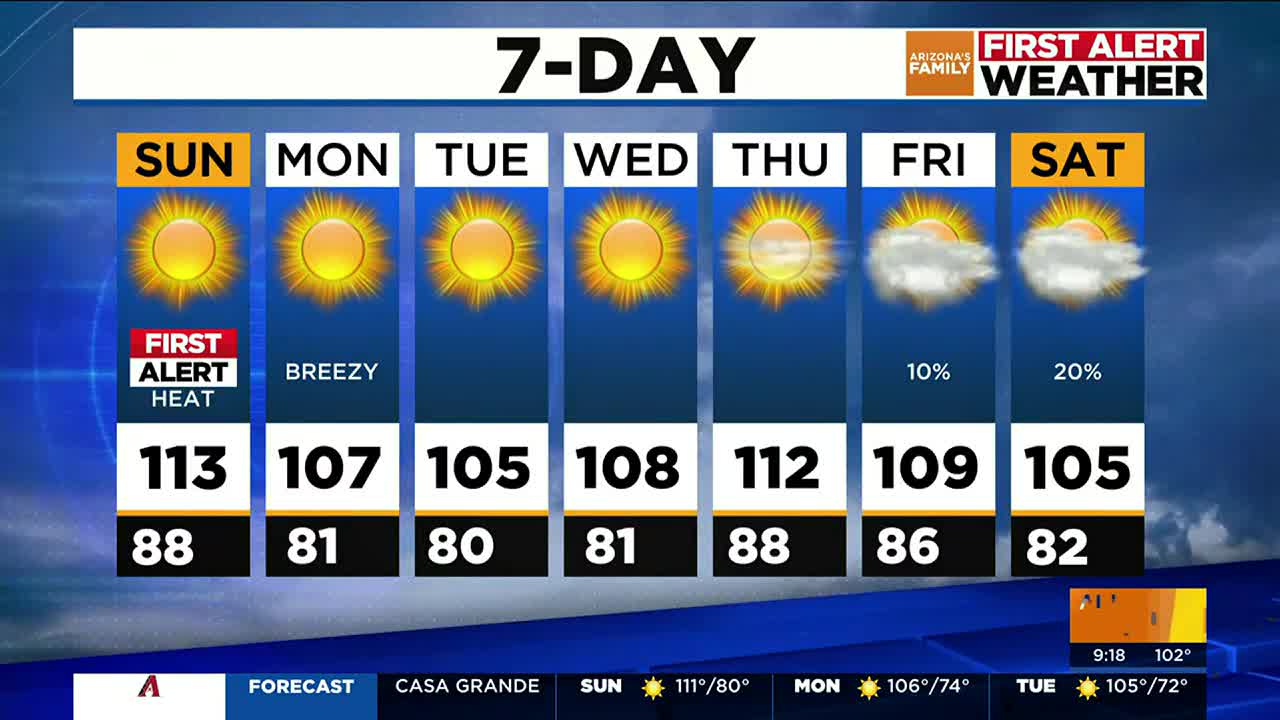
While the precise high temperature in Phoenix, Arizona yesterday is a specific data point that changes daily with the whim of the weather, its significance for tourists extends far beyond a simple number. Understanding Phoenix’s characteristic climate and how daily temperatures influence activities, comfort, and safety is paramount for any visitor to the Sonoran Desert. Whether yesterday marked a peak summer day pushing 110°F (43°C) or a pleasant winter afternoon around 70°F (21°C), the overarching narrative of Phoenix’s warmth dictates much of its tourism landscape, offering unique challenges and opportunities for exploration. For instance, if yesterday’s high was in the triple digits, it signals a need for early morning or late evening outdoor activities and a focus on indoor attractions. Conversely, a milder day opens up a wider array of daytime adventures. This article delves into how Phoenix’s daily temperatures shape the tourist experience, offering insights into maximizing your visit regardless of the forecast.
Understanding Phoenix’s Desert Climate for Tourists
Phoenix is renowned for its intense heat, especially during the long summer months, but its climate offers much more nuance than a single, scorching stereotype. As a major urban center nestled in the heart of the Sonoran Desert, the city experiences distinct seasons, each presenting unique opportunities and considerations for visitors. The high temperature on any given day, including yesterday, acts as a crucial indicator for planning, influencing everything from what to pack to which attractions are most enjoyable.
The Significance of Daily Temperature Readings
For a tourist, a daily temperature reading in Phoenix is not just weather trivia; it’s a direct guide to their itinerary. A high temperature yesterday, for example, tells a story about the current season and the general conditions to expect. If it was exceptionally hot, it informs visitors that robust hydration strategies, sun protection, and a preference for indoor activities or water-based recreation are essential. Conversely, a day with a high in the comfortable 60s or 70s Fahrenheit (15-25°C) signals prime conditions for hiking, exploring outdoor markets, or enjoying al fresco dining. This daily insight helps tourists make informed decisions, ensuring their comfort and safety while experiencing the best of what Phoenix has to offer. It’s about adapting to the desert, not fighting it.
Seasonal Variations and Their Impact on Visits
Phoenix’s tourism ebb and flow largely follows its temperature cycles. The mild, sunny winters (November to April) are the peak tourist season, drawing visitors escaping colder climates. During these months, yesterday’s high likely reflected ideal conditions for golf, hiking in the Camelback Mountain area, or exploring the Desert Botanical Garden. Summers (May to October), on the other hand, bring extreme heat, with daily highs often exceeding 100°F (38°C). While yesterday’s summer temperature might seem daunting, it also ushers in “low season” discounts and a unique set of experiences, such as early morning desert adventures before the heat peaks or evening events under the stars. The shoulder seasons (spring and fall) offer a mix, with temperatures gradually warming or cooling, providing a transition period where mornings are pleasant but afternoons can still be quite warm. Understanding these seasonal shifts, often encapsulated by yesterday’s high, allows tourists to align their expectations and activities with the climate.
Navigating the Heat: Essential Tips for Phoenix Visitors
Whether yesterday’s high was 75°F (24°C) or 105°F (41°C), preparing for Phoenix’s warmth is crucial for an enjoyable visit. The desert environment demands respect and proactive measures, especially concerning personal well-being. These tips are vital for all tourists, regardless of the exact daily temperature.
Hydration and Sun Protection
This is perhaps the most critical advice for any visitor to Phoenix. The dry heat, even on a moderately warm day, can quickly lead to dehydration. Always carry a water bottle and replenish fluids consistently throughout the day. Electrolyte-rich drinks can also be beneficial, especially if engaging in physical activity. Coupled with hydration is robust sun protection. The Arizona sun is intense, even on cloudy days or during cooler months. Broad-spectrum sunscreen with a high SPF, reapplied frequently, is a must. Wide-brimmed hats, sunglasses, and lightweight, long-sleeved clothing made from breathable fabrics offer additional protection. Seeking shade whenever possible is not just a recommendation; it’s a strategy to prevent heat-related illness.
Strategic Timing for Outdoor Activities
Knowing yesterday’s high temperature helps inform the best times for outdoor activities. If it was a hot day, planning excursions for early mornings or late evenings becomes imperative. Hiking trails, golf courses, and outdoor attractions like the Phoenix Zoo are best enjoyed at dawn or dusk during warmer periods. Many parks and preserves in the Phoenix metropolitan area, such as South Mountain Park and Preserve, even post warnings or close certain trails during extreme heat. During the cooler winter months, the window for outdoor enjoyment extends throughout the day, allowing for more leisurely exploration. Always check the forecast for the day of your planned activity and adjust accordingly.

Activities and Attractions Suited for Phoenix’s Warm Weather
Regardless of yesterday’s temperature, Phoenix offers a diverse range of activities that cater to its climate, ensuring there’s always something engaging to do. The city has expertly adapted its tourism offerings to embrace its unique desert environment.
Indoor Escapes and Cultural Experiences
When temperatures soar, Phoenix’s array of indoor attractions provides perfect refuges. The Musical Instrument Museum offers an immersive global journey through music, while the Heard Museum showcases Native American art and culture in a beautifully curated space. The Phoenix Art Museum boasts an extensive collection spanning various periods and styles. For those interested in science and innovation, the Arizona Science Center provides interactive exhibits for all ages. Shopping centers like Biltmore Fashion Park or Scottsdale Fashion Square also offer air-conditioned comfort alongside retail therapy. These venues allow tourists to soak in local culture and entertainment without exposure to the elements, making them ideal choices when yesterday’s high was particularly intense.
Water-Based Recreation and Evening Adventures
During hotter times, water becomes a magnet for recreation. Many resorts in Phoenix and neighboring Scottsdale feature elaborate pool complexes, some with lazy rivers and waterslides, offering a refreshing way to beat the heat. Lake Pleasant Regional Park, just north of the city, provides opportunities for boating, paddleboarding, and jet skiing. As the sun sets and temperatures begin to drop, Phoenix truly comes alive with evening adventures. Consider stargazing tours in the dark skies surrounding the city, attending a Phoenix Suns basketball game at the Footprint Center, or exploring the vibrant nightlife of Old Town Scottsdale. Evening walks through illuminated botanical gardens or zoo events also offer unique experiences after yesterday’s heat has subsided.
Exploring Phoenix’s Culinary Scene Comfortably
Phoenix’s culinary scene is a vibrant blend of Southwestern flavors, innovative fusion, and classic American fare. Regardless of yesterday’s temperature, dining experiences are almost always enjoyed in air-conditioned comfort. From upscale restaurants in Paradise Valley and Downtown Phoenix to casual eateries and food truck parks, the city offers myriad options. Many establishments boast sophisticated indoor dining areas, and during the cooler months or evenings, patios often feature misters or heaters to maintain a comfortable ambiance. Exploring the local food scene, whether it’s indulging in authentic Mexican cuisine, savoring farm-to-table dishes, or sampling craft beers, is an excellent way to experience Phoenix culture irrespective of the weather outside.
Planning Your Phoenix Trip Around the Forecast
Ultimately, yesterday’s high temperature, and indeed every day’s forecast, plays a pivotal role in crafting a successful and enjoyable tourist experience in Phoenix. Proactive planning, leveraging available resources, and packing intelligently are the cornerstones of a great desert adventure.
Leveraging Weather Apps and Local Resources
Before and during your trip, reliable weather apps and local forecasting services are your best friends. These tools provide not only current temperatures but also hourly forecasts, heat advisories, and extended outlooks. Many local Phoenix tourism websites and park services also offer specific advice tailored to the current climate conditions, including recommended times for outdoor activities or trail closures. Paying attention to these resources, especially regarding the daily high temperature, allows tourists to adjust their plans dynamically, ensuring safety and maximizing enjoyment.

Packing Smart for the Sonoran Desert
Packing for Phoenix means being prepared for warmth, but also for significant temperature swings, particularly between day and night, even if yesterday’s high was very warm. Lightweight, breathable fabrics like cotton or linen are ideal. Bring layers, especially during the cooler months, as mornings can be chilly before the sun fully warms the desert. Always include a wide-brimmed hat, sunglasses, and plenty of sunscreen. Comfortable walking shoes are essential for exploring. If visiting during the summer, consider bringing a small, personal mister or cooling towel. Understanding yesterday’s high helps fine-tune your packing list, ensuring you have the right gear for the specific conditions you’ll encounter in this fascinating desert city.
LifeOutOfTheBox is a participant in the Amazon Services LLC Associates Program, an affiliate advertising program designed to provide a means for sites to earn advertising fees by advertising and linking to Amazon.com. Amazon, the Amazon logo, AmazonSupply, and the AmazonSupply logo are trademarks of Amazon.com, Inc. or its affiliates. As an Amazon Associate we earn affiliate commissions from qualifying purchases.