
In the annals of Florida’s meteorological history, the year 2017 stands out with a particularly potent and memorable hurricane event. The storm that dominated headlines and impacted countless lives across the Sunshine State was Hurricane Irma. This Category 5 behemoth, after carving a destructive path through the Caribbean, made landfall in the Florida Keys as a powerful Category 4 hurricane before traversing the peninsula, leaving a significant mark on the state’s landscape, tourism infrastructure, and the daily lives of its residents. Understanding Hurricane Irma’s trajectory, intensity, and aftermath is crucial for appreciating the resilience of Florida’s tourism sector and its ongoing commitment to preparedness.
The Fury of Hurricane Irma: A Category 5 Spectacle
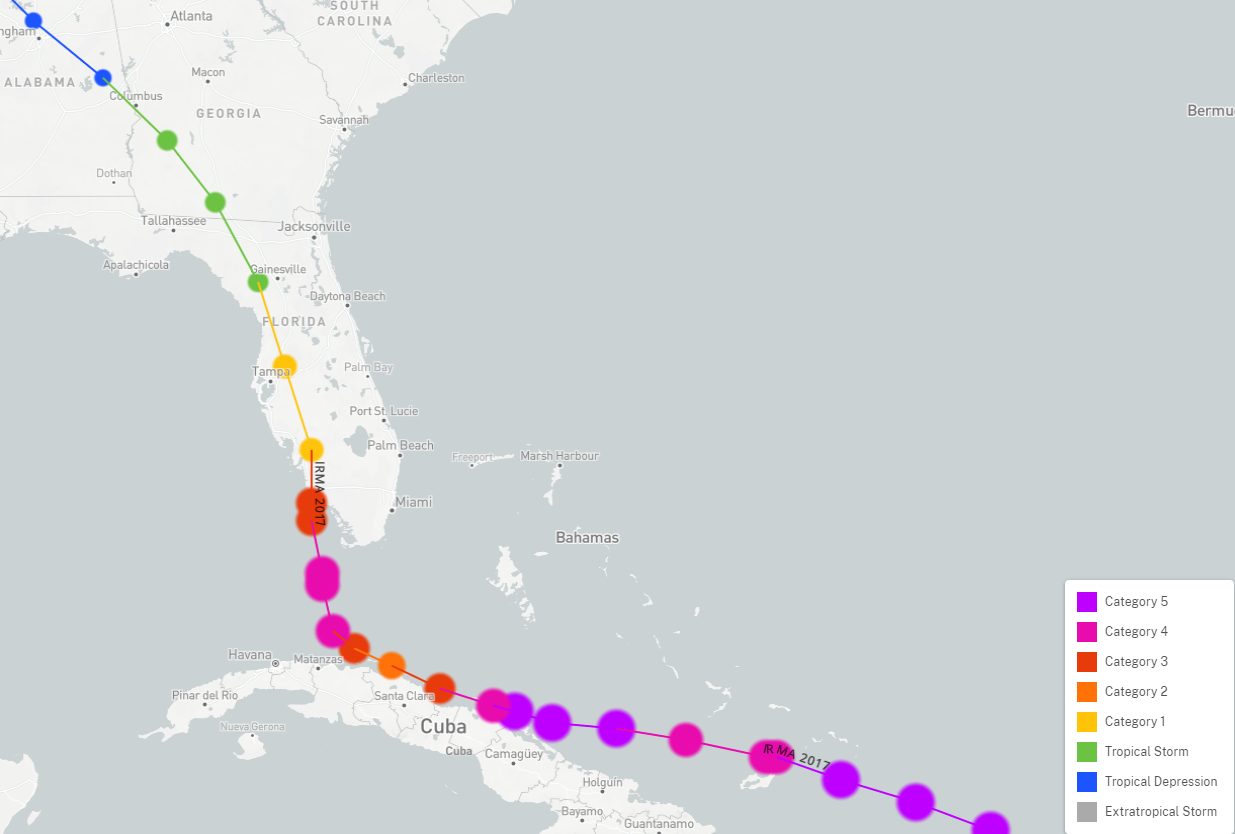
Hurricane Irma was not just another storm; it was a force of nature on an immense scale. For a period, it maintained Category 5 status over the Atlantic, marking it as one of the most powerful hurricanes ever recorded in the basin. Its sheer size and intensity were awe-inspiring, even from a distance, and the implications for coastal communities were dire.
Formation and Caribbean Devastation
Irma’s genesis can be traced back to a tropical wave off the coast of Africa in late August 2017. It rapidly intensified, becoming a major hurricane and setting its sights westward. Before reaching the United States, Irma inflicted catastrophic damage on numerous Caribbean islands. Among the hardest hit were Barbuda, St. Barthélemy, St. Martin, the U.S. Virgin Islands, and Puerto Rico. The destruction of homes, hotels, and critical infrastructure across these popular tourist destinations served as a grim prelude to what lay ahead for Florida.
Florida Landfall and Inland Journey
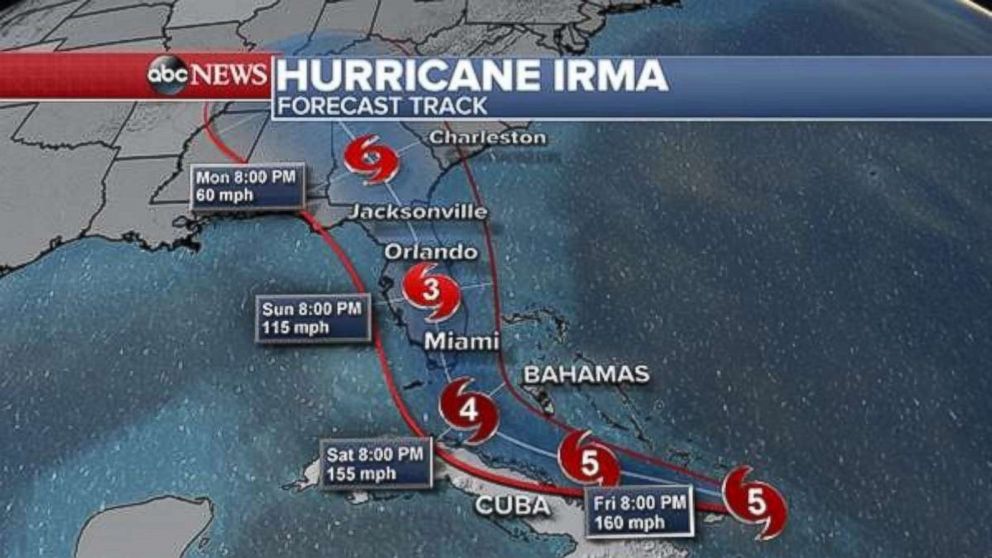
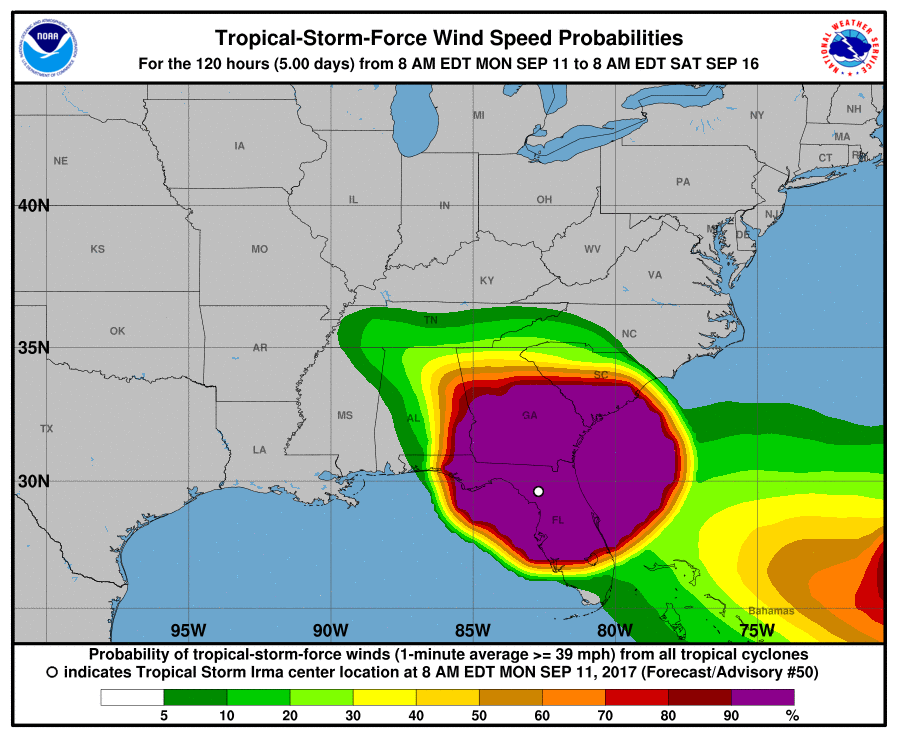
On September 10, 2017, Hurricane Irma made landfall in the Florida Keys as a Category 4 hurricane, with sustained winds of 130 mph. The initial impact in the Keys was devastating, with storm surge inundating low-lying areas and high winds causing widespread damage to buildings and vegetation. As Irma continued its northward path up the peninsula, it weakened slightly but remained a formidable threat. It made a second landfall near Naples, on the southwestern coast of Florida, still packing significant wind and rain. The storm’s immense size meant that even areas far from the direct eyewall experienced hurricane-force winds, heavy rainfall, and significant power outages. The storm surge along the western coast, particularly in areas like Tampa Bay, was a major concern, leading to historic water levels in some locations.
Impact on Florida’s Tourism Landscape
Florida’s economy is heavily reliant on tourism, and a storm of Irma’s magnitude posed a significant threat to this vital industry. The immediate aftermath saw widespread cancellations, road closures, and damage assessments that determined the reopening timelines for various attractions and accommodations.
Damage to Coastal Resorts and Attractions
The storm surge and high winds inflicted considerable damage on many of Florida’s renowned coastal resorts, beaches, and attractions. From the iconic South Beach in Miami-Dade County to the pristine shores of the Gulf Coast, erosion and debris were rampant. Hotels in the Florida Keys, a particularly vulnerable region, suffered extensive damage, with some requiring months or even years to fully repair and reopen. Theme parks in Orlando, while largely spared the direct force of the eyewall, experienced temporary closures due to high winds, heavy rain, and power outages, impacting millions of potential visitors. Many smaller, independent tourism businesses, such as local restaurants, boutique hotels, and tour operators, faced significant financial hardship due to prolonged closures and the need for extensive repairs.
Rebuilding and Resilience: The Road to Recovery
The recovery process for Florida’s tourism sector was a testament to its inherent resilience and the collective efforts of businesses and communities. In the weeks and months following Irma, a concerted effort was made to assess damage, clear debris, and restore essential services.
Immediate Recovery Efforts
Emergency management agencies, alongside local authorities and private sector partners, worked tirelessly to restore power, clear roads, and ensure the safety of communities. Tourism-dependent businesses, especially those in the Keys and along the Gulf Coast, began the arduous task of rebuilding and repairing their properties. This involved everything from structural repairs to the replenishment of damaged inventory and the retraining of staff who may have been displaced.
Long-Term Rebuilding and Infrastructure Improvements
Beyond immediate repairs, the recovery spurred discussions and investments in making Florida’s tourism infrastructure more resilient to future storm events. This included upgrading building codes in vulnerable areas, investing in more robust coastal defenses, and improving evacuation routes. Many businesses used the rebuilding phase as an opportunity to modernize their facilities and enhance their guest experiences, ultimately emerging stronger and more prepared. The prompt reopening of major attractions and transportation hubs was crucial in signaling to potential visitors that Florida was open for business, albeit with some ongoing recovery efforts.
Lessons Learned and Future Preparedness
Hurricane Irma served as a stark reminder of Florida’s vulnerability to powerful hurricanes and reinforced the critical importance of preparedness for both residents and the tourism industry.
Enhanced Emergency Planning for Tourism Businesses
The event highlighted the necessity for robust emergency action plans for all tourism-related businesses. This includes developing clear evacuation procedures for guests and staff, establishing communication protocols with authorities and visitors, securing properties against high winds and flooding, and creating business continuity plans to manage financial impacts and operational disruptions. For hotels and resorts, this also means ensuring backup power systems, stocking essential supplies, and having contingency plans for guest accommodation if operations are temporarily suspended.
The Role of Technology in Disaster Management
Technological advancements played an increasingly vital role in tracking the storm, disseminating warnings, and coordinating relief efforts. Social media and mobile applications became essential tools for real-time updates, sharing safety information, and connecting individuals with resources. For the tourism industry, leveraging technology for pre-storm communication with booked guests, providing real-time updates on attraction status, and facilitating post-storm booking adjustments became paramount. Furthermore, technology aids in post-storm damage assessment and the coordination of recovery efforts, streamlining the process for businesses seeking aid and rebuilding.
Community Resilience and Visitor Confidence
The spirit of community resilience demonstrated by Floridians in the wake of Irma was inspiring. Local businesses supported each other, volunteers assisted with cleanup, and residents rallied to help their neighbors. Rebuilding visitor confidence was a key objective. Through effective communication and the visible signs of recovery and reopening, Florida aimed to assure travelers that the state was safe and ready to welcome them back, showcasing its commitment to providing exceptional travel experiences despite the challenges. The focus shifted from the destruction to the rebuilding and the enduring appeal of Florida’s diverse attractions, from its theme parks in Orlando to its pristine beaches and vibrant cultural hubs.
Hurricane Irma was a defining event of 2017 for Florida. Its powerful winds, destructive storm surge, and widespread impact underscored the perpetual challenge of living in a hurricane-prone region. However, the story of Irma is also one of remarkable resilience, rapid recovery, and a strengthened commitment to preparedness within Florida’s vital tourism sector, ensuring that the Sunshine State continues to be a premier destination for travelers worldwide.
LifeOutOfTheBox is a participant in the Amazon Services LLC Associates Program, an affiliate advertising program designed to provide a means for sites to earn advertising fees by advertising and linking to Amazon.com. Amazon, the Amazon logo, AmazonSupply, and the AmazonSupply logo are trademarks of Amazon.com, Inc. or its affiliates. As an Amazon Associate we earn affiliate commissions from qualifying purchases.