
The year 2017 etched itself into the collective memory of Florida residents and the broader meteorological community due to a series of intense and impactful weather events. Among these, one hurricane stands out for its significant impact and widespread disruption across the Sunshine State: Hurricane Irma. While other storms briefly threatened the region or caused localized issues, Irma was the behemoth that traversed the entire length of the Florida peninsula, leaving an indelible mark on its landscape, infrastructure, and the lives of its inhabitants. This comprehensive exploration delves into the genesis, trajectory, impacts, and eventual aftermath of this formidable storm, offering insights relevant to anyone interested in the natural wonders and historical events that shape Florida‘s unique character.
The Genesis and Early Life of a Superstorm
Hurricane Irma did not emerge overnight. Its origins can be traced back to the eastern Atlantic Ocean, a breeding ground for tropical cyclones during the hurricane season. The storm began its life as a tropical wave, a disturbance in the atmosphere, that emerged off the coast of Africa in late August 2017. Fueled by warm ocean waters and favorable atmospheric conditions, this wave rapidly organized and intensified, gaining strength and structure.
From Tropical Wave to Category 5 Monster
The transformation from a nascent disturbance to a colossal hurricane was astonishingly swift. Within days, the system developed into a tropical storm, earning the name Irma. As it moved westward across the Atlantic, it encountered ideal conditions for rapid intensification, a phenomenon where a storm’s winds increase dramatically in a short period. This led to Irma becoming a hurricane and, subsequently, a major hurricane with sustained winds exceeding 111 mph.
The storm’s trajectory took it through the Caribbean Sea, where it wreaked havoc on numerous islands, including Puerto Rico, the U.S. Virgin Islands, St. Martin, and Cuba. During its passage through these warm waters, Irma reached its peak intensity, achieving Category 5 status – the highest on the Saffir-Simpson Hurricane Wind Scale – with sustained winds of 185 mph. At this stage, it was one of the most powerful hurricanes ever recorded in the Atlantic Basin. The sheer scale and intensity of Irma at its peak were awe-inspiring, a testament to the raw power of nature.
Irma’s Path of Destruction Through Florida
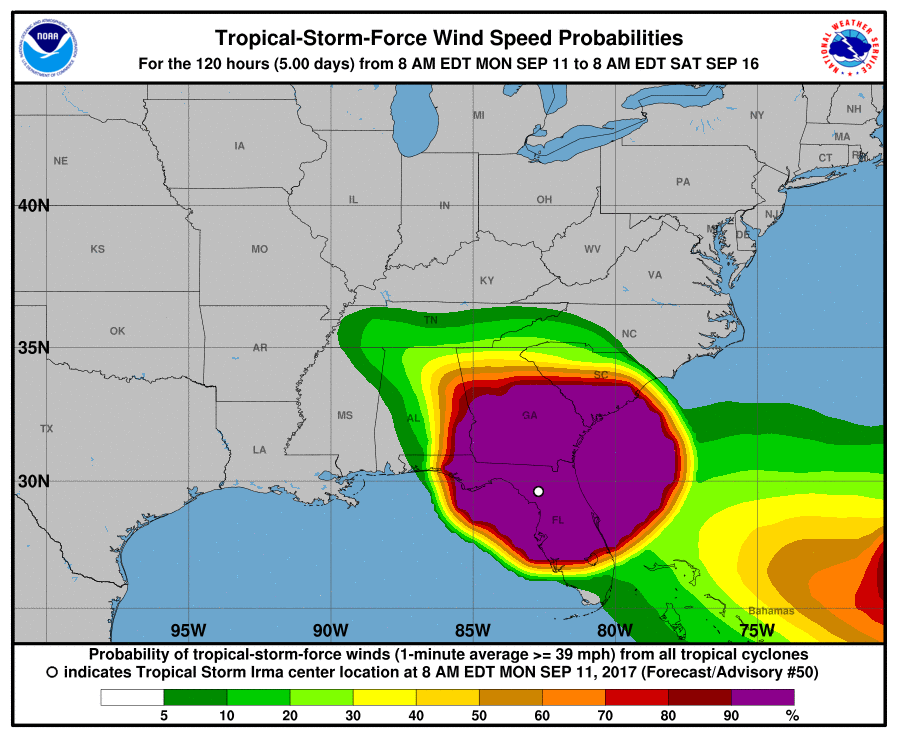
The initial forecasts for Hurricane Irma created significant anxiety across Florida as models showed a potential landfall on the state’s east coast, a scenario that would expose the densely populated areas of Miami-Dade and Broward counties to its full fury. However, the storm’s track shifted, and it ultimately made landfall in the Florida Keys as a Category 4 hurricane on September 10, 2017. This marked the beginning of Irma‘s devastating sweep up the entire peninsula.
Landfall in the Keys and the Southwest Coast
The storm’s initial landfall in the Florida Keys was brutal. The lower, low-lying islands experienced catastrophic storm surge, inundation, and destructive winds. Communities like Key West and Marathon were severely impacted, with many homes and businesses sustaining extensive damage or being completely destroyed. The infrastructure of the Keys, including the iconic Overseas Highway, suffered significant damage, hindering initial rescue and recovery efforts.
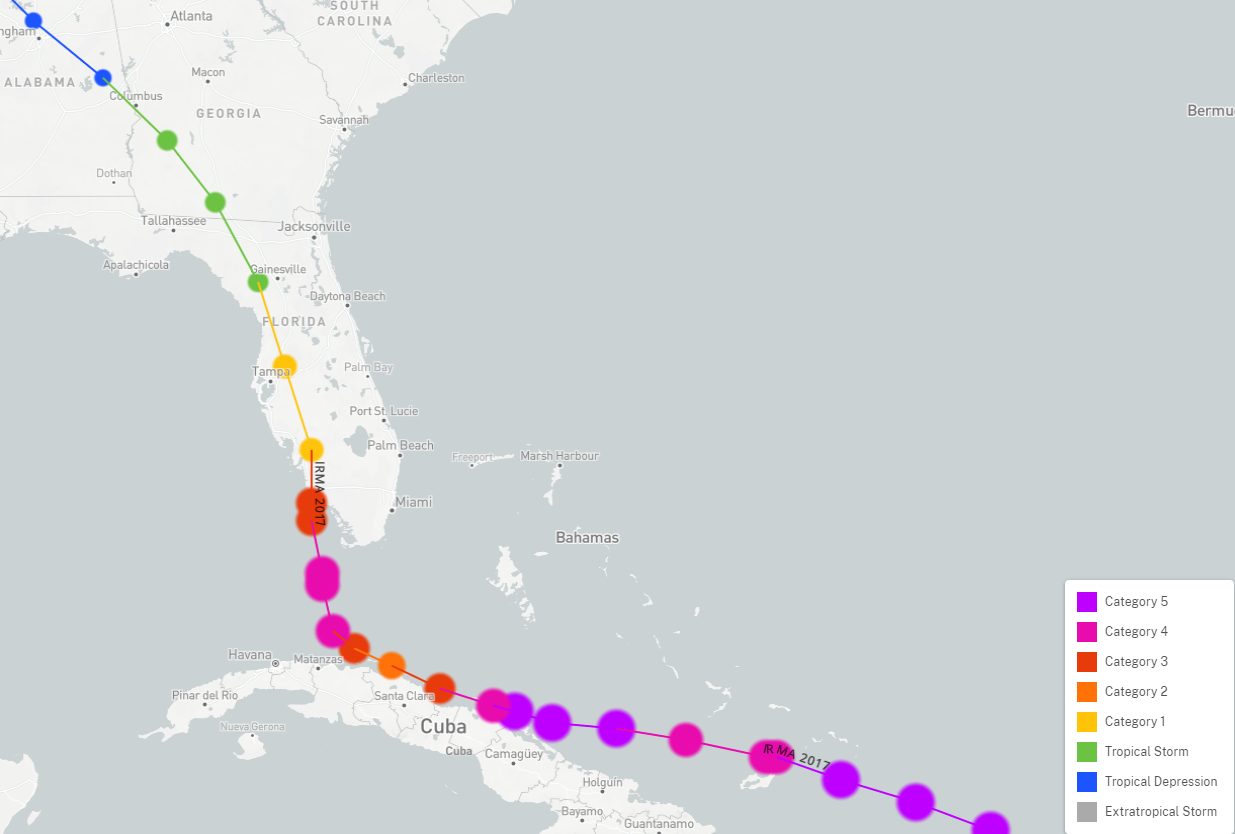
Following its passage through the Keys, Irma continued its relentless march northward, making a second landfall near Marco Island on Florida‘s southwest coast, still as a powerful Category 4 hurricane. This brought the storm’s destructive core directly into heavily populated areas of Southwest Florida, including Naples and Fort Myers. The region, often associated with luxury living and serene beaches, was unprepared for the onslaught of wind and water that Irma delivered.
The Peninsula Under Siege
As Irma tracked inland, its immense size meant that much of the Florida peninsula experienced hurricane-force winds for an extended period. The storm weakened gradually as it moved over land, but its impact remained severe. Tampa Bay, a region historically less prone to direct hurricane impacts, experienced a significant storm surge that pushed water inland, causing flooding in coastal communities. Inland Florida also bore the brunt of Irma‘s wrath, with widespread power outages, downed trees, and structural damage reported across numerous cities and towns, from Orlando to Jacksonville. The sheer expanse of the storm’s impact was a stark reminder of its colossal nature.
The Far-Reaching Consequences of Hurricane Irma
The aftermath of Hurricane Irma was characterized by extensive damage, widespread disruption, and a massive recovery effort that spanned months and even years. The economic, social, and environmental consequences were profound, affecting millions of lives across Florida.
Infrastructure and Economic Impact
The damage to Florida‘s infrastructure was immense. Millions of residents lost power, with restoration efforts taking weeks in some of the hardest-hit areas. Roads were blocked by debris, bridges were damaged, and communication networks were disrupted. The agricultural sector, a vital part of Florida‘s economy, suffered billions of dollars in losses due to damaged crops and livestock. The tourism industry, a cornerstone of the state’s economy, also experienced a significant downturn in the immediate aftermath, though recovery efforts were swift in many popular destinations. The cost of disaster relief and rebuilding efforts ran into the tens of billions of dollars, placing a considerable strain on state and federal resources.
Environmental Devastation and Recovery
Beyond the immediate structural damage, Irma also left a significant environmental footprint. Storm surge inundated coastal ecosystems, damaging sensitive habitats like mangroves and coral reefs. Inland flooding carried pollutants into waterways, impacting water quality. The sheer volume of debris, including fallen trees and damaged building materials, posed challenges for disposal and environmental management. However, the resilience of Florida‘s natural environment, coupled with dedicated conservation efforts, played a crucial role in its recovery. Many coastal areas, known for their natural beauty and recreational opportunities, have since rebounded, showcasing the enduring appeal of Florida‘s diverse landscapes.

The Human Element: Evacuations, Shelters, and Resilience
Perhaps the most significant impact of Hurricane Irma was on the human population of Florida. The storm prompted one of the largest evacuations in U.S. history, with millions of residents fleeing their homes to escape the predicted devastation. This led to immense strain on transportation networks and an unprecedented demand for shelter space. The experience of being displaced, the anxiety of waiting for news from home, and the daunting task of returning to damaged properties were shared by countless individuals and families. Despite the hardship, the recovery was also marked by incredible acts of resilience, community spirit, and mutual aid. Neighbors helped neighbors, volunteers pitched in, and Florida showcased its strength in the face of adversity. The collective experience of navigating this powerful storm has become a significant chapter in the state’s modern history.
LifeOutOfTheBox is a participant in the Amazon Services LLC Associates Program, an affiliate advertising program designed to provide a means for sites to earn advertising fees by advertising and linking to Amazon.com. Amazon, the Amazon logo, AmazonSupply, and the AmazonSupply logo are trademarks of Amazon.com, Inc. or its affiliates. As an Amazon Associate we earn affiliate commissions from qualifying purchases.