
Florida, often dubbed the Sunshine State, is a perennial magnet for travelers worldwide. Its pristine beaches, world-class theme parks, vibrant cities, and lush natural landscapes draw millions seeking everything from luxurious escapes to budget-friendly family adventures. However, living up to its nickname, the peninsula is also uniquely situated in a region prone to tropical storms and hurricanes, particularly during the active season from June to November. Understanding this natural phenomenon is crucial for anyone planning a visit, residing, or doing business in this dynamic state. When considering a trip to Florida, a common and essential question that arises, especially for those new to the region, is: “What was the last hurricane to hit Florida?”

The most recent major hurricane to leave a significant and lasting impact on the state was Hurricane Ian, which made landfall as a powerful Category 4 storm on September 28, 2022. While Florida has experienced various tropical depressions and weaker storms since then, Ian stands as the most recent, large-scale hurricane event that necessitated a massive recovery effort and significantly altered the tourism and lifestyle landscape in several key regions. Its powerful winds, torrential rains, and devastating storm surge reshaped coastlines, challenged communities, and tested the state’s remarkable resilience. For travelers, understanding the impact of Ian and the subsequent recovery is key to appreciating the current state of popular destinations and planning future trips responsibly.
Hurricane Ian: A Recent Chapter in Florida’s History
Hurricane Ian etched itself into Florida’s history as one of the most destructive storms to ever strike the state. Its formidable power and extensive reach underscore the importance of preparedness and resilience in a hurricane-prone region. For visitors and residents alike, the experience of Ian offers invaluable lessons in navigating the complexities of weather and travel.
The Path and Power of Hurricane Ian
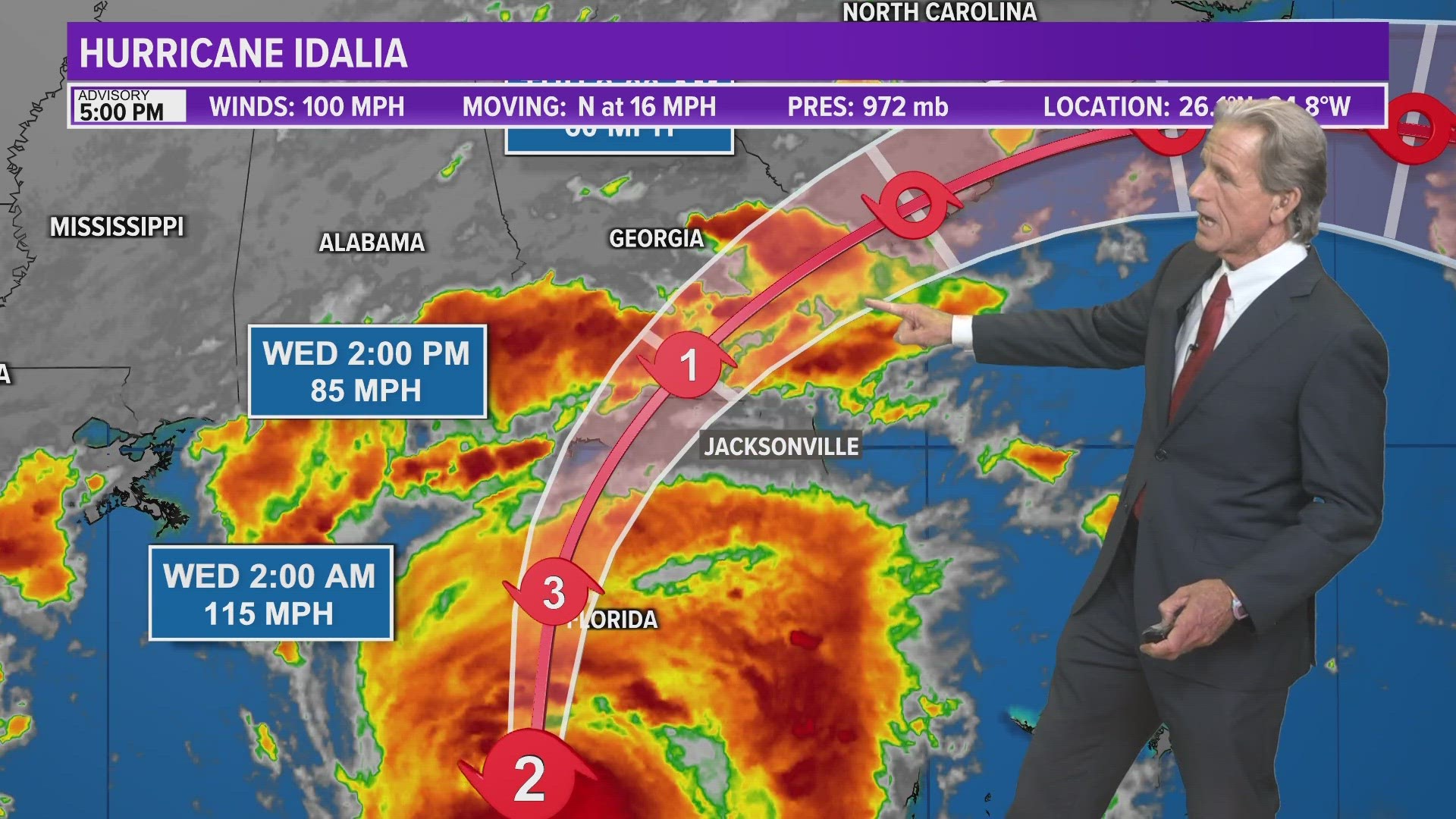
Hurricane Ian initially formed in the central Caribbean Sea and rapidly intensified as it tracked northwestward. After causing significant damage in western Cuba, it continued its path across the warm waters of the Gulf of Mexico, where it underwent a period of explosive intensification. By the time it approached the Florida coastline, Ian had become an incredibly dangerous Category 4 hurricane with sustained winds of 155 mph, just shy of Category 5 strength.
On September 28, 2022, Hurricane Ian made landfall near Cayo Costa in Southwest Florida. The eye of the storm then moved inland, devastating areas like Fort Myers, Cape Coral, Port Charlotte, and Punta Gorda. The most catastrophic impacts were attributed to the immense storm surge, which reached heights of 10 to 15 feet in some locations, inundating coastal communities and barrier islands such as Sanibel Island and Captiva Island. Entire neighborhoods were submerged, infrastructure was destroyed, and vital connections, like the causeway to Sanibel Island, were severely damaged or washed away.
Beyond the immediate landfall zone, Ian continued its destructive march across the Florida peninsula. As it slowly weakened to a tropical storm, it brought torrential rainfall, causing widespread inland flooding in areas like Orlando and St. Augustine, and even reaching parts of the Atlantic coast. The storm’s broad impact demonstrated how a hurricane’s reach extends far beyond its initial point of entry, affecting a diverse range of landscapes from pristine beaches to urban centers and theme parks.
Immediate Aftermath and Community Response
In the immediate aftermath of Hurricane Ian’s passage, the scale of destruction was staggering. Millions were left without power, roads were impassable due to flooding or debris, and emergency services faced unprecedented challenges in reaching affected areas. The scenes from Southwest Florida depicted widespread devastation, with homes reduced to rubble, boats tossed inland, and landscapes irrevocably altered.
However, amidst the wreckage, a powerful narrative of community resilience and rapid response emerged. Local residents, first responders, and a vast network of aid organizations, including the Red Cross and FEMA, mobilized quickly. Search and rescue operations were paramount in the initial hours and days, as crews navigated treacherous conditions to assist those stranded by floodwaters. Shelters were opened across the state, providing refuge, food, and medical attention to thousands displaced from their homes.
The spirit of cooperation extended beyond official channels. Neighbors helped neighbors, volunteers descended upon affected areas, and businesses, even those with their own challenges, found ways to contribute to the recovery. This immediate phase was characterized by an outpouring of support, a testament to the strong community bonds and the collective determination to rebuild. For those considering booking accommodation or planning experiences in a region impacted by such events, witnessing this spirit of recovery often becomes an unexpected, yet profound, part of their journey.
Navigating Travel and Tourism in a Post-Hurricane Landscape
The tourism industry is the lifeblood of Florida, attracting visitors from around the globe to its diverse destinations. When a powerful storm like Hurricane Ian strikes, the impact on travel, hotels, attractions, and local economies can be immense. Understanding this landscape is crucial for both prospective travelers and the industry itself.
Impact on Florida’s Iconic Destinations
Hurricane Ian’s path meant that its most severe direct impact was concentrated in Southwest Florida. This region, known for its stunning Gulf Coast beaches, charming towns like Naples and Sarasota, and vibrant fishing communities, experienced catastrophic damage. Many hotels, resorts, and vacation rentals – from luxury suites to cozy apartments – were heavily damaged or destroyed. Iconic landmarks like the Fort Myers Beach Pier vanished, and the natural beauty of barrier islands like Sanibel and Captiva was profoundly altered. The recovery in these areas is a long-term endeavor, with many establishments still undergoing extensive repairs or complete rebuilds. Travelers seeking the quintessential Southwest Florida experience should be mindful that while progress is constant, some attractions and accommodation options may still be limited.
Further inland, the freshwater flooding brought by Ian significantly affected areas like Orlando, the global capital of theme parks. While major attractions like Walt Disney World and Universal Orlando Resort have robust hurricane protocols and typically reopen quickly, localized flooding impacted many smaller businesses, hotels, and travel routes for a period. Fortunately, the infrastructure of the major tourist hubs proved resilient, and their operations largely returned to normal within days or weeks, demonstrating their preparedness and dedication to visitor experiences.
Other regions, such as Miami and the Florida Keys, were largely spared the direct brunt of Ian. Their tourism sectors continued to operate normally, offering alternative destinations for travelers whose plans might have been disrupted in the hardest-hit areas. This geographical diversity often allows Florida to maintain its appeal even during periods of localized recovery, with different regions offering distinct experiences from bustling city life to serene natural beauty.
The Resurgence of Florida Tourism

Despite the significant challenges posed by Hurricane Ian, Florida’s tourism industry has demonstrated remarkable resilience and a strong commitment to recovery. The “Sunshine State” brand is powerful, and efforts to restore and reopen attractions, hotels, and infrastructure have been tireless.
In the wake of the storm, many accommodations, from boutique hotels to sprawling resorts, quickly assessed damage and embarked on refurbishment projects. While some may still be undergoing extensive renovations, many have reopened their doors, often with renewed vigor and updated amenities. Major hotel chains in unaffected or minimally affected areas, such as those in Orlando, Miami, and Tampa, continued to operate without interruption, welcoming guests and providing essential services. The adaptability of the industry, offering various types of accommodation from luxury villas to budget-friendly apartments, allowed for a relatively swift return to normalcy in many areas.
Crucially, destinations that were less affected, or those that have completed their recovery, have been proactive in welcoming visitors back. Marketing campaigns have highlighted the vast majority of Florida that remains vibrant and ready for tourists. Many businesses and communities understand that tourism is not just about leisure; it’s a vital economic engine that supports local livelihoods and helps fund long-term recovery efforts. By choosing to visit Florida, travelers directly contribute to the rebuilding of communities and the revitalization of local culture. This resurgence is a testament to the state’s enduring appeal and the hard work of countless individuals dedicated to preserving Florida’s reputation as a premier travel destination.
Planning Your Florida Getaway: Tips for Hurricane Season and Beyond
Florida remains an incredibly popular destination year-round, but a successful trip, particularly during the hurricane season, requires thoughtful planning. Understanding weather patterns and being prepared can ensure a smooth and enjoyable experience, whether you’re seeking a relaxed beach vacation, an adventurous outdoor excursion, or a magical theme park visit.
Understanding Florida’s Weather Patterns
Hurricane season in the Atlantic basin, which includes Florida, officially runs from June 1st to November 30th. While this period experiences a higher likelihood of tropical activity, it’s also a time when many travelers find excellent value, fewer crowds (outside of peak holidays), and warm weather perfect for enjoying Florida’s many attractions.
The peak of the season typically occurs from mid-August through October. During these months, the waters are warmest, creating ideal conditions for storm development. It’s important to remember that not every season brings a major hurricane, and even during active seasons, many parts of Florida may remain completely unaffected.
Outside of hurricane season, from December to May, Florida generally enjoys drier, cooler, and very pleasant weather, making it a prime destination for winter escapes and spring breaks. This is often considered the optimal time for outdoor activities, from exploring Everglades National Park to enjoying the beaches of Key West. However, these months also tend to see higher prices and larger crowds, especially in popular tourist areas. Understanding these cycles allows travelers to choose the best time for their specific interests and budget.
Essential Travel Preparedness
For those planning to visit Florida during hurricane season, preparedness is key.
- Travel Insurance: This is perhaps the most crucial tip. Comprehensive travel insurance that covers trip cancellation or interruption due to weather events can be a lifesaver. Carefully review policies to understand what is covered, especially regarding named storms.
- Flexible Bookings: When booking flights and accommodations (whether it’s a hotel suite, a resort stay, or an apartment rental), opt for options with flexible cancellation or rebooking policies. Many airlines and hotels offer waivers during declared emergencies, but it’s best to confirm upfront.
- Stay Informed: Before and during your trip, monitor weather forecasts from reliable sources like the National Hurricane Center (NHC) and local news. Sign up for emergency alerts from your destination.
- Emergency Plan: Have a basic plan. Know the evacuation routes for your specific accommodation. Pack a small “go-bag” with essentials if an evacuation becomes necessary, including medications, important documents (digital copies are good), and chargers.
- Communication: Ensure your phone is fully charged before a storm, and consider a portable power bank. Inform family or friends of your travel plans and how to reach you.
- Trust Local Guidance: Always heed the advice and instructions of local authorities, hotel staff, and emergency services. They are the best source of real-time information and guidance.
By taking these proactive steps, travelers can significantly mitigate the risks associated with hurricane season, ensuring peace of mind and the ability to adapt if weather challenges arise.
Supporting Local Recovery Through Tourism
One of the most impactful ways travelers can contribute to Florida’s ongoing recovery, especially in areas affected by past storms like Hurricane Ian, is simply by visiting. Tourism directly fuels local economies, creating jobs, and providing revenue that helps communities rebuild and thrive.
When you book a stay at a local hotel, dine at a family-owned restaurant, explore a cultural landmark, or purchase souvenirs from small businesses, you are directly investing in the resilience of these communities. Look for opportunities to engage with local culture and activities, which often provide a more authentic and rewarding experience while also directly supporting the people who live and work there. Many regions offer unique experiences, from exploring historic districts to enjoying farm-to-table cuisine. Choosing accommodation in areas that have completed their recovery or are actively rebuilding signals confidence and provides essential economic stimulus. Even in areas still undergoing extensive repairs, a commitment to visit once they are fully operational sends a powerful message of support. Florida’s recovery is a continuous process, and every visitor plays a role in helping the state not just bounce back, but come back even stronger, preserving its diverse offerings for future generations.
Florida’s Enduring Appeal: A Testament to Resilience
Florida’s journey through and beyond significant weather events like Hurricane Ian is a powerful narrative of resilience, adaptability, and unwavering spirit. It’s a testament to the state’s ability to recover, rebuild, and continuously welcome the world with open arms, proving that its allure transcends any temporary challenges.
Beyond the Storm: Exploring Florida’s Diverse Offerings
Even with the memories of a powerful storm, Florida’s vast and varied landscape offers an incredible array of experiences that quickly bounce back or remain untouched. The state boasts more than 800 miles of stunning beaches along the Atlantic and Gulf Coasts, from the lively shores of Miami Beach to the tranquil sands of Anna Maria Island. Each offers unique opportunities for relaxation, water sports, or simply soaking up the sun.
Beyond the coastline, Florida is home to some of the world’s most iconic theme parks, including Walt Disney World Resort, Universal Orlando Resort, and Busch Gardens Tampa Bay, providing unparalleled entertainment for families and thrill-seekers. For those interested in history and culture, cities like St. Augustine, the oldest continuously inhabited European-established settlement in the United States, offer a rich tapestry of historical landmarks and architectural marvels. The vibrant art deco district of Miami, the historic Kennedy Space Center on the Space Coast, and the enchanting Florida Keys each present distinct attractions and cultural experiences.
Nature enthusiasts can explore the unique ecosystems of Everglades National Park, kayak through crystal-clear springs, or discover hidden gems in the state’s numerous state parks and wildlife refuges. The array of accommodation options, from luxury resorts and boutique hotels to charming villas and budget-friendly apartments, ensures that every lifestyle and travel preference is catered to. Whether planning a grand family trip, a romantic getaway, or a solo adventure, Florida consistently delivers on its promise of unforgettable experiences.
In conclusion, while Hurricane Ian stands as the last major hurricane to leave a significant mark on Florida, the state’s enduring spirit and rapid recovery efforts mean that its status as a premier global travel destination remains firmly intact. With proper planning and an awareness of seasonal weather patterns, visitors can confidently explore the vast beauty and dynamic attractions that make Florida truly unique, contributing to its ongoing success and vibrant future.
LifeOutOfTheBox is a participant in the Amazon Services LLC Associates Program, an affiliate advertising program designed to provide a means for sites to earn advertising fees by advertising and linking to Amazon.com. Amazon, the Amazon logo, AmazonSupply, and the AmazonSupply logo are trademarks of Amazon.com, Inc. or its affiliates. As an Amazon Associate we earn affiliate commissions from qualifying purchases.