
The iconic metropolis of New York City stands today as a global beacon of culture, finance, and entertainment. Its towering skyscrapers, bustling streets, and diverse neighborhoods are instantly recognizable. Yet, beneath the familiar veneer of “New York,” lies a rich history that traces back to its very beginnings, revealing a fascinating evolution of names and ownership. To truly understand this vibrant city, we must journey back to its colonial roots and explore the origins of its monikers.
From Dutch Trading Post to English Colony: The Genesis of a Name
The story of New York’s original name is intrinsically linked to the early days of European exploration and colonization in North America. The region that would eventually become the Empire State was first claimed by the Dutch in the early 17th century. It was their ambition to establish a thriving trading post that laid the groundwork for future settlements and, consequently, for the city’s initial designation.
The Founding of New Netherland and the Birth of Nieuw Amsterdam
In 1609, Henry Hudson, an English explorer sailing for the Dutch East India Company, charted the river that now bears his name. This exploration opened the door for Dutch settlement, and by the 1620s, the Dutch West India Company had established a presence in the area. They envisioned a prosperous colony, New Netherland, and its administrative and commercial heart was to be located on the southern tip of Manhattan Island.
This strategic location, with its natural harbor, was ideal for a trading post. The Dutch began to build fortifications and settlements, and in 1625, the first permanent settlement was officially established. This nascent settlement, the administrative center of New Netherland, was christened Nieuw Amsterdam (New Amsterdam). The name was a clear homage to the bustling capital city of the Netherlands, Amsterdam.
Nieuw Amsterdam was not merely a collection of houses; it was envisioned as a significant port and a hub for the lucrative fur trade. The Dutch West India Company actively encouraged settlers to come to New Netherland, offering them land and opportunities. Over the following decades, Nieuw Amsterdam grew, attracting a diverse population of Dutch colonists, as well as people from various European backgrounds, including Walloons, Germans, and Scandinavians. This early diversity would become a defining characteristic of the city, even before it bore its current name.
The fort, Fort Amsterdam, served as the center of governance and defense. The settlement itself was characterized by its canals, wooden houses, and bustling marketplaces. While its primary purpose was trade, Nieuw Amsterdam also developed into a community with churches, taverns, and a growing social fabric. The Dutch influence, therefore, was deeply embedded in the city’s initial identity, from its name to its architecture and its early administrative structures.
The English Takeover and the Renaming of the City
The Dutch presence in New Netherland, and by extension Nieuw Amsterdam, was destined to be challenged. The burgeoning English colonies to the north and south viewed the Dutch territory as a strategic impediment, separating their own settlements. Tensions between the two powers simmered for years, fueled by competing colonial ambitions and trade rivalries.
The Duke of York’s Influence and the Birth of New York
The inevitable confrontation came in 1664. During the Second Anglo-Dutch War, an English fleet, under the command of Colonel Richard Nicolls, arrived in Nieuw Amsterdam with a demand for surrender. The Dutch governor at the time, Peter Stuyvesant, was fiercely proud of his colony and initially defiant. However, facing overwhelming English naval power and a population that was less than enthusiastic about defending the Dutch West India Company’s interests, Stuyvesant had little choice but to capitulate.
The surrender was remarkably peaceful, with no shots fired. The English took control of New Netherland without significant bloodshed. Following the acquisition, King Charles II of England granted the territory to his brother, James, the Duke of York. In honor of his new title and his significant role in the acquisition, the city of Nieuw Amsterdam was renamed New York. The entire colony of New Netherland was also renamed New York.
This renaming marked a pivotal moment in the city’s history. It signaled the end of Dutch rule and the beginning of English administration. While the name changed, many of the existing Dutch institutions, customs, and even some architectural styles persisted for a time, blending with the new English influences. The city, though now bearing an English name, retained vestiges of its Dutch heritage.
The period under English rule saw further development and expansion. New York began to solidify its position as a major port and commercial center. The English legal and administrative systems were introduced, and the city’s population continued to grow, attracting a wider array of settlers from England and other parts of the British Isles. The strategic importance of New York as a port city and a gateway to the interior of the continent was increasingly recognized by the English Crown.
The Lingering Legacy of Dutch Influence
Despite the definitive shift in political power and the adoption of an English name, the original Dutch heritage of New York did not simply vanish. The foundations laid by the Dutch West India Company and the early settlers left an indelible mark on the city’s character and development.

Cultural Echoes and Historical Markers
The name Nieuw Amsterdam might have faded from official use, but its spirit can still be found in various aspects of New York’s identity. Street names, for instance, often reflect the Dutch past. Streets like Wall Street, which derives its name from the defensive wall built by the Dutch, or Breeden Straat (later changed to Broadway), hint at the original Dutch layout and nomenclature. The Staten Island, also named during the Dutch era, serves as a constant reminder of this period.
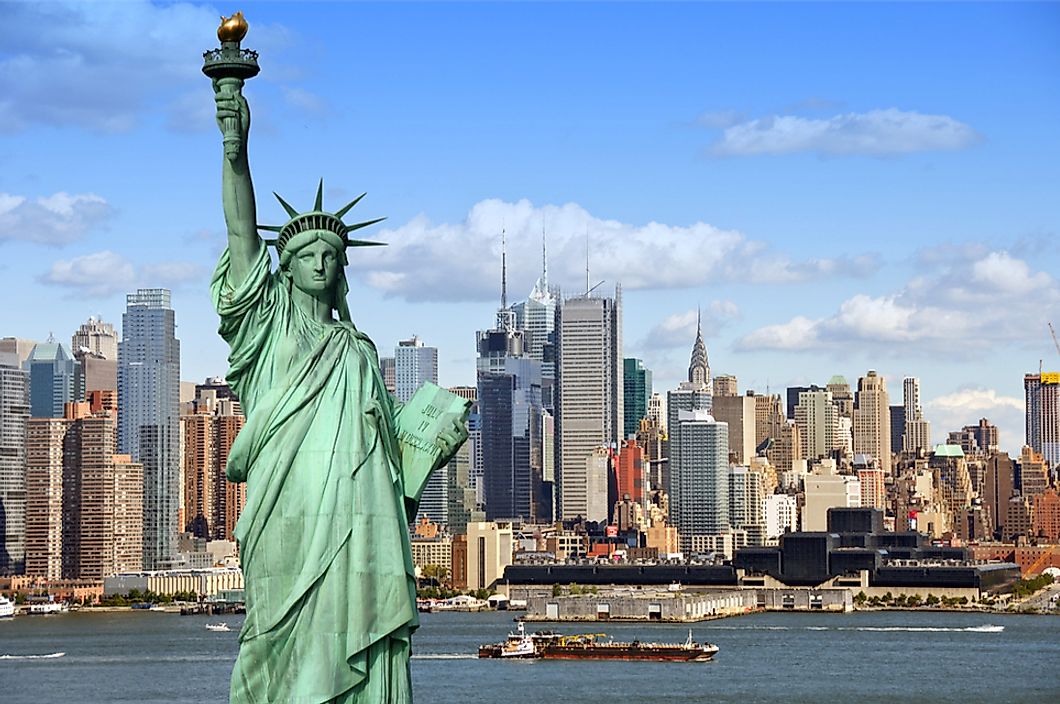
The New York Historical Society and the Museum of the City of New York are invaluable resources for understanding this complex history, housing artifacts and exhibits that detail the transition from Dutch to English rule. Even the iconic Statue of Liberty, while a symbol of freedom and a gift from France, stands in New York Harbor, a geographical space that owes its strategic significance to the early Dutch settlement.
Furthermore, the entrepreneurial spirit and the embrace of diverse populations, which were characteristics of Nieuw Amsterdam, continued to be defining traits of New York as it grew. The city’s reputation as a melting pot of cultures can be traced back to its earliest days, when Dutch tolerance, albeit for practical commercial reasons, allowed for a variety of peoples to coexist and contribute to the burgeoning settlement. This early integration laid the groundwork for the multiculturalism that defines New York City today, from the vibrant streets of Chinatown to the diverse communities found throughout the boroughs.
In conclusion, while New York City is synonymous with its current English name, its origins are deeply rooted in the Dutch settlement of Nieuw Amsterdam. Understanding this transition is crucial for appreciating the full tapestry of the city’s history, its multicultural makeup, and its enduring legacy as a global hub. The journey from a Dutch trading post to an English colonial city, and finally to the unparalleled metropolis it is today, is a testament to its dynamic past and its continuous evolution.
LifeOutOfTheBox is a participant in the Amazon Services LLC Associates Program, an affiliate advertising program designed to provide a means for sites to earn advertising fees by advertising and linking to Amazon.com. Amazon, the Amazon logo, AmazonSupply, and the AmazonSupply logo are trademarks of Amazon.com, Inc. or its affiliates. As an Amazon Associate we earn affiliate commissions from qualifying purchases.