
Introduction to a Legislative Turning Point
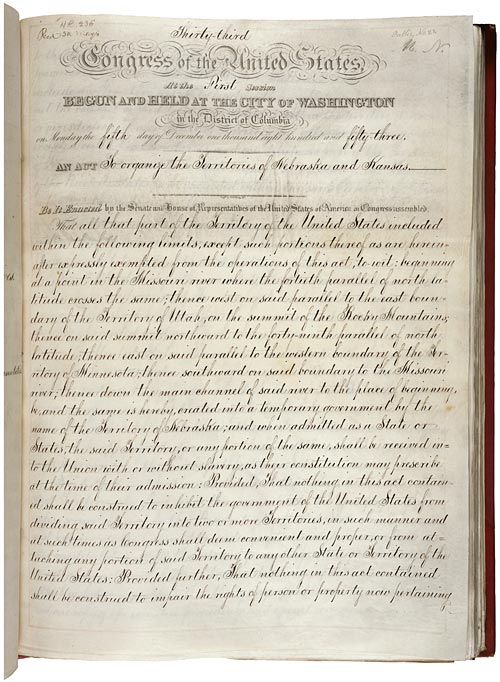
History is shaped by documents, debates, and deeply divisive legislation that alters the trajectory of a nation. Among the most consequential pieces of American legislation in the nineteenth century was the Kansas-Nebraska Act of 1854. To truly understand the result of this act, one must look at the physical landscapes, historical landmarks, and preserved sites across the United States that still bear the scars and stories of this turbulent era. Sponsored by Senator Stephen A. Douglas of Illinois, the act created two new territories and deliberately repealed the long-standing Missouri Compromise of 1820.
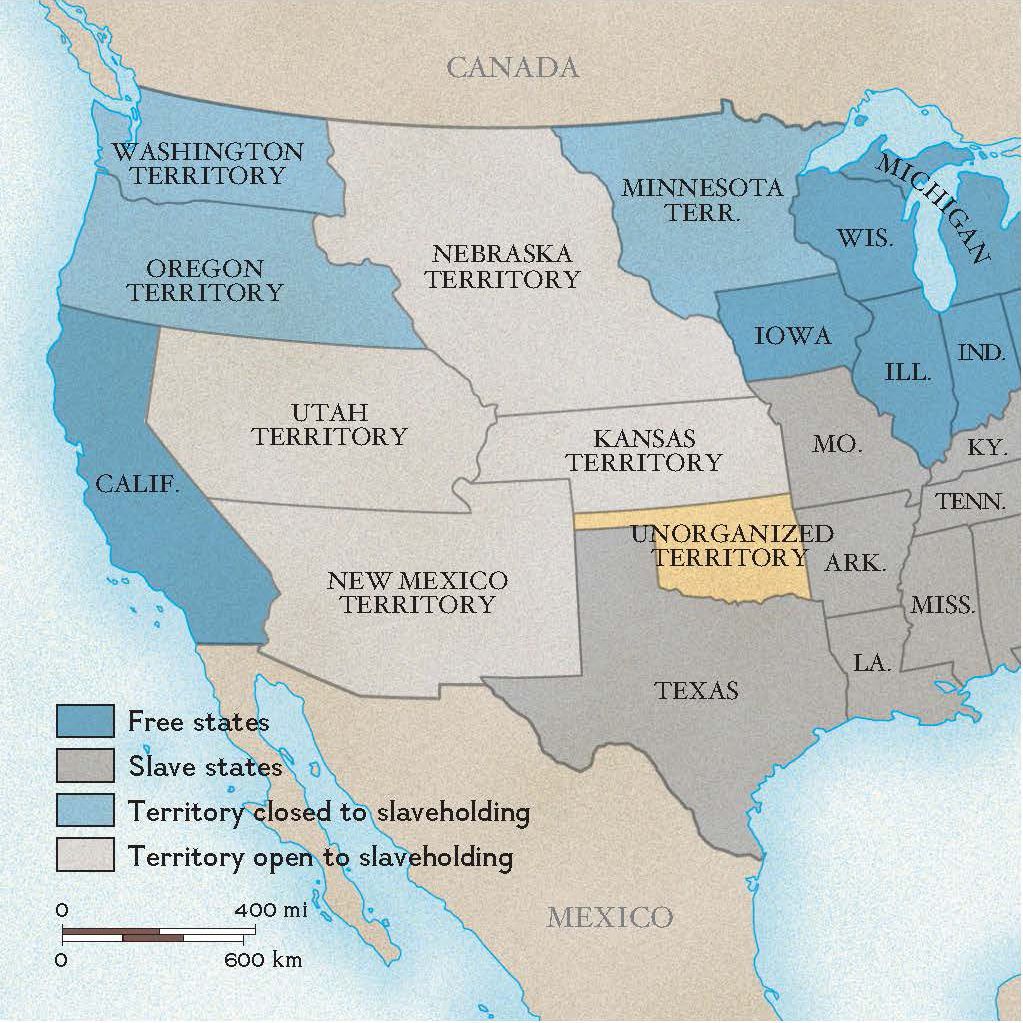
While the geopolitical intention was to organize western lands for the transcontinental railroad and ease growing sectional tensions through a concept known as popular sovereignty, the actual results were catastrophic. Instead of pacifying the nation, the legislation poured gasoline on the smoldering embers of the slavery debate. Today, travelers, history enthusiasts, and students of American heritage visit the plains of Kansas and Nebraska to explore the historic sites where the prelude to the American Civil War was violently enacted.
The Principle of Popular Sovereignty and Immediate Legislative Fallout
The Mechanics of the Act
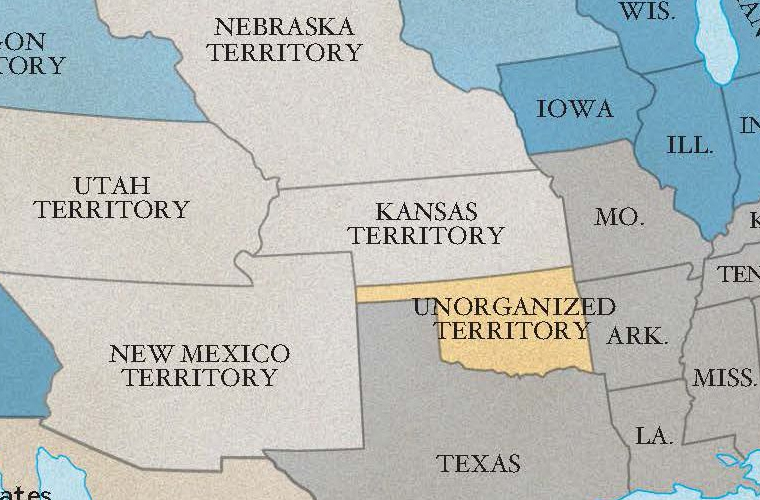
At its core, the Kansas-Nebraska Act mandated that the settlers residing within the newly organized territories of Kansas and Nebraska would decide for themselves whether to permit slavery within their borders. This doctrine, championed by Stephen A. Douglas, was heralded by its proponents as the ultimate expression of democratic self-governance. However, it completely shattered the fragile geographic boundary established by the Missouri Compromise, which had previously banned slavery north of the 36°30′ parallel, save for Missouri.
Political Upheaval and the Birth of the Republican Party
The immediate political result of the act was a seismic realignment of the American political landscape. The historic Whig Party, deeply fractured over the issue of slavery, effectively collapsed. Northern Whigs, dissatisfied anti-slavery Democrats, and members of the Free Soil Party joined forces to form a powerful new political coalition: the Republican Party. Founded in locations like Ripon and Wisconsin, this burgeoning political entity organized entirely around a platform opposing the expansion of slavery into the western territories.
Concurrently, the Democratic Party found itself severely alienated along sectional lines. Northern Democrats who supported popular sovereignty faced intense backlash from constituents who viewed the act as a monumental concession to the slave-holding power of the South, often referred to by critics as the Slave Power.
Bleeding Kansas: The Violent Manifestation on the Frontier
The Rush for Territorial Control
While the political fallout in Washington, D.C. was profound, the human cost on the western frontier was immediate and bloody. Because the future of Kansas depended on who populated the territory first, both pro-slavery and anti-slavery factions launched aggressive campaigns to flood the region with settlers. Abolitionist organizations, such as the New England Emigrant Aid Company, financed the migration of anti-slavery settlers who established strategic outposts like Lawrence and Osawatomie.
Conversely, thousands of pro-slavery border ruffians crossed over from neighboring Missouri to illegally cast ballots in territorial elections, intimidate anti-slavery voters, and establish shadow governments. Historic markers and preserved homesteads throughout Kansas still commemorate this tense era of divided loyalties and localized warfare.
Guerrilla Warfare and Historical Landmarks
The inevitable result of this manufactured demographic collision was a period of sustained guerrilla warfare known historically as “Bleeding Kansas”. Murder, arson, and voter fraud became rampant. Landmark conflicts such as the Sack of Lawrence by pro-slavery forces and the retaliatory Pottawatomie Massacre—led by the radical abolitionist John Brown—turned the rolling hills of the Midwest into a localized battlefield.
Visitors to the John Brown Museum State Historic Site in Osawatomie or the Black Jack Battlefield near Baldwin City can explore the very grounds where these dramatic skirmishes occurred. These historical attractions serve as poignant reminders of how quickly civil discourse can deteriorate when foundational moral questions are left to violent implementation on the frontier.
The Broader National Impact and the Road to Civil War
Destruction of Compromise Culture
For decades, the United States Congress had managed to stave off national disunion through legislative compromises, such as the Compromise of 1850. However, the result of the Kansas-Nebraska Act completely destroyed the credibility of congressional compromise. By tearing up the Missouri Compromise, the act demonstrated that legislative agreements regarding the bounds of slavery were fragile and easily dismantled. Northerners increasingly believed that compromise with the South was impossible, while Southerners grew equally convinced that Northern abolitionists were determined to destroy their way of life.
Escalation in Congress
The violence in Kansas quickly spilled back into the halls of the United States Capitol. In May 1856, Massachusetts Senator Charles Sumner delivered a fiery, highly critical speech entitled “The Crime Against Kansas,” in which he sharply attacked the pro-slavery policies of the act and insulted South Carolina Senator Andrew Butler.
In retaliation, Preston Brooks, a member of the United States House of Representatives and a relative of Butler, viciously beat Sumner with a heavy cane on the Senate floor. This shocking event horrified the Northern public and galvanized support for the newly formed Republican Party, cementing the notion that sectional conflict had permeated every branch of American governance.
Conclusion: Legacy of a Fateful Decision
Ultimately, the result of the Kansas-Nebraska Act was an accelerated march toward the American Civil War. Intended as a pragmatic solution to balance territorial expansion and regional politics, the legislation instead ignited a miniature civil war on the western plains, destroyed the existing two-party political framework, radicalized both North and South, and permanently severed the bonds of national consensus.
Today, travelers exploring the historic trails, museums, and preservation sites spanning from Topeka to Omaha encounter a landscape defined by this pivotal moment. The legacy of the act stands as a stark historical warning regarding the profound consequences of ideological polarization, proving that attempts to sidestep fundamental moral crises often lead directly to greater conflict.
LifeOutOfTheBox is a participant in the Amazon Services LLC Associates Program, an affiliate advertising program designed to provide a means for sites to earn advertising fees by advertising and linking to Amazon.com. Amazon, the Amazon logo, AmazonSupply, and the AmazonSupply logo are trademarks of Amazon.com, Inc. or its affiliates. As an Amazon Associate we earn affiliate commissions from qualifying purchases.